

Aspiration to excel in the new era.
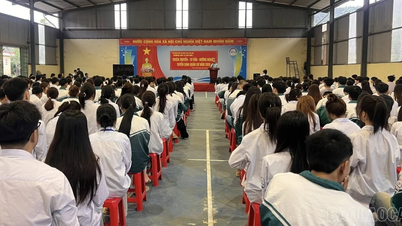
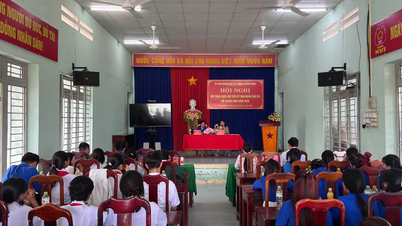
The Standing Committees of the Lao Cai and Yen Bai Provincial Party Committees recently held a conference to assess the progress of the merger of the two provinces.
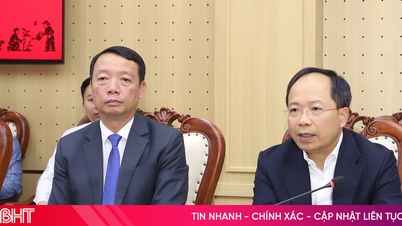
Mr. Trinh Xuan Truong, Secretary of the Provincial Party Committee and Chairman of the People's Committee of Lao Cai province, assessed that the merger of the two provinces is a historical turning point, a prerequisite for the creation and development of a new province based on the potential and strengths of the two localities in the future.
Mr. Trinh Xuan Truong expressed his hope that the two provinces will continue to walk together, united in purpose, always innovating, being dynamic and creative, daring to think and act, taking the happiness of the people as the goal of development, so that they can "walk together and reach their dreams" with the aspiration to rise in the new era.
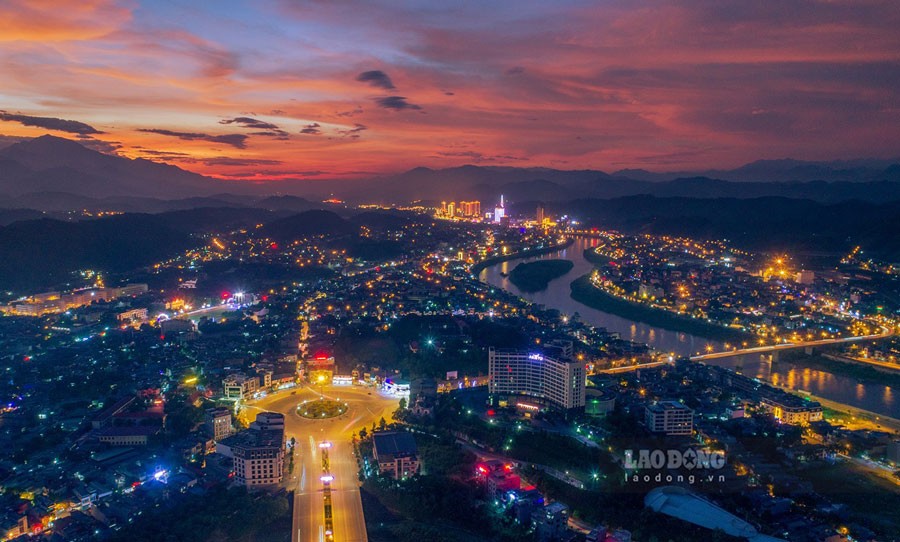
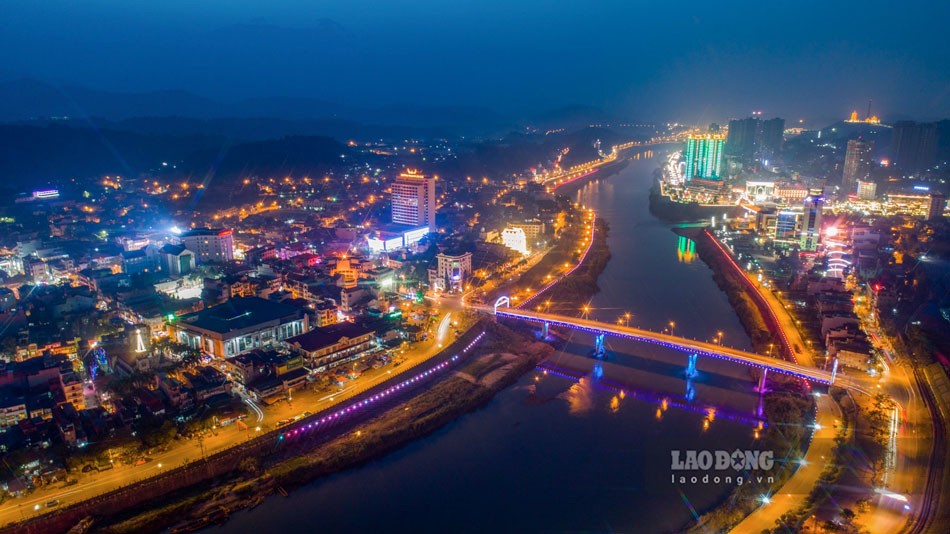
The city of Lao Cai takes on a dazzling and magical glow at night.
Mr. Tran Huy Tuan, Secretary of the Yen Bai Provincial Party Committee, also affirmed that the two localities have seriously and responsibly implemented the merger in a spirit of solidarity, "only discussing action, not retreating," aiming for sustainable development after the merger.
According to Mr. Tran Huy Tuan, the merger is the beginning of a new journey, reaching further and sustainably, for a land that brings together the cultural identities of various ethnic groups with aspirations for development in the new era.
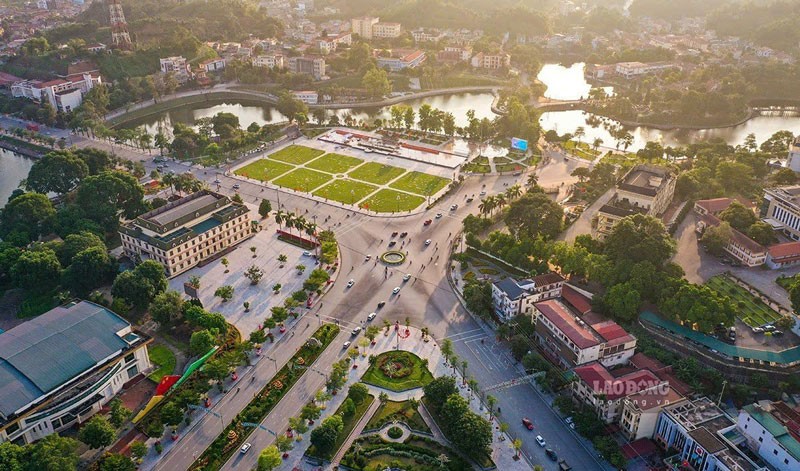
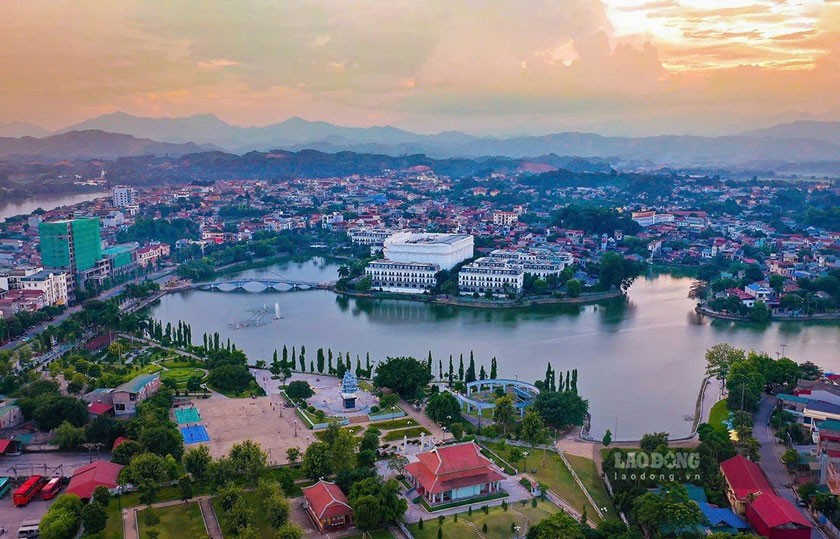
After the merger of the two provinces, the political and administrative center will be located in Yen Bai.
Previously, on April 12th, the 11th Conference of the 13th Central Committee of the Communist Party of Vietnam adopted Resolution No. 60, advocating for the merger of Lao Cai and Yen Bai provinces. The new province will be named Lao Cai, with its political and administrative center located in Yen Bai.
In the past, from 1976 to 1991, the three provinces of Yen Bai, Nghia Lo, and Lao Cai were merged into a single administrative entity called Hoang Lien Son. This period saw the existence of a "gigantic" tourist area stretching from the summit of Fansipan to the Thac Ba reservoir – names that have become part of the Vietnamese and international tourism map.
The re-merger after more than 30 years of provincial separation not only signifies streamlined administrative management but also opens up new opportunities for the tourism industry in Northwest Vietnam.
Strategic combination of tourism
In the northern tourism map, few provinces complement each other as perfectly as Lao Cai and Yen Bai. If Lao Cai is considered the "gateway to highland tourism" with the internationally renowned Sa Pa, then Yen Bai is the "primitive land" with landmarks associated with ethnic culture and unspoiled landscapes.
Lao Cai province boasts Sa Pa, the only Vietnamese town to be included in Time Out magazine's (UK) list of the 16 most beautiful towns in the world.
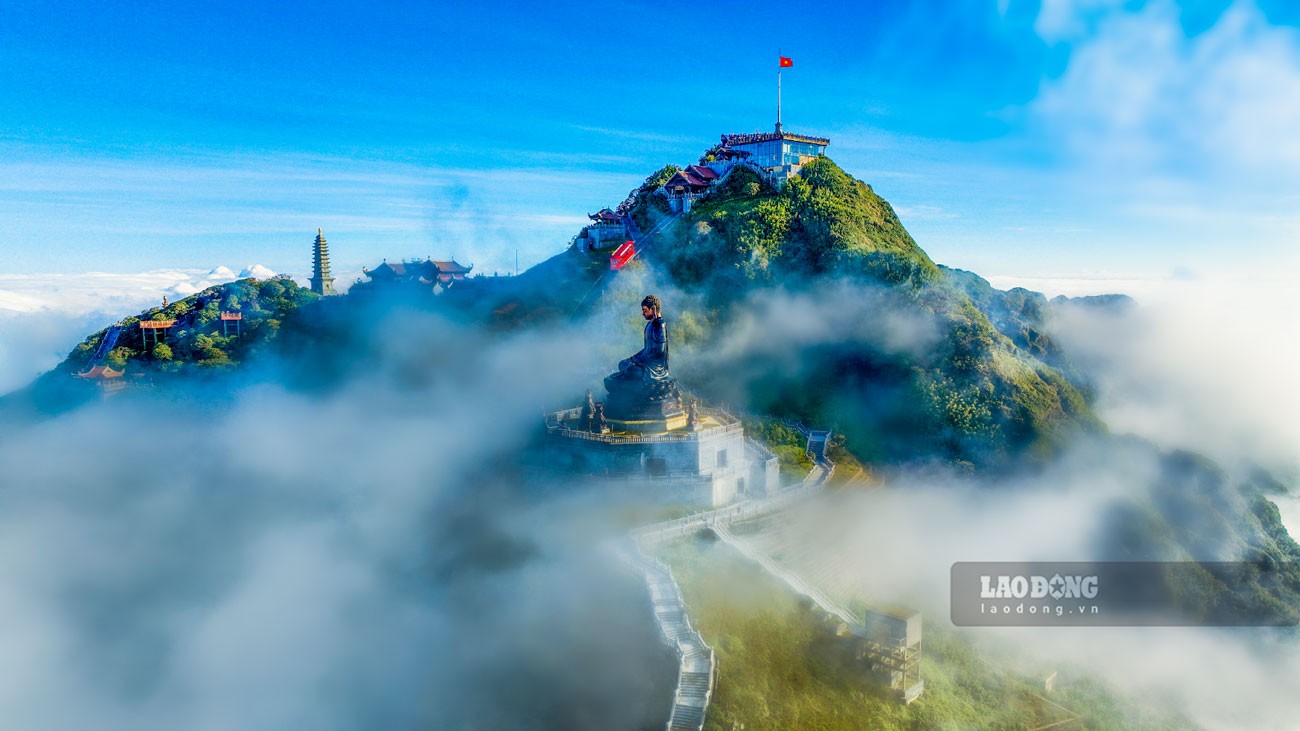
The Sun World Fansipan Legend tourist area in Sa Pa is visited by many domestic and international tourists.
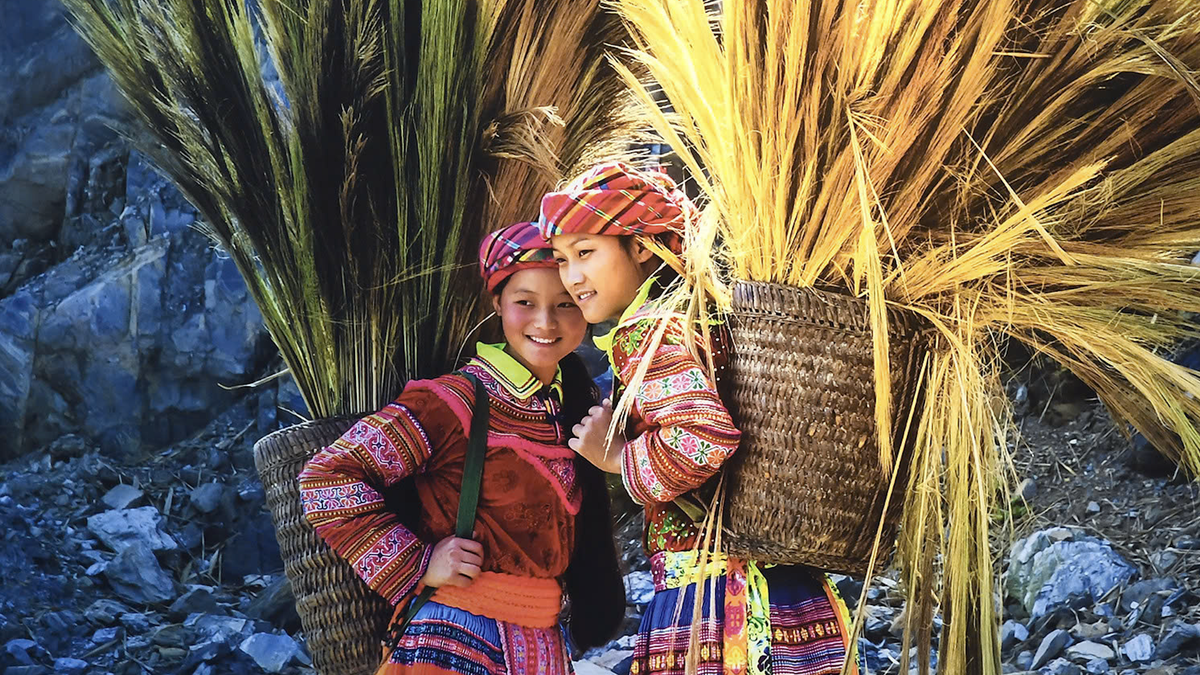
With its cool climate year-round, Sa Pa is often described as a "miniature Europe" in the heart of Northwest Vietnam. Beyond the majestic Fansipan peak and the magnificent Muong Hoa Valley, Sa Pa is also rich in the cultural identity of the Hmong and Red Dao people, showcased through their love markets, traditional brocade weaving, and peaceful villages nestled amidst the clouds.
Meanwhile, Yen Bai stands out with Mu Cang Chai, a terraced rice field recognized as a Special National Monument, frequently praised by international media as one of the most beautiful destinations in Southeast Asia. The pristine landscape, the vibrant colors of ripening rice in autumn, and traditional H'Mong festivals such as Independence Day and highland markets create a rich and emotionally enriching experience.
Besides that, Suoi Giang with its ancient Shan Tuyet tea forest, Thac Ba Lake with more than 1,300 large and small islands, or Nghia Lo town with its rich Thai culture are also unique destinations, leaving their own mark on the Vietnamese tourism map.
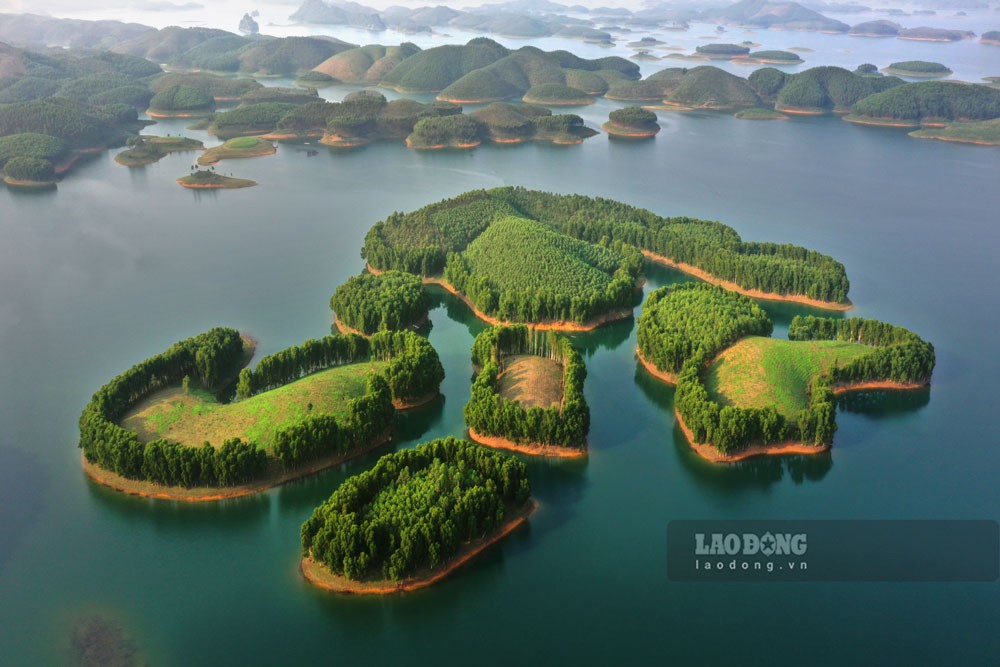
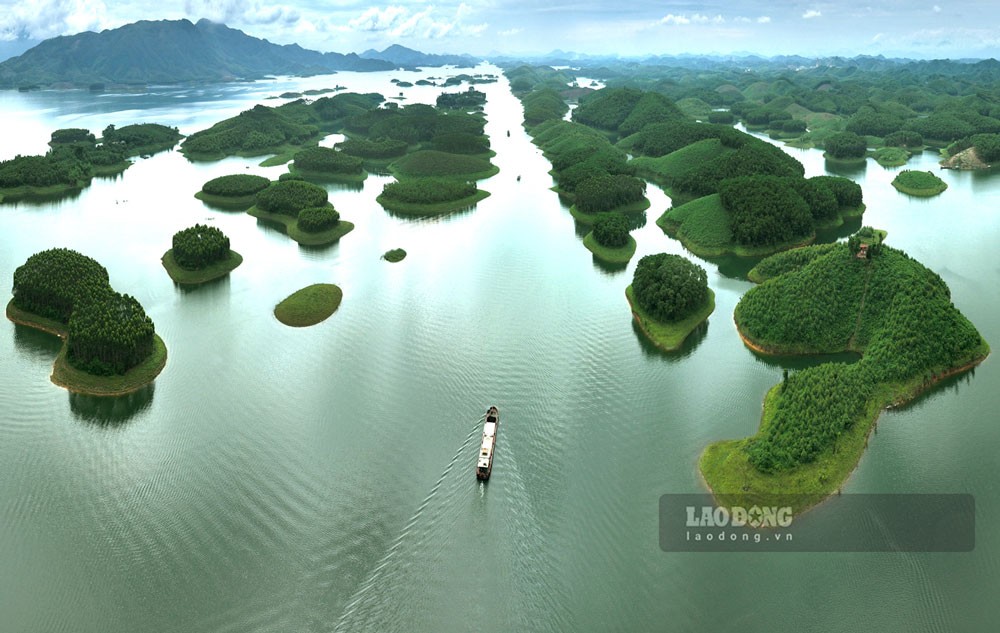
Thac Ba Lake covers nearly 20,000 hectares of water surface with more than 1,300 large and small green islands, along with a system of beautiful caves hidden deep within the limestone mountain ranges.
Geographically, Lao Cai and Yen Bai provinces are adjacent to each other, possessing a relatively complete transportation system and serving as a transit hub between the highlands and midlands of Northern Vietnam. The merger will help form a large-scale tourism linkage region, opening up possibilities for developing cross-provincial tourism routes and clusters on a larger scale and with better quality.
The Noi Bai - Lao Cai expressway is considered the main artery that takes tourists from Hanoi to Sa Pa in just 4-5 hours. Meanwhile, Yen Bai is connecting to the expressway axis linking the lowlands with the Northwest heritage region such as Mu Cang Chai - Tram Tau - Nghia Lo...
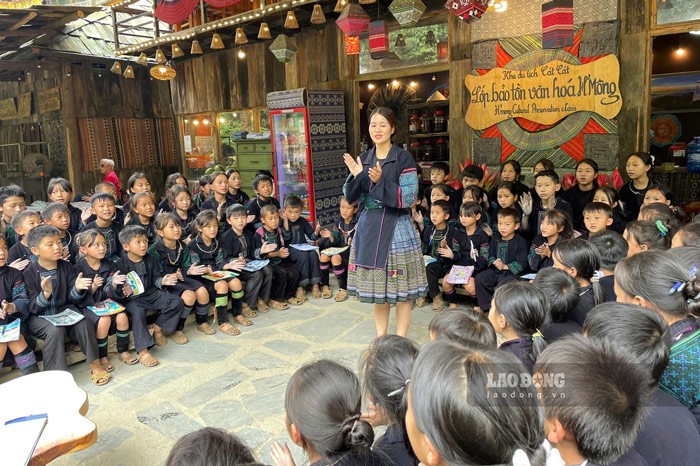
Sa Pa offers many fascinating cultural activities.
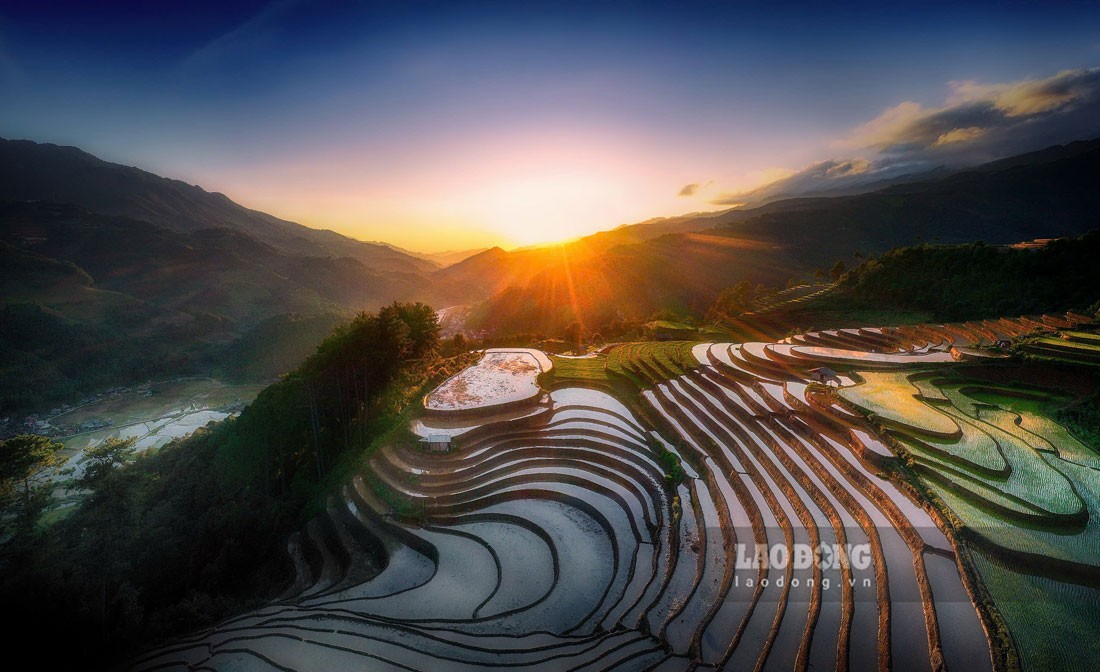
The terraced rice fields of Mu Cang Chai are an ideal destination for those who love majestic nature.
The formation of a "heritage belt" stretching from the summit of Fansipan to the Thac Ba lake not only expands the range of destinations but also increases the length of stay and the level of experience for tourists.
The merger of Lao Cai and Yen Bai provinces is considered a strategic combination for tourism, as the two localities can complement each other: one strong in branding and infrastructure, the other distinguished by its deep identity and pristine beauty.
Source: https://baolaocai.vn/vanh-dai-di-san-cua-tay-bac-post400594.html
![[Photo] Memorable moments at the 10th Vietnam-China Border Defense Friendship Exchange](https://vphoto.vietnam.vn/thumb/1200x675/vietnam/resource/IMAGE/2026/03/20/1773986226876_giao-luu-bien-gioi-vntq-lan-10-ben-tq-9737-4225-jpg.webp)

















































Comment (0)