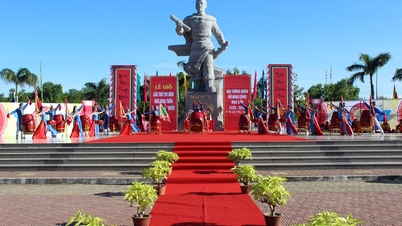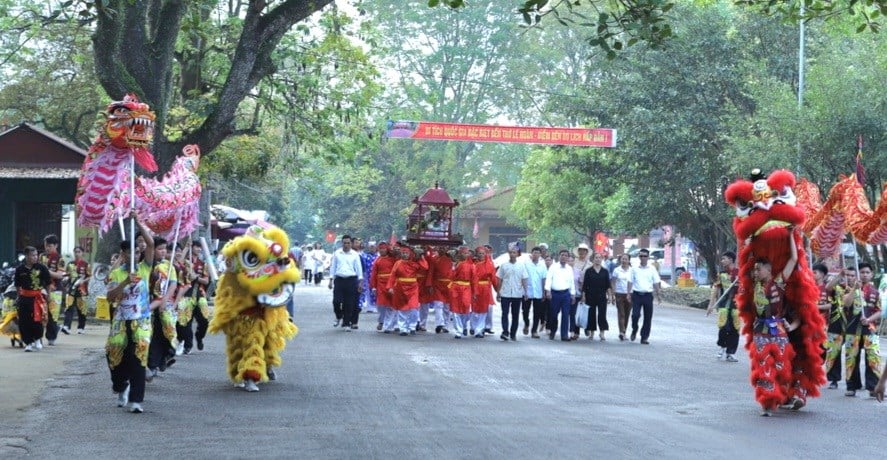
From April 22nd to 24th, Xuan Lap commune will organize the 2026 Le Hoan Temple Festival on a provincial scale.
The festival is held to commemorate the 1,021st anniversary of the death of National Hero Emperor Le Dai Hanh, and to promote the value of the Le Hoan Temple, a special national historical site, and the potential for local cultural tourism .
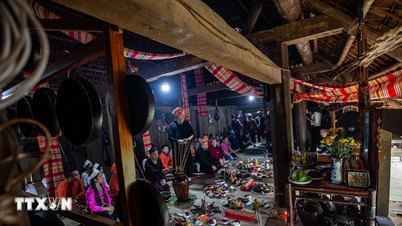
The main ceremony takes place on the morning of April 24th (the 8th day of the 3rd lunar month), and includes rituals such as processions of palanquins from the tombs to the temple courtyard, incense offerings, congratulatory speeches, drumming to open the festival, and commemorative speeches.
According to the plan, this year's festival will retain traditional rituals associated with the historical sites, including the procession of palanquins from the Imperial Mausoleum, the Queen Mother Mausoleum, the Le Dot Mausoleum, and from the inner sanctuary of the temple to the ceremonial courtyard. These are important rituals that have been maintained for many years in the festival.
Besides the ceremonial part, the festival includes many cultural, sports , and tourism activities taking place over 3 days, such as performances of Xuan Pha folk dance, bamboo pole dance, Pon Pong dance, gong and drum music, card games, folk art festival, competition for preparing vegetarian dishes for the king, bonfire, tug-of-war, volleyball, sack race, blindfolded duck catching, and walking on a bamboo bridge.
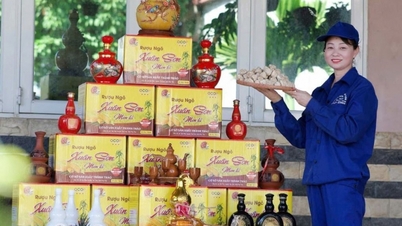
An exhibition and product showcase space for OCOP products was also organized during this event, combining the promotion of local products with providing opportunities for tourists to visit and experience.

The highlight of this year's festival is the art program themed "Le Hoan: A General, a King," recreating the life and career of the emperor who made significant contributions to the nation's history.
Le Hoan was born in 941 in Ke Xop village, now part of Xuan Lap commune, Thanh Hoa province. From a poor peasant family, he rose to become a Ten-Commandment General under the Dinh dynasty, and later ascended to the throne as emperor in 980.
During his 24-year reign, he left a significant mark on military, political, and economic affairs.
In 981, he led the army and people of Dai Co Viet to defeat the invading Song army. In 982, he conquered Champa.
He was also the king who minted the first coins of our country and implemented many policies to develop agriculture, transportation, and trade.
After his death in 1005, generations of people erected temples to commemorate his contributions.
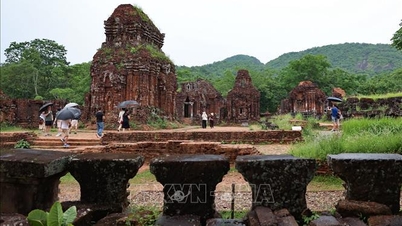
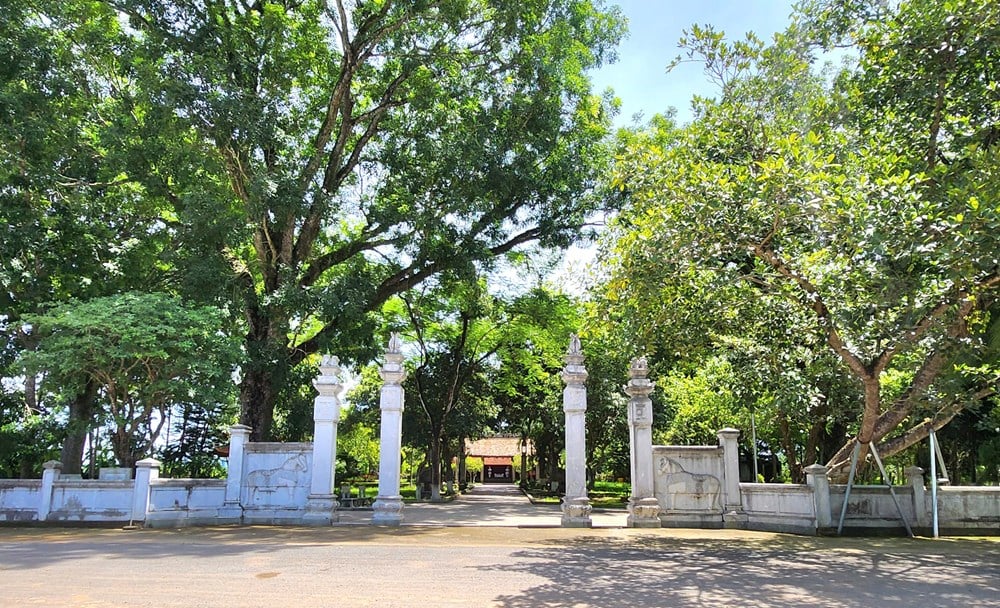
The Le Hoan Temple is currently considered the center of the Le Hoan historical and cultural relic complex, along with satellite relics such as the Royal Mausoleum, the Queen Mother's Mausoleum, the Le Dot Mausoleum and Temple, and the Saint's Birthplace.



In 2018, the Le Hoan Temple was recognized as a Special National Monument; in 2019, it was recognized as a provincial-level tourist destination.
The Le Hoan Temple Festival is therefore not only a traditional religious activity, but also an opportunity for the locality to showcase its heritage, promote tourism, and attract visitors to the birthplace of a king who played a special role in the nation's history.
Source: https://baovanhoa.vn/van-hoa/ve-xuan-lap-du-le-hoi-den-vua-le-220458.html