

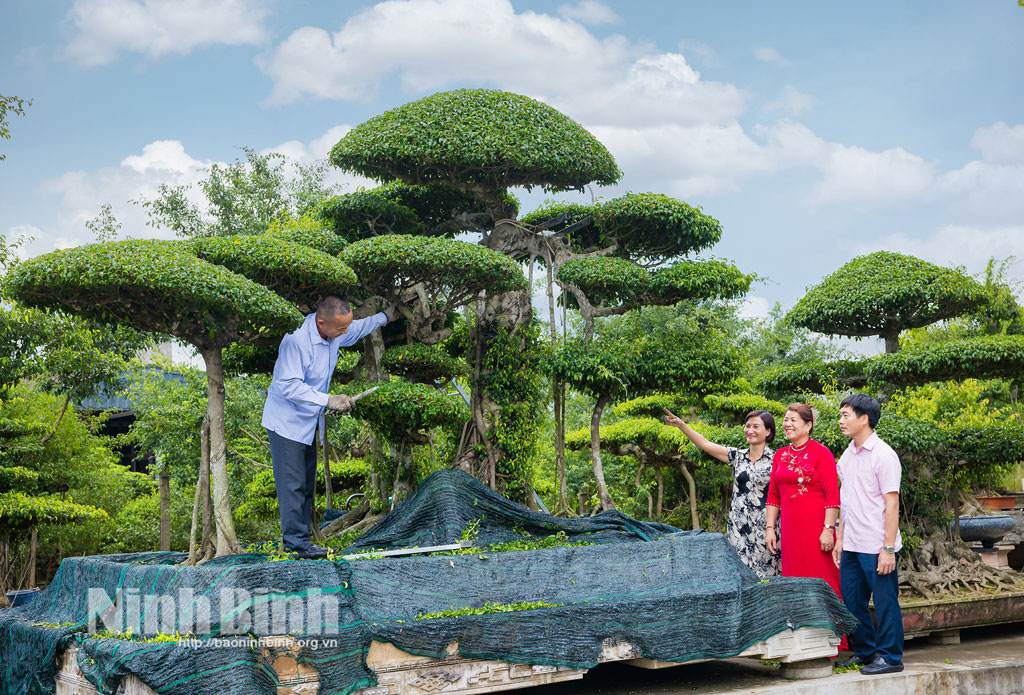
The ornamental plant craft has existed for over eight centuries.
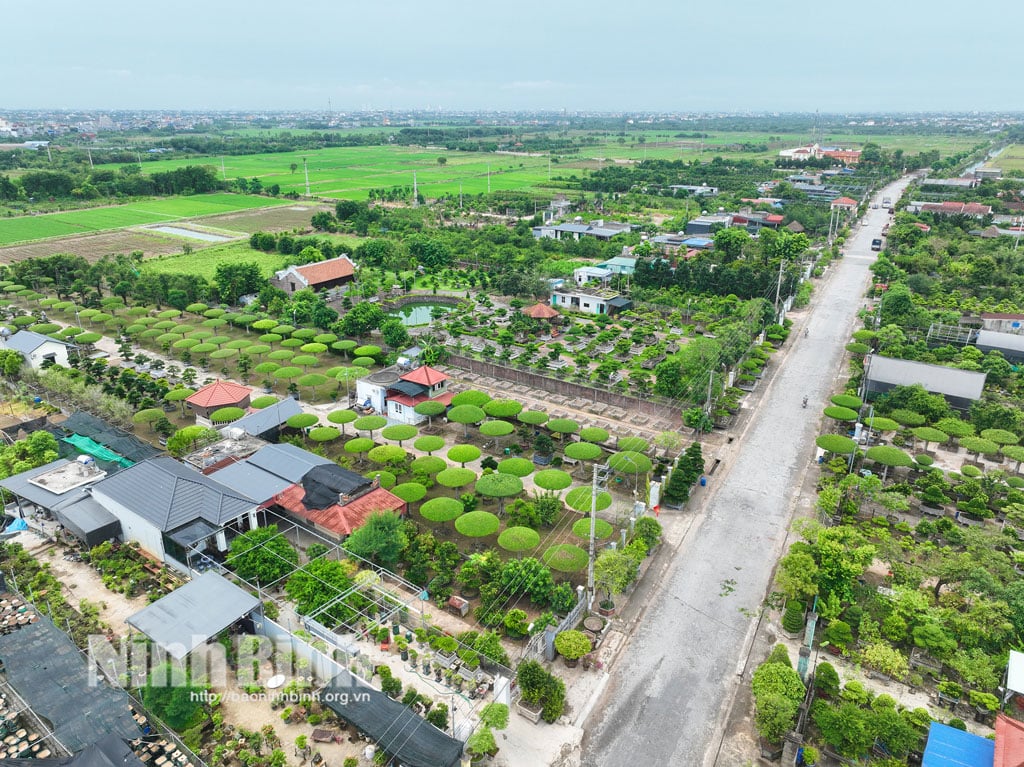
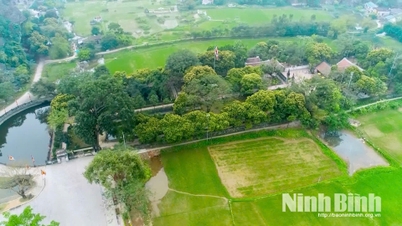
The village of Vị Khê has long been famous for its artistic bonsai creations worth billions of dong and its rich history of over 800 years. It is known that the origins of the Vị Khê craft village date back nearly a millennium, when the first inhabitants came to clear land and establish settlements on the banks of the Red River.
According to the genealogical record preserved at Vi Khe communal house, the village's history dates back to 938. After the Battle of Bach Dang, General Nguyen Cong Thanh, during the reign of Ngo Quyen, established a settlement and village here. He named this area Nguyen Gia Trang (the settlement of the Nguyen family). For over two centuries, the people of Nguyen Gia Trang mainly lived by farming. In 1211, during the reign of King Ly Hue Tong, Grand Marshal To Trung Tu was appointed to guard the Son Nam region. Recognizing the fertile land and the industrious people, he established a royal residence. In addition to encouraging farming, he personally taught the villagers the art of flower cultivation and bonsai making as a "long-term livelihood." To commemorate his contributions, the people venerate Grand Marshal To Trung Tu as the founder of the craft and worship him at the village communal house. Currently, at the gate of Vi Khe village communal house, a pair of couplets are preserved as an affirmation of its origins: “The cultivation of trees and flowers was initiated by General To/The village of Nguyen Trang was originally Vi Xa village” (meaning: Planting trees and cultivating flowers was initiated by General To/The village named Trang Nguyen was originally Vi Xa village). In 1225, the Tran dynasty ascended the throne. Vi Khe flower and ornamental plant village was then likened to a “royal garden” serving the royal court and as a place of enjoyment for the princes and nobles of the Tran dynasty. The convergence of favorable conditions, geographical advantages, and human resources helped the artisans continuously improve their skills, laying a solid foundation for a renowned brand that has lasted for over eight centuries.
Besides historical records, the village's history lives on through its generations-old "treasures." Currently, in the courtyard of Vi Khe communal house, two ancient banyan trees with upright trunks are preserved, a testament to the rich history and talent of the local artisans. These two banyan trees are over 100 years old, approximately 2 meters tall, with canopies more than 1.5 meters wide. Their sturdy trunks, rough bark with many knots, possess a serene beauty of time. The story of these banyan trees is linked to artisan Nguyen Van La. According to elders, in 1924, Mr. La traveled a long distance to the Hue imperial court to participate in a competition. After many days of competition, his banyan trees impressed the judges and received the highest score. In the late 1970s, Mr. La displayed the banyan trees in the village's communal garden. Since then, the entire village has worked together to preserve and care for these ancient trees. In 2017, at the request of many villagers, the village's "treasure" was moved and placed in the courtyard of the Vi Khe communal house.
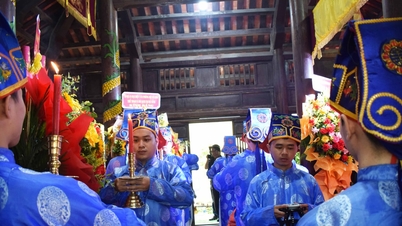
The soul and history of Vi Khe are vividly recreated every spring through its traditional festival. The Vi Khe Village Festival, held from the 12th to the 18th of January , commemorates the founder of the bonsai craft, To Trung Tu. Previously a small-scale festival, it has now developed into a regional-scale bonsai festival, attracting numerous visitors . The most distinctive feature is the procession of bonsai trees offered to the deity (a symbolic offering) on the morning of the 12th. The procession starts from Vi Khe Pagoda, travels along the Red River dike, and returns to the village communal house. Following behind are five representative bonsai trees, each representing one of the five residential areas . The chosen trees must possess the qualities of "ancient, unique, and beautiful," with many unique shapes, expressing aspirations for a peaceful and prosperous life. Upon arriving at the Vi Khe communal house, the offerings are presented to the village's guardian deity and the founder of the craft in a solemn spiritual ceremony.
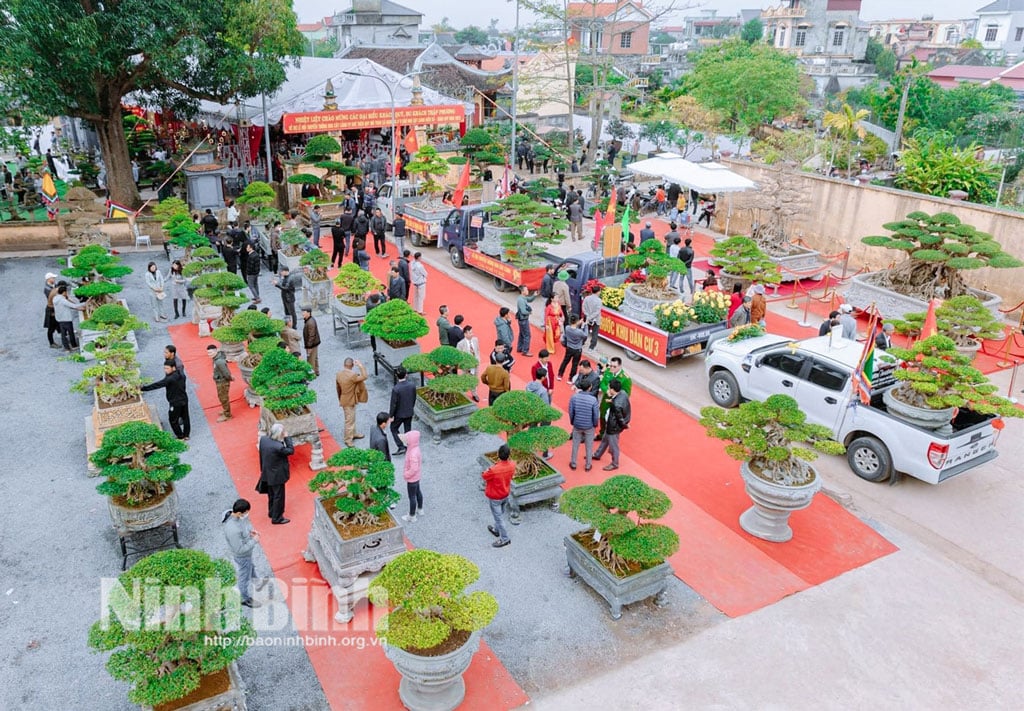
In reality, the strength of the ornamental plant craft in Vi Khe lies in the culmination of skillful techniques and profound cultural and historical depth. Generations of Vi Khe residents have continuously passed down and preserved these core values, creating a solid heritage foundation. This serves as a springboard for the craft village to continue developing and asserting its position in the new era.
Embrace the new rhythm of life.
Entering a new phase of development, Vi Khe ward today inherits the inherent vitality from traditional crafts, boasting a new stature and momentum after a significant administrative transformation. The streamlining of the administrative apparatus has helped to maximize the potential and advantages of this historically rich land, transforming gardens and fields into vibrant "green factories."
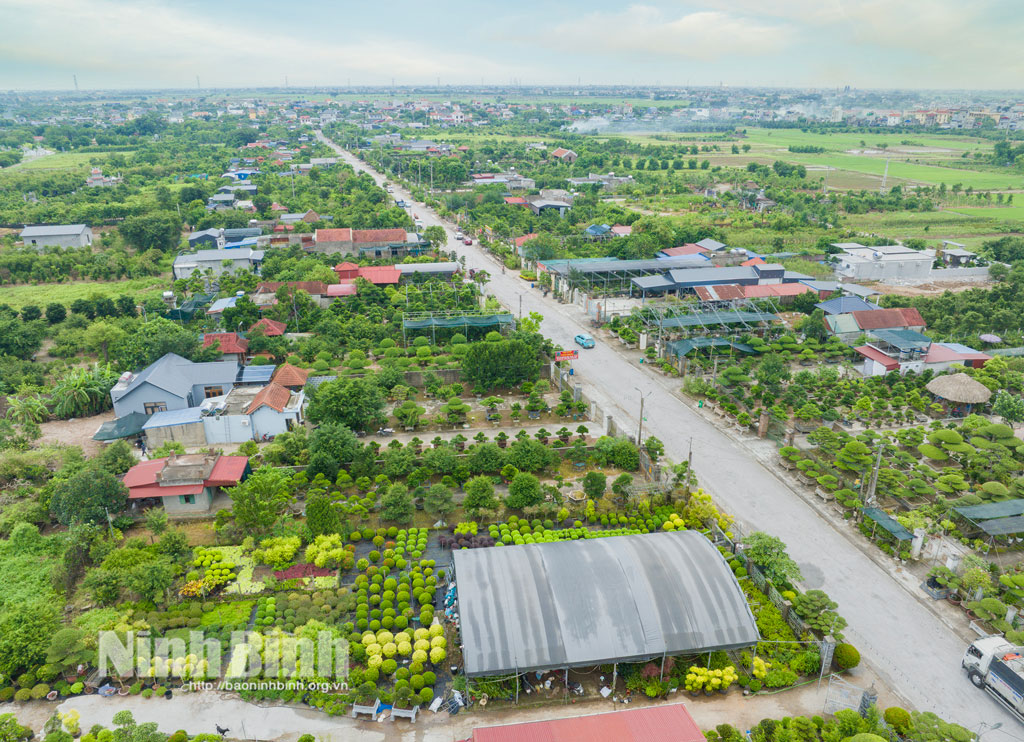
Leading us along the well-maintained roads, lined on both sides with meticulously pruned bonsai gardens stretching endlessly, Mr. Nguyen Cong Khanh, Chairman of the Ornamental Plants Association of Vi Khe Ward, proudly shared: “Currently, over 95% of households in the ward are involved in the bonsai business. In the ancient village of Vi Khe alone, this figure is 100% out of a total of over 600 households.” Here, there are still towering figures in the craft, such as Mr. Nguyen The Duyet ( 90 years old ) , the mentor of many generations of artisans, famous for his valuable Long and Truc bonsai trees. Following in the footsteps of their predecessors, the younger generation of artisans continues to diligently pursue the mission of keeping the craft alive. Mr. Nguyen Cong Khanh is the author who won Gold medals at bonsai exhibitions during the 1000th anniversary of Thang Long, the Ha Long Carnival 2014, and the 750th anniversary of Thien Truong with his works: “Tam Da” (Three Deities); “Ancient Green Trees”; and “Walking Through the Years”. In 2015, Mr. Khanh, along with Mr. Vu Viet Hoa (70 years old) from Vi Khe village, were the first two people from the former Nam Dinh province to be recognized as national-level artisans.
Mr. Khanh added : “The merger of administrative units has created a major boost. From over 200 initial members, the Vi Khe Ward Ornamental Plants Association now has 3,000 members; including more than 20 national-level artisans and nearly 100 provincial-level artisans. The large number and quality of members enable the association to organize many large-scale exhibitions and displays. This resource allows the association to form specialized groups, expand sales connections within and outside the province, train young artisans, and standardize the care and transportation processes.”
In the context of a thriving economic development "picture". In the ornamental plant and landscape industry , the pioneering and exemplary role of Party members in Vi Khe ward is strongly demonstrated . Many Party members have become exemplary and reputable garden owners in the community . A prime example is Ms. Pham Thi Lien, Deputy Head of the Front Committee of Vi Khe village, owner of Kim Lien garden. Her family 's garden specializes in supplying large-scale landscaping plants such as Podocarpus and bonsai trees. Many large-scale landscaping projects such as the Long Bien golf course ( Hanoi ), Tien Dung, Luc Nam (Bac Ninh), and many historical and cultural relics bear the mark of Kim Lien garden . Besides providing Ms. Lien's family with a stable income of over 1 billion VND per year and creating stable employment for 5-7 permanent workers and dozens of seasonal workers with an average salary of over 10 million VND per person per month , many young Party members are also actively pursuing legitimate wealth creation. Despite being a kindergarten teacher, Ms. Pham Thi Dung (42 years old) from Vi Khe village has achieved success with her passion for ornamental plants. After more than 20 years of perseverance, she owns many valuable works worth billions of dong. Similarly, Party member Nguyen Anh Duc (39 years old), also from Vi Khe village, specializes in supplying Podocarpus, Ficus microcarpa, and artistic bonsai trees, bringing outstanding economic results.
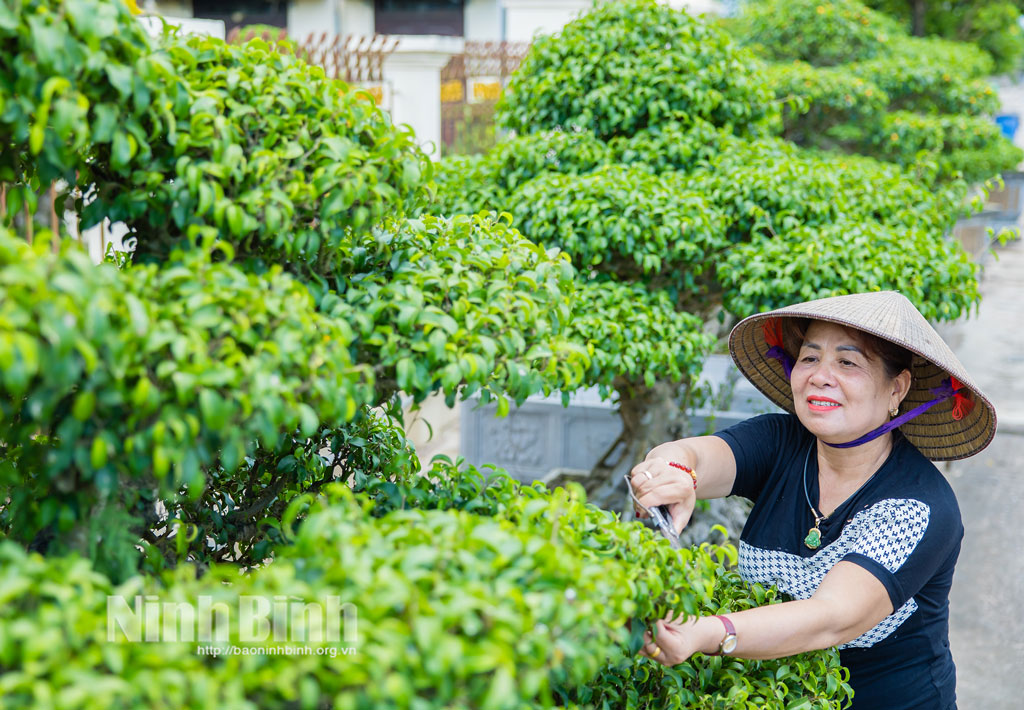
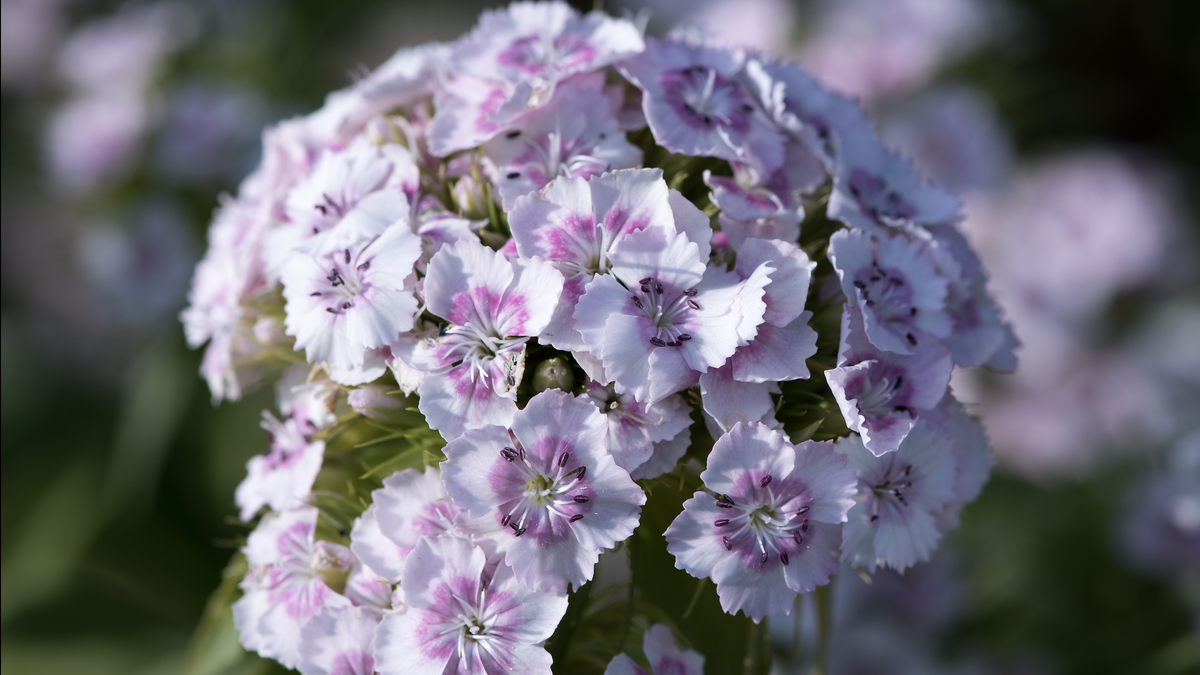
Recognizing that youth and entrepreneurial spirit are crucial driving forces creating a new rhythm of life in Vi Khe, the Ward Youth Union Executive Committee has effectively implemented the movement to support young people in establishing themselves and their careers. Many youth-run garden models generate incomes ranging from 200 million VND to billions of VND per year. A prime example is the garden of Mr. Do Cong Linh in Trung village, specializing in growing various types of orchids such as Dendrobium, Cymbidium, Phalaenopsis, and Vanda, supplying the market nationwide. In addition, Vi Khe Ward also boasts many exemplary young entrepreneurs such as Mr. Tran Van Quan, Mr. Pham Cao Cuong , etc.
The success of Vi Khe is a result of the efforts of its people and the correct strategic direction from the local Party committee and government . Comrade Do Dinh Diem, Deputy Secretary of the Vi Khe Ward Party Committee, stated: “ After the administrative unit merger and the operation of a two-tiered government , the Ward Party Committee has played a leading role, focusing its intellect to issue specialized resolutions, clearly identifying flower and ornamental plant cultivation as a key economic sector, creating a strategic direction for the government and people to implement. This policy has quickly taken effect, creating an important leverage to complete the criteria for building advanced and model new rural areas. As a result, specialized production areas have been formed in the ward, bringing high economic efficiency such as: the area specializing in traditional and artistic ornamental plants in Dien Xa; the area specializing in peach blossom and kumquat trees in Nam My; the tea and begonia growing area in Nam Toan; and various fresh flowers and kumquat trees for Tet in Nam Phong. ”
Thanks to the right direction, many products from Vi Khe ward have been recognized as OCOP products at the provincial level. Notable examples include the "Nam Dien Banyan Tree in Dragon Shape" and "Nam Dien Banyan Tree in Straight Shape" by Mr. Do Duy Bac (Dien Xa area); the "Horizontal Peach Tree" by Mr. Trieu Van Thuan (Nam My area); and the "Ancient Camellia Tree" by Mr. Le Trung Thanh (Nam Toan area). From a traditional craft village, Vi Khe has strongly developed into a bustling center for flowers and ornamental plants ; the lives of the people are improving, with an average per capita income of 74.4 million VND/year. Economic development has created conditions for people to work together to build their homeland. Of the total 278.57 billion VND invested in building advanced and model new rural areas, capital mobilized from the people and other legal sources accounts for 60% (174.8 billion VND).
The combination of heritage and economic thinking has created momentum for the flower and ornamental plant cultivation industry in Vi Khe ward. From here, artistic creations are distributed throughout the country every day, carrying the beauty of nature and the story of the vibrant life of a region with a rich cultural heritage, steadily progressing in the new rhythm of life.
Source: https://baoninhbinh.org.vn/vi-khe-khat-vong-vuon-tam-250911082752074.html






















































Comment (0)