

 |
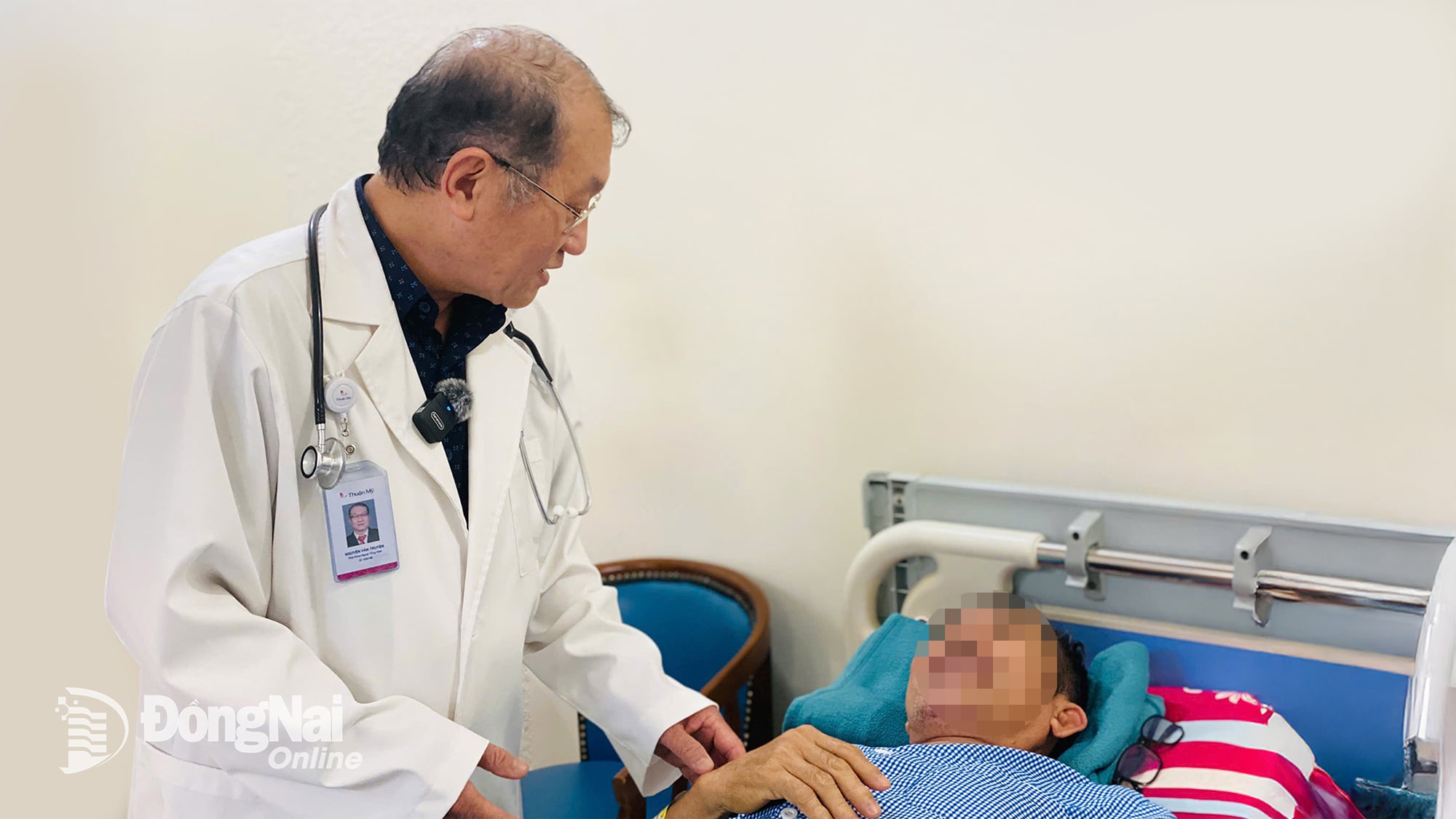
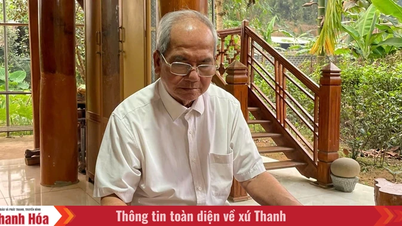
| Doctor Nguyen Van Truyen checks the health of a patient after kidney stone surgery using modern techniques. Photo: An Yen |
One of the main reasons for the increase in kidney stones in Vietnam is the hot and humid climate. Hot weather causes the body to lose water through sweat, but many people drink too little water, leading to concentrated urine and easier stone formation. A salty diet, unhealthy eating habits, lack of exercise, and prolonged sitting are also factors that increase the risk of developing the disease. In addition, some cases of congenital urinary tract malformations, ureteral stenosis, etc., also obstruct urine flow, creating conditions for stone development.
Kidney stones can be divided into two groups: symptomatic and asymptomatic. Many people have kidney stones but experience no symptoms at all, only discovering them during routine health checkups with ultrasound or X-ray. In the symptomatic group, patients often experience renal colic, one of the most severe pains, lower back pain, urinary disorders, hematuria, dysuria, or signs of infection such as fever and chills. In some cases, there is only a dull ache in the lower back, easily mistaken for musculoskeletal disorders, so regular checkups are very important.
To prevent kidney stones, Dr. Truyen advises people to drink enough water (1.5-2 liters per day or more when exercising or sweating heavily), limit salt intake, increase physical activity, and avoid sitting in one place for too long. Those with high risk factors should have annual health checkups for early detection.
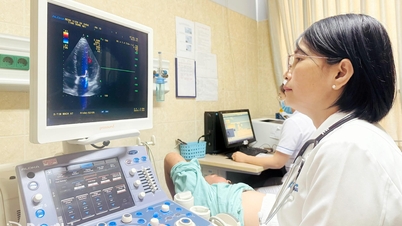
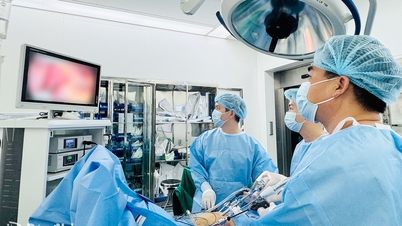
Regarding treatment, Thuan My ITO Dong Nai Hospital is implementing a comprehensive range of modern methods such as: retrograde endoscopic lithotripsy with laser, percutaneous nephrolithotomy, percutaneous nephrolithotomy via a small tunnel, and laser surgery for benign prostatic hyperplasia in cases with other underlying conditions. These methods aim to help patients avoid painful open surgeries and lengthy recovery times. In particular, percutaneous nephrolithotomy can now be performed in prone, supine, or lateral positions, making it suitable for a wide range of patients, especially those who are obese or have cardiopulmonary diseases. Using ultrasound to locate stones instead of X-rays or C-arms also reduces the risk of X-ray exposure for both patients and the surgical team.
An Yen
Source: https://baodongnai.com.vn/xa-hoi/202512/vi-sao-benh-soi-than-gia-tang-c43183e/
![[Photo] General Secretary and President To Lam meets with National Assembly delegates from ethnic minorities.](https://vphoto.vietnam.vn/thumb/1200x675/vietnam/resource/IMAGE/2026/04/20/1776696701056_a1-bnd-8331-3342-jpg.webp)




![[Image] National Assembly discusses the implementation of the socio-economic development plan.](https://vphoto.vietnam.vn/thumb/1200x675/vietnam/resource/IMAGE/2026/04/20/1776696707422_ndo_br_img-20260420-185419-jpg.webp)

















































































Comment (0)