I have many moles on my face and neck; is there a high risk of developing cancer? (Ngoc Anh, 37 years old, Bac Lieu)
Reply:
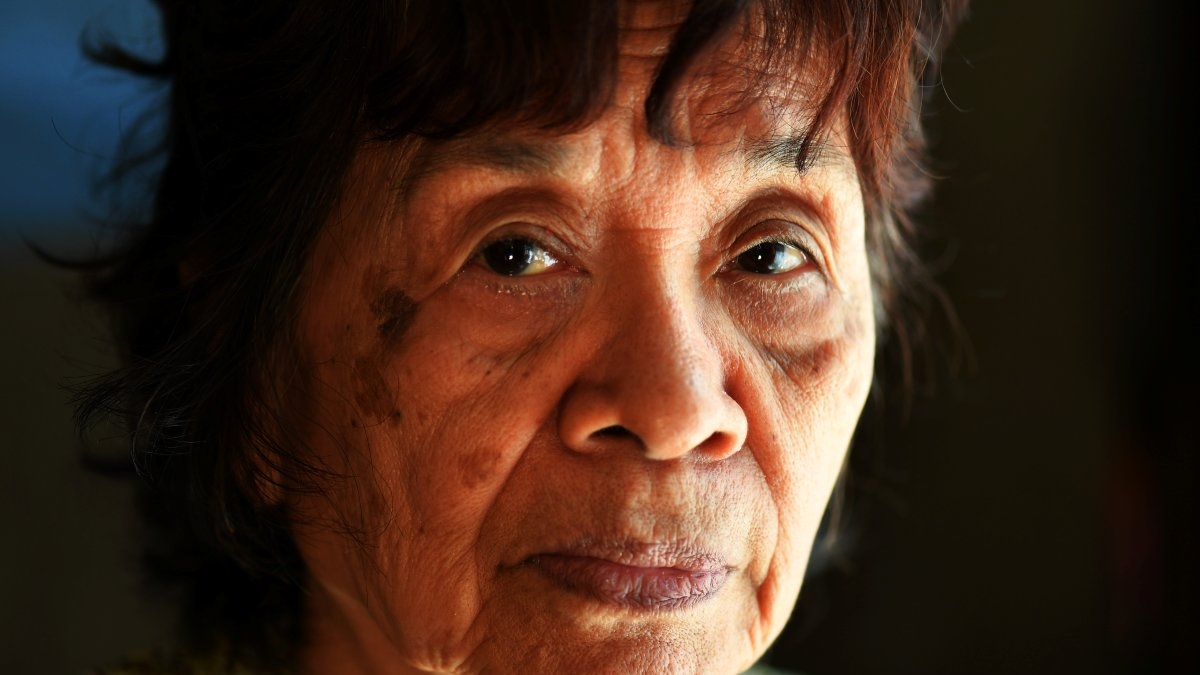
Moles form due to localized hyperplasia of melanocytes beneath the epidermis. Melanocytes often cluster together to form moles, also known as melanomas or pigment nevi. They produce a lot of melanin at the site of the melanoma, so moles are usually brown to black in color.
Most moles are benign and grow slowly, only 1-2 mm in size over 5-10 years. Some moles can develop into malignant tumors, called melanoma. Ultraviolet rays in sunlight cause a photochemical reaction that damages the DNA structure of cells, producing the pigment pyrimidine. This is the main cause of malignant tumors on the skin.



You have a mole on your face, but you haven't specified its size or color, so it's difficult to accurately assess whether it's cancerous. Warning signs that a benign mole could turn cancerous include rapid growth (larger than 6 mm) within a few months, irregular borders, rough surface, uneven color (darker than lighter), discharge, ulceration, etc.
According to the U.S. National Library of Medicine, approximately 10-25% of moles that develop into malignant tumors are located on the head and neck, areas frequently exposed to sunlight. The most common locations are the face (40-60%), scalp (14-49%), neck (20-29%), and ears (8-11%). People who frequently expose their backs to sunlight, and men who habitually go shirtless, also have an increased risk of skin cancer on their backs and chests.
Melanoma is a highly aggressive type of cancer that spreads rapidly and metastasizes to distant sites. If not detected and treated promptly, patients risk death within months. Skin cancer in the head and neck area generally has a poor prognosis, especially scalp cancer.
Melanin protects the skin from the harmful effects of ultraviolet rays in sunlight, preventing sunburn. White people lack melanocytes and therefore do not get tanned. However, they are very susceptible to sunburn and skin cancer if they are frequently exposed to sunlight. In contrast, people of color, such as those in Africa, have more melanocytes and therefore never get sunburned even with frequent sun exposure, but they are more prone to hyperpigmentation.



Dr. Dang Thi Ngoc Bich
Dermatology and Cosmetic Dermatology Department, Tam Anh General Hospital, Ho Chi Minh City
Readers can post their dermatological questions here for doctors to answer.
Source link