|
Photo: Carscoops . |
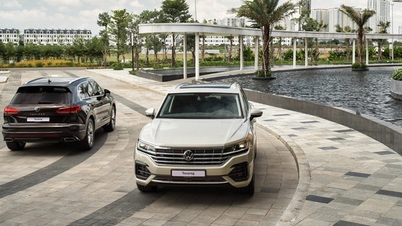
At its recent annual shareholders' meeting, Volkswagen Group announced the next phase of its comprehensive restructuring process, comprising eight core initiatives.
The first and most important initiative focuses on minimizing complexity in the product portfolio. Similar to Toyota's current streamlining strategy, the German conglomerate wants to produce fewer models and fewer variants. The goal is to concentrate resources on high-volume product lines, focusing on best-selling models rather than maintaining too many mid-selling models.
This streamlining makes it easier for customers to choose a vehicle, while also boosting sales for each model.
The second initiative was implemented as a natural consequence of the first step. Volkswagen planned to reduce the number of chassis platforms and electronic architectures shared among its member brands in order to lower costs, reduce research expenses, and accelerate the development of new vehicles.
In the third step, the group will address the issue of excess capacity at factories whose output no longer matches actual market demand. If the roadmap proceeds as planned, Volkswagen expects to achieve net savings of over €6 billion annually by 2030.


Although the company has not yet announced an official list of models that will be discontinued, some underperforming models have already begun to be phased out.
Audi recently discontinued production of two small car models, the A1 and Q2, while Volkswagen also discontinued the Touran minivan. By 2027, the T-Roc Cabriolet convertible will also officially disappear from the product lineup.
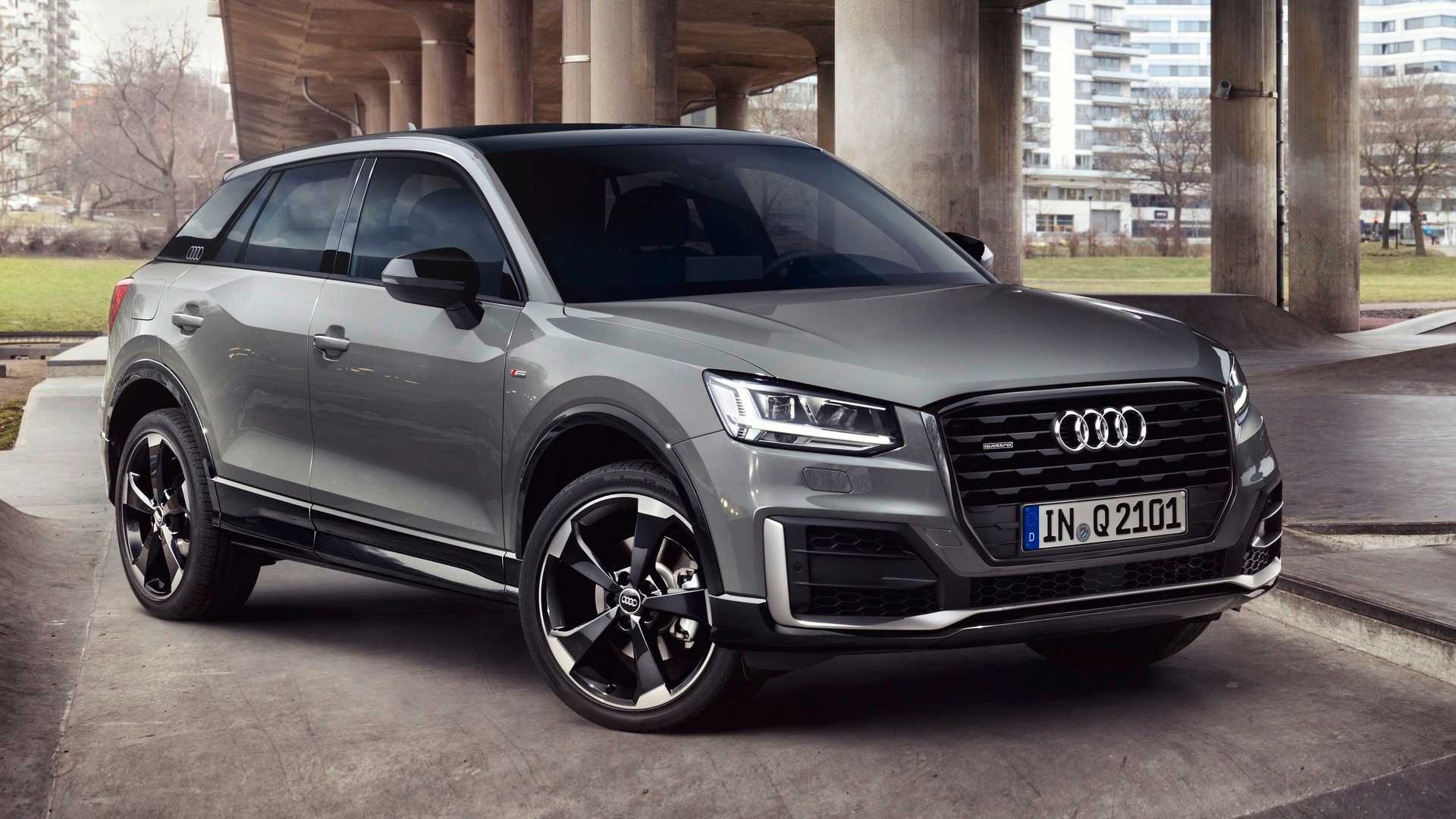 |
The Audi Q2 has been discontinued. Photo: Audi . |
However, streamlining the lineup doesn't mean Volkswagen will reduce its market aggressiveness. The company launched over 30 new models last year and plans for 2026 to introduce another 20. This year's wave of new products has already revealed some names including the ID Polo, Cupra Raval, Skoda Epiq, and Audi A6 Allroad.
In late 2026, the Audi A2 will officially return, positioned as an affordable all-electric vehicle, and the Skoda brand is also preparing to launch a 7-seater electric SUV called the Peaq.
CEO Oliver Blume acknowledged that the next few years will be decisive for the group's future. These drastic restructuring measures are expected to significantly reduce fixed costs and improve Volkswagen's net profit margins in the face of increasing global automotive competition. This is also not the first time Volkswagen has implemented sales reduction plans.
In 2025, operating costs at the company's German plants were reduced by more than 20%. By the end of 2030, approximately 50,000 jobs will be cut at Volkswagen, Audi, Porsche, and its software subsidiary CARIAD, with termination agreements already finalized for over 28,000 employees.



Source: https://znews.vn/volkswagen-lai-cat-giam-xe-post1661490.html