

 |
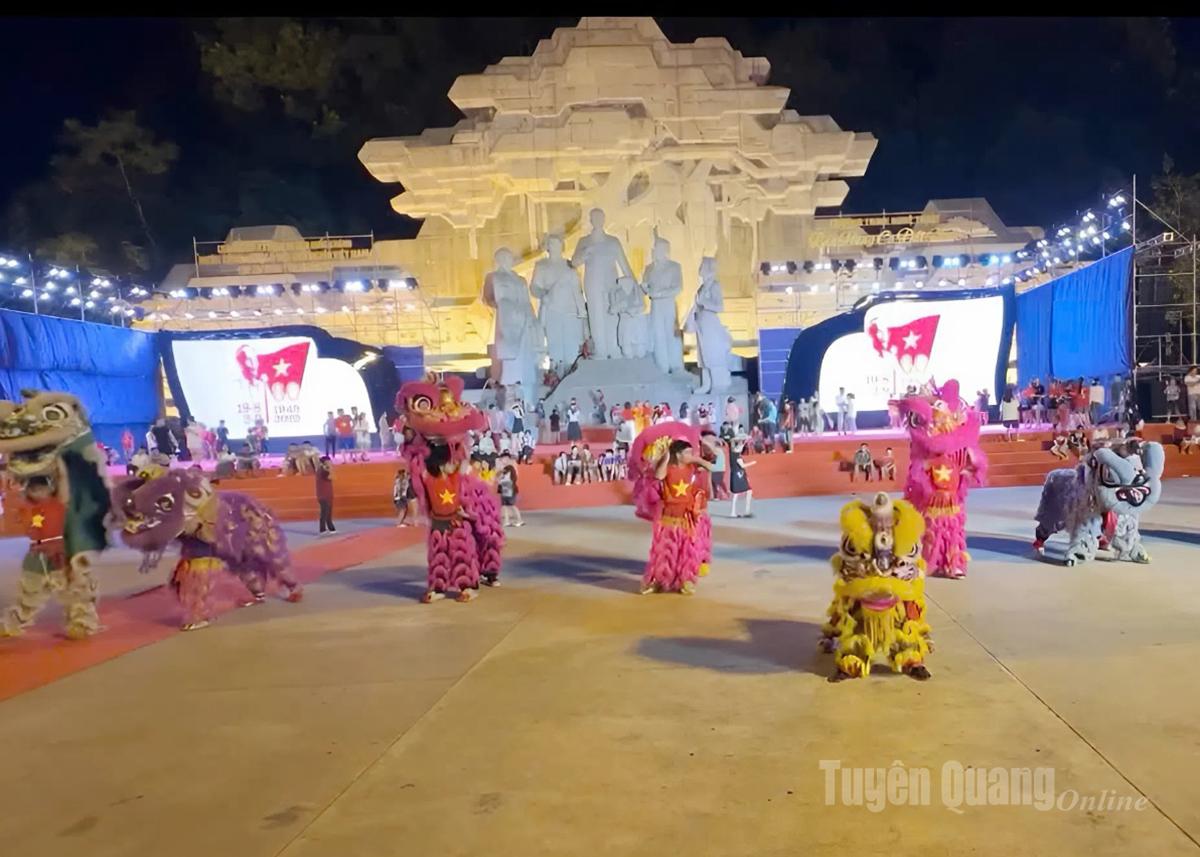
| Lion dance is an indispensable part of the Mid-Autumn Festival. |
Symbol of blessings
The tradition of lion dance originates from folk legends, in which the lion, a mythical creature in the Four Sacred Animals (Dragon, Lion, Turtle, Phoenix), symbolizes good fortune, prosperity, and peace . Legend says that during a full moon in the eighth lunar month, the villagers were terrified by a monstrous beast. Thanks to the sound of drums and gongs and the magical fan of a monk, the beast was driven away. Since then, the image of the gentle lion, led by the Earth God, has become a symbol of peace and happiness for the people and is especially performed during the Mid-Autumn Festival.
According to folklore researcher Tong Dai Hong, in East Asian beliefs, the lion is one of the "Four Sacred Animals," embodying good fortune and compassion, signifying wealth and luck for everyone; lion dance is also proof of the enduring vitality of a folk art form, adapting flexibly to modern life. With its symbolic meaning of blessings, lion dance is not only a special dance during the full moon season but also appears at festivals, holidays, store openings, cultural events, and even on international stages.
To perform the lion dance, many props must be prepared, from the brightly colored lion figure, the cheerful-faced Ông Địa (Earth God) with his benevolent palm-leaf fan, to the accompaniment of drums, gongs, and cymbals. The drums set the main rhythm, while the cymbals and cymbals add accents, blending into a vibrant symphony. This sound fills the streets, amplifies the joy of children during the festival, acts as a unifying force for the community, helps ward off evil, and invites blessings. For Vietnamese children, the lion dance has become an indispensable spiritual gift during the Mid-Autumn Festival.
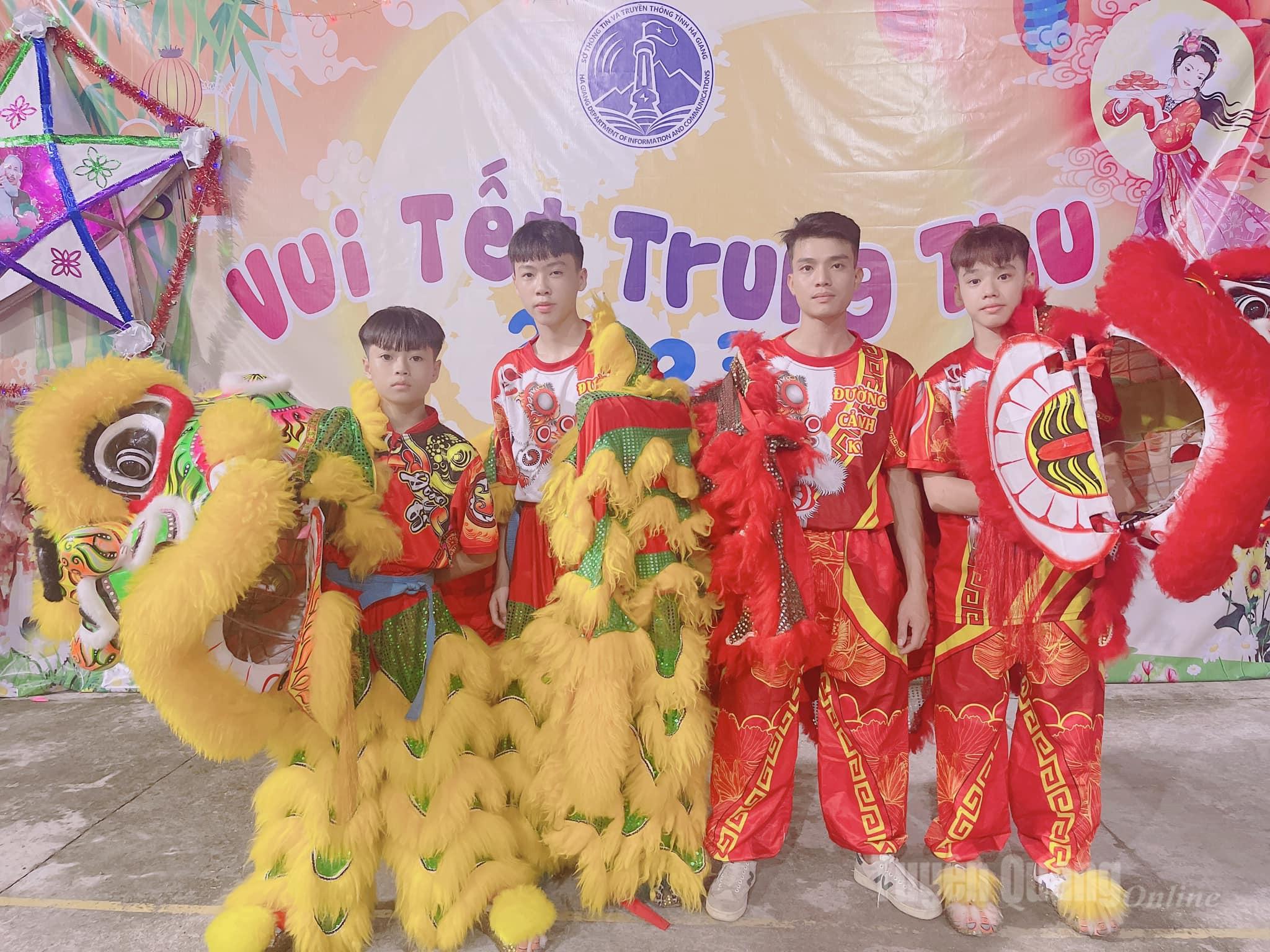 |
| Child artists from the Duong Canh Ky Lion and Dragon Dance Troupe ( Ha Giang 2 Ward). |
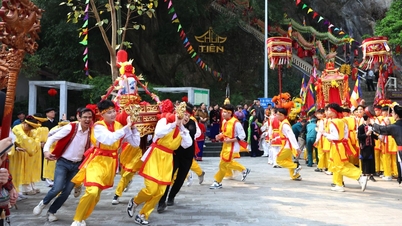
These days, throughout the streets of Tuyen Quang , amidst the festive atmosphere of the Mid-Autumn Festival, the lively lion dance resounds. Along with the Duong Canh Ky Lion and Dragon Dance Troupe from Ha Giang 2 ward performing at the 26/3 Square, the bustling and joyful atmosphere is evident on the faces of the children. This performing arts troupe currently has over 20 members, aged 13-17. Mr. Dang Phi Canh, the troupe's leader, shared: “The troupe was established in 2010 and has performed in many places within the province and neighboring provinces. To date, more than 50 agencies, units, schools, and residential areas in the province have invited the troupe to perform lion dances during this year's Mid-Autumn Festival. On weekends, the troupe performs at 26/3 Square, giving children the opportunity to enjoy captivating lion dances, adding joy, motivation, and good luck wishes, helping them to be more confident and study better.”
Creativity in performance
Over time, modern lion dance has evolved with many unique innovations to be more appealing to audiences. Besides traditional movements like leg hooks and climbing onto thighs, many lion dance troupes today incorporate effects such as fire-breathing, using LED lights in costumes to create eye-catching lighting effects, fireworks, or complex pole climbing and acrobatic techniques, creating visually stunning performances. Lion dancers need a strong foundation of health and dexterity to perform high jumps, spins, and complex movements.
To vividly portray the image of the lion dance, the dancers must seamlessly coordinate movements such as gliding steps, shaking their heads, and bending their bodies flexibly. In addition, they must perform acrobatic maneuvers, ladder jumps, and even perform on high iron scaffolding, requiring excellent balance and muscular strength. Especially for seasoned lion dancers, the performances on these high iron poles elevate the art of lion dancing from a folk performance to a martial arts and circus act, demanding skill, strength, and absolute teamwork.
Most provinces and cities have clubs, art troupes, or groups that perform lion dance. This not only helps children improve their health and teamwork skills, but also fosters a love for traditional culture. Mr. Dang Phi Canh further shared: "To perform lion dance well, the children must all have good health and undergo diligent and persistent training, especially when performing difficult, dangerous movements that require high precision."
In every lion dance performance, unity and close coordination among members are crucial to success. Each team member must not only master their individual skills but also understand and react well to others, especially when performing group movements such as formation dances and circle dances. The sound from the drums and other instruments must be synchronized with the rhythm of the dancers, creating harmony between sound and movement. The lion dancers must dedicate themselves completely and pour their hearts into each movement. Every expression and gesture aims to convey the spirit of the lion, a symbol of good fortune and peace.
Furthermore, to create diversity and appeal, each lion head is meticulously crafted with many exquisite details, from the horns, eyes, and beard to the body embroidered with eye-catching patterns. The diversity in style and color not only creates artistic beauty but also reflects the unique characteristics of each school and region. This diversity creates a rich artistic tableau, attracting viewers with unique and novel performances.
Tue Nhi
Source: https://baotuyenquang.com.vn/van-hoa/202509/vu-dieu-mua-trang-9d00b25/





































Comment (0)