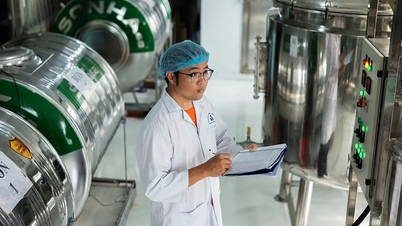
From low-yield rice fields, the people of Yen Tri have switched to growing medicinal plants and processing them into herbal extracts, which have been well received by the market.
Change through a new mindset
After the merger, Yen Tri became the area with the largest agricultural land area in the former Yen Thuy district. It is also undergoing a strong transformation in production restructuring, as people proactively abandon old ways of thinking, the government provides support through practical policies, and the effectiveness of this transformation is already evident in the lives of farmers.
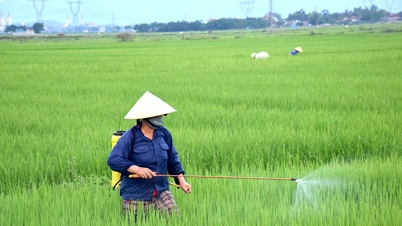
In the high-lying, water-scarce areas of Á Đồng, Minh Thành, Tân Thành, etc., rice production is particularly challenging. In recent years, people have gradually replaced rice, once the main crop, with higher - value crops such as black sesame, milk thistle, vegetables, and winter chili peppers. Some households have proactively used plastic sheeting, built greenhouses, and installed drip irrigation systems to cultivate safe vegetables or valuable medicinal herbs.
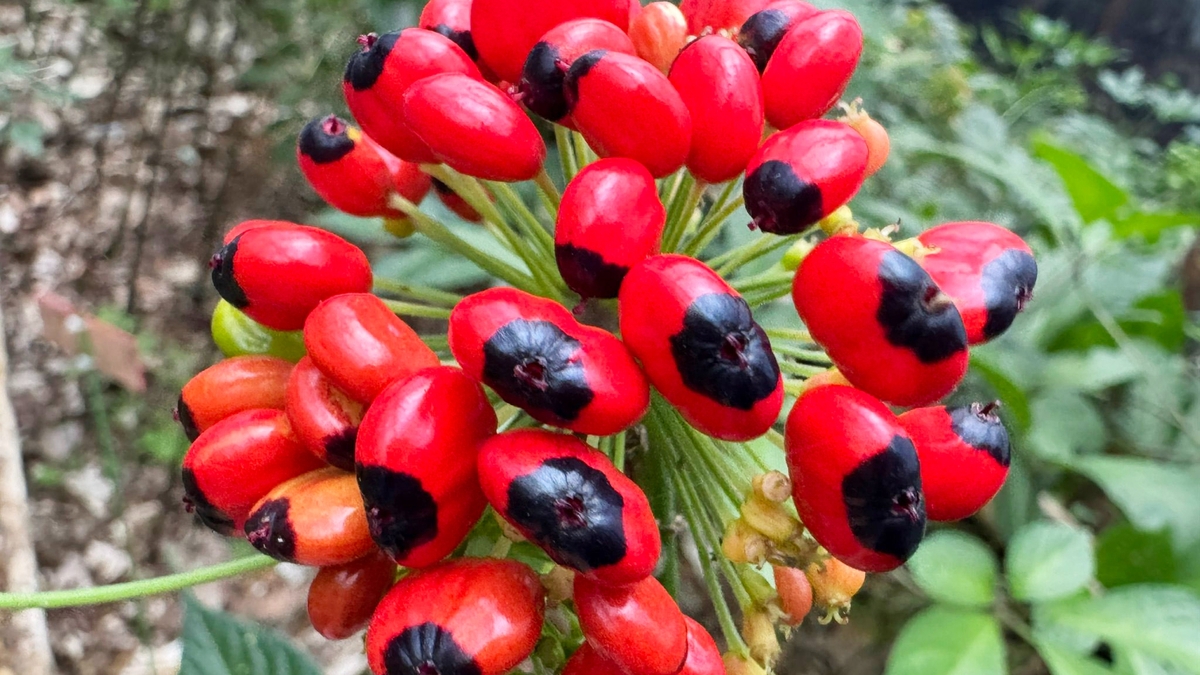
One of the highlights of this "green transformation" is the Yen Tri Agricultural Cooperative, where more than 40 households have collaborated to produce and cultivate black sesame using organic methods. From a few hectares of experimental cultivation, the area of medicinal herb cultivation has now expanded to over 35 hectares. The medicinal herb does not require elaborate care but provides a stable income, 2-3 times higher than rice cultivation. Moreover, thanks to the support of the government and businesses, the cooperative's black sesame extract product has received OCOP 3-star certification, has its own brand, and is expanding its market.
In Ho 1 hamlet, the precarious rice paddies have been converted into vegetable and fruit growing areas. Meanwhile, in Doan Ket, people have switched from rice paddies to growing chili peppers in the winter. In some seasons, chili peppers fetch good prices, and many households have to hire extra laborers to keep up with the harvest. Other groups of households are utilizing the forest area to raise natural honeybees, developing an OCOP product – “Dai Loi Honey”...
The transformation in crop structure is not limited to individual models. The entire Yen Tri commune, with the advantage of being a newly formed administrative unit from four communes with long-standing agricultural traditions, has quickly reoriented its production planning after the merger. Previously low-lying, infertile land has been reassessed and its use adjusted flexibly, reducing the area of inefficient rice cultivation and increasing the cultivation of cash crops, fruit trees, and medicinal plants.
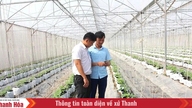
In just the first six months of 2025, the commune converted nearly 160 hectares of rice land to commercial crops, including more than 70 hectares of medicinal plants. Small-scale specialized farming areas have been established in Á Đồng, Minh Thành, Đại Đồng, Tân Thành, etc. The rate of application of mechanization, water-saving irrigation, and new farming techniques is increasing.

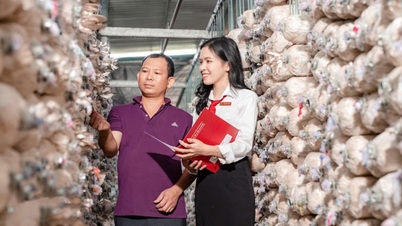
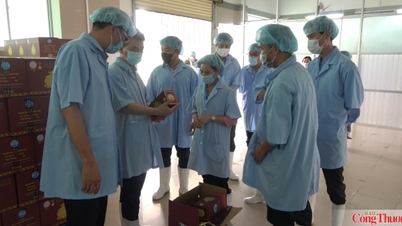
Locals are processing the Black Galingale plant – the raw material for producing OCOP-certified herbal extracts.
Green fields, bright hope
The initial economic benefits have been clearly demonstrated through increased productivity and product value compared to previous rice cultivation, with the conversion models yielding 1.5 to 3 times higher income. Some models of medicinal plants and vegetables have generated profits of 120-150 million VND/ha/year.
Currently, the entire commune has nearly 30 hectares of Dien pomelo orchards that meet VietGAP standards, organized and managed by the Dai Dong Agricultural Cooperative. Dai Dong Dien pomelos not only have packaging and traceability labels but are also officially exported to the UK market through a partner enterprise. Income from pomelo cultivation is stable at 200-300 million VND/hectare/year, contributing to raising the average income of rural residents in Yen Tri to nearly 52 million VND/year, higher than the district average.
Not only crops, but also livestock and aquaculture sectors are experiencing positive changes. Models of raising free-range chickens, natural honeybees, and small-scale cage fish farming are expanding.
According to Comrade Bui Huyen, Chairman of the People's Committee of Yen Tri Commune: "Today's results are proof that the commune has seriously implemented major policies such as Resolution 05/2018 of the People's Council of Yen Thuy District (formerly) and most recently Decision 2610 of the People's Committee of Hoa Binh Province, now Phu Tho Province, on crop conversion on rice land. The shift from spontaneous production to commodity production has become a practical and long-term choice for the people."
If the Resolution is the "clear track," then the way the local government operates is the train heading in the right direction. After the merger, the localities within Yen Tri commune proactively reviewed land resources, classified conversion areas, coordinated with consulting units, organized technical training for people, and guided conversions to suit local conditions. At the same time, the government acted as a bridge to bring cooperatives and businesses in to guarantee product sales. "When people saw a market for their products, they confidently converted," shared Comrade Bui Huyen.

The achievements in Yen Tri today are not due to luck; they are the result of a well-planned process – from sound policies to effective methods and a determined shift in production mindset. This journey, of course, is far from over. But from this beginning, through the synergy between resolutions and actions, between officials and the people, we can believe that Yen Tri will continue to write new chapters of success, not only greening the fields but also igniting hope.
Nguyen Yen
Source: https://baophutho.vn/vu-moi-o-yen-tri-237621.htm