

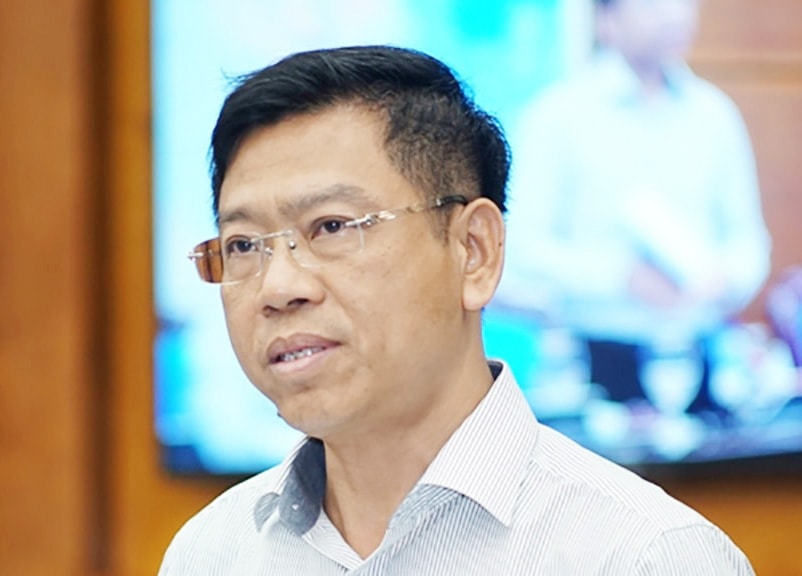
- Sir, in the year 2025 that has just passed, what milestones has the maritime industry achieved in its role as a driving force in promoting Vietnam's economic integration with the world?
It can be said that the maritime industry has played and continues to play a crucial role in contributing to the economic development and the country's deep integration with the region and the world .
Vietnam's port system currently has established 32 shipping routes, including 25 international and 7 domestic routes. In addition to intra-Asia routes, the North has two routes to North America; the South has 16 long-haul routes to North America and Europe, a significant advantage in Southeast Asia.
Currently, Vietnam's seaport system handles over 90% of Vietnam's import and export cargo volume. By 2025, the total cargo volume handled by the seaport system is projected to reach 1,172 million tons, a 12% increase compared to the same period in 2024. Of this, container cargo volume is expected to reach 34.36 million TEUs, an 11% increase year-on-year; and passenger traffic through seaports and inland waterways is projected to reach 9.29 million passengers in 2025. Cargo and passenger transport through the seaport system is expected to experience high growth; in particular, container cargo volume is projected to grow impressively at double-digit rates.
- In your opinion, what were the driving forces behind the maritime industry achieving such impressive figures?
- First and foremost, we must mention the timely implementation of the organization and approval of seaport planning. Immediately after the Planning Law was promulgated by the National Assembly, the Ministry of Construction promptly organized the preparation and submission for approval of five national sectoral plans covering road, maritime, inland waterway, aviation, and railway sectors.
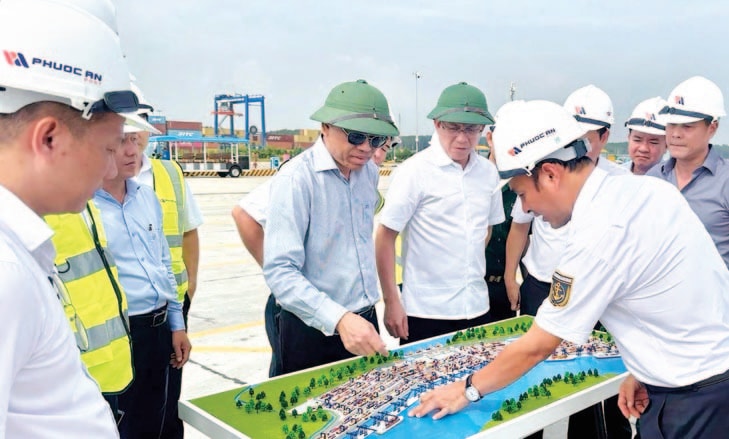
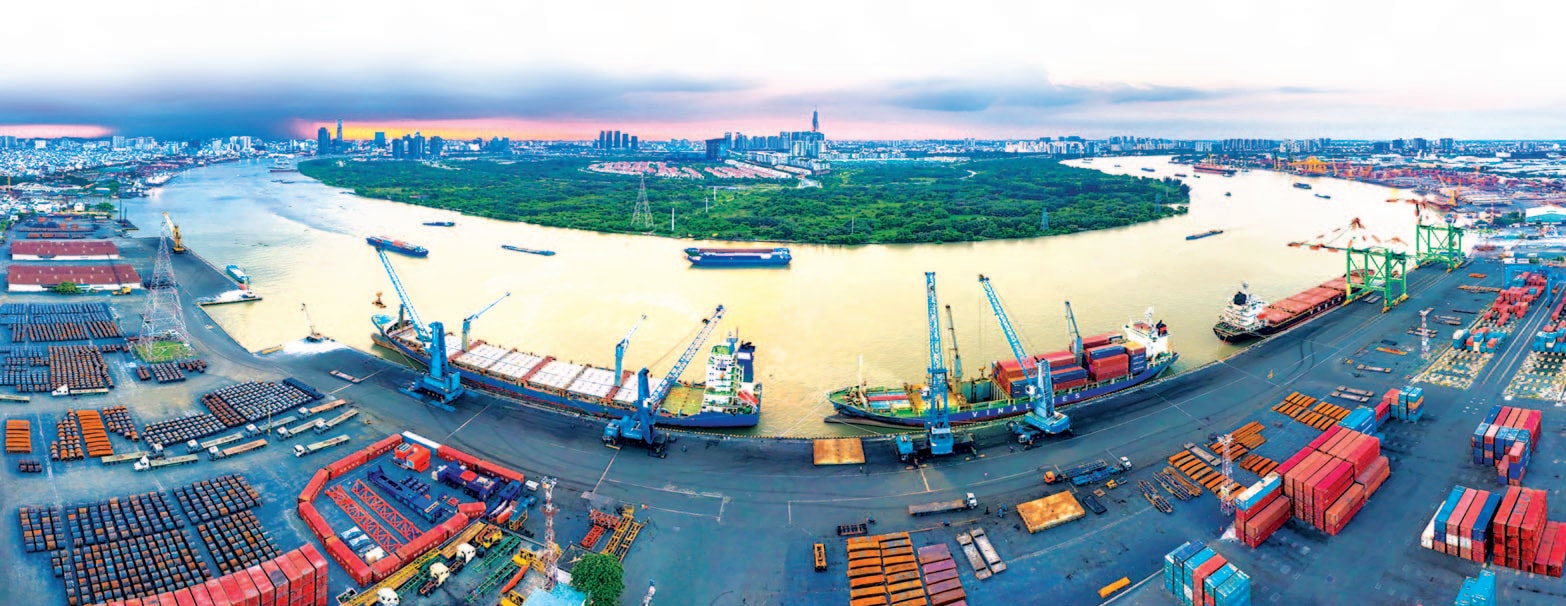
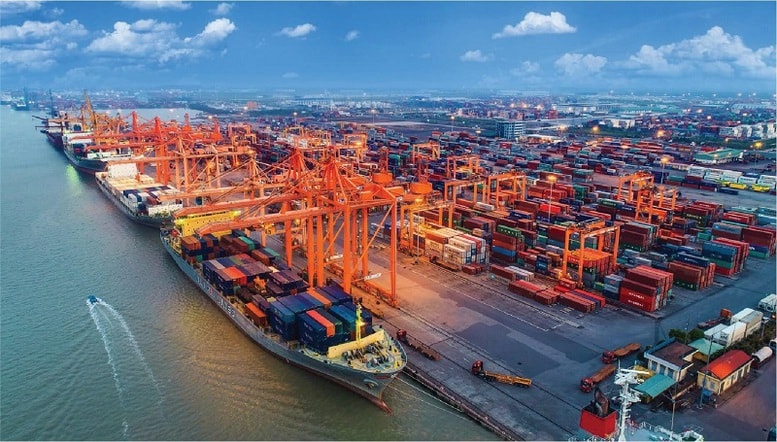
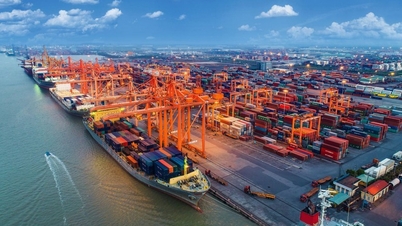
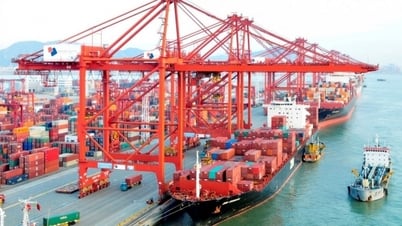
In addition, there has been significant and remarkable investment in the development of maritime infrastructure. To date, the country has 306 ports with a total length of approximately 110km of wharves, with a total capacity of approximately 1,250 million tons. This includes the establishment of international gateway ports combined with transshipment in the North (Lach Huyen) and South (Cai Mep); successfully receiving the world's largest container ship, up to 232,000 tons, at Cai Mep (Ho Chi Minh City); specialized berths capable of receiving ships up to 200,000 tons, liquid cargo up to 150,000 tons, and crude oil up to 320,000 tons; the synchronized operation of maritime channels, lighthouses, and coastal information stations, basically meeting the needs of state management in port areas; the domestic transport fleet has developed in depth and with a rational structure; and 32 transport routes have been established. During the period 2011-2024, total capital from the state budget and mobilized from businesses reached approximately 230 trillion VND, accounting for about 20% of the total investment in transportation infrastructure. In addition, the policy allowing the application of solutions to efficiently utilize existing seaport infrastructure has attracted large-tonnage vessels to safely handle cargo at ports, boosting the volume of goods passing through Vietnam's seaport system to high growth in recent years.
This is coupled with the timely intervention of state management agencies in creating a favorable legal framework. To date, 100% of administrative procedures are received at the One-Stop Service Center of the Vietnam Maritime and Inland Waterways Administration through the Ministry of Construction's electronic one-stop information system.
The maritime sector has also accelerated the application of digital transformation and information technology. Specifically, the Vietnam Maritime Administration has provided full and partial online public services on the National Public Service Portal; expanded the software for registering seagoing vessels and managing crew members; and built a database of operators and inland waterway vessels as part of the project to build an integrated management information system to support the digital transformation of the Vietnam Maritime Administration.
Simultaneously, the maritime sector has strengthened international cooperation. Specifically, by the end of 2025, Vietnam participated in the 34th General Assembly of the International Maritime Organization (IMO), opening up opportunities for cooperation in port operation, investment development, and the opening and exploitation of long-distance shipping routes, gradually forming a strong logistics ecosystem. Investors, shipowners, and cargo owners, both domestic and foreign, have the opportunity to cooperate and learn from each other's experiences to develop together in a " win-win " manner, with mutual benefit. Port businesses invest in modern infrastructure to attract shipowners to open routes, optimize schedules, and reduce costs, thereby benefiting cargo owners from a convenient, efficient, and cost-effective supply chain.
- Sir, on the eve of the Lunar New Year 2026 (Year of the Horse), what solutions should be focused on to enable the maritime industry to continue venturing out into the open sea and achieve even greater success?
- Entering the new year of the Horse 2026, amidst the continuing unpredictable geopolitical changes in the world and the restructuring of global supply chains, Vietnam's maritime industry faces challenges. In light of this situation, the Ministry of Construction has identified several key solutions and policies: Firstly , continuing to improve the institutional framework and legal policies on maritime affairs in a way that is synchronized, modern, and consistent with international regulations. Secondly, focusing investment on developing strategic and key seaports and maritime infrastructure, addressing infrastructure bottlenecks. This includes prioritizing investment in upgrading and expanding important maritime channels; prioritizing investment in the development of gateway ports, international transshipment ports, and ports for large-tonnage vessels, linked to modern logistics systems; and effectively connecting with road, rail, and inland waterway transport. Thirdly, further promoting digital transformation and green transformation. The Ministry of Construction will continue to direct the stronger implementation of digital technology applications in port management, transport operations, electronic procedures, and the one-stop shop system. Fourth, continue to improve the capacity and quality of Vietnam's maritime fleet with a rational structure, younger vessels, ensuring compliance with the orientation and gradually achieving the goals set out in the Project on the Development of Vietnam's Maritime Fleet towards specialization and modernization, gradually increasing the market share of international maritime transport, and reducing dependence on foreign fleets. Fifth , develop high-quality, highly skilled maritime human resources linked to innovation as a basis for sustainable development of the industry; continue to innovate the training and education of seafarers and management staff to meet the requirements of international integration and adapt to new technological trends and digital transformation.
Thank you, sir!
Source: https://daibieunhandan.vn/vung-vang-vuot-song-vuon-xa-10406861.html




![[Photo] “Red Journey” 2026: Vietnamese Youth Continue Building the Bridge of Friendship Between Vietnam and China](https://vphoto.vietnam.vn/thumb/1200x675/vietnam/resource/IMAGE/2026/04/20/1776629730866_4055880775670638308-9618-4200-jpg.webp)












































































Comment (0)