


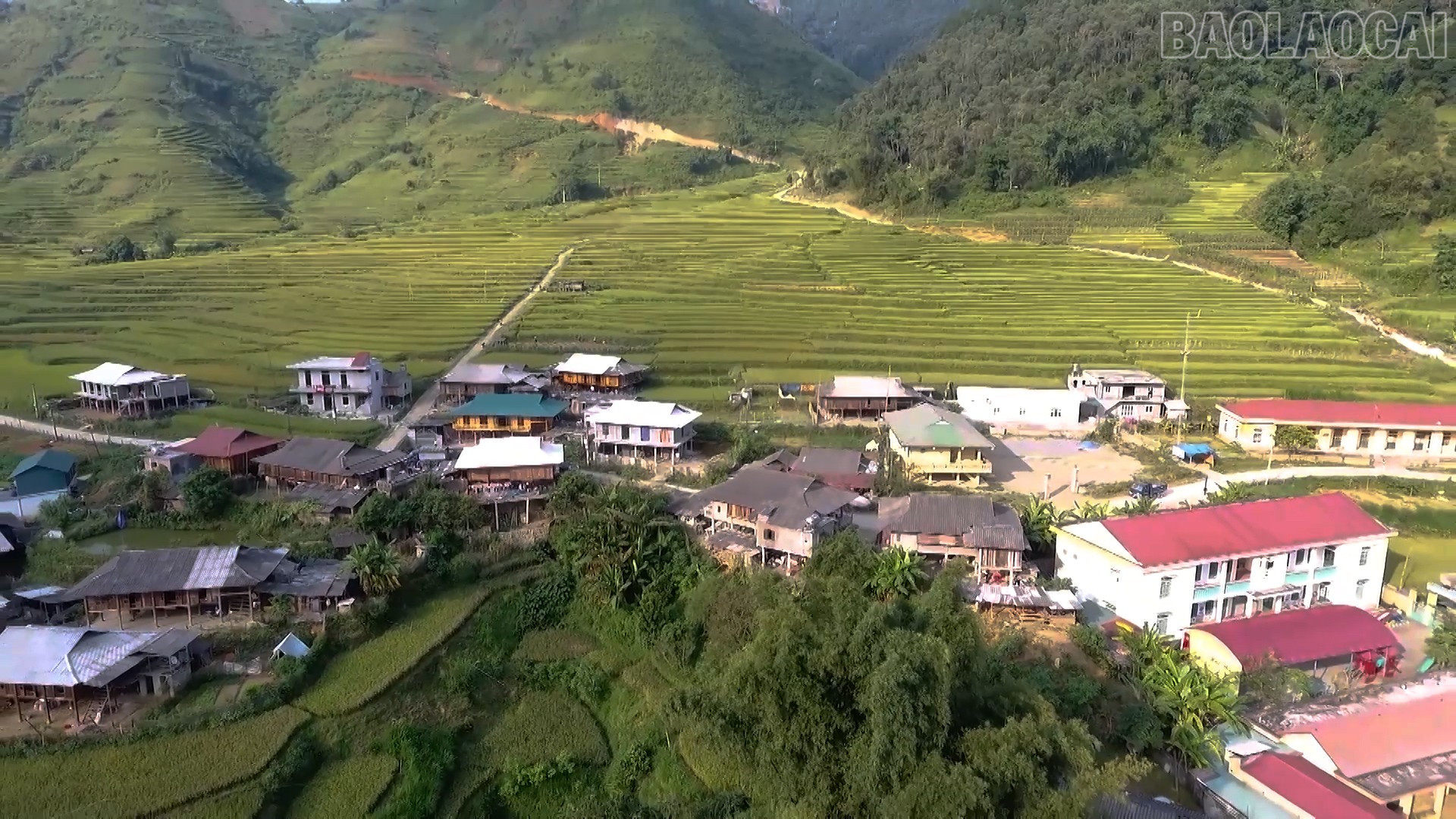
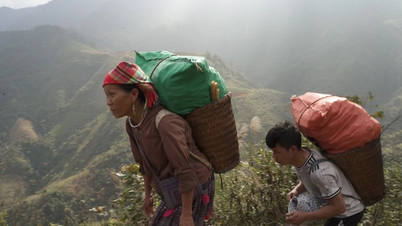
In many mountainous communes, gender stereotypes, the ideology of "preferring sons over daughters," the custom of child marriage, and having many children were once "shackles" that hindered the role and status of women. However, with willpower, aspirations for advancement, and the support of the government and organizations, more and more women in mountainous areas are boldly overcoming these barriers, gradually asserting themselves in their families and society, and making positive contributions to local development.
In the past, in many highland villages, women often had little say in the family. Girls' education was not valued, and many had to drop out of school early to get married and have children. Life revolving around farming made it difficult for women to access new knowledge and skills, limiting their opportunities to participate in social activities.

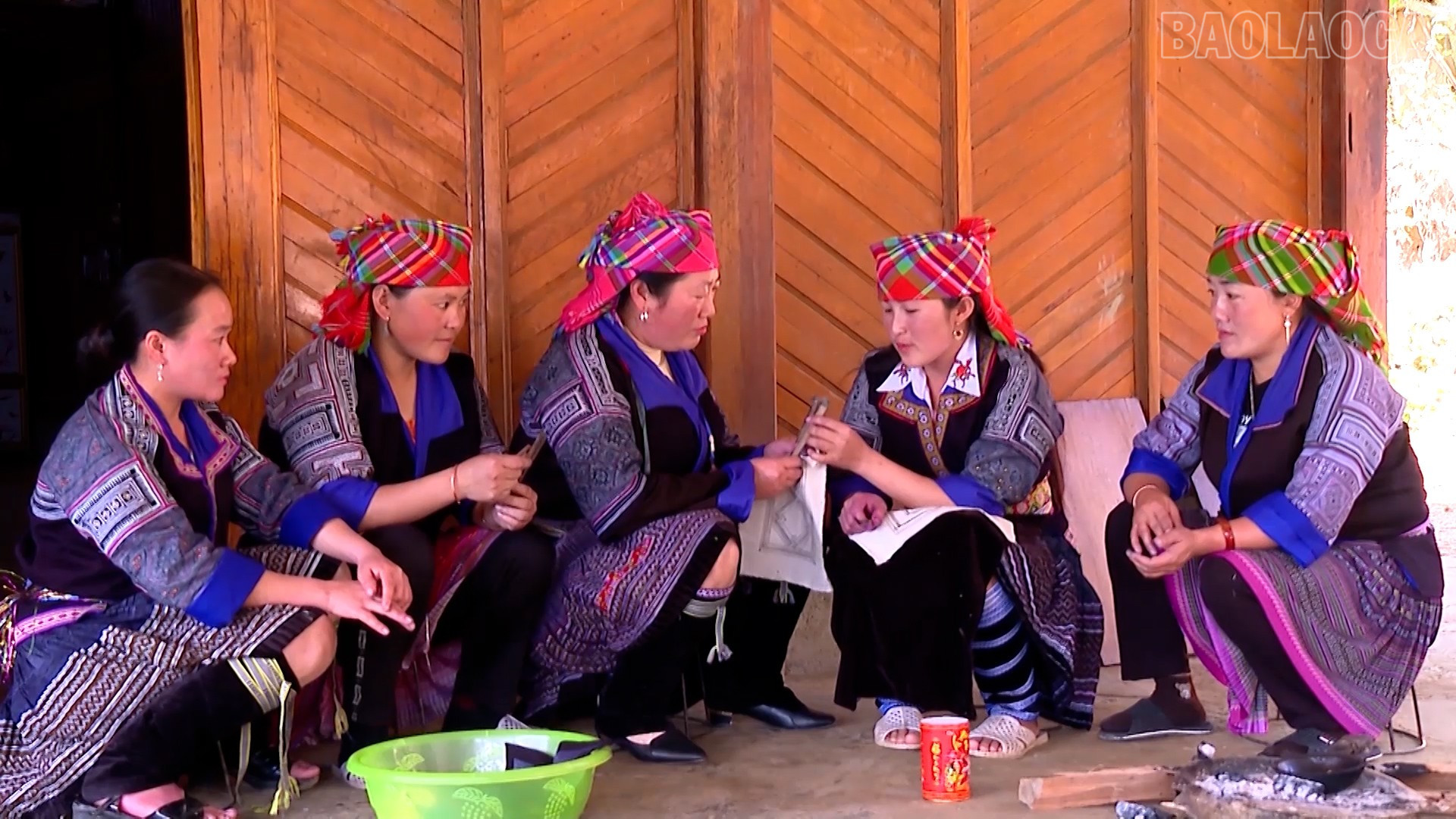
However, in recent years, along with changes in awareness and policies supporting ethnic minority communities, many women have no longer resigned themselves to their fate. They proactively study, participate in training courses, boldly develop their economy , and gradually break free from the notion that "women only know how to do housework." These changes, though quiet, are persistent and have created a clear ripple effect.
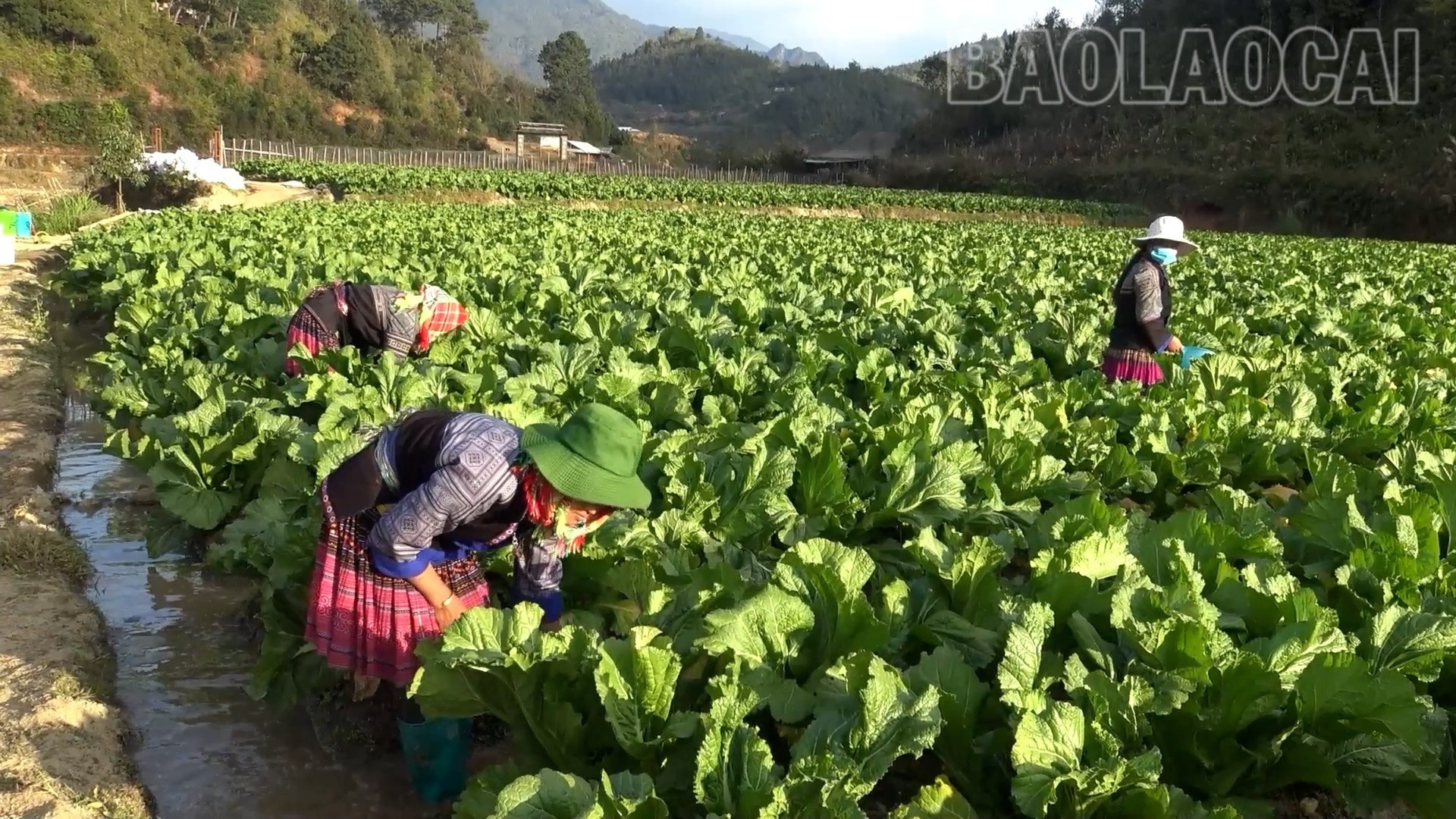
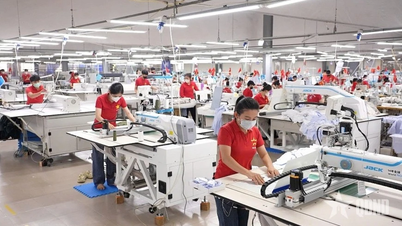
One prime example is Ms. Giang Thi Lang from Ban Cong village, Hanh Phuc commune. Having been a poor household for many years, and having a traditional clothing tailoring trade, in 2023, encouraged by the Women's Union of the commune, she boldly borrowed capital from the Social Policy Bank to open a traditional clothing tailoring business to serve the local community. Thanks to her diligence and hard work, the business has brought a stable income to her family.
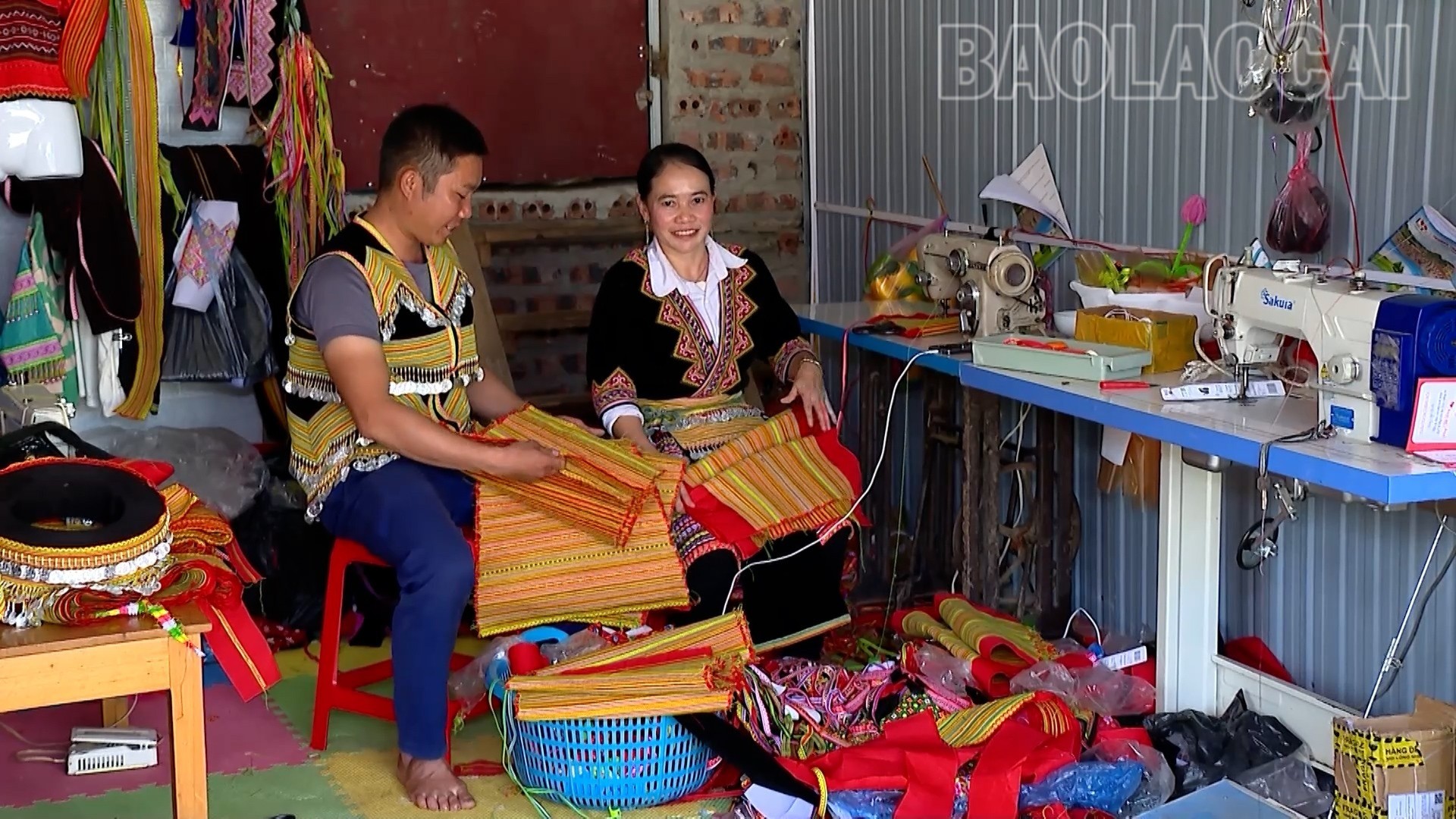
"I realized I had to change, otherwise I would remain poor forever. Since this profession brings economic benefits, my family will continue to strive for it," Ms. Lang shared.
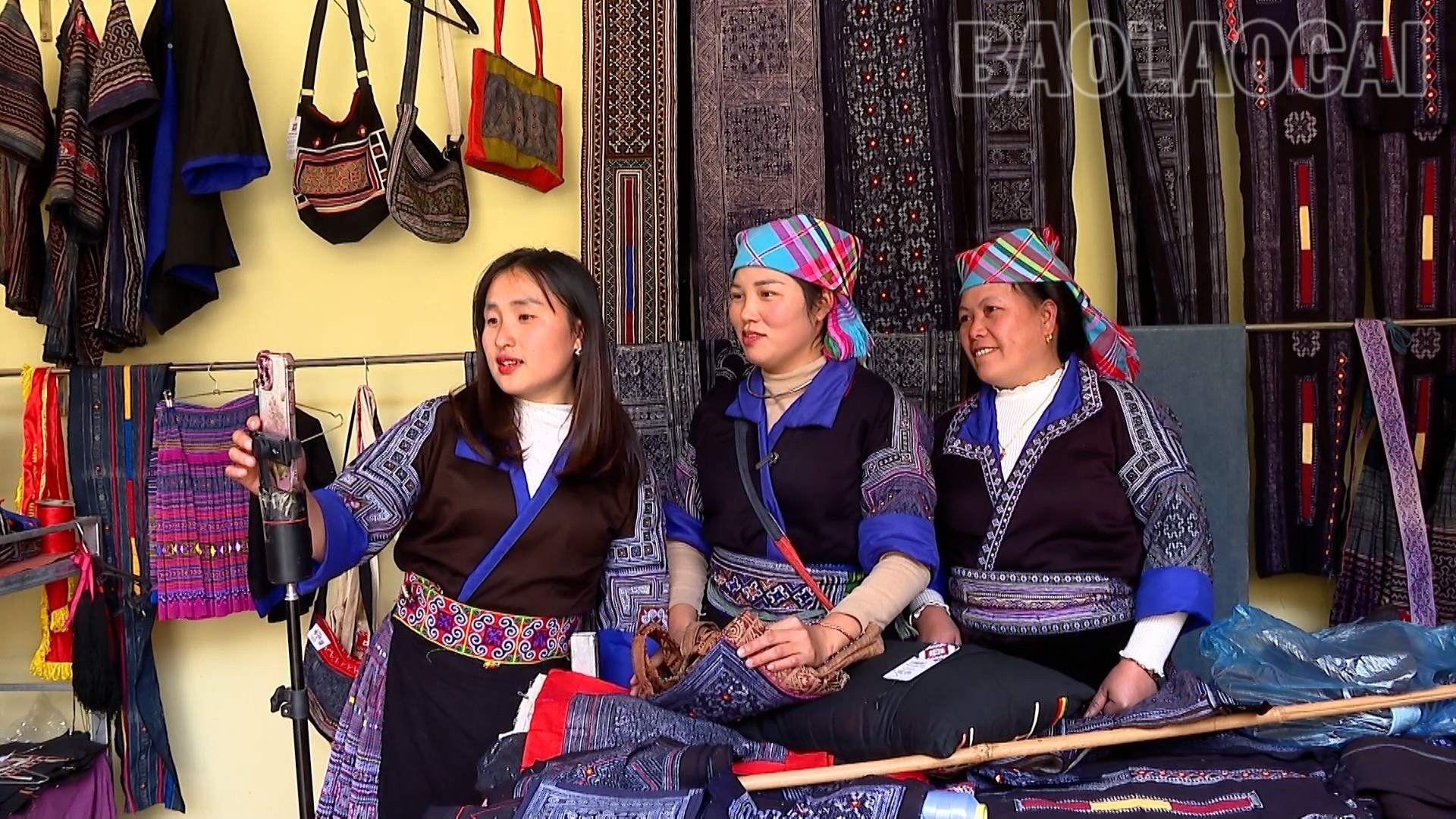
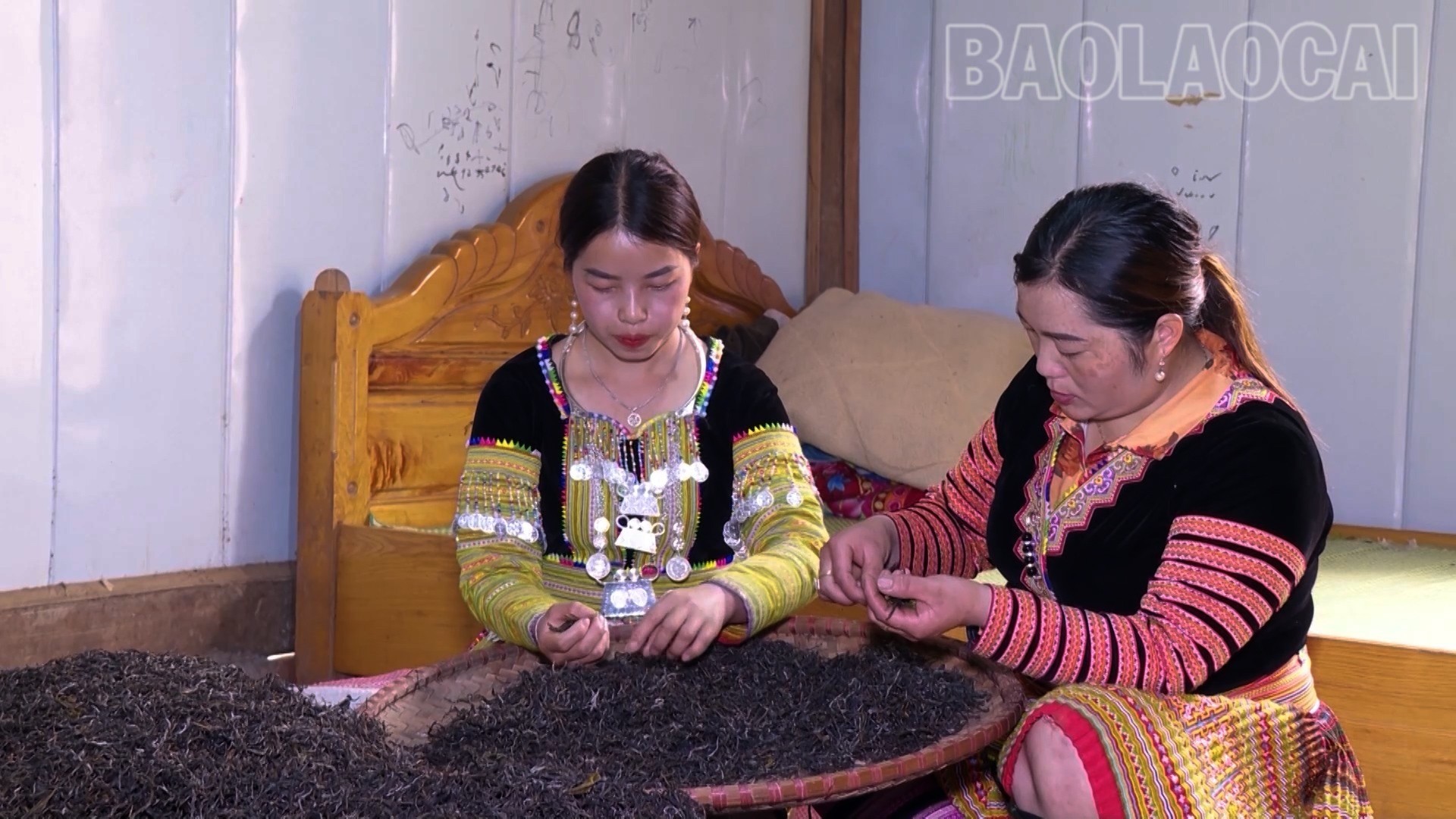
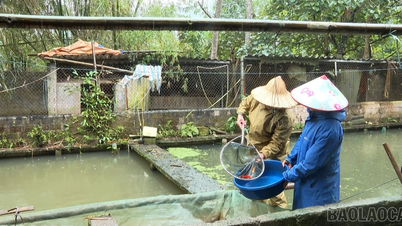
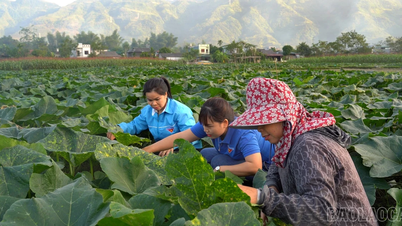
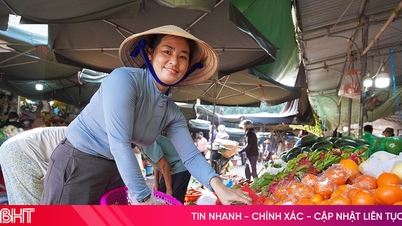
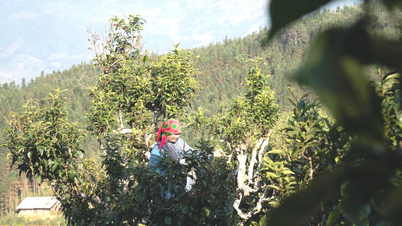
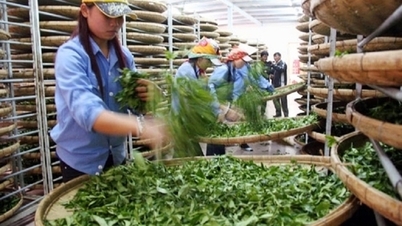
Beyond participating in household economic development, women in mountainous regions are increasingly asserting their pivotal role in agricultural production cooperatives, handicraft production, and community tourism. Many models of tea cultivation, beekeeping, livestock farming, and tourism run by women have brought stable incomes, contributing to improving the lives of the people.
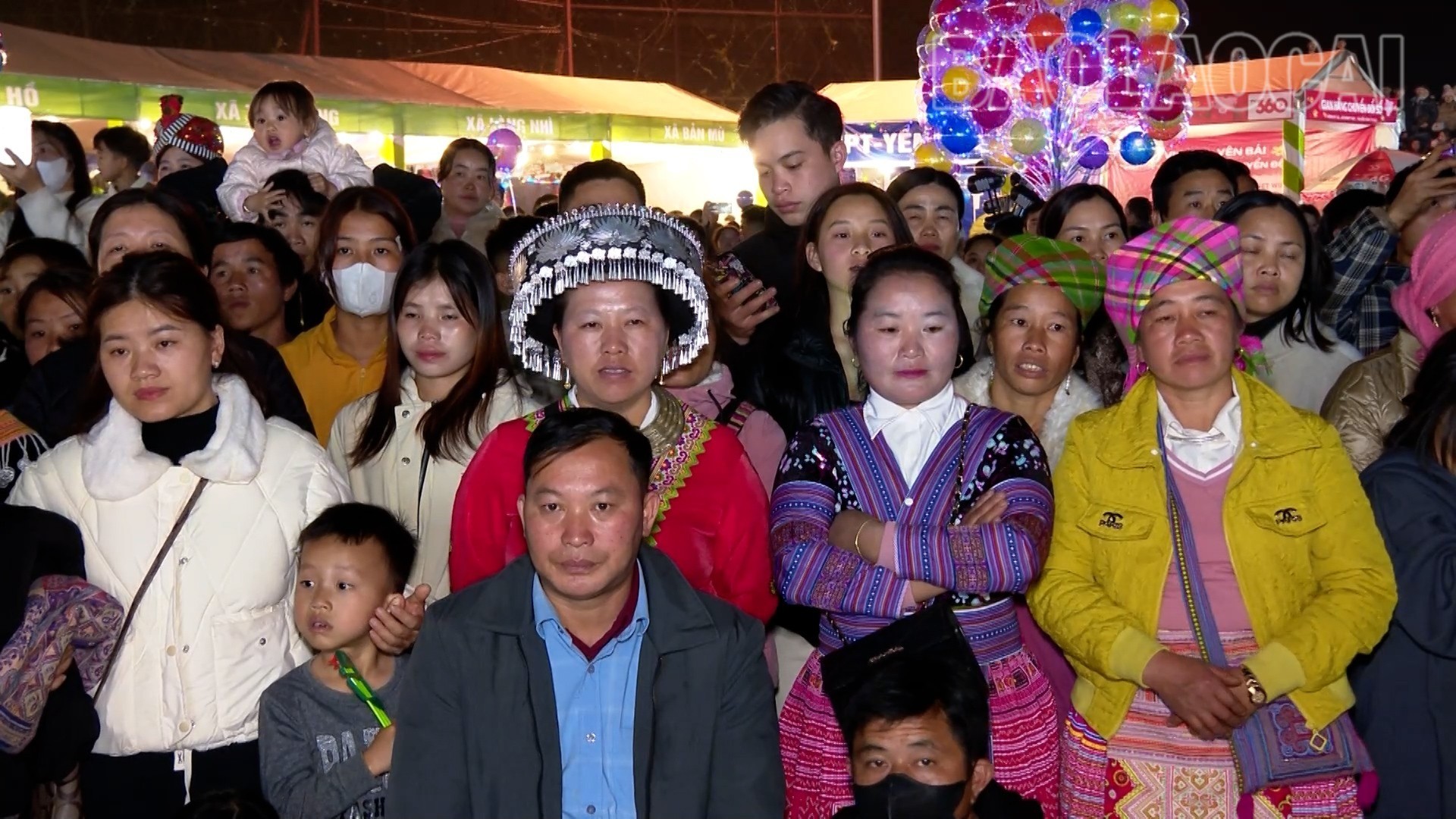
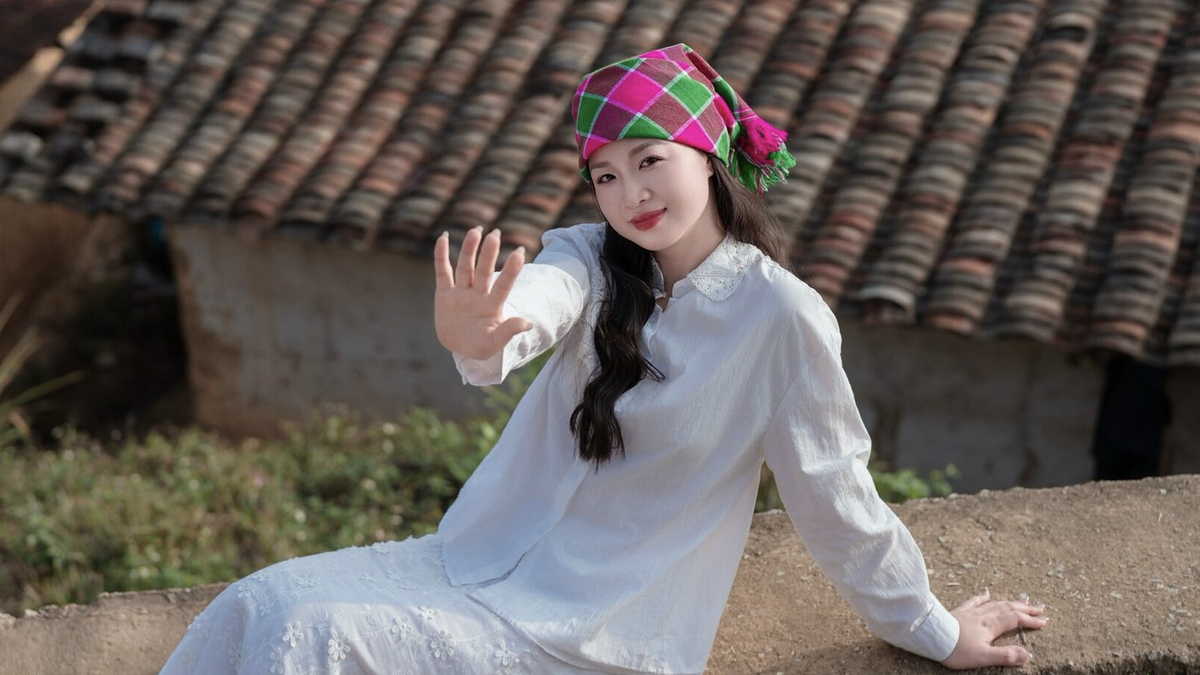
Ms. Ho Thi Bla, from Mang Mu village, Mu Cang Chai commune, is one example. Recognizing the local tourism potential, after convincing her family, she became a tour guide. With her ability to communicate in Vietnamese and English, along with her knowledge of Hmong culture, she gradually gained the affection of tourists and earned a stable income.
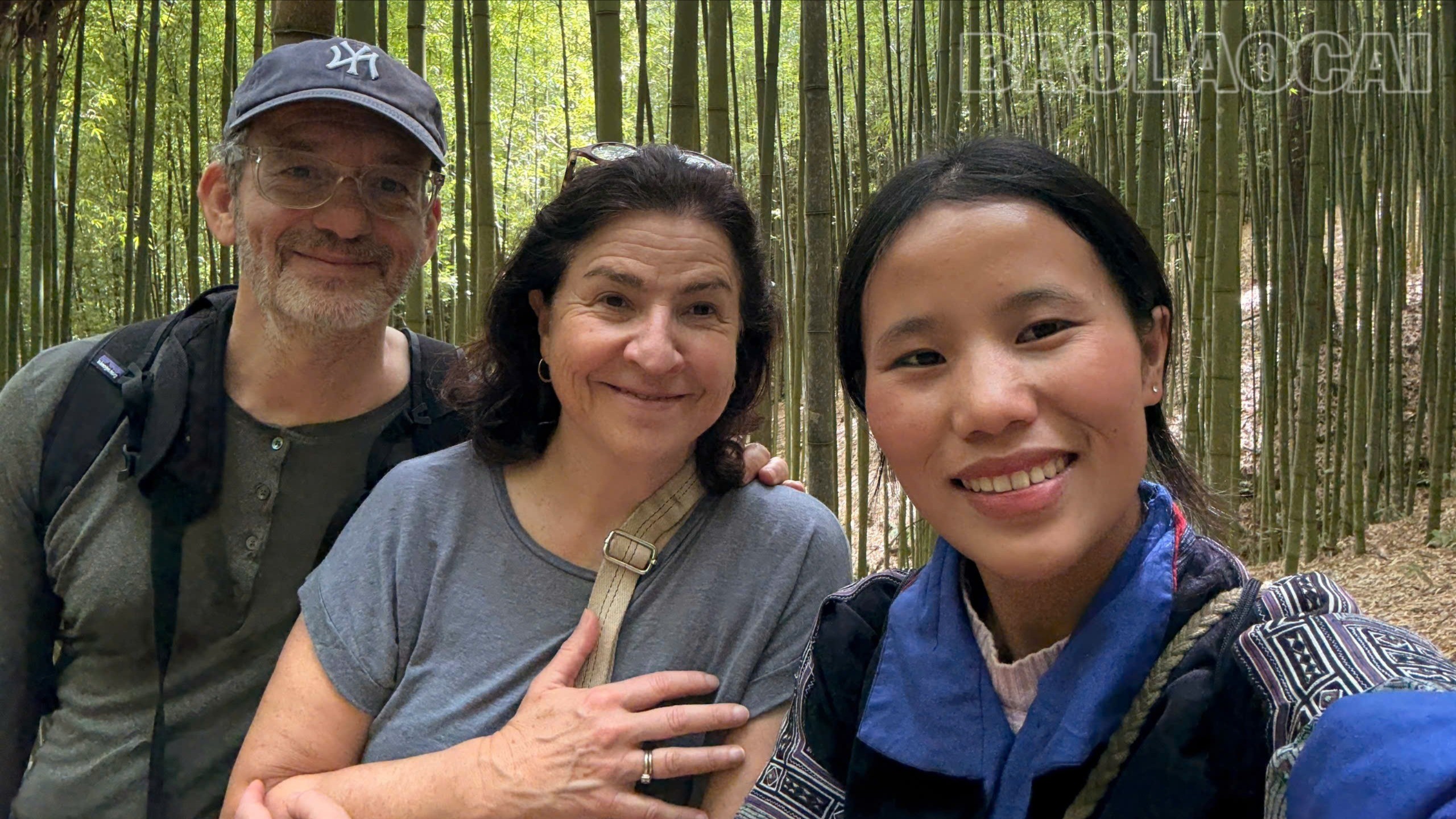
Bla shared: "Initially, things weren't easy, but I always tried my best so that my family would trust and respect my opinions more. Now I can both do housework well and do what I love."
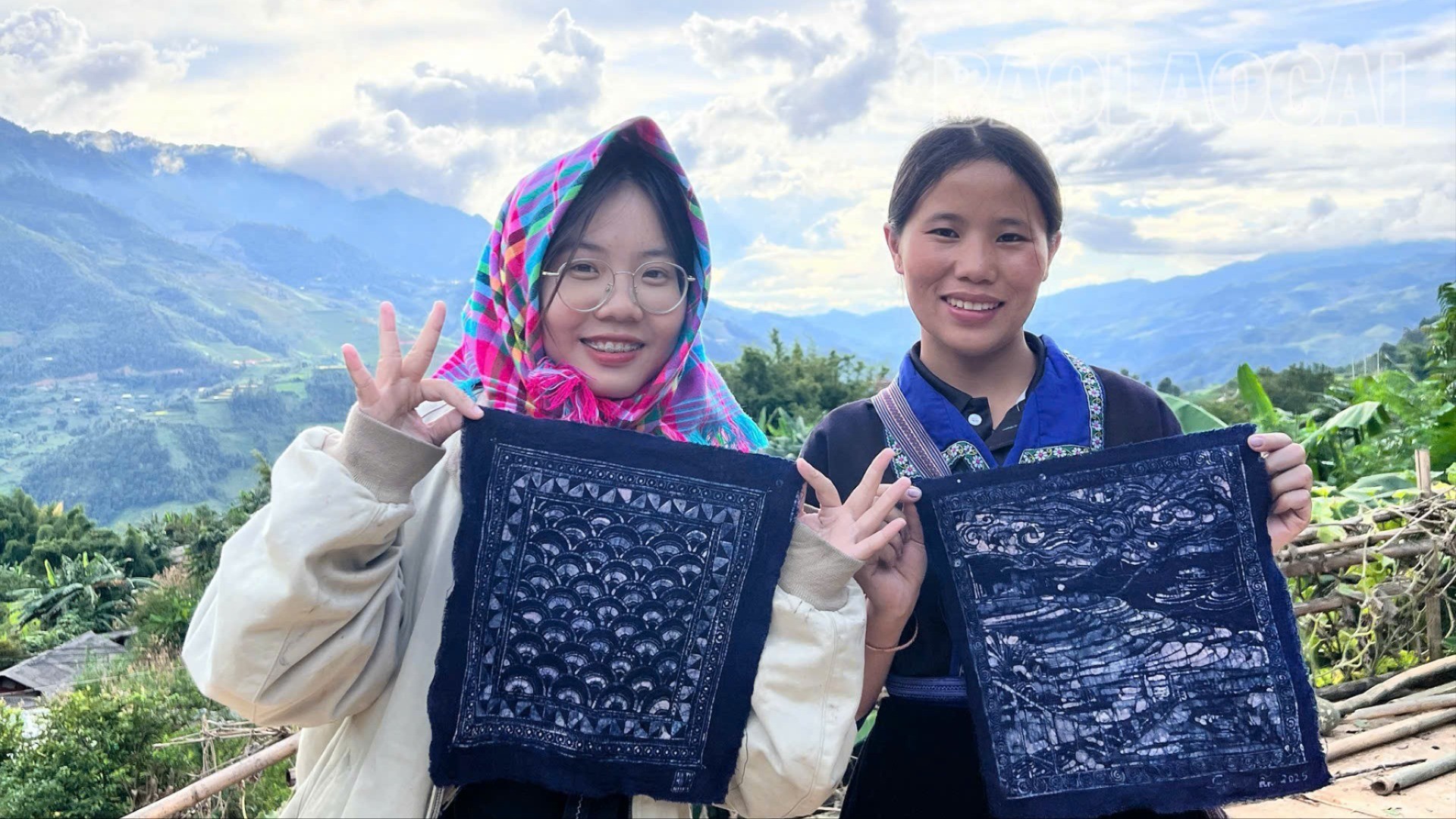
According to the Women's Union of Mu Cang Chai commune, out of a total of 2,150 members, only about 30% are currently classified as poor households, while the rest have average or above-average living standards.
Today, women in the highlands are not only the keepers of the family hearth, but also actively participate in social work. Many women hold positions as village heads, association officials, and participate in Party committees and people's councils at all levels.
A prime example is Ms. Hang Thi Dong - She is the Vice Chairperson of the People's Council of Tram Tau commune. As one of four girls sent to school by her family in 1995, she has held many positions such as Chairperson of the Women's Union of Ban Cong commune, Chairperson of the Women's Union of Tram Tau district, and a representative of the People's Council of Yen Bai province (formerly).
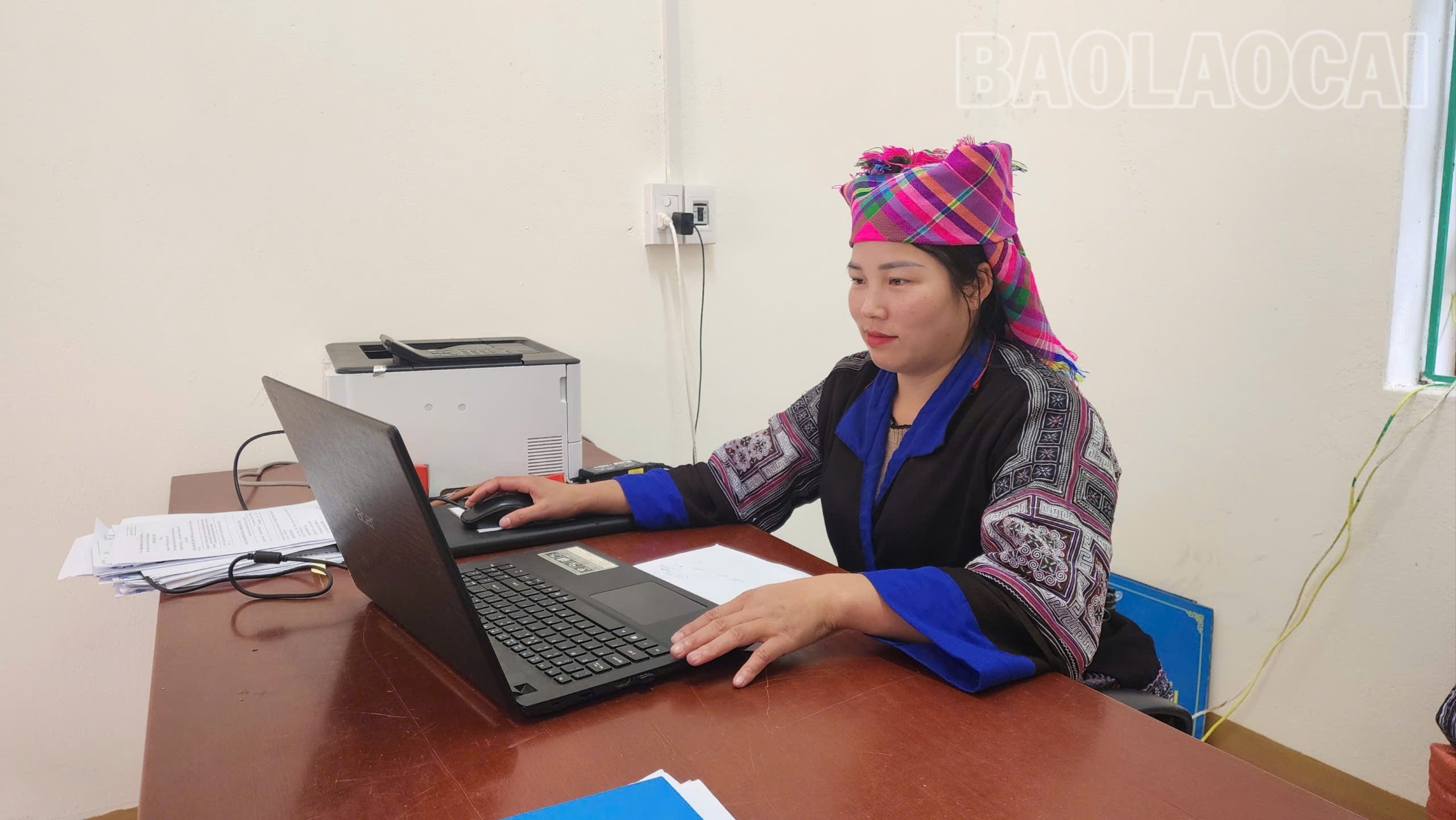
Ms. Hang Thi Dong said: "I consider myself very fortunate compared to many other Hmong women, so when participating in any position or field of work, I always strive to show everyone that we Hmong women are fully capable of undertaking and successfully completing many assigned tasks."
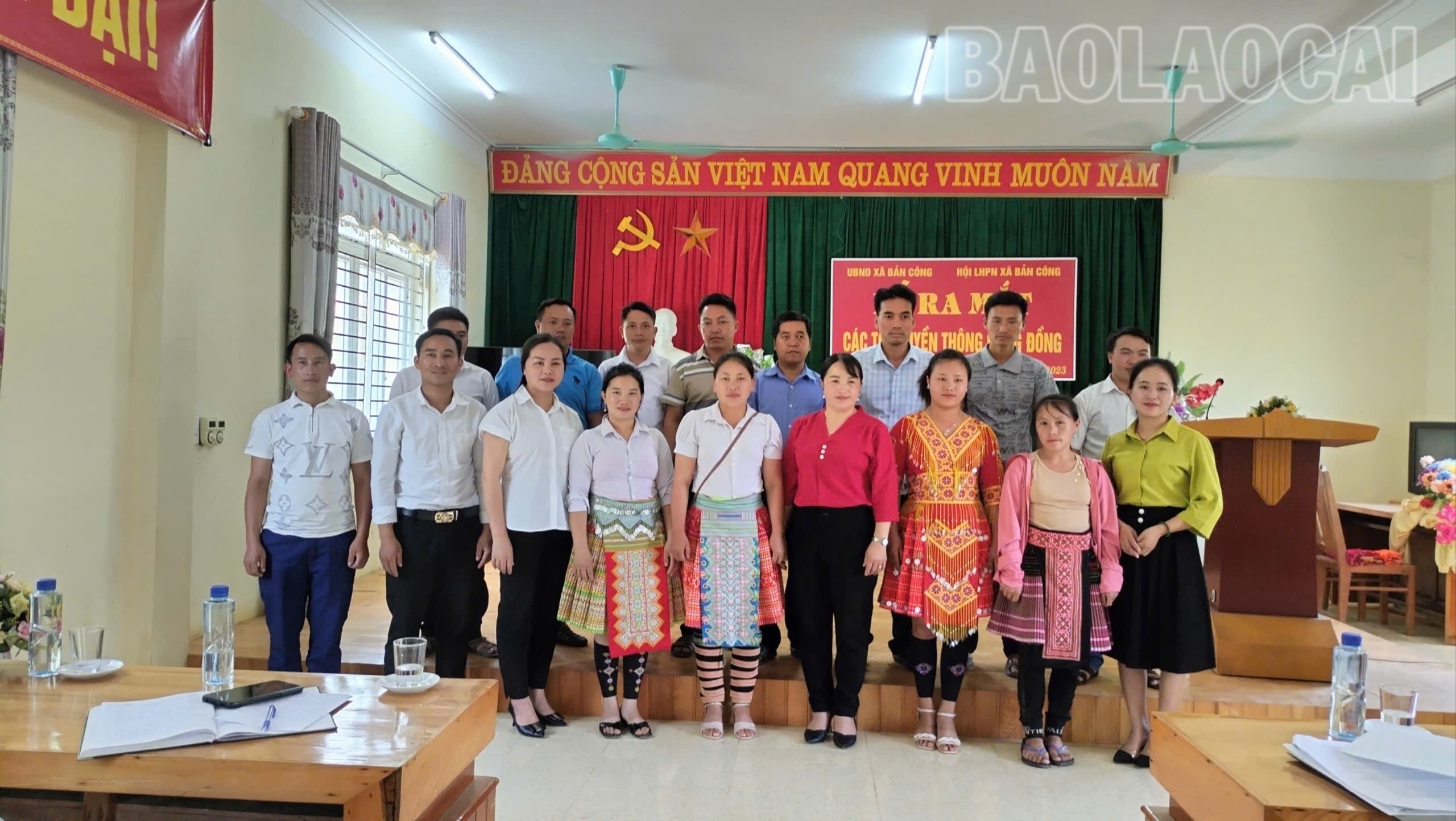
Women's participation in grassroots administration not only affirms progress in gender equality but also brings closer, more humane perspectives to addressing community issues, especially those related to family, children, and social welfare.
The advancement of women in mountainous regions is closely linked to the attention and support of Party committees, government agencies, and mass organizations. Programs supporting access to loans, vocational training, entrepreneurship, and the building of "5 no's, 3 clean" and "5 yes's, 3 clean" families have provided additional motivation for women to confidently assert their roles.
Nevertheless, the journey to overcome prejudice against women in mountainous regions still faces many challenges. Gender stereotypes and outdated customs, while somewhat mitigated, have not been completely eradicated; the educational level and access to science and technology for women in these areas remain limited. This requires sustained efforts from both the political system and the community.
"Overcoming prejudice" is not just a journey for women in mountainous regions, but a process of changing societal perceptions. When given opportunities and support, women not only fulfill their roles effectively but also become a crucial driving force for socio-economic development in their localities.
Source: https://baolaocai.vn/vuot-qua-dinh-kien-post889008.html






















































Comment (0)