The global doping control system is facing major shifts as standards for transparency and independence are increasingly tightened. At an extraordinary online meeting of the World Anti-Doping Agency (WADA) executive board, the governing body issued a landmark recommendation aimed at eliminating conflicts of interest at major sporting events.

Accordingly, WADA proposes that testing at large-scale events such as the Olympic Games, Paralympic Games, continental competitions, and world championships should be conducted by a neutral agency, completely independent of the host country's organization.

This recommendation stems from the analysis of a working group established by WADA to assess the structural and operational independence of national organizations and the impact of good governance. Specifically, experts suggest that the host country's national anti-doping organization should not interfere in key areas including sample distribution planning, athlete selection for testing, results management, and certain aspects of sample collection. Instead, an independent body should be responsible for separating these functions to protect the integrity of the competition from allegations of bias. WADA President Witold Bańka affirmed that this step will strongly reinforce confidence in the global system, while local anti-doping agencies will retain their practical roles in logistics, law enforcement coordination, and on-site education .
In addition to focusing on the independence of testing, the WADA Executive Board approved terms of reference to review the implementation of the broad governance reforms adopted in 2022. The assessment of the structure and composition of the Fund Council and the Executive Board will be undertaken by a three-person expert panel consisting of Ulrich Haas, Dominique Jakob, and Gaby Ahrens, starting in mid-August 2026. WADA Director-General Olivier Niggli affirmed that this regular oversight is key to the organization maintaining the most effective governance model, aiming for independence and focusing the interests of athletes.
To expand its capacity for social science research and education for a clean sports community, the WADA board has also been authorized to continue evaluating the proposal to establish a specialized research institute. Simultaneously, the staffing structure has been revised to expand from six to seven members, with the authority to nominate independent expert candidates under the 2027 World Anti-Doping Code, which is expected to come into effect on the first day of 2028.
To conclude the agenda, the Executive Board formally recommended that the Fund's council approve the annual activity report and the 2025 financial statements, which were audited by PricewaterhouseCoopers, a body that certified no material misstatements were found in the organization's accounting system.



Source: https://bvhttdl.gov.vn/wada-thuc-day-tinh-doc-lap-trong-cong-tac-chong-doping.htm


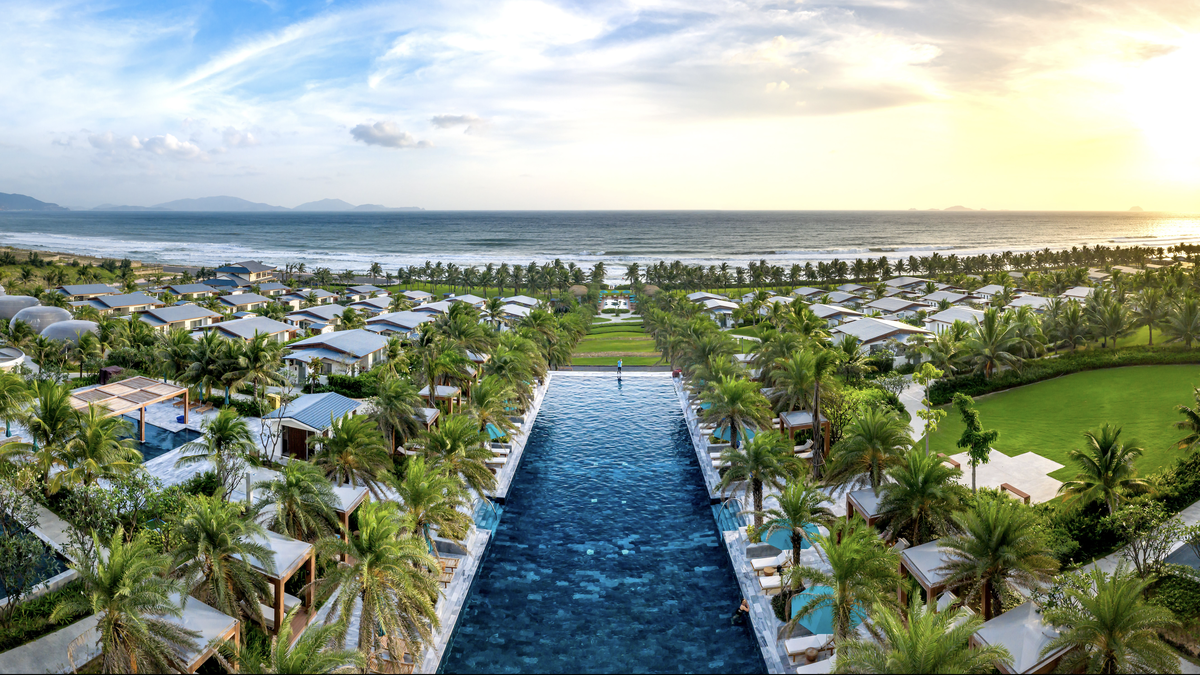

![[Photo] "Hanoi Lotus Festival" honors the lotus flower that has been associated with Vietnam for thousands of years.](https://vphoto.vietnam.vn/thumb/1200x675/vietnam/resource/IMAGE/2026/06/27/1782516943048_sen-ha-noi-2026-minh-duy-1-jpg.webp)