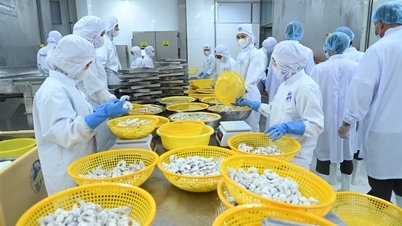
Not a new invention, soap made from pig fat has a history of use spanning hundreds of years in many countries before synthetic soaps became popular.
Before the booming cosmetics industry, animal fat was one of the main ingredients used to produce soap in many areas of Europe, North America, and Asia. Through the saponification process between fat and an alkaline solution, a product capable of cleaning skin and clothing was created. Among the various animal fats, lard was widely used due to its ease of extraction, low cost, and ability to produce soap bars with good hardness.
Today, although most commercial soaps are made from vegetable oils or synthetic detergents, many artisanal establishments still maintain the use of lard as a traditional ingredient.
What gives lard soap its unique properties?
The main components of pork fat are fatty acids such as oleic, palmitic, and stearic acids. During the saponification reaction, these fatty acids contribute to the product's unique properties.
Fine lather and gentle cleansing: Compared to some soaps with a high percentage of coconut oil, lard-based soaps typically produce a finer, denser lather. This provides a relatively gentle cleansing sensation on the skin. However, the cleansing ability and level of gentleness depend on the entire product formula, not just the lard ingredient.
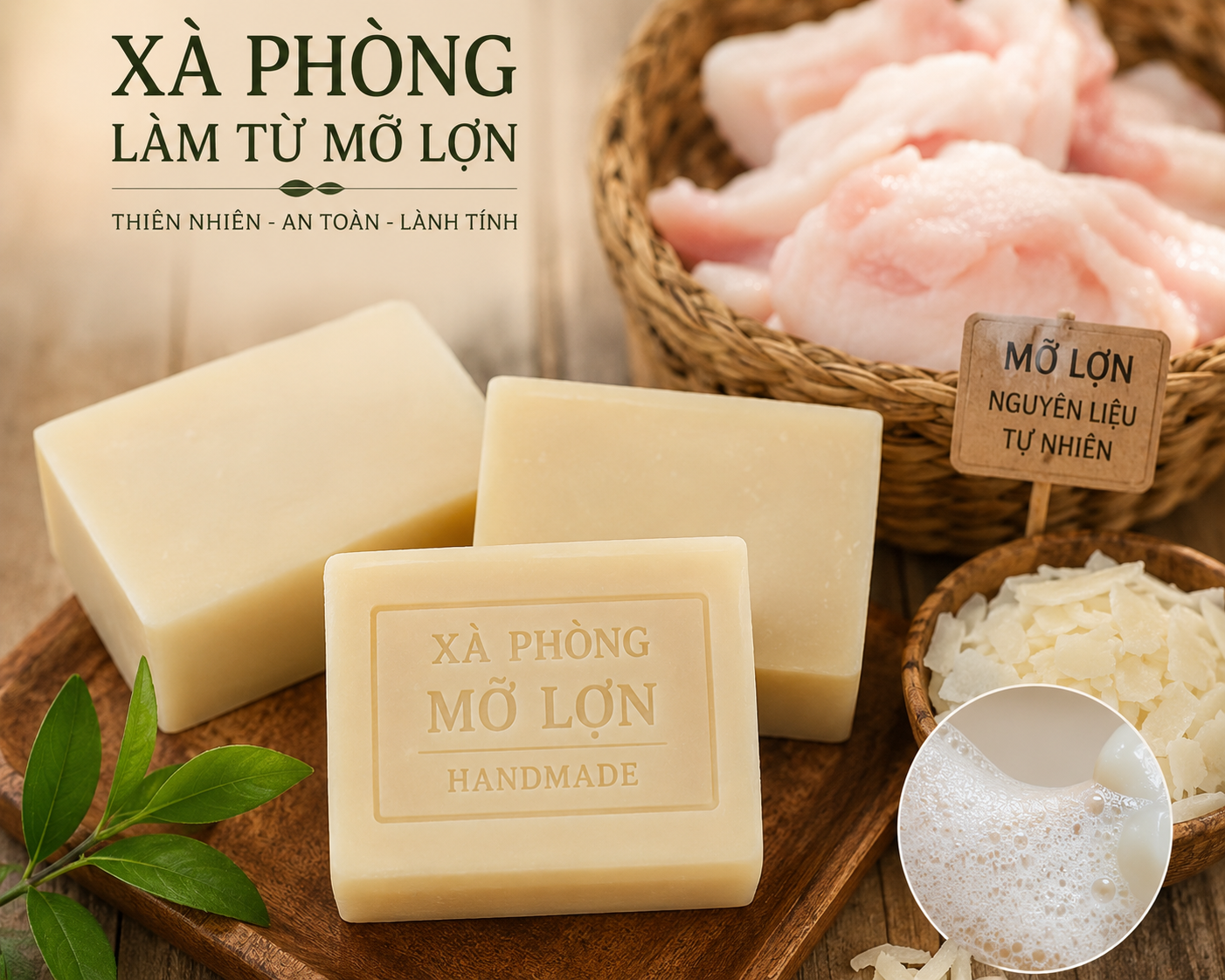
Soap made from lard creates a fine lather and cleans gently and safely...
Good hardness and minimal wear and tear: A commonly noted advantage of lard soap is its relatively high hardness; it is less likely to soften or melt quickly when stored properly, thus extending its shelf life.



Contains natural glycerin: During the production of handmade soap, glycerin is often retained in the finished product. This substance has the ability to attract moisture, helping to maintain skin softness after washing. However, it should not be understood that soap can completely replace specialized moisturizing products, especially for people with very dry skin or dermatological conditions.
Is lard soap better than plant-based soap?
Currently, there is no strong scientific evidence to confirm that soap made from lard is superior to soaps made from vegetable oils. Each ingredient has its own advantages:
- Olive oil has a soothing effect on the skin.
- Coconut oil has good cleansing and foaming properties.
- Shea butter is used to increase softness.
- Pork fat contributes to the firmness and fine lather of the soap bar.
The quality of the final product depends more on the overall formula, the proportions of the ingredients, and the manufacturing process than on a single ingredient.
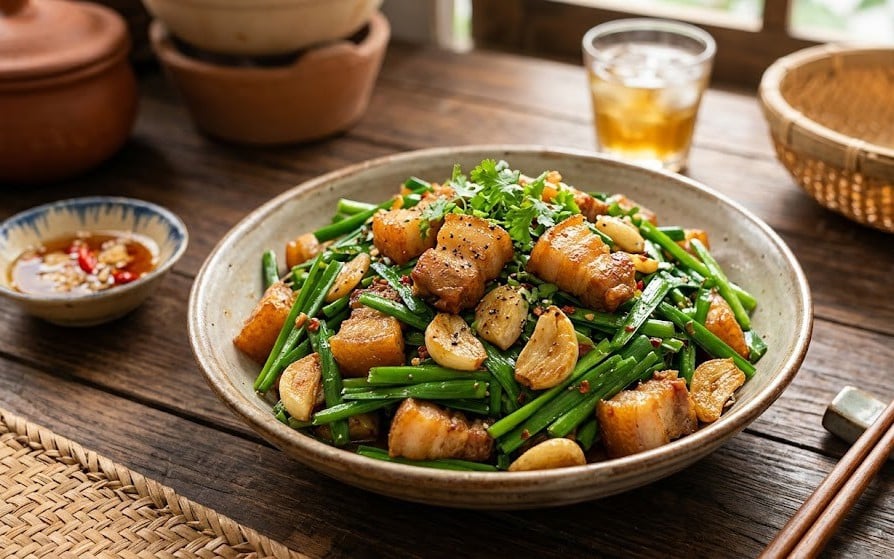
Some people choose lard soap because they believe that utilizing by-products from the livestock industry helps reduce resource waste. However, the sustainability of a product depends on many factors such as raw materials, production processes, transportation, packaging, and energy consumption.
Who can use lard soap?
Overall, soap made from pig fat can be suitable for many people if it is produced correctly and meets cosmetic safety standards.
However, people with very sensitive skin, atopic dermatitis, eczema, or allergies to any of the product's ingredients should still test it on a small area of skin before using it widely.
If symptoms such as itching, redness, stinging, or prolonged irritation occur, discontinue use and consult a dermatologist.



When choosing a product, consumers should keep the following in mind:
- Prioritize products with clear origins.
- The ingredients are fully disclosed.
- Information about the manufacturer is available.
- Avoid products that are exaggerated in their advertising claims.
Additionally, soap bars should be stored in a dry, well-ventilated place to prevent them from becoming soft and to extend their lifespan.
Readers are invited to watch the video :
Source: https://suckhoedoisong.vn/xa-phong-lam-tu-mo-lon-co-gi-dac-biet-169260609132011922.htm


![[Photo] "Hanoi Lotus Festival" honors the lotus flower that has been associated with Vietnam for thousands of years.](https://vphoto.vietnam.vn/thumb/1200x675/vietnam/resource/IMAGE/2026/06/27/1782516943048_sen-ha-noi-2026-minh-duy-1-jpg.webp)
























































![[Infographic] 16 fireworks display locations to celebrate the 50th anniversary of Ho Chi Minh City being honored with the name of President Ho Chi Minh](https://vphoto.vietnam.vn/thumb/402x226/vietnam/resource/IMAGE/2026/06/27/1782539591308_man-ban-phao-hoa-ruc-ro-dem-khai-mac-638jpg-17242995540161175940469.jpeg)