Ms. NTH (49 years old, residing in Dak Lak ) suffered from neck and shoulder pain, accompanied by numbness and fatigue radiating down both arms for several months. However, Ms. H. thought it was just normal aches and pains due to age and self-medicated with painkillers to alleviate the symptoms.
However, the pain worsened, and her neck became stiff and her hands numb more frequently, causing her insomnia and making daily activities difficult. When driving, she couldn't move her neck freely to see, posing a potential safety risk, so she decided to seek medical attention.
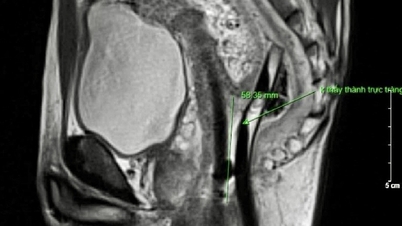
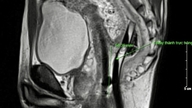
Magnetic resonance imaging (MRI) results from the hospital showed that Ms. H. had cervical disc herniation at two levels, C4-C5 and C5-C6. Two large herniated discs were compressing the anterior surface of the spinal cord and nerve roots. This condition poses a risk of nerve damage, weakness in the limbs, reduced mobility, and even impaired spinal cord function.
After consultation, the doctors decided to perform anterior cervical spine surgery to directly access the affected area. Through a small incision of about 3cm, the team removed the two herniated masses, freeing the spinal cord and nerve roots, and also removed the bone spurs caused by degeneration.
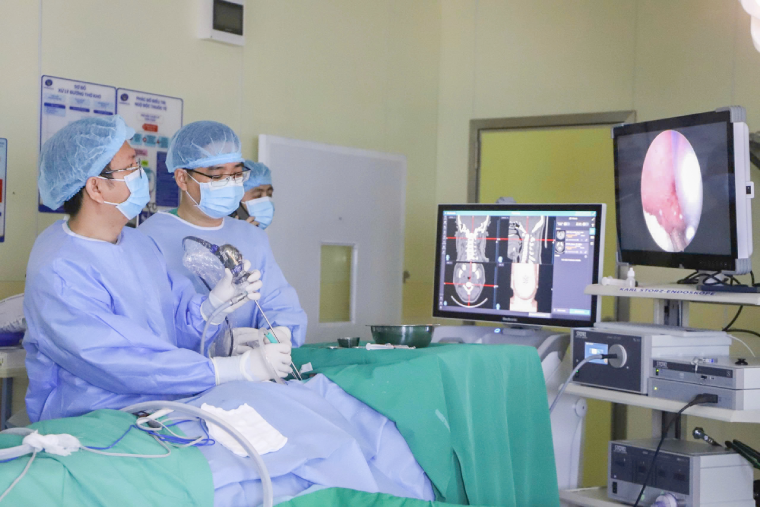
According to Dr. Le Kham Tuan, Head of the Neurosurgery and Spine Department at Nam Saigon General Hospital (Ho Chi Minh City), the team placed an artificial disc at the C5-C6 level to maintain neck mobility, while also fixing the C4-C5 level with a screw and plate system due to severe signs of degeneration.

According to Dr. Tuan, cervical spondylosis and herniated discs are no longer diseases of the elderly. The number of young patients seeking treatment is increasing.
Many people have lifestyle habits that lead to cervical spine collapse, such as:
- Sitting for too long: Maintaining one posture for hours puts constant pressure on the cervical discs, accelerating degeneration and increasing the risk of herniation.
- Prolonged periods of bending your head while using a phone or computer: When your head is bent forward, the pressure on your cervical spine increases significantly compared to a normal posture. This habit, if prolonged, causes the intervertebral discs to wear down quickly and easily compress the nerves.
- Lack of physical activity: A lack of physical activity weakens the muscles in the neck, shoulders, and back, reducing their ability to support the spine. This is a contributing factor that accelerates the progression of degeneration.
Dr. Tuan advises that signs of cervical spondylosis and herniated discs are often overlooked because they resemble common muscle strain. If patients experience neck and shoulder pain, neck stiffness, numbness, or pain radiating down the arm, they should seek medical attention early to determine the cause.



To prevent this condition, office workers should change their posture every 30-60 minutes, avoid bending their heads down for too long while using their phones, practice neck and shoulder exercises, and maintain regular physical activity to reduce the risk of cervical spondylosis.
Source: https://vietnamnet.vn/3-thoi-quen-am-tham-danh-sap-cot-song-co-2530070.html