

In prolonged periods of high temperatures, the elderly are at risk of facing numerous serious health problems such as heatstroke, dehydration, electrolyte imbalance, stroke, kidney failure, and dangerous cardiovascular complications.
- The elderly are particularly vulnerable in hot weather.
- Common illnesses among the elderly during summer
- Doctor's advice
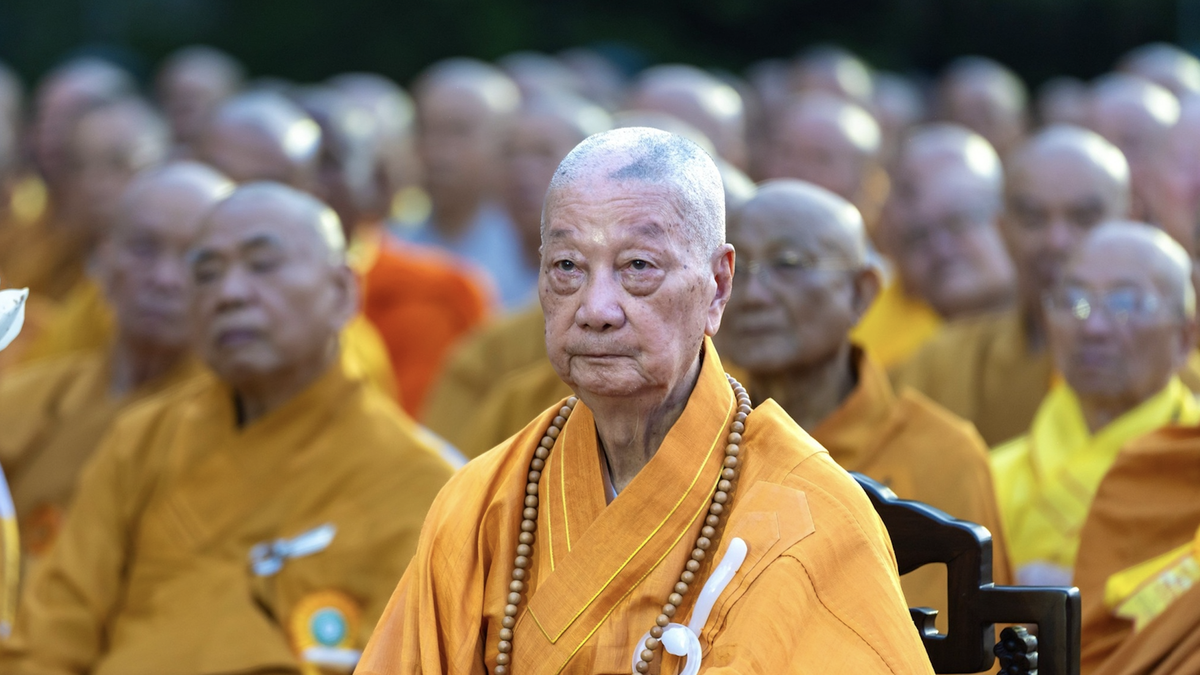
The elderly are particularly vulnerable in hot weather.
The aging process causes the body's thermoregulation mechanisms to become less efficient in older adults. The sensation of thirst also diminishes with age, so many people don't drink enough water even when their bodies are severely dehydrated.
Furthermore, a large proportion of elderly people often suffer from chronic diseases such as hypertension, diabetes, cardiovascular disease, chronic obstructive pulmonary disease, kidney failure, musculoskeletal disorders, etc. When the weather is too hot, these underlying conditions can easily worsen and cause dangerous complications.
Furthermore, some inappropriate lifestyle habits such as taking sudden cold showers, drinking ice water, using air conditioning at excessively low temperatures, or experiencing rapid changes in temperature between hot and cold environments can also cause heat shock, respiratory infections, or blood pressure disorders in the elderly.
Common illnesses among the elderly during summer
1. Respiratory diseases
Constant temperature changes between the outside environment and air-conditioned rooms can easily cause elderly people to develop illnesses such as: rhinitis, pharyngitis, bronchitis, pneumonia, asthma relapses, and exacerbations of chronic obstructive pulmonary disease. People with respiratory illnesses need to be especially cautious during prolonged periods of hot weather.
2. Cardiovascular disease
Hot weather causes dehydration and electrolyte loss, forcing the heart to work harder to regulate body temperature. This can lead to: increased blood pressure; arrhythmias; angina; stroke, etc. In particular, elderly people with a history of hypertension or coronary artery disease need close health monitoring during the summer.
3. Water and electrolyte imbalances
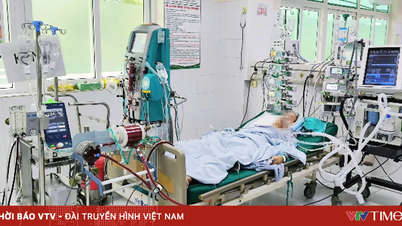
Prolonged dehydration can lead to: dizziness; fatigue; muscle cramps; low blood pressure; acute kidney failure… Many people are hospitalized due to heat exhaustion but did not realize they were severely dehydrated beforehand.
4. Digestive and dermatological diseases
Hot and humid weather makes food spoil more easily, increasing the risk of digestive disorders, diarrhea, or food poisoning.
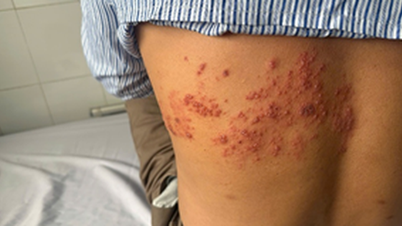
In addition, the elderly are also prone to dermatological problems such as: allergic dermatitis; fungal infections; herpes zoster with secondary infections; rashes; infectious diseases…
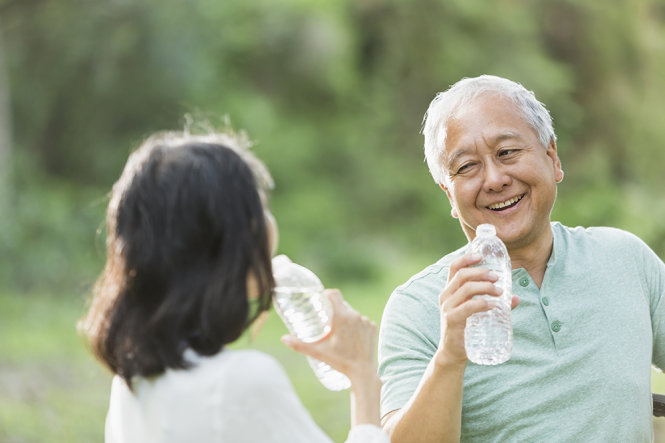
Older adults need to drink water every day, even when they don't feel thirsty.
Doctor's advice
To prevent injuries in hot weather, the elderly should pay attention to the following:
- Drink enough water.
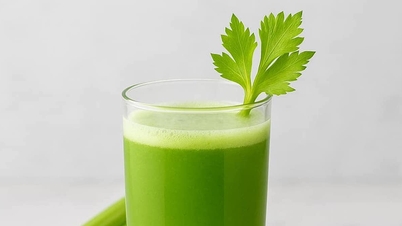
Elderly people need to drink 1.5–2 liters of water per day, even if they don't feel thirsty. It's best to divide the water intake into smaller portions throughout the day rather than drinking a large amount at once. The most suitable type of water is boiled and cooled water or water at a temperature close to body temperature. In addition, fresh fruit juices can be added to provide vitamins and minerals.
However, you shouldn't drink ice-cold water immediately when you're thirsty or after being in the sun, as the large temperature difference can cause sore throat, vasoconstriction, or respiratory choking.
- Limit your exposure to intense sunlight.
Elderly people should avoid going outside between 10 a.m. and 4 p.m., as this is when the temperature is highest during the day.
If you must go outside, you should: wear a wide-brimmed hat; wear light-colored, breathable clothing; wear sunglasses; bring drinking water, etc. Exercise should be done in the early morning or late afternoon in a well-ventilated, shady place.
- Scientific nutrition helps boost immunity.
During the summer, older adults should prioritize a diet rich in plant-based foods that are easy to digest and provide plenty of vitamins and minerals.
Increase your intake of green vegetables and fruits; you should eat vegetables such as water spinach, jute mallow, amaranth, mustard greens, gourds, pumpkins, etc., to supplement the fiber, vitamins, and minerals necessary for the body.
Fruits such as oranges, grapefruits, bananas, papayas, and grapes are also excellent for replenishing fluids and boosting immunity.
- Limit fatty foods.
Elderly people should reduce their intake of: red meat; animal organs; fatty foods; and foods that are too salty or too sour… Instead, they should prioritize fish, shrimp, and easily digestible foods.
Furthermore, absolutely do not consume spoiled food or food that has been left overnight without proper storage.
- Showering properly can help prevent strokes.
One common mistake is showering immediately after sun exposure or taking a cold shower when the body is still hot. This can cause sudden vasoconstriction, increasing the risk of stroke or cardiovascular events.
Elderly people should: bathe with lukewarm or moderately cool water; bathe in the morning or early afternoon; avoid bathing too late at night; and avoid bathing for too long… After exercising or being in the sun, they should rest to allow their bodies to stabilize before bathing.
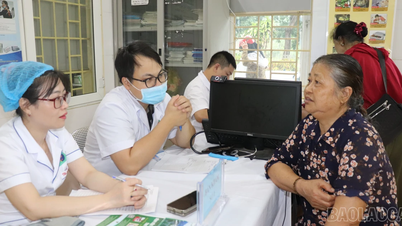
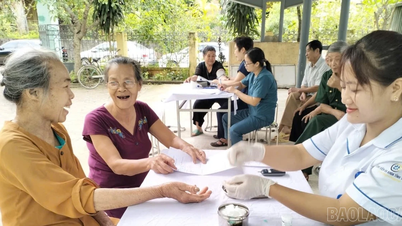
In summary: Because the majority of elderly people suffer from multiple chronic diseases, regular health check-ups are especially important. Regular check-ups help monitor blood pressure; check blood sugar; assess heart, lung, and kidney function; and detect complications early. Proper healthcare during hot weather not only helps the elderly prevent illness but also contributes to improving their quality of life, maintaining stable health, and minimizing dangerous complications caused by extreme weather conditions.
Source: https://suckhoedoisong.vn/4-benh-ly-nguoi-cao-tuoi-thuong-gap-mua-he-169260521171428076.htm

![[Image] A brilliant symphony and explosive power in the skies of Da Nang.](https://vphoto.vietnam.vn/thumb/1200x675/vietnam/resource/IMAGE/2026/05/31/1780196945787_anh-man-hinh-2026-05-31-luc-10-08-51.png)










![[Video] Sunset at Lap An Lagoon – Where the sun sets over the fishing nets](https://vphoto.vietnam.vn/thumb/340x192/vietnam/resource/IMAGE/2026/05/31/1780192137701_beach-landscape-sea-water-nature-grass-745871-pxhere-com.jpeg)






























































Comment (0)