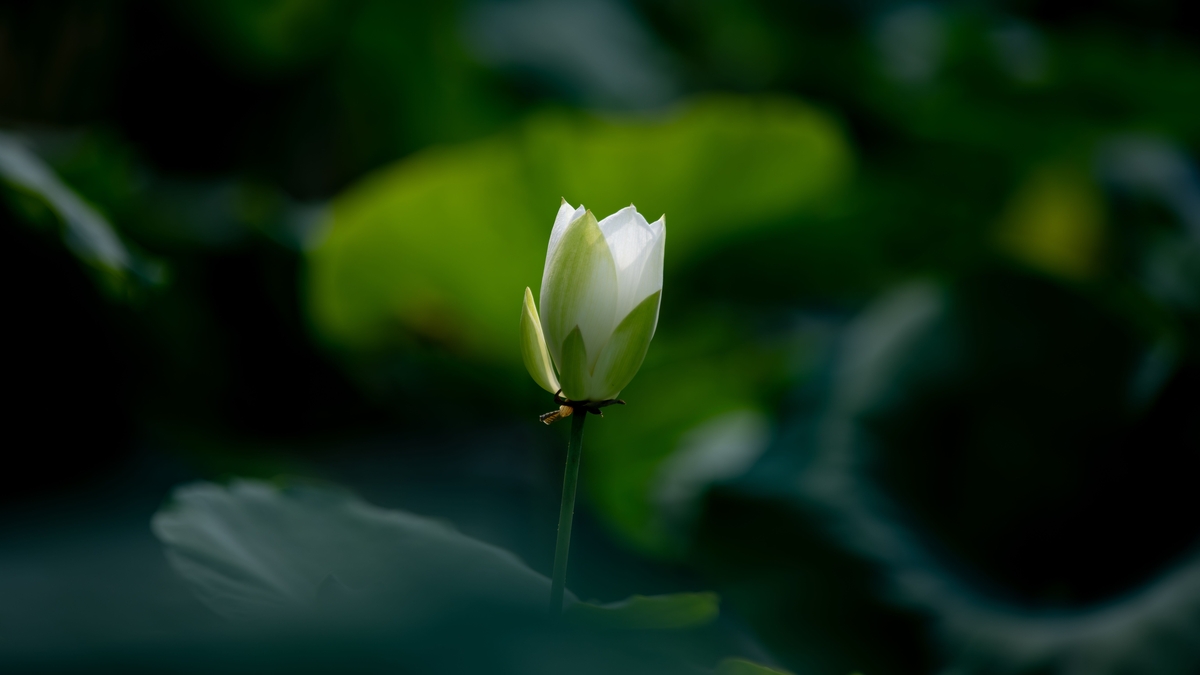
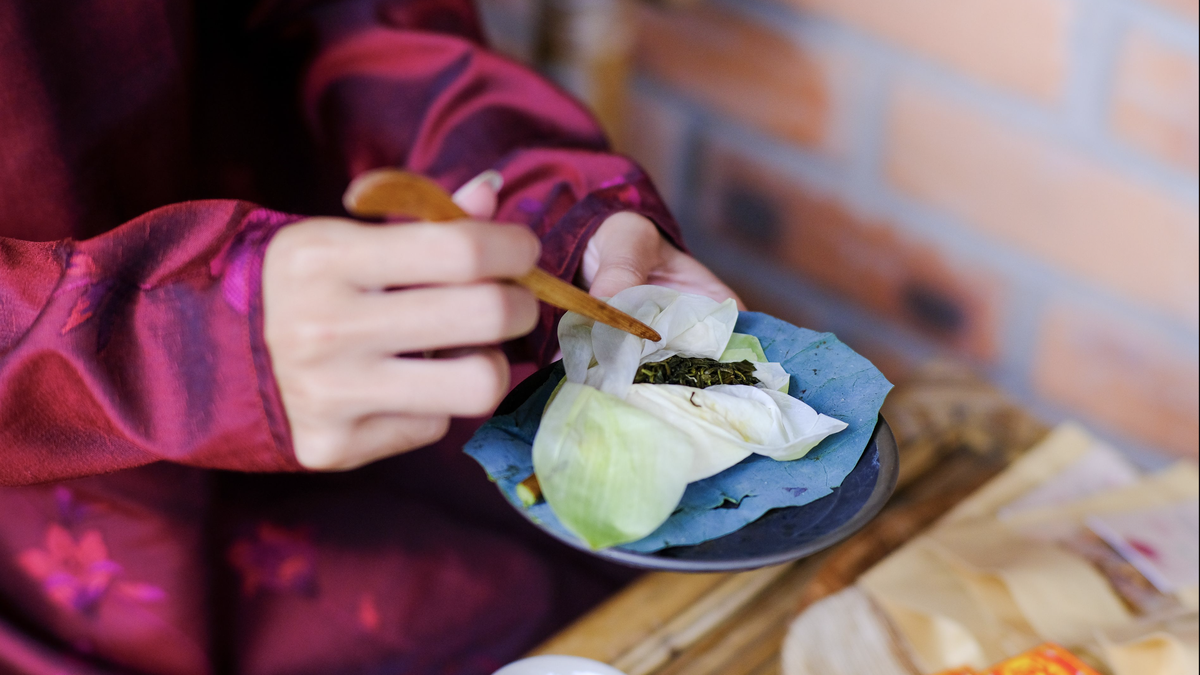
According to doctors at the Ho Chi Minh City Traditional Medicine Hospital, Lotus embryo is the green sprout inside the lotus seed, which has a bitter taste and a cooling nature. Lotus embryo contains many chemical compounds such as: Asparagine (which has diuretic effects, lowers blood pressure, and is beneficial for patients with hypertension and urinary retention), Neferin, Alkaloids (which help calm the nerves, soothe, and improve sleep quality), amino acids, etc. The bitterness of the lotus embryo is due to the substance Nelumbin.
In Traditional Chinese Medicine, this herb is known for its ability to clear heat from the heart (clearing the heart), calm the nerves, and soothe the nerves, promoting a relaxed state of mind that facilitates easy and restful sleep.
If you occasionally experience insomnia due to feelings of heat, hot flashes, or anxiety, a warm cup of lotus seed tea 1-2 hours before bedtime can soothe your mind and help you fall asleep more easily.
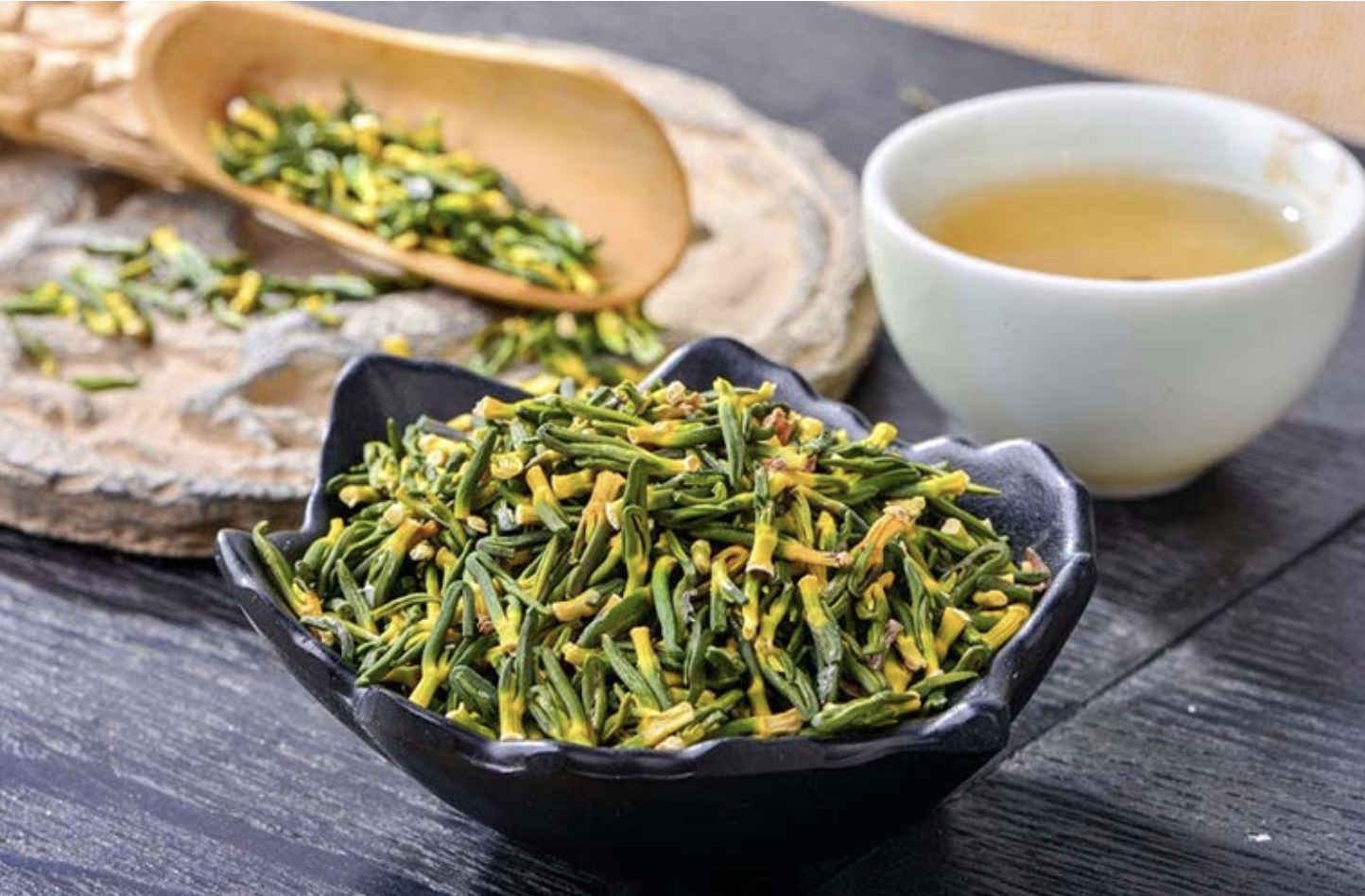
In Traditional Chinese Medicine, lotus seed embryo is known for its ability to clear heat from the heart (clearing the heart), calm the nerves, and soothe the nerves, promoting a relaxed state of mind that facilitates easy and restful sleep.
Although lotus seeds are a valuable medicinal ingredient, doctors at Nguyen Tri Phuong Hospital and the Ho Chi Minh City Traditional Medicine Hospital advise people:


- Do not use lotus seeds continuously for more than 7 days because this herb has a cooling nature and a mild blood pressure-lowering effect. When using this herb to treat insomnia or other ailments, if there is no improvement after a week, discontinue use.
- Lotus seed embryo should not be used by 5 groups of people, including: those with low blood pressure; those with digestive disorders; those with allergies or hypersensitivity to the components of lotus seed embryo; those with insomnia due to a weak constitution or cold body type; and those with a weak spleen and stomach.
In particular, people with digestive problems should avoid consuming large amounts of lotus seeds, as this can hinder absorption and lead to indigestion and bloating due to the high nutrient content of lotus seeds.
For people with insomnia who have a weak constitution or a cold constitution (symptoms include nightmares, restless sleep, frequent awakenings during the night, fatigue, poor appetite, preference for warmth, aversion to cold, and a pale tongue), using lotus seeds can worsen the condition and lead to diarrhea and digestive disorders.
- It is not recommended to use lotus seeds to make tea for daily consumption because long-term use of this medicinal herb or using it in excessive amounts can cause some side effects such as fatigue, heart rhythm disturbances, or memory impairment. Continuous use of lotus seeds for more than a month can lead to the accumulation of toxins in the body.
- Do not use damp, discolored, or spoiled lotus seeds to avoid the risk of poisoning. Use medicinal herbs from a reliable source. To reduce the cooling properties and eliminate toxicity, the herbs should be roasted before use.



In the early days of use, people should dilute the lotus seed decoction and gradually increase its concentration until a noticeable effect is observed, then maintain this dosage. If users experience symptoms such as palpitations, rapid heartbeat, or anxiety, it means that the amount of lotus seeds being used has exceeded the body's tolerance level, and the amount of medicine should be reduced.

Source: https://vietnamnet.vn/4-khong-khi-dung-tam-sen-2528831.html