

On the afternoon of September 6th, Deputy Prime Minister Tran Luu Quang, Chairman of the National Committee for AIDS, Drug , and Prostitution Prevention, led the Vietnamese delegation to attend the 14th Conference of Chairmen of National Committees on Cooperation in Drug Prevention and Control in the Mekong Sub-region, held in Beijing, China.
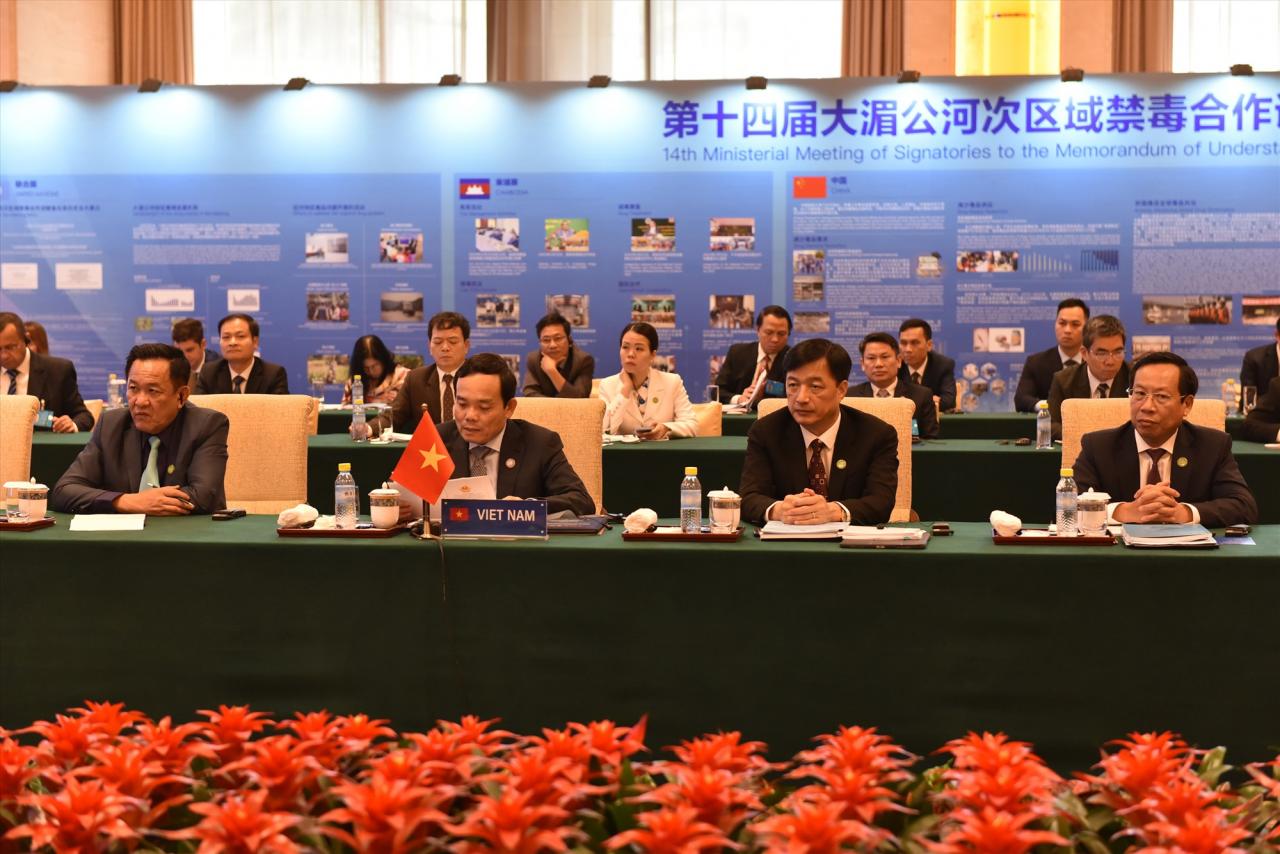
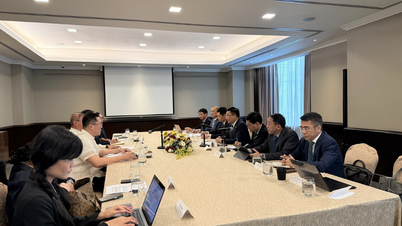
Deputy Prime Minister Tran Luu Quang and Deputy Minister of Public Security Nguyen Duy Ngoc (2nd and 3rd from the left) at the conference. Photo: Department of Criminal Investigation of Drug Crimes.
Representing the Vietnamese Ministry of Public Security were Lieutenant General Nguyen Duy Ngoc, Deputy Minister of Public Security, along with representatives from various professional units within the ministry.
Also attending the conference were the Chairpersons of the Drug Control Committees of China, Cambodia, Laos, Thailand, and Myanmar, and representatives from the United Nations Office on Drugs and Crime (UNODC).
Speaking at the Conference, Deputy Prime Minister Tran Luu Quang assessed that, over the past 30 years, the Mekong Sub-regional Cooperation Mechanism (MOU) on drug prevention and control has achieved important results, contributing to ensuring security and order, promoting socio-economic development, poverty reduction, and improving the quality of life for people in member countries.
Within the framework of the MOU signed in 1993, UNODC and its member states have jointly developed, adopted, and implemented sub-regional action plans on drug control, achieving positive results in areas such as reducing supply, reducing demand, and reducing harm.
Vietnam has passed the Law on Drug Prevention and Control in 2021 to improve legal regulations on drug prevention and control; and to strengthen the National Committee for AIDS, Drug, and Prostitution Prevention and Control to enhance the effectiveness of the Committee's operations.
Vietnam has also integrated the content of joint cooperation plans and initiatives of the 1993 MOU into its national drug prevention and control program, giving high priority to implementing solutions to prevent drug trafficking early and from afar...
The Deputy Prime Minister affirmed that Vietnam supports a zero-tolerance stance on drugs and continues to pursue the long-term goal of a drug-free region...
Recently, the situation regarding the production, sale, transportation, and use of drugs in the region and around the world has become very complex; the illegal production, sale, and transportation of narcotic substances, especially synthetic drugs, continues to increase...
The number of drug users continues to rise and remain high worldwide, from 240 million in 2011 to 296 million in 2023, equivalent to 5.8% of the global population aged 15-64, an average increase of 23% every 10 years.
Meanwhile, treatment for drug addicts and users has not yet met the actual needs, especially treatment for those using synthetic drugs.
The above situation shows that crime and drug abuse pose a serious challenge to the rule of law and the sustainable development of each country, are a threat to the community, and seriously affect the physical and mental health of the people...
The Deputy Prime Minister stated that member countries need to continue demonstrating solidarity and unity in their views and positions on global drug control policies, actively contributing their voices to the common efforts of the international community...
The Deputy Prime Minister affirmed that Vietnam is determined and committed to strengthening cooperation with UNODC, the Mekong sub-region countries, and the world on drug prevention and control to strive together for a common goal: for peace, stability, prosperous development, and building a drug-free region.
The conference adopted the 12th Sub-regional Action Plan; the Beijing Joint Declaration; and China's Initiative on Addressing the Problem of Synthetic Drugs in the Mekong Sub-region.
The content of the Joint Statement focuses on assessing the drug crime situation in the subregion; the difficulties, challenges, and commitments of the countries in implementing drug prevention and control activities in the subregion.
Meanwhile, China's initiative to address synthetic drugs in the Mekong sub-region offers concrete solutions with Chinese support in law enforcement, chemical control, and drug testing.
laodong.vn



![[Photo] General Secretary and President To Lam presides over a meeting on preparations for the review of one year of operation of the three-tiered government system.](https://vphoto.vietnam.vn/thumb/1200x675/vietnam/resource/IMAGE/2026/06/02/1780391821195_a1-bnd-4595-9717-jpg.webp)


































































Comment (0)