

When taking pills, we need to take them with water to speed up the dissolution process in the stomach, enhance the effectiveness of the medication, and expedite its elimination from the body. Some medications require more water than usual...
1. The effect of water when taking medicine.
When taking pills, water helps the medication travel from the mouth to the stomach and then to the small intestine for absorption to produce the desired effect. Swallowing pills without enough water can cause them to get stuck in the esophagus, irritating the esophagus, preventing the medication from working properly, and potentially leading to unwanted side effects in some cases.
The amount of water needed may also depend on the form of the medication. For example, you may need to swallow more water with large pills or capsules compared to small pills or liquid medication.
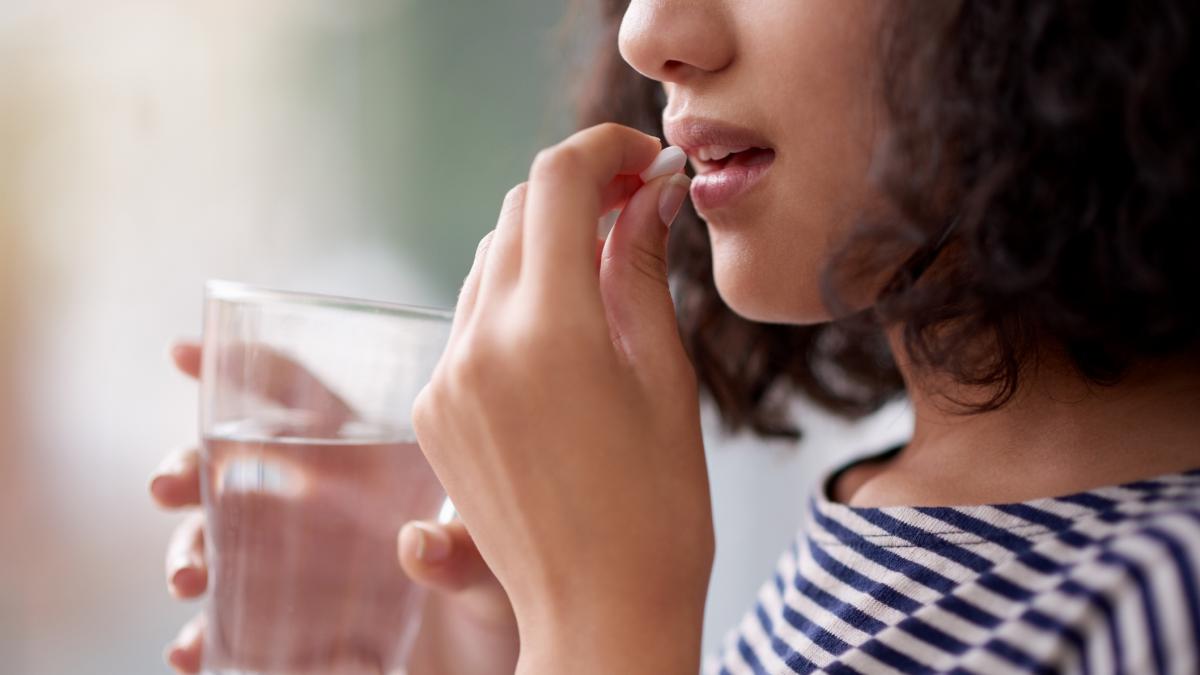
When taking pills, we need to swallow them with water to speed up the dissolution process in the stomach.
2. Certain medications require more water intake.
Fever-reducing medication: Fever-reducing and pain-relieving medications such as paracetamol and ibuprofen primarily work to lower fever and reduce pain. The fever-reducing process will often be accompanied by increased sweating. To avoid exhaustion from excessive sweating and dehydration, you should drink more water while taking this type of medication.
Gastrointestinal irritants: Oral bisphosphonates, such as sodium alendronate, irritate the esophagus and should be taken with plenty of water. Patients should also avoid lying down within 30 minutes of taking the medication. Additionally, some other gastrointestinal irritants, such as potassium chloride, vitamin C, aspirin, and prednisone, should also be taken with increased water intake to reduce gastrointestinal irritation.
Uric acid-lowering medications: When using uric acid-lowering medications such as allopurinol and febuxostat, it is best to drink more than 2,000 ml of water per day to avoid excessively high uric acid levels in the urinary tract and the formation of stones.
Diuretics: Common diuretics (such as furosemide, hydrochlorohiazide, spironolactone) have a diuretic effect and can easily cause patients to experience dry mouth, frequent urination, or palpitations, requiring them to drink plenty of water to replace lost body fluids.
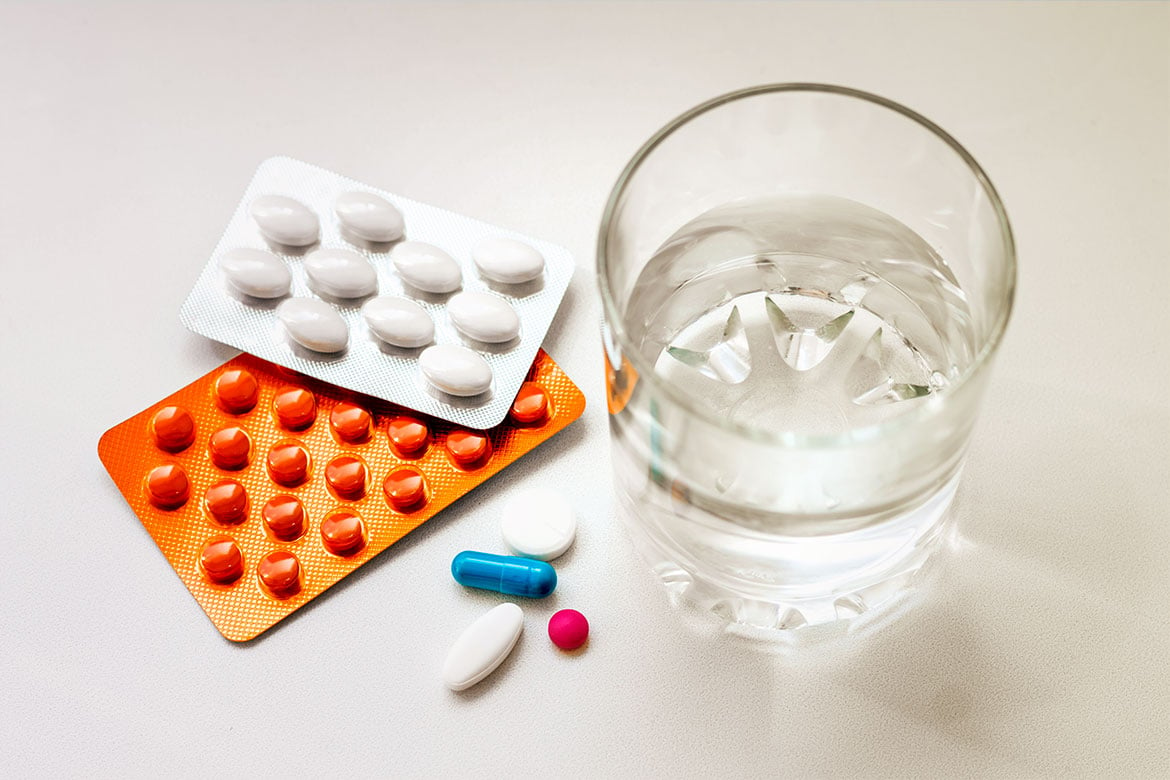
Some medications require more water than others after taking them.
Diabetes medications, such as metformin and SGLT2 inhibitors, can lead to dehydration. One side effect of metformin is stomach pain and diarrhea. SGLT2 inhibitors prevent the kidneys from reabsorbing glucose from the blood being filtered, causing sugar to be excreted in the urine, which can lead to frequent urination.
To use medication safely, patients should always carefully read the medication label and all accompanying information. Find out how much water you need to drink with your medication. The appropriate amount of water will depend on the type of medication you are taking and your specific medical condition. If you are unsure how much water you should drink, ask your pharmacist or doctor.
Dr. Duong Khanh Linh
Source: https://giadinh.suckhoedoisong.vn/5-loai-thuoc-can-uong-nhieu-nuoc-172250228125154695.htm































































![[Infographic] Vietnam's Economic Situation Report, Q1 2026: Strong Growth Momentum](https://vphoto.vietnam.vn/thumb/402x226/vietnam/resource/IMAGE/2026/04/04/1775298512042_tang-truong-kinh-te-viet-nam.jpeg)

![[Image] Close-up view of the 10-lane road connecting to Long Thanh Airport](https://vphoto.vietnam.vn/thumb/402x226/vietnam/resource/IMAGE/2026/04/04/1775291871988_ndo_br_1-resize-5690-jpg.webp)






























Comment (0)