

Considered the most important meal of the day, breakfast replenishes energy to help the body start working after a long night. However, many people, due to haste, habit, or preference, make the wrong choice, inadvertently harming their cardiovascular health and overall well-being.
Harmful breakfast habits
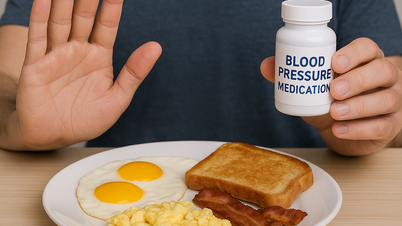
A breakfast high in salt
One of the most common habits is consuming foods high in salt without even realizing it.
According to the U.S. Food and Drug Administration (FDA), 70% of people's daily salt intake comes from packaged and processed foods. These foods not only increase sodium intake but also contribute to water retention, leading to high blood pressure and an increased risk of heart failure.

Many people choose processed, ready-made food for breakfast (Illustrative image: Freepik).
According to the American Heart Association (AHA), most people consume an average of more than 3,300 mg of sodium per day, while the ideal recommended level for cardiovascular health is just 1,500 mg.
A study published in the journal Nutrients found that people on high-sodium diets have a 19% higher risk of cardiovascular disease compared to those who eat lower-sodium diets.
Excess sodium can disrupt the renin-angiotensin system, which regulates blood pressure, fluid balance, and electrolytes in the body. This forces the heart to work harder to pump blood, eventually leading to serious heart problems.
High-fat breakfast
Not only do many people choose foods high in sodium, but they also opt for breakfast options rich in saturated fats, especially from processed meats. This creates a double impact when combined with high sodium, significantly increasing the risk of cardiovascular disease.
A study published in Circulation (American Heart Association, 2021) showed that consuming just over 140g of processed meat per week increased the risk of serious cardiovascular disease by 46%. Saturated fats cause plaque buildup in arteries, leading to atherosclerosis and cardiovascular events such as heart attacks.
In addition, many processed meats contain nitrates and nitrites, which are used as preservatives. Nitrites can be converted into N-nitroso compounds in the body, which are considered potential carcinogens.
A breakfast high in sugar
The habit of eating breakfast foods high in added sugar is also a major "enemy" of health. Items like pastries or sugary cereals, if consumed for breakfast, not only provide quick energy but also cause a sudden spike in blood sugar, contributing to the risk of type 2 diabetes.
Added sugar is also linked to an increased risk of stroke, heart failure, and atrial fibrillation, making sweet breakfasts a ticking time bomb for cardiovascular and metabolic health.

A convenient breakfast can contain a lot of sugar, salt, and unhealthy fats (Illustrative image: Freepik).
Breakfast lacks fiber.
Many breakfast foods like bread or noodle soup contain almost no fiber, while fiber is essential for controlling cholesterol and blood sugar.
According to Harvard Health Publishing, most people consume only about 16g of fiber per day, while the recommended amount is 28g for cardiovascular health and diabetes prevention.
A lack of fiber not only increases cholesterol but also causes feelings of hunger to build up quickly, leading to unhealthy snacking, which indirectly affects weight and cardiovascular health.
Skipping breakfast
Skipping breakfast due to busy schedules is a serious mistake. Many people think skipping breakfast saves time or helps with weight loss, but in reality, it disrupts the circadian rhythm, increases insulin resistance, and raises blood pressure.
A large study showed that people who regularly skip breakfast have an 87% higher risk of dying from cardiovascular disease compared to those who eat breakfast regularly.
Skipping breakfast is also linked to obesity, increased bad cholesterol, and a 75% higher risk of atherosclerosis in those who skip breakfast compared to those who eat a full breakfast. This habit not only affects cardiovascular health but also increases the risk of diabetes, obesity, and even mental health issues such as depression.
Expert advice
Nutritious breakfast
To overcome harmful habits, changing breakfast to a balanced meal is an important first step.
According to Harvard, prioritize fiber-rich foods such as oatmeal and fresh fruit to achieve at least 5g of fiber per meal. Fiber not only helps lower cholesterol but also supports digestion and blood sugar control, reducing the risk of heart disease.
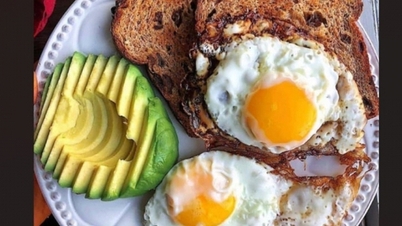
Breakfast should also include high-quality protein from eggs, plain yogurt, kefir, or low-salt fresh cheese to reach 20-30g of protein, helping you feel full longer and maintain stable energy throughout the day.
Additionally, people need to limit sodium and saturated fat by avoiding bacon or sausages, and instead opting for nut butters like peanut butter or almond butter.
People also need to develop the habit of reading nutrition labels to keep their sodium intake below 1,500 mg per day.
Breakfast can include fresh fruit or honey for natural sweetness. If you have a habit of drinking coffee every morning, you can omit or use less sugar and condensed milk. These small changes can significantly reduce the risk of diabetes and cardiovascular disease.
Planning breakfast in advance is key to maintaining a healthy habit. People can prepare overnight oatmeal, boiled eggs, or smoothies to save time, and choose easy-to-carry options like yogurt or fruit with whole-wheat bread to avoid skipping breakfast.
Over time, these solutions not only protect cardiovascular health but also improve overall well-being, helping you start your day full of energy.
Source: https://dantri.com.vn/suc-khoe/5-thoi-quen-an-sang-tan-pha-suc-khoe-20250826212349169.htm

![[Photo] General Secretary and President To Lam meets with National Assembly delegates from ethnic minorities.](https://vphoto.vietnam.vn/thumb/1200x675/vietnam/resource/IMAGE/2026/04/20/1776696701056_a1-bnd-8331-3342-jpg.webp)
![[Image] National Assembly discusses the implementation of the socio-economic development plan.](https://vphoto.vietnam.vn/thumb/1200x675/vietnam/resource/IMAGE/2026/04/20/1776696707422_ndo_br_img-20260420-185419-jpg.webp)































































































Comment (0)