

Hormone deficiency, unbalanced diet, frequent exposure to toxic environments, and underlying medical conditions are all factors that weaken sperm.
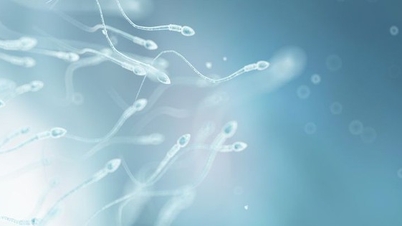
According to Dr. Doan Ngoc Thien (Department of Andrology, Tam Anh General Hospital, Ho Chi Minh City), weak sperm is a condition where both the quality and quantity of sperm are reduced. Specifically, the percentage of motile sperm is below 30%, and the percentage of live sperm is less than 54%. Each ejaculation typically results in semen volume less than 1.4 ml and a sperm count of less than 40 million. Weak sperm significantly impacts the success of conception and increases the risk of infertility in couples.
Any problems that occur during sperm production can potentially affect both quality and quantity. Dr. Ngoc Thien points out one such negative impacting factor.
Testosterone deficiency : Testosterone plays a crucial role in influencing Sertoli cells to produce sperm. Therefore, a lack of testosterone will directly affect the quality, quantity, and motility of sperm. This, in turn, affects the ability to conceive, leading to infertility.
Testosterone deficiency commonly occurs in men after age 30 due to internal aging and external factors such as stress, sedentary lifestyle, unbalanced diet, being overweight, and obesity. Normal testosterone levels in the blood are 10-35 nanomol/liter.

Excessive alcohol consumption is one of the causes of weakened sperm. (Image: Freepik)
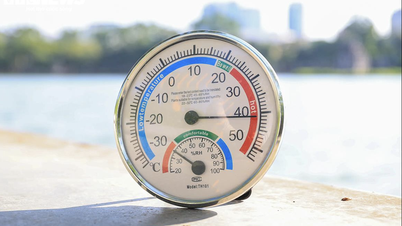
Genital temperature : The ideal temperature for testicular sperm production is 2 degrees Celsius lower than body temperature. Exposing this sensitive area to high temperatures can reduce sperm production and significantly increase the risk of abnormal sperm. High temperatures can also damage sperm DNA. According to the World Health Organization (WHO), men with a fever above 38.5 degrees Celsius may experience inhibited sperm production for up to six months. To protect fertility, men should avoid wearing overly tight clothing, sitting in one position for too long, and keeping phones or laptops on their laps while working, which can raise scrotal temperature above normal levels.
Unhealthy diet : An unbalanced diet, a poor menu lacking essential nutrients and vitamins such as A, E, amino acids, Omega 3, zinc, etc., can directly affect sperm production, leading to weak sperm. In addition, habits such as excessive alcohol consumption, smoking, stimulant use, and consumption of foods potentially contaminated with mercury or lead, or harmful substances from pesticides and herbicides, can affect sperm production and even cause infertility in men.
Environmental influences : Living in an environment with high-intensity radiation sources can damage spermatogonium, or cause chromosomal damage, leading to irreversible infertility or birth defects in subsequent generations. Additionally, low or high-frequency electromagnetic fields from household appliances, industrial electricity, etc., can also negatively affect spermatogenesis.
Medical conditions or side effects of medication : Inflammatory diseases of the reproductive organs such as orchitis, epididymitis, complications from mumps or bacterial infections, gonorrhea, syphilis... cause elevated temperature, leading to the formation of anti-sperm antibodies that can destroy the seminiferous epithelium, causing testicular atrophy, and resulting in infertility.
Furthermore, if a man suffers from kidney failure, liver failure, cancer, or autoimmune diseases, it can inhibit, reduce, or even stop, sperm production in the testicles (especially if he has undergone surgery or is currently undergoing chemotherapy or radiation therapy). Besides these medical conditions, the use of certain medications can also affect this production process, such as hormonal drugs and chemotherapy drugs used in cancer treatment.

Doctor Ngoc Thien is examining a patient. Photo: Provided by the hospital.
To accurately assess sperm health, men need to undergo a medical examination where a doctor can check clinical symptoms, the external genitalia, and gather information about the patient's medical history and sexual habits.
In addition, patients may undergo a semen analysis. If abnormalities are detected, the doctor may order further tests such as testicular ultrasound, testicular biopsy, prostate ultrasound, and post-ejaculatory urine test to detect retrograde ejaculation, Dr. Ngoc Thien added.
Quyen Phan
Source link










































































































Comment (0)