|
| Binh Phuoc Traditional Medicine Hospital implements electronic medical records, electronic prescriptions, and cashless payment. Photo: Ngan Ha |
When 5G digital infrastructure is invested in ahead of time, digital transformation can spread to every industry, sector, and community. This will open up many new development opportunities for technology-based services in the future.
Promoting comprehensive digital transformation
5G technology is considered to have a significant impact on socio -economic development, bringing innovation and increased productivity in many fields such as transportation, smart cities, finance, healthcare, agriculture, and education. With realistic and vivid experiences, especially in digital education, 5G networks are contributing to improving the quality of teaching and learning in many schools in Dong Nai.
Ms. Dang Thi Thu Thao, a lecturer at the Eastern College (Binh Phuoc Ward), said: "The school is promoting digital transformation, integrating technology into management and teaching. From digitizing learning materials and applying training management software to electronic lectures and vivid, visual technical simulations, learning becomes more effective. Therefore, 5G technology is greatly supporting data transmission, allowing students to experience the technology during lessons with the highest quality images and videos right in the classroom."
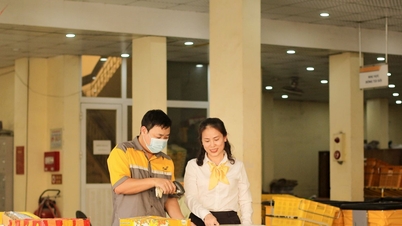
The 5G infrastructure covering most central areas is greatly supporting hospitals and medical facilities, ensuring seamless connectivity between treatment levels, rapid data and image transmission, and promoting smart healthcare. “In the goal of building a smart hospital, Binh Phuoc Traditional Medicine Hospital has implemented electronic medical records, electronic prescriptions, cashless payments; smart registration kiosks for examinations and treatments… When all management, operation, and healthcare activities are moved to a digital environment for storage, interconnection, and sharing of common data, 5G technology is the core foundation for promoting digital transformation in healthcare,” shared Mr. Le Quang Thai, Deputy Director of Binh Phuoc Traditional Medicine Hospital.
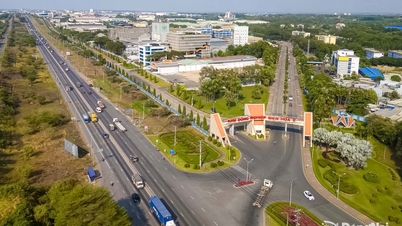
Dong Nai province is orienting its 5G coverage expansion towards efficiency and sustainability, prioritizing urban areas, industrial parks, high-tech zones, logistics centers, and areas with extremely high demand for digital connectivity applications, especially in the following sectors: electricity, electronics, automation, and next-generation industries.
You may also like

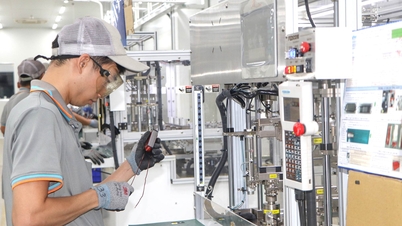
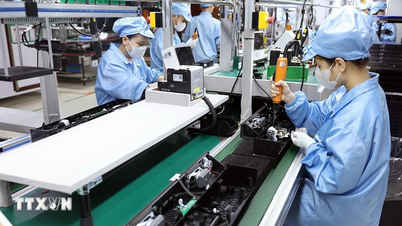
Leverage for developmentBridging the digital divide requires synchronization between telecommunications infrastructure and digital skills. Da Nang is implementing various solutions to shorten the digital divide, transforming data into a driving force for development. With 5G base stations being built in industrial zones, factories are being able to accelerate the application of automation technology, the Internet of Things (IoT), and real-time production monitoring. This is considered a crucial factor in the context of the city's strong development of high-tech industries and modern logistics. Mr. Nguyen Xuan Thang, an IT staff member at Freewell Co., Ltd., Bac Dong Phu Industrial Park (Dong Phu Ward), said: "With its strong transmission speed, 5G is promoting the connection of automated machinery, data transmission, and more efficient connection of production lines. It also helps business leaders remotely monitor the production process at each stage and the operational status of the factory."
One of the most significant social implications of 5G infrastructure development is its ability to bridge the digital divide between urban and rural areas. With 5G connectivity and high-speed internet, Ms. Pham Thi Trang (owner of Me Ro food business in Binh Tan commune) has leveraged digital platforms to livestream sales, promoting local specialties to a wider market. A single livestream session, lasting just a few hours, generates 1,500-2,000 orders from customers nationwide. 5G not only brings speed but also opportunities. Thanks to stable connectivity, producers can directly reach consumers, reducing intermediaries, increasing product value, and improving income.
Accelerating the development of 5G technology.
The development of 5G network infrastructure in Dong Nai City has achieved positive results. Nearly 1,900 5G base stations have been installed throughout the city, with approximately 60% of the population covered by 5G. Telecommunications businesses and units are implementing various solutions to develop mobile subscriber technology, improve telecommunications service quality, and expand 5G coverage to remote areas to serve the development of digital government, digital economy, and digital society.
Mr. Nguyen Truong Tung, Deputy Director of VNPT Dong Nai, stated: VNPT is committed to developing a synchronized digital infrastructure between urban and rural areas. In 2026 and the following years, VNPT will continue to develop 5G infrastructure at public administrative service centers and commune/ward People's Committees in the city to ensure that government agencies, citizens, and businesses have access to high-quality, safe, and stable telecommunications and internet services, serving learning, production, business, and convenient access to digital transformation services.
Besides state investment, telecommunications enterprises play a crucial role in building a synchronized telecommunications infrastructure system. With its resources and technological strengths, Viettel Group's Dong Nai branch has invested heavily in infrastructure development, providing telecommunications and information technology services, developing digital infrastructure, and improving telecommunications systems, fiber optics, and broadband. This includes investing in 1,500 5G base stations. Viettel also plans to expand coverage to remote areas, aiming to develop 1,200 stations by 2026 to support Dong Nai in building a smart city.
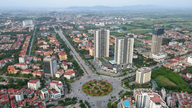
To achieve the goal of building smart, modern cities, 5G technology plays the role of the "digital nervous system" of smart cities. With ultra-high speeds, extremely low latency, and the ability to connect millions of devices simultaneously, 5G helps solve complex problems related to transportation, energy, security, and urban management.

Vietnam encourages US businesses to expand investment in high technology.On the morning of June 26th, at the Government Headquarters, Deputy Prime Minister Ho Quoc Dung received Mr. Jeff Place, Supply Chain Director of Coherent Group (USA). During the meeting, the Deputy Prime Minister affirmed that Vietnam encourages US businesses to expand investment, especially in high-tech, innovation, and semiconductor industries. 5G is an inevitable technological development trend and one of Dong Nai's digital infrastructure strategies until 2030. In the future, the city will continue to develop many large-scale new urban areas, allowing for the deployment of smart cities based on data, real-time information, and automation models. In line with the spirit of Resolution No. 57-NQ/TW, Dong Nai city aims for 100% of communes, wards, industrial zones, public areas, key tourism development areas, and train stations/airports to have 5G mobile services, and is ready to move towards piloting 6G mobile networks in the future.
Galaxy
Source: https://baodongnai.com.vn/chuyen-doi-so/202606/5g-be-do-cua-ha-tang-so-hien-dai-d710163/