Some common foods in the diet become potential sources of inflammation. If consumed regularly, they can increase the risk of various diseases such as heart disease and diabetes.
Inflammation is the body's way of reacting to injury, allergens, or infection... However, the body's constant daily exposure to substances that trigger inflammatory responses, even when unnecessary, can be harmful.
Certain foods can potentially cause inflammation in the body. Therefore, to protect long-term health, identifying which foods are more likely to cause inflammation is very helpful in avoiding or limiting their consumption.
1. Which foods cause inflammation?
- Refined grains: When grains are refined, fiber, vitamins, and minerals that have anti-inflammatory effects are removed. Examples of foods containing refined grains include:
- White bread
- White rice
- White flour cereals
Refined grains contribute to inflammation in several ways, including:
+ Because carbohydrates break down quickly, they cause a spike in blood sugar. A sudden increase in blood sugar can easily lead to an inflammatory response.
+ Refined grains are highly processed foods, which is another way they can contribute to inflammation.
- Refined sugar: Eating foods containing added refined sugar is linked to diabetes and weight gain. Sugary drinks are a major source of added sugar in many people's diets today. Refined sugar increases inflammation, while natural sugars, such as those found in fruits and milk, are healthier.

When blood sugar levels spike, it can easily lead to an inflammatory response.
- Sodium: High sodium (salt) levels affect the body in many ways, causing high blood pressure and potentially increasing inflammation. This can contribute to conditions such as stroke, heart disease, and kidney disease.
- Red meat and processed meat: Red meat is high in saturated fat. Diets high in red meat are associated with high levels of bad cholesterol and chronic inflammation. Processed red meat is even worse for inflammation, as it also tends to be high in salt. Examples of processed red meat include dried meat, sausages, cold cuts, bacon, etc.
- Trans fats: These are the worst type of fat, causing inflammation by increasing bad cholesterol (low-density lipoprotein or LDL) without increasing good cholesterol (high-density lipoprotein or HDL).
Trans fats allow food to last longer, so they are often found in packaged foods. Therefore, when buying food, pay attention to the food label and try to avoid "hydrogenated" or "partially hydrogenated" fats.



- Ultra-processed foods: Eating ultra-processed foods can lead to inflammation, as they often contain added sugar, trans fats, and/or refined grains. These foods also contain preservatives and additives that extend shelf life but can contribute to chronic inflammation. Common ultra-processed foods include sugary soft drinks, potato chips, pastries, candy, etc.
2. How do inflammatory foods affect the body?
A diet that consistently includes inflammatory foods will harm the body's cells and organs, causing chronic inflammation.
Chronic inflammation can cause:
- Insulin resistance and diabetes
- Overweight, obesity
- High blood pressure, high cholesterol, heart disease, rheumatoid arthritis...
- Chronic pain, especially joint pain.
- Crohn's disease
- Some types of cancer
- Neurological diseases…
3. Common anti-inflammatory agents
Just as some foods can increase inflammation, others can help reduce inflammation in the body. Overall, a diet consisting primarily of whole, unprocessed foods can help fight inflammation.
Common anti-inflammatory nutrients include:
- Omega-3 fatty acids are found in fatty fish, nuts, and vegetable oils.
- Antioxidants are found in leafy green vegetables and berries;
- Fiber is found in plant-based foods such as whole grains, beans, and fruits;
- Spices such as turmeric, ginger, and cinnamon…
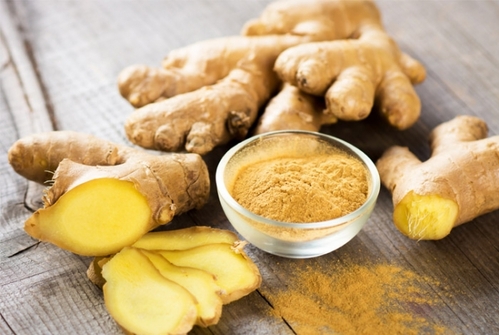
Ginger, a popular anti-inflammatory spice.
4. Dietary changes can help reduce chronic inflammation.
You don't need to cut out any high-inflammation foods; just small changes and swaps can make a difference, and here's how you can try them.
- Choose more nutritious whole grains: Instead of refined grains, try adding whole grains such as oats, brown rice, whole-wheat bread and pasta, millet, wheat, etc.
- Eat more lean protein: Incorporate less inflammatory proteins like chicken or lentils instead of beef; replace traditional breakfast meats with eggs; add beans and legumes, nuts and seeds, and cold-water fish like salmon and tuna to your diet. Fish and nuts may be higher in fat, but they contain many healthy fats that are good for the heart.
- Drink tea: Tea contains antioxidants and polyphenols that help reduce inflammation. Unsweetened green tea, in particular, is believed to help fight inflammation, boost immunity, and promote cardiovascular health.
- Incorporate vegetables whenever possible: Vegetables contain fiber, which helps reduce the body's insulin response, thus reducing inflammation.



5. Some anti-inflammatory diets
- Mediterranean diet: This eating style focuses on whole foods containing healthy fats and proteins. It is rich in fruits, vegetables, legumes, lean protein, nuts, whole grains, olive oil, etc. Dairy, fish, and red wine are also common in this diet, but they are consumed in moderation. Red meat and processed meats are rarely consumed.
- The DASH diet: The DASH diet stands for Dietary Approaches to Preventing Hypertension. This diet focuses on limiting salt (a common inflammatory agent) and emphasizing heart-healthy foods such as fruits, vegetables, whole grains, nuts, seeds, and lean protein.
- Nordic diet: This diet is based on foods common in Northern Europe, rich in fruits, vegetables, and cold-water seafood, and low in common inflammatory foods such as added sugar, processed meats, and alcohol.
- Washoku diet: Originating in Japan, this diet emphasizes seasonal plant-based foods, including seaweed, soybeans, and green tea. It also incorporates fish and is low in sugar, animal protein, and fat.
Processed meats, added sugars, and refined grains are considered inflammatory foods. When consumed regularly, these foods can contribute to chronic inflammation. This can damage the body's tissues and organs, leading to health problems such as heart disease and diabetes. Eating a variety of fruits, vegetables, plant-based proteins, and whole grains can help reduce the risk of inflammation and long-term health conditions.
Source: https://giadinh.suckhoedoisong.vn/6-loai-thuc-pham-gay-viem-172250212224008067.htm