

Cucumbers, bananas, papayas, ginger, and pineapples provide enzymes that help the digestive system break down proteins, reducing bloating and gas.
Bloating is a condition where excess gas accumulates in the stomach, causing abdominal distension, discomfort, and fatigue. This condition occurs at all ages and is not usually dangerous, but if it persists, it can affect digestion, absorption, and daily activities.
According to nutritionist Nguyen Thi Quynh from the Nutrition Department of Tam Anh General Hospital in Hanoi, several habits can lead to bloating, such as unhealthy eating habits, digestive disorders, and lactose intolerance. Gastrointestinal diseases like gastroesophageal reflux, gastritis, ulcers, hepatitis, and gallstones can also cause these symptoms. Below are some foods that can help reduce bloating.
Fermented yogurt : Contains many beneficial bacteria that help balance the gut microbiome and reduce bloating. This food also helps regulate bowel movements and prevent gas buildup. It's best to eat yogurt after meals to prevent constipation and improve digestion.
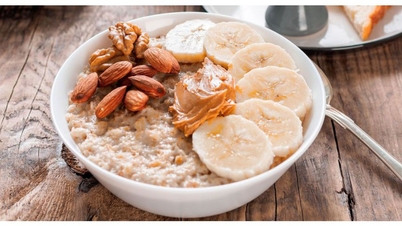
Bananas : An average banana contains 9% of the recommended daily intake of potassium. Potassium-rich foods prevent water retention by regulating sodium levels in the body, improving bloating caused by eating salty foods. This condition can also be caused by constipation. Bananas are high in fiber, which can reduce or prevent constipation. Other potassium-rich foods that benefit the digestive system include raisins, apricots, oranges, lentils, spinach, etc.
Papaya : The enzyme papain in papaya helps break down proteins in the digestive system, making food easier to digest. Furthermore, papaya is high in fiber, supporting a healthy digestive tract and reducing stomach discomfort.
Pineapple : Contains the enzyme bromelain, which aids in protein digestion and reduces bloating. However, you shouldn't eat too much pineapple at once; consume a maximum of 200-300g per day.
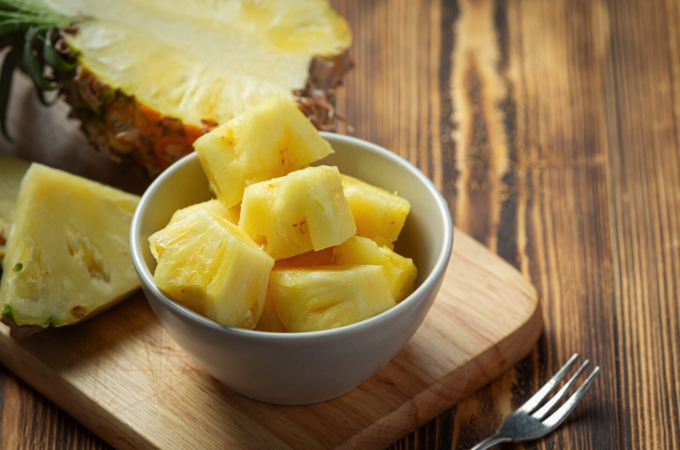
Eating pineapple in moderation can reduce bloating. (Image: Freepik)
Ginger and cinnamon : Ginger contains the digestive enzyme zingibain, which helps the digestive system break down proteins, digest food efficiently, and reduce bloating and constipation. Sipping homemade ginger tea by slicing a few pieces of ginger into a cup of hot water and steeping for 5-10 minutes can improve bloating and gas. Cinnamon is rich in antioxidants that eliminate excess gas and are beneficial for health.
Peppermint and chamomile tea : People who experience bloating and gas after meals can enjoy a hot cup of peppermint or chamomile tea. Both teas help relax the digestive system, relieve gas, and reduce bloating. In addition to improving digestion, chamomile also soothes and relaxes the stomach, reducing discomfort.
According to specialist Quynh, other habits such as eating regular meals at the right times, avoiding overeating, eating slowly, chewing thoroughly, exercising regularly every day, and drinking enough water can help reduce bloating. People experiencing this condition should eat soft, liquid, and easily digestible foods, and avoid foods that can cause gas such as sweets, greasy foods, and sugary drinks.
If the above methods do not improve your bloating, you should see a doctor for a diagnosis of the underlying cause.
Emerald
| Readers can ask questions about digestive diseases here for doctors to answer. |
Source link


![[Photo] General Secretary and President To Lam and the President of the Philippines hold talks.](https://vphoto.vietnam.vn/thumb/1200x675/vietnam/resource/IMAGE/2026/06/01/1780286997787_anh-man-hinh-2026-06-01-luc-11-09-43.png)




































































































Comment (0)