

Sore throat is a very common symptom that can appear with changes in weather, after a cold, upper respiratory infection, or simply due to talking too much, staying up late, eating spicy food, etc. For many people, a sore throat is only temporary and may resolve on its own, but there are also many cases where it recurs, lasts a long time, causes discomfort, and affects eating, communication, and daily activities.
- 1. Licorice – a remedy that helps relieve sore throats.
- 2. Platycodon grandiflorus
- 3. Honeysuckle
- 4. Scrophularia
- 5. Monk fruit
- 6. Peppermint
- 7. Ophiopogon japonicus
- 8. Kha Tu
Traditional medicine utilizes many herbs to relieve sore throats, including familiar, readily available, and easy-to-use medicinal plants that are suitable for daily health care if used correctly.
This article introduces some traditional medicine remedies commonly used to relieve sore throats, providing readers with safer options for caring for and protecting their respiratory health.
1. Licorice – a remedy that helps relieve sore throats.
Licorice root (Radix Glycyrrhizae) is a familiar medicinal herb with a sweet taste and neutral properties, acting on the Lung, Spleen, and Heart meridians. In Traditional Chinese Medicine, licorice root is used to tonify Qi, clear heat, detoxify, moisten the lungs, and benefit the throat. It is often used in prescriptions to treat sore throat, hoarseness, and coughs with throat irritation.
According to modern research, licorice contains glycyrrhizin, flavonoids, and saponins that have anti-inflammatory effects, reduce swelling of the throat mucosa, and inhibit certain respiratory bacteria and viruses.
Use:
- Steep 4–6g of licorice root in boiling water and drink throughout the day.
- Licorice can be combined with platycodon or luohan fruit to enhance its effect in relieving sore throats.
Note: High doses or prolonged use of licorice should be avoided in people with hypertension, edema, or kidney failure.

Licorice has the effect of tonifying qi, clearing heat, detoxifying, moistening the lungs, benefiting the throat, and helping to relieve sore throat.
2. Platycodon grandiflorus
Platycodon root (Radix Platycodi) has a bitter and pungent taste, is neutral in nature, and acts on the Lung meridian. It is a characteristic herb in remedies for sore throat, throat pain, cough with excessive phlegm, and hoarseness.
According to Traditional Chinese Medicine, Platycodon grandiflorus has the effect of clearing the lungs, benefiting the throat, reducing inflammation, eliminating phlegm, and helping to clear the upper respiratory tract. Modern medicine shows that Platycodon grandiflorus contains saponins which have expectorant, anti-inflammatory, and anti-irritant effects on the throat mucosa.
Directions for use: Take 6–10g of Platycodon grandiflorus, decoct and drink, or combine with licorice and honeysuckle in cases of sore throat due to inflammation.

Platycodon root has the effect of clearing the lungs, benefiting the throat, reducing inflammation, eliminating phlegm, and helping to clear the upper respiratory tract.
3. Honeysuckle
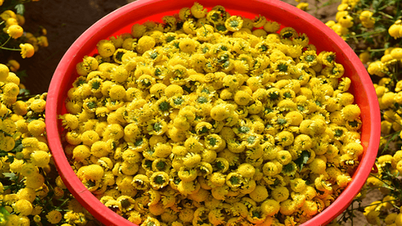
Honeysuckle (Flos Lonicerae) has a sweet taste, a cooling nature, and acts on the Heart, Lung, and Stomach meridians. It is a leading herb in treating sore throats, acute pharyngitis, and swollen tonsils caused by wind-heat.
In Traditional Chinese Medicine, honeysuckle is used to clear heat, detoxify, reduce inflammation, and dispel wind-heat. Modern studies show that honeysuckle has antibacterial and antiviral properties and reduces inflammatory reactions in the throat mucosa.
Directions: Steep 10–15g of honeysuckle flowers in boiling water and drink as tea; suitable for cases of sore throat accompanied by mild fever, dry mouth, and red throat caused by wind-heat.
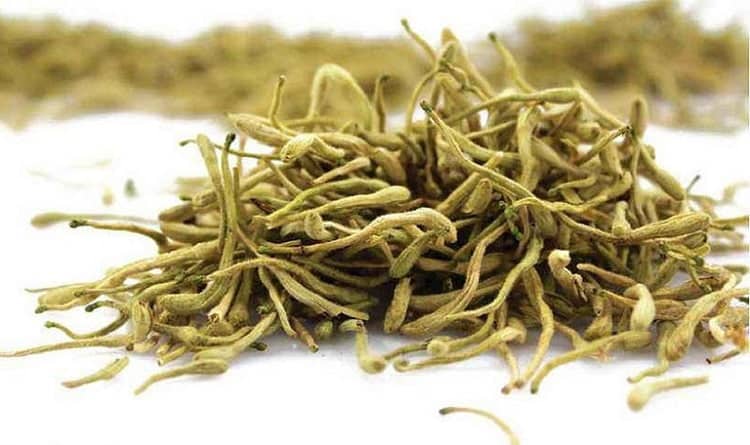
Honeysuckle is a leading remedy for treating sore throats, acute pharyngitis, and swollen tonsils caused by wind-heat.
4. Scrophularia
Scrophularia root (Radix Scrophulariae) has a sweet and bitter taste, a cooling nature, and acts on the Lung, Stomach, and Kidney meridians. This herb is particularly suitable for people with chronic sore throats, dry and irritated throats, those who talk a lot, and those with hoarseness; it is especially suitable for those in teaching professions.
According to Traditional Chinese Medicine, Scrophularia root has the effects of nourishing yin, reducing heat, detoxifying, and benefiting the throat. From a modern perspective, Scrophularia root has anti-inflammatory effects, protects the throat mucosa, and reduces dryness and irritation.
Use: Use 8–12g of Scrophularia root, decocted for drinking or brewed as tea.

Scrophularia has anti-inflammatory effects, protects the throat lining, and reduces dryness and irritation.
5. Monk fruit
Monk fruit has a sweet taste, a cooling nature, and acts on the Lung and Large Intestine meridians. In folk medicine, monk fruit is commonly used to relieve sore throats, hoarseness, and dry coughs, and is particularly safe for children and the elderly. Monk fruit has the effect of clearing and moistening the lungs, and generating body fluids. Modern research shows that this herb contains mogroside, which has anti-inflammatory, antioxidant, and soothing effects on the throat mucosa.
Instructions: Crush ½ - 1 monk fruit, steep in boiling water and drink throughout the day; it can be combined with licorice or platycodon.
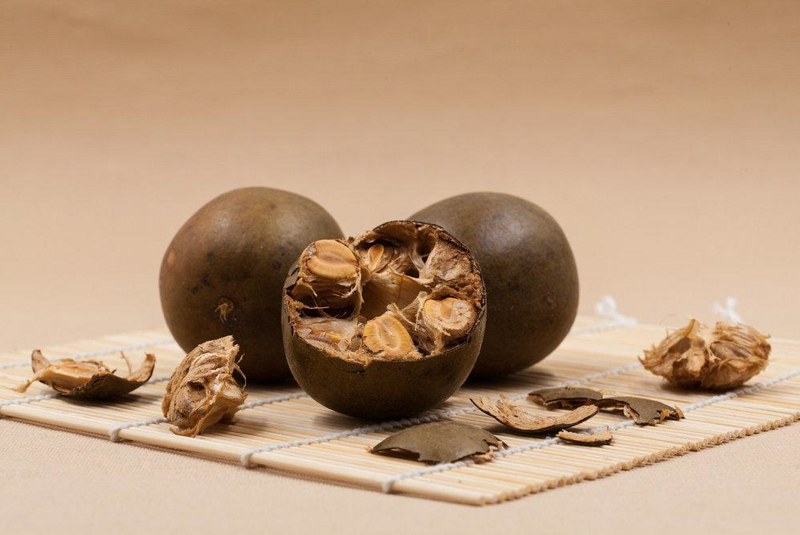
In folk medicine, monk fruit is often used to relieve sore throats, hoarseness, and dry coughs.
6. Peppermint
Peppermint (Herba Menthae) has a pungent taste, a cooling nature, and acts on the Lung and Liver meridians. This herb is commonly used for sore throats accompanied by nasal congestion, mild fever, and colds with wind-heat. Peppermint has the effect of dispelling wind-heat, clearing the head and eyes, and benefiting the throat. Peppermint essential oil has mild antibacterial properties and reduces the burning sensation in the throat.
Use: Dried mint (3–6g) can be steeped in boiling water and drunk; high doses should be avoided, especially in people with weak or cold spleen and stomach.
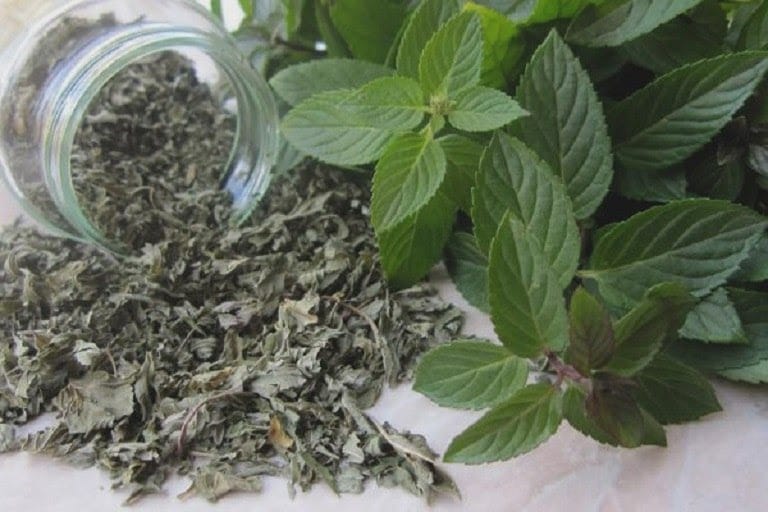
Mint has the effect of dispelling wind-heat, clearing the head and eyes, and benefiting the throat.
7. Ophiopogon japonicus
Ophiopogon japonicus (Radix Ophiopogonis) has a sweet, slightly bitter taste, a cooling nature, and acts on the Lung, Stomach, and Heart meridians. It is an important herb in treating dry, sore throats, persistent throat irritation, and hoarseness, especially in individuals with yin deficiency and poor body fluids. Ophiopogon japonicus nourishes yin, moistens the lungs, generates body fluids, and clears the mind; it helps replenish body fluids, moisturize the throat mucosa, thereby reducing pain and restoring the throat's natural protective function.
From a modern perspective, Ophiopogon japonicus contains ophiopogonin, a polysaccharide, which has anti-inflammatory and antioxidant effects, protects the respiratory tract mucosa, and supports increased physiological mucus secretion, helping to relieve dryness and soothe the throat.
Directions for use: Take 10–15g of Ophiopogon japonicus, decoct in water and drink daily; it can be combined with Scrophularia ningpoensis and licorice in cases of chronic sore throat and prolonged hoarseness.
Note: Ophiopogon japonicus should not be used when experiencing diarrhea, bloating, or spleen and stomach deficiency with cold symptoms.
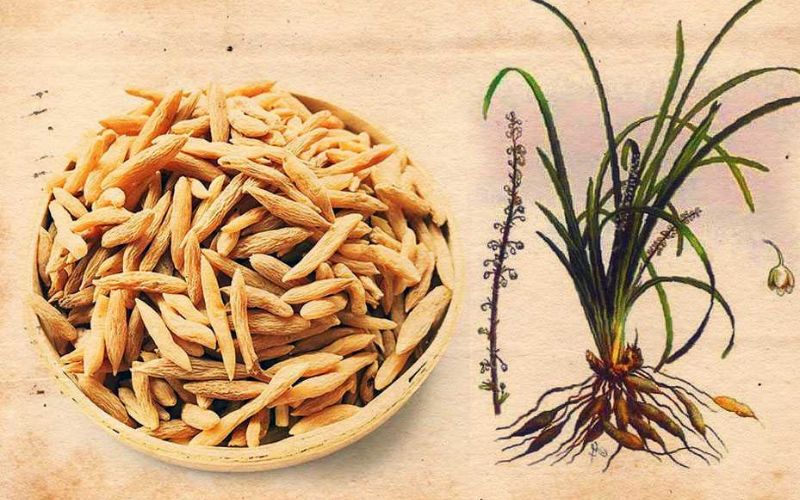
Ophiopogon japonicus helps replenish body fluids, moisturize the throat lining, and thus reduce pain.
8. Kha Tu
Terminalia chebula fruit (Fructus Terminaliae Chebulae) has an astringent, slightly bitter taste, is warm in nature, and acts on the Lung and Large Intestine meridians. In traditional medicine, Terminalia chebula is a typical herb with the effect of astringing the lungs, benefiting the throat, and relieving cough. It is often used in chronic pharyngitis, persistent sore throat, hoarseness, and loss of voice.
Persistent sore throat is often not simply due to wind-heat, but is also related to weakened lung qi and damaged lung yin, making the throat mucosa prone to inflammation, damage, and slow recovery. Terminalia chebula, with its astringent and lung-strengthening effects, helps to firm the throat mucosa, reduce secretions, and thus alleviate the burning, throat-sore sensation and hoarseness.
Modern research shows that Terminalia chebula contains many tannins, gallic acid, and chebulinic acid, which have antibacterial, anti-inflammatory, and astringent effects on the mucous membrane, supporting the recovery of damage in the throat and larynx.
Instructions: Take 1-2 Terminalia chebula fruits (about 3-6g), lightly roast them, crush them, steep in boiling water and drink, or suck on and swallow gradually; Terminalia chebula can be combined with licorice to both astringe and soothe the throat.
Note: Do not use high doses or prolonged use of Terminalia chebula in people with constipation or severe dry mouth due to excessive heat in the body.
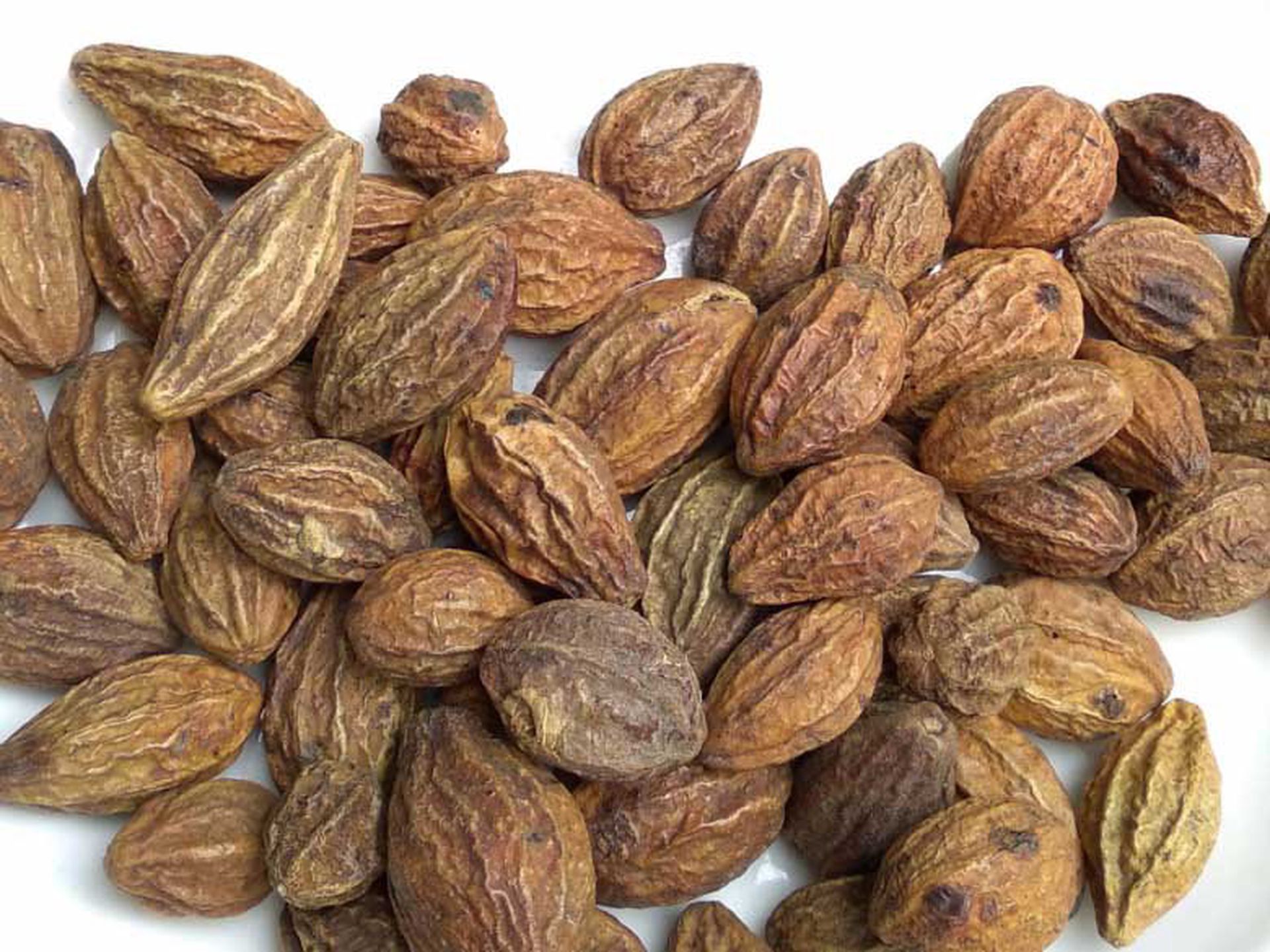
Terminalia chebula is commonly used in the treatment of chronic pharyngitis, persistent sore throat, hoarseness, and loss of voice.
Sore throat is a common symptom and can recur if not treated properly. Treatment for a sore throat requires both local symptom relief and regulating the internal organs, balancing heat and cold. The above herbal remedies are effective in relieving sore throats when used correctly according to the specific condition. However, patients should not self-medicate, especially if the sore throat is prolonged or accompanied by severe symptoms; they should consult a specialist doctor for advice and examination.
See more trending articles:
Source: https://suckhoedoisong.vn/8-vi-thuoc-giup-giam-dau-hong-169260127153317414.htm



































































































Comment (0)