

From the Southeast Asian arena to the Olympic gold medal
Prior to Vietnam's reintegration into international sports in 1989, many foreign experts from the former Soviet Union, Cuba, and other countries came to work in Vietnam. However, it was only when Vietnamese sports collaborated with foreign experts through specific contracts, and national teams competed more frequently internationally, that the effectiveness became more apparent.
In football – a sport that receives much attention – the influence of foreign coaches has become even more pronounced. From the time of Brazilian coach Edson Tavares, Vietnamese football began to embrace professional coaching philosophies. Under his leadership, the Vietnamese national team reached the semi-finals of the 1995 Independence Cup and competed on equal footing with foreign opponents in terms of physical fitness and endurance, thereby strengthening confidence in their international competitiveness. Following him, German coach Karl-Heinz Weigang brought discipline and tactical organization, leaving his mark with the Silver Medal at the 18th SEA Games in 1995.
A major turning point came under Portuguese coach Henrique Calisto, when the Vietnamese national team won the AFF Cup for the first time in 2008 - a historic milestone for Vietnamese football.
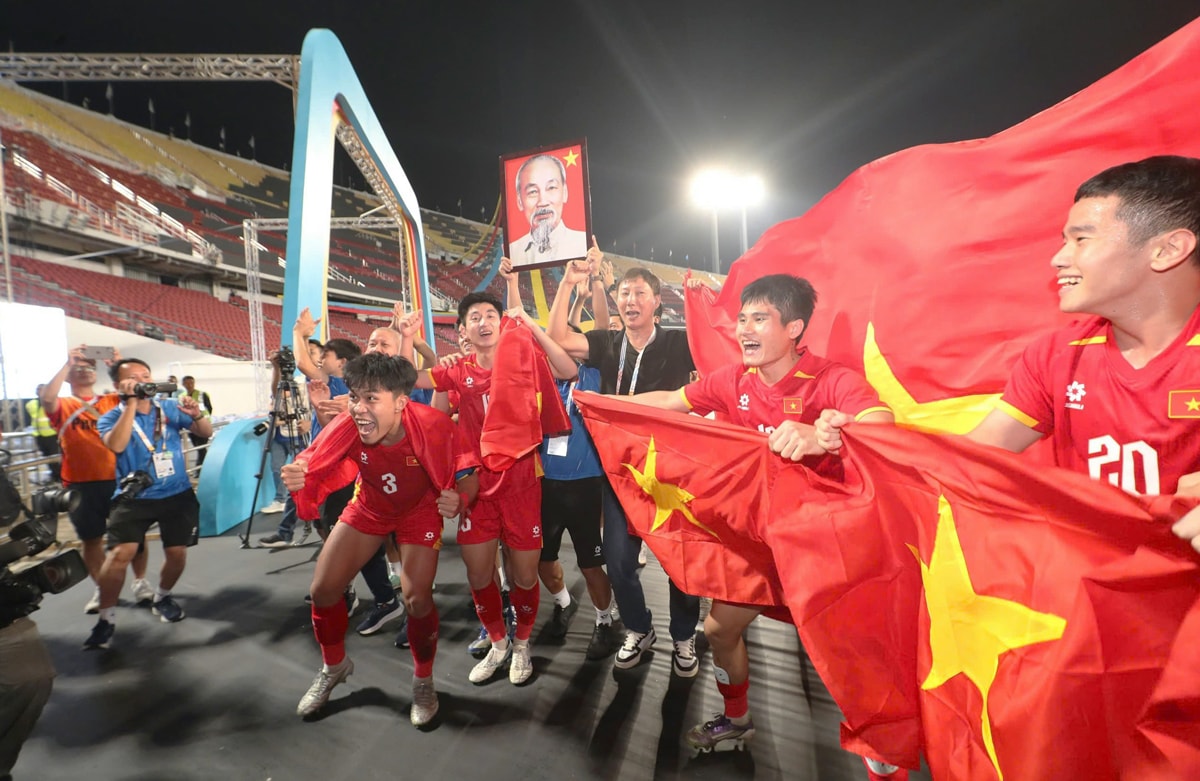
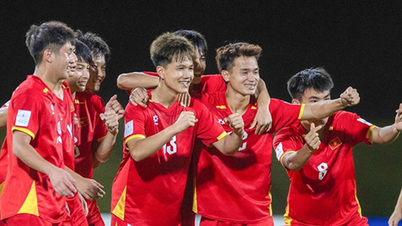
Subsequently, South Korean coach Park Hang-seo created a period of brilliant success. Under his leadership, Vietnamese football won the runner-up title at the 2018 AFC U23 Championship, the 2018 AFF Cup (ending a 10-year wait for a regional title), and two gold medals in men's football at the 30th and 31st SEA Games. Notably, the gold medal at the 30th SEA Games ended a 60-year wait for this title in Vietnamese football.
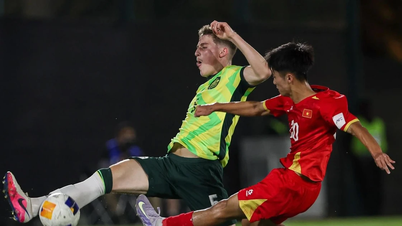
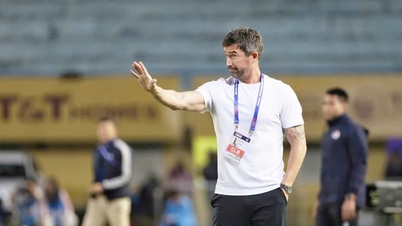
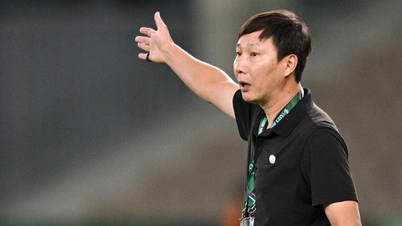
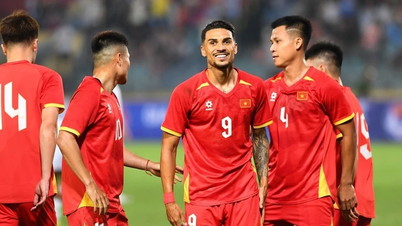
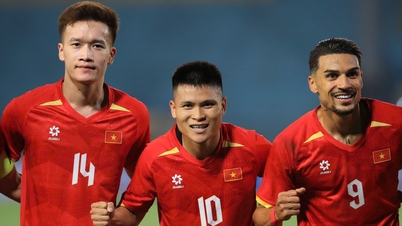
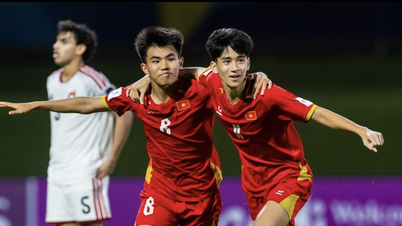
To date, South Korean coach Kim Sang-sik continues to make his mark with the Vietnamese national teams, winning the AFF Cup 2024 (ending in early January 2025), the U23 Southeast Asian Championship 2025, and the SEA Games 33 in 2025. According to football expert Phan Anh Tú, this shows that the trend of hiring foreign experts remains effective, especially in the context of Vietnamese football aiming for higher goals on the continent.
In Olympic sports other than football, the role of foreign experts has also been demonstrated through memorable milestones. At the 2008 Beijing Olympics, weightlifter Hoang Anh Tuan won a silver medal with the support of Bulgarian expert Stefan Topurov. At the 2012 London Olympics, weightlifter Tran Le Quoc Toan finished fourth (later promoted to bronze medal because the athlete above him tested positive for performance-enhancing drugs) with the assistance of Bulgarian expert Dian Deikov. The pinnacle was the 2016 Rio Olympics, when shooter Hoang Xuan Vinh won a historic gold medal in the 10m air pistol event, with the significant contribution of expert Park Chung-gun (South Korea).
Hanoi 's proactive approach
Not only at the national team level, but Hanoi's sports scene – one of the country's major sports centers – also recognizes the prominent role of international experts. For many years, Chinese experts have contributed to building a solid foundation for strong sports such as wushu, weightlifting, and table tennis. In addition, there have been contributions from Russian experts in wrestling and Thai experts in petanque. Furthermore, since the late 1980s, Russian experts have worked with Hanoi's youth football team, yielding initial positive results.
Meanwhile, the Hanoi boxing team is receiving support from expert Tawan Mungphingklang from Thailand, a country with a leading boxing tradition in Southeast Asia. The expert's collaboration over the past decade has helped athletes access modern training methods, improving their physical fitness, technical skills, and competitive spirit. As a result, Hanoi boxers like Nguyen Thi Tam and Ha Thi Linh, representing the national team, have won medals at world championships. Nguyen Thi Tam, in particular, won silver medals at the World Championships in 2021 and 2025. Nguyen Nhu Cuong, head of the Hanoi boxing department (Hanoi Sports Training and Competition Center), believes that the presence of expert Tawan Mungphingklang has brought new vitality to the training process.
Currently, Hanoi's sports sector has foreign experts in wrestling and boxing. In the near future, several Chinese experts are expected to work with the weightlifting, swimming, and even table tennis teams. However, the progress depends on the completion of the relevant procedures.
A significant advantage is the improved financial capacity of Vietnamese sports. With a maximum salary of approximately $8,000 per month as stipulated by regulations, the Vietnam Sports Department and local authorities have the means to attract and recruit high-quality experts from developed sports nations.
In reality, from Olympic medals to regional and continental titles, Vietnamese sports have consistently shown the strong influence of foreign experts. Looking ahead, effectively utilizing this resource alongside developing domestic capabilities will be key to Vietnamese sports continuing to rise on the world map.
Source: https://hanoimoi.vn/the-thao-viet-nam-dam-dau-an-chuyen-gia-ngoai-742214.html

![[Image] "Journey of Hope" promotes the organ and tissue donation movement in Vietnam.](https://vphoto.vietnam.vn/thumb/1200x675/vietnam/resource/IMAGE/2026/05/20/1779294400833_1-8910-jpg.webp)
















































Comment (0)