

Cucumbers are generally considered a safe and healthy food. They are also high in water content, helping to maintain the body's water balance. Technically, they are a fruit, a close relative of cantaloupe, rich in fiber, antioxidants, and essential nutrients. Because of this, cucumbers are a popular choice in salads, smoothies, and snacks.
- 1. People with diabetes should eat cucumbers with caution.
- 2. People with sinusitis or respiratory illnesses should avoid eating cucumbers.
- 3. People allergic to cucumbers or with oral allergy syndrome.
- 4. People with sensitive digestive systems or those with IBS.
However, cucumbers aren't suitable for everyone. For some, this fruit can cause unwanted side effects, ranging from indigestion to allergies, and even worsen existing health conditions. Understanding how cucumbers interact with different health conditions will help you choose a safer and more effective diet.
Here are some people who should limit or avoid eating cucumbers:
1. People with diabetes should eat cucumbers with caution.
According to information published on the Toi website, cucumbers are generally safe for people with diabetes due to their low calorie and carbohydrate content. However, cucumber seeds can sometimes cause hypoglycemia, especially in people using insulin or blood sugar-lowering medications. This can lead to tremors, dizziness, fatigue, or weakness.
For people with diabetes, monitoring blood sugar levels when eating cucumbers, especially those with seeds, is essential. Eating them in moderation and combining it with a balanced diet helps prevent sudden drops in blood sugar.
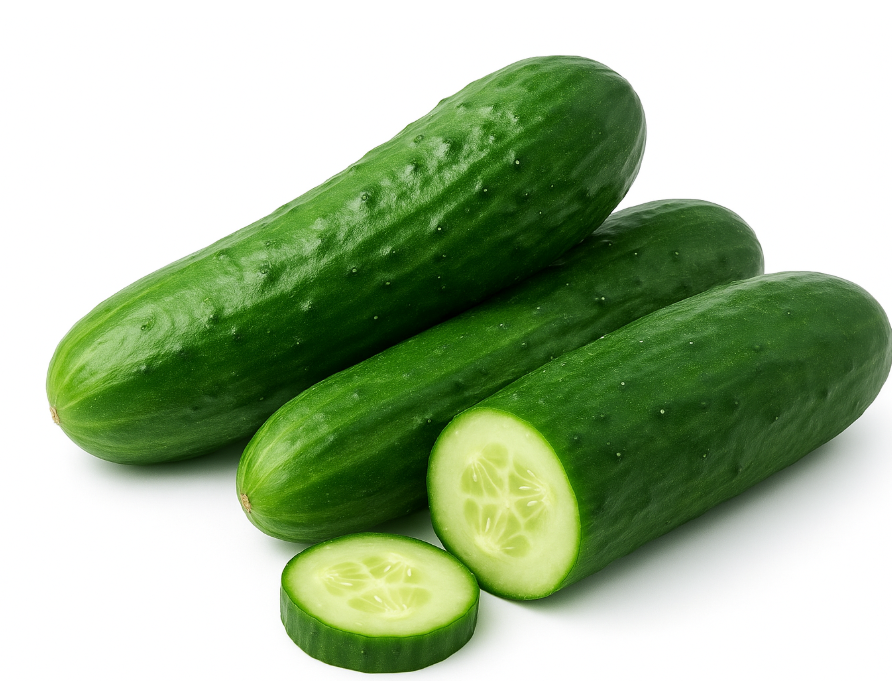
Cucumbers are delicious and nutritious, but some people should limit or avoid eating them for their health.
2. People with sinusitis or respiratory illnesses should avoid eating cucumbers.
According to some traditional remedies, cucumbers are considered a "cooling food." This property, along with their high water content, can stimulate mucus production, worsening nasal congestion, coughs, or colds.
People with sinusitis, asthma, bronchitis, or chronic colds may experience symptom flare-ups, especially when eating raw or cold cucumbers. For this group, warm, comforting foods should be prioritized, and raw cucumbers should be avoided to prevent respiratory problems.
3. People allergic to cucumbers or with oral allergy syndrome.
Cucumber allergies are less common than nut or seafood allergies, but they can still occur. Symptoms can range from mild to severe and include:
- Itchy mouth or throat
- Swelling of the lips or face
- Skin rash
- Nausea, vomiting
In rare cases, contact with cucumbers can lead to anaphylaxis. Some people experience a reaction due to oral allergy syndrome, when the body mistakes the proteins in cucumbers for pollen allergens.
A study published in Oxford Academic noted that workers handling cucumbers in greenhouses experienced symptoms of asthma, runny nose, and rashes. This suggests that even casual contact with cucumbers can trigger allergic reactions. Anyone experiencing unusual symptoms after eating cucumbers should avoid this fruit and seek medical advice.
4. People with sensitive digestive systems or those with IBS.
Cucumbers contain cucurbitacin, a natural compound that gives the fruit its bitter taste and may cause digestive discomfort in some people.
Common symptoms include:
- Bloating, abdominal distension
- Burping, cramps...
People with irritable bowel syndrome (IBS), acid reflux, or slow digestion may experience this more noticeably.
To reduce the risk of indigestion, you should:
- Limit the amount of cucumber you eat at each time.
- Choose a "non-burping" type that contains less cucurbitacin.
If cucumbers regularly cause discomfort, avoiding them entirely may help keep your digestive system comfortable.
Cucumbers are a nutritious food, rich in water and fiber, suitable for most diets. However, people with diabetes, respiratory illnesses, allergies, or sensitive digestive systems should eat them in moderation, choose varieties that are gentle on the intestines, or avoid them entirely if necessary.
Understanding your body's reaction and adjusting your intake will help you enjoy the benefits of cucumbers without risking your health.
Note: This article is for informational purposes only and does not replace medical advice, diagnosis, or treatment. Always consult a healthcare professional before making any dietary changes or treating any medical condition.
Readers are invited to read more:
Source: https://suckhoedoisong.vn/ai-nen-tranh-an-dua-chuot-169251201163314103.htm










































































































Comment (0)