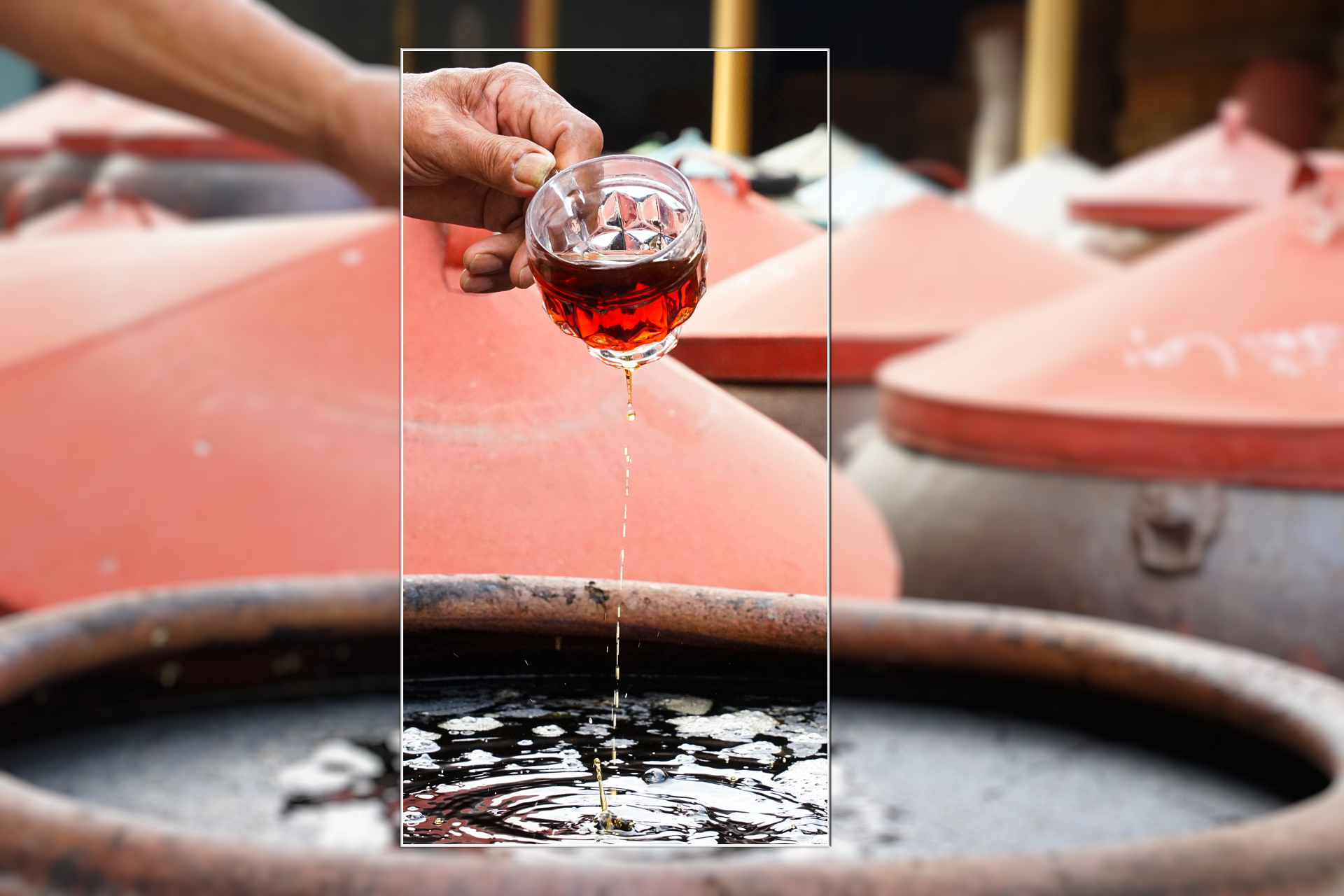
Phan Thiet fish sauce is not only a livelihood but also a cultural feature of the fishermen in the Lam Dong coastal region.

In the early days of the new year, many traditional fish sauce production facilities in Phu Hai and Phu Thuy wards (Lam Dong province) continue to operate regularly. In the sunny and windy coastal setting, hundreds of earthenware jars and wooden barrels are arranged in rows, containing fish and salt that are undergoing a fermentation process lasting many months.
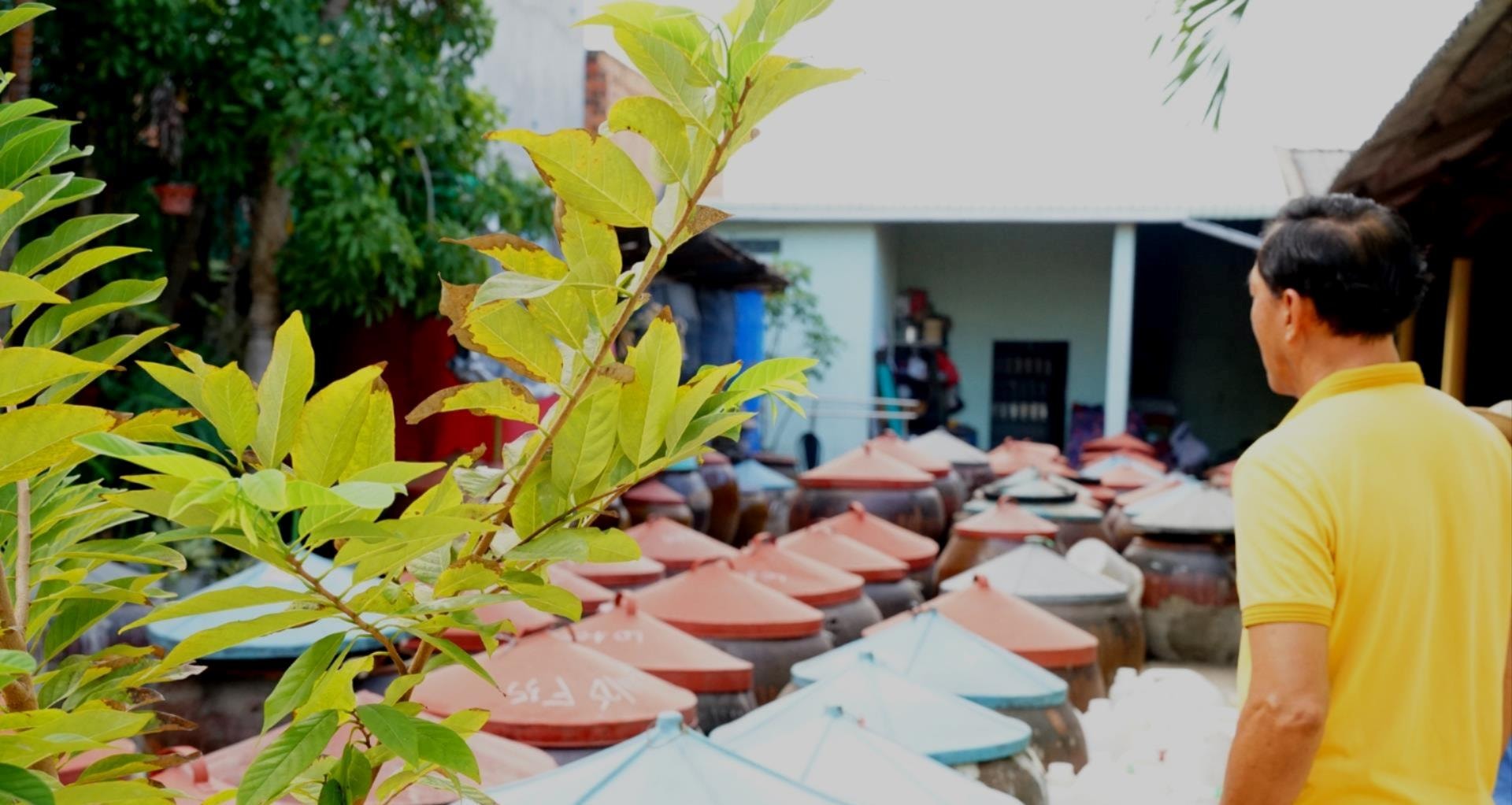
A well-known fish sauce production facility in Phu Thuy ward, Lam Dong province.

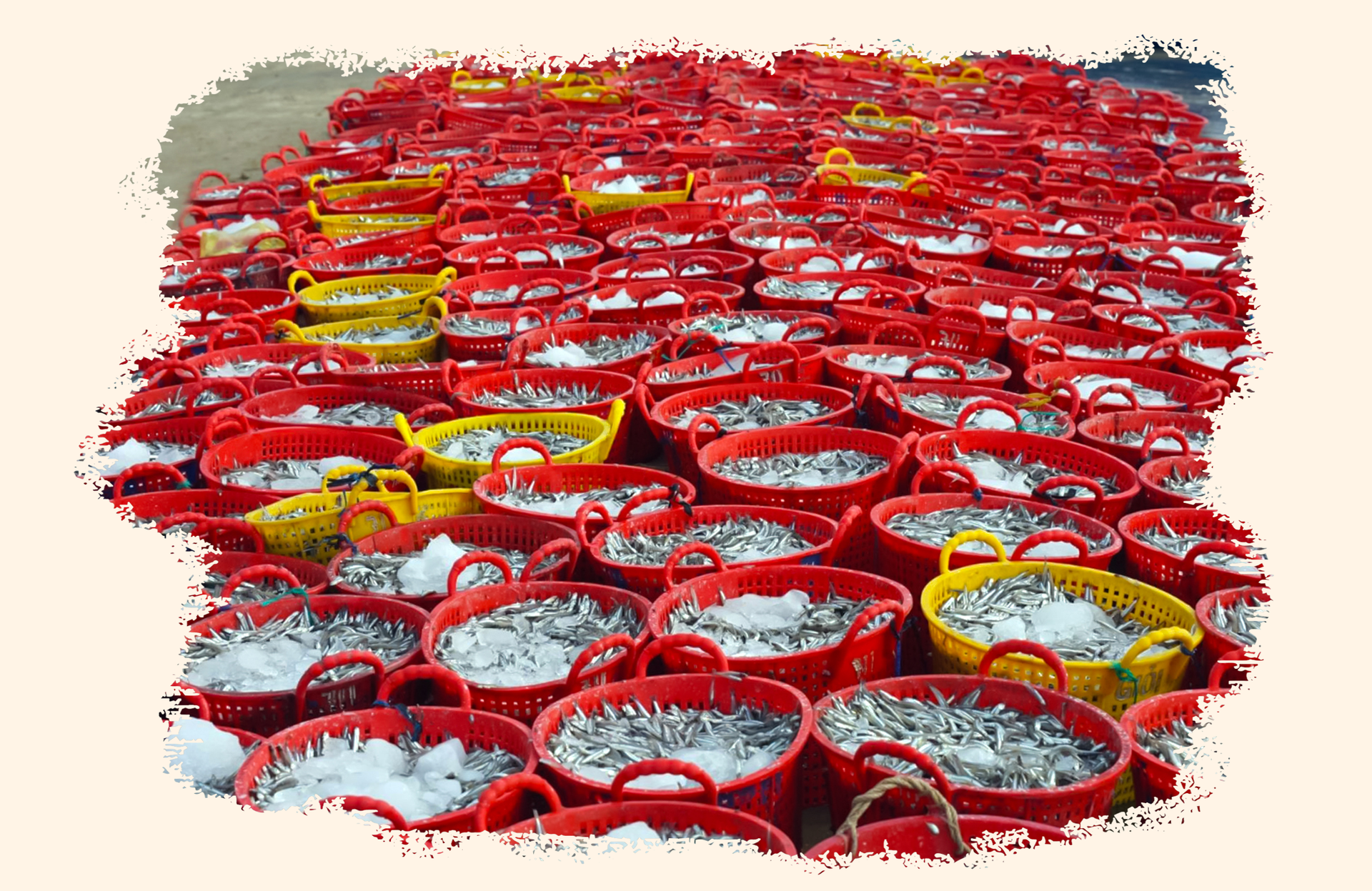
Fish sauce is made from fresh black anchovies sourced from the Lam Dong coastal region.
According to Mr. Huan, to make a good batch of fish sauce, the fish sauce maker must be careful from the selection of fish and mixing of salt to the fermentation process. Fresh anchovies are mixed with salt according to a traditional ratio, stirred well, and then put into a jar. A bamboo sieve is placed on top of the fermented mixture, salt is sprinkled on top, the sieve is secured, and stones are pressed down to hold it tightly.

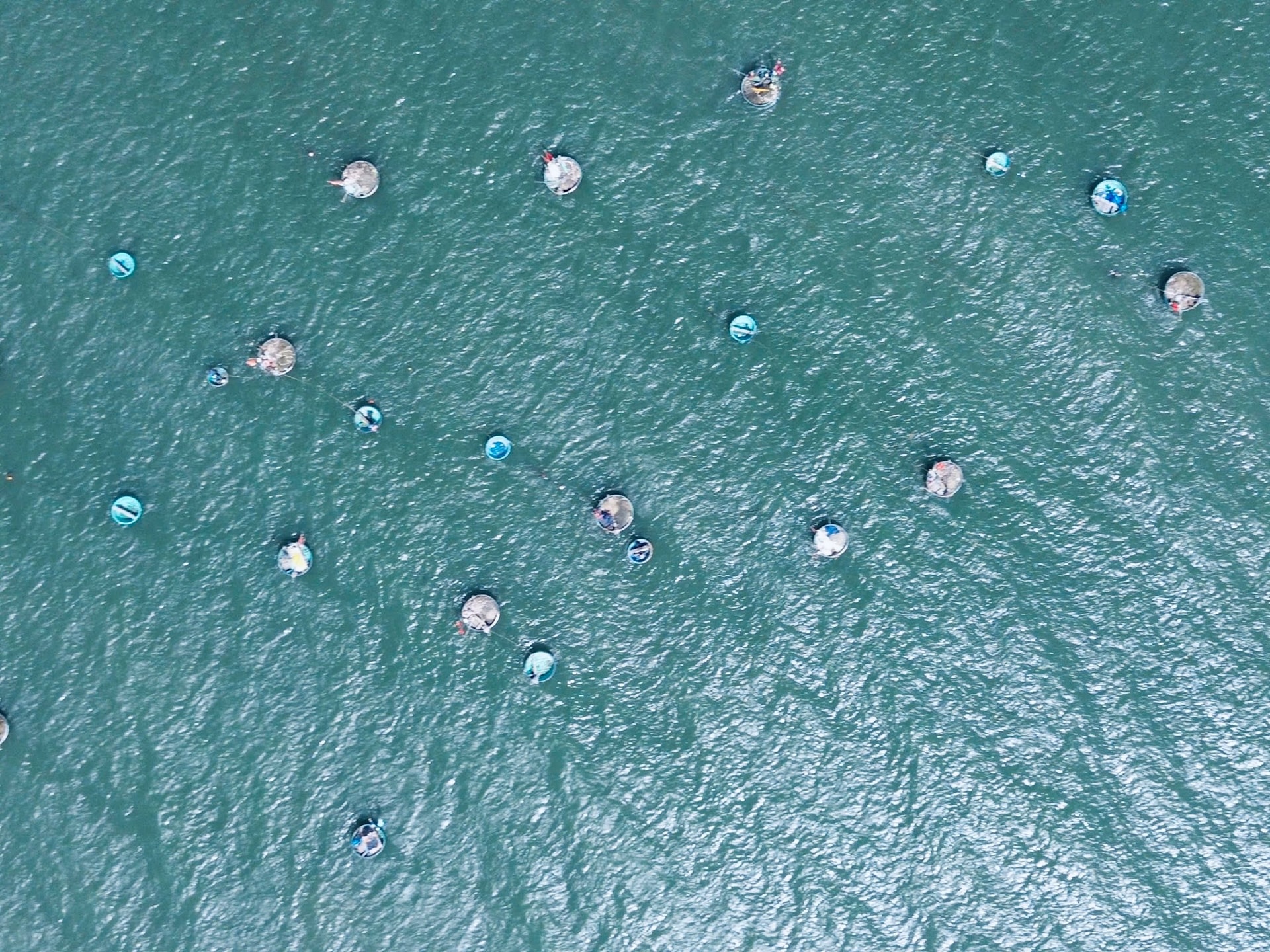
The bustling mornings in Mui Ne fishing village (Lam Dong province), with its abundant raw materials, have given rise to a traditional craft village that has existed for 300 years.
The fish sauce is fermented in sealed jars and exposed to sunlight, which naturally increases the temperature and shortens the ripening time. After about 8-18 months, the fish sauce is formed, ranging in color from straw yellow to reddish-brown, clear, and with a distinctive aroma. The first extraction is called "nuoc mam nhi" (first fish sauce); then water is added to extract the second extraction, called "nuoc mam ngang" (second fish sauce).
"Making fish sauce is hard work; it requires months, even a year, of perseverance to produce a batch of quality fish sauce. But it's the fragrant aroma of the fermented fish sauce that keeps me connected to my family's craft," Mr. Huan shared.
.jpeg)
Workers diligently toil in fish sauce production factories.

According to research documents, the fish sauce making industry in Phan Thiet originated in the late 17th century. Initially, the processing only served the needs of the family. Thanks to abundant fish resources, high protein content, and favorable weather conditions, production gradually developed into a traditional craft village.
By the late 19th and early 20th centuries, many large-scale production facilities – which people called "household businesses" – had formed. Merchant boats from many places used to bustle on the Ca Ty and Phu Hai rivers to buy fish sauce and transport it for consumption in many regions, especially in Southern Vietnam.
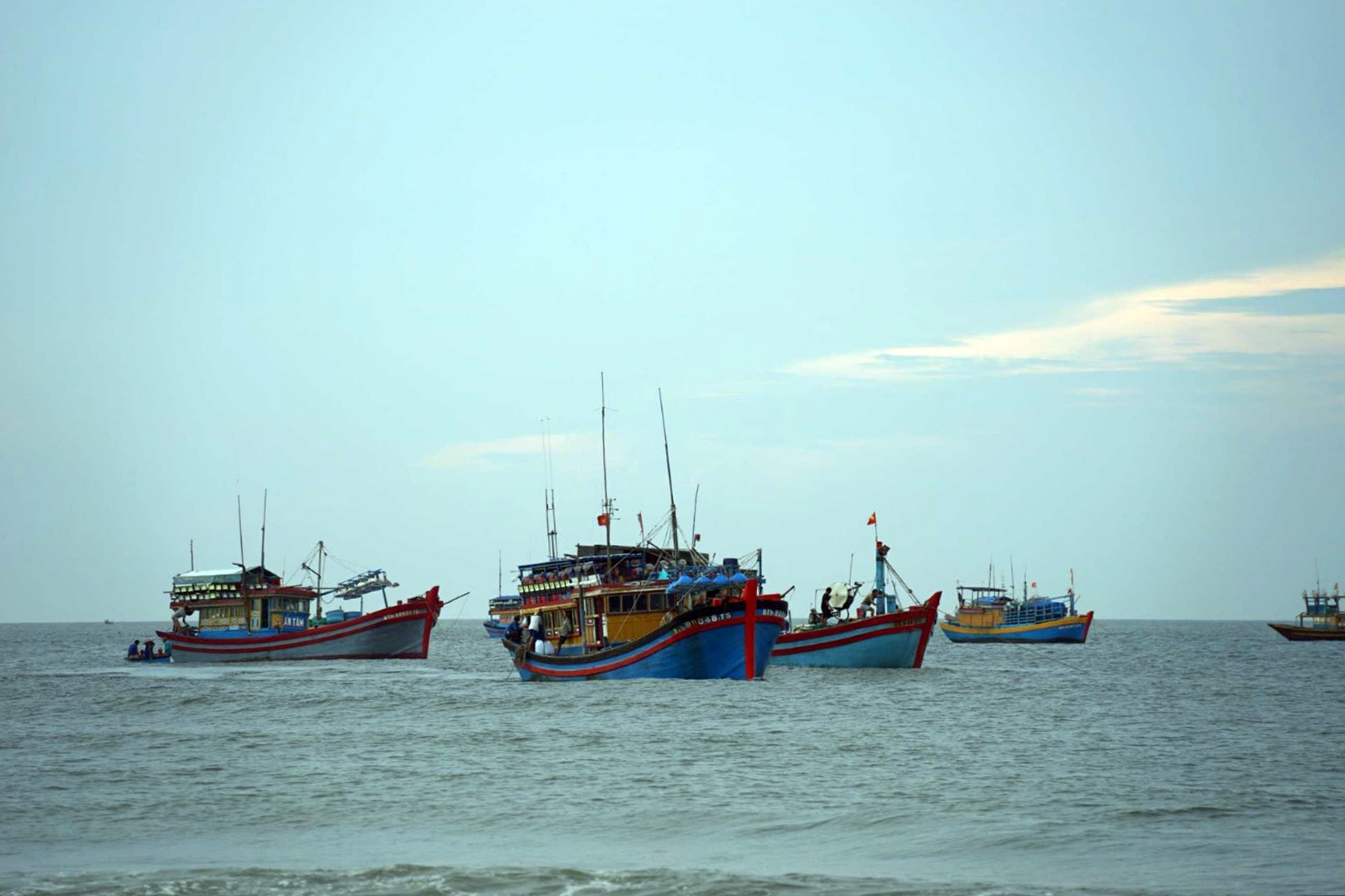
The eastern coastal region of Lam Dong province provides a source of fresh, high-quality raw materials for making fish sauce.

Despite numerous changes over the years, the traditional fish sauce making industry in Phan Thiet is still maintained by many establishments and households. The product is not only consumed domestically but also exported to foreign markets.

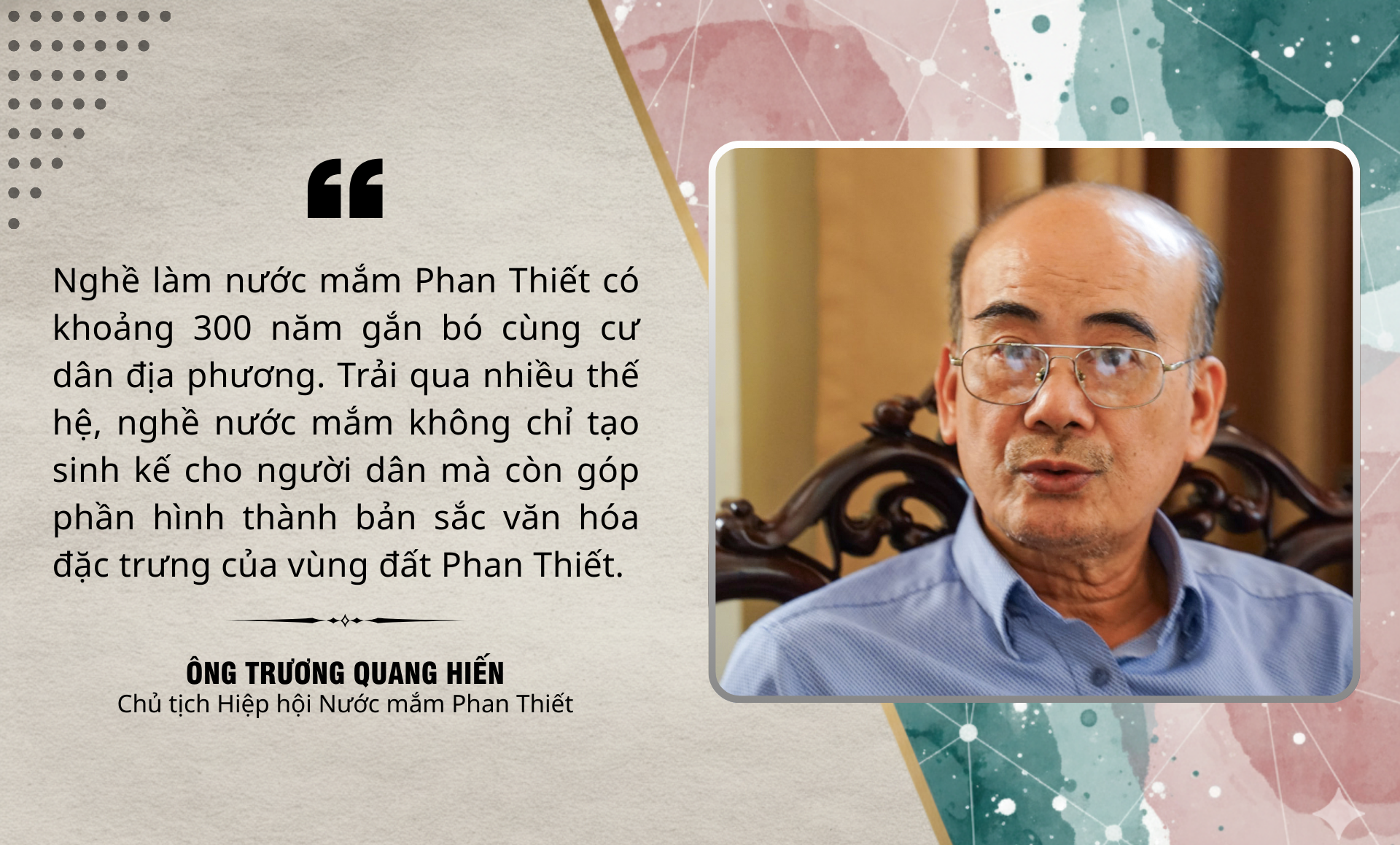
Mr. Truong Quang Hien, Chairman of the Phan Thiet Fish Sauce Association
According to producers, the main ingredients for making fish sauce are anchovies, scad, and coarse salt. Of these, fish caught from April to September in the lunar calendar are usually of the best quality, as the fattier fish helps the fish sauce achieve a high protein content.
In recent years, many businesses have invested in expanding their scale and adopting technology to improve productivity and product quality. However, traditional production methods are still maintained by many establishments, considering them the core element that creates the distinctive value of local fish sauce.
.jpeg)
The fresh fish are transported and weighed for the tents.
According to statistics from the Phan Thiet Fish Sauce Association, during the period 2021-2024, production reached approximately 20-30 million liters per year, generating revenue of around 1,000 billion VND. Currently, there are about 200 households producing fish sauce in the locality, concentrated in the wards of Phan Thiet, Phu Thuy, Mui Ne, etc., creating jobs for hundreds of permanent workers and thousands of seasonal workers.

Each fishing season brings a livelihood to the fishermen.
In addition, the fish sauce industry consumes approximately 22,000 tons of fish annually, contributing to maintaining the livelihoods of fishermen and developing the marine economic value chain. Many establishments also combine production with tours and experiences of the traditional fish sauce making process, attracting tourists to learn about local culinary culture.
However, urbanization and the development of tourism have led some people in the profession to switch to other jobs. The number of people with experience and traditional expertise is decreasing.
In light of this, the Phan Thiet Fish Sauce Association has proposed including "Phan Thiet Traditional Fish Sauce Making" in the National List of Intangible Cultural Heritage.
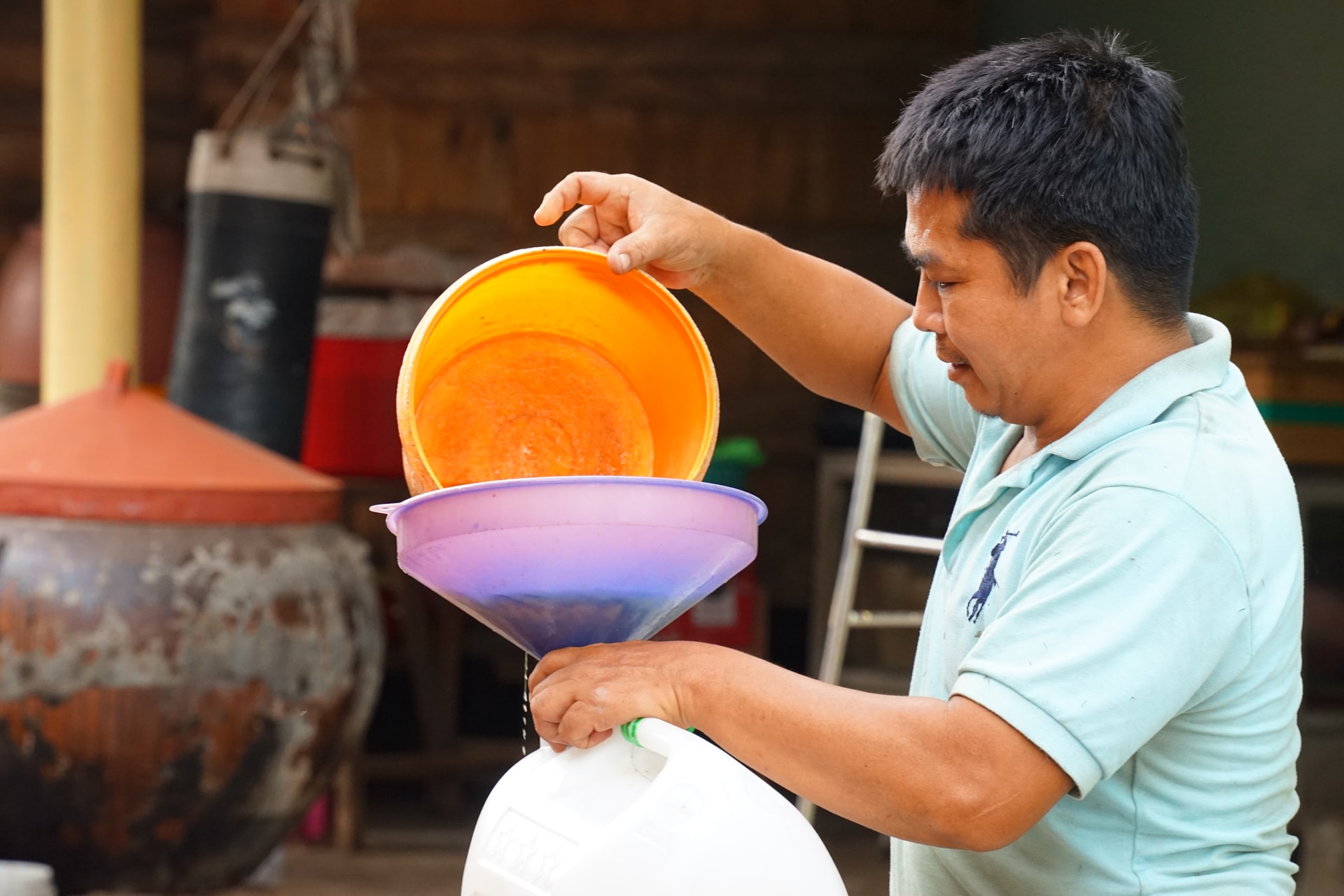
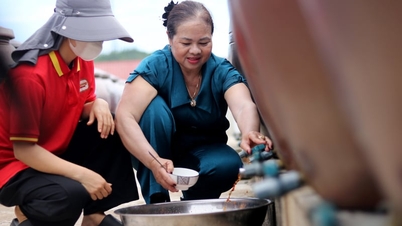
Extracting fish sauce

Traditional Phan Thiet fish sauce is made from black anchovies with a high protein content.
According to the Department of Culture, Sports and Tourism of Lam Dong province, after reviewing the history of its formation, processing procedures, and value of the fish sauce making craft, and comparing it with the heritage inventory documents currently preserved at the provincial museum, this craft meets the criteria for compiling a scientific dossier to be submitted to the Ministry of Culture, Sports and Tourism for appraisal.

Transporting fish to fish sauce factories.
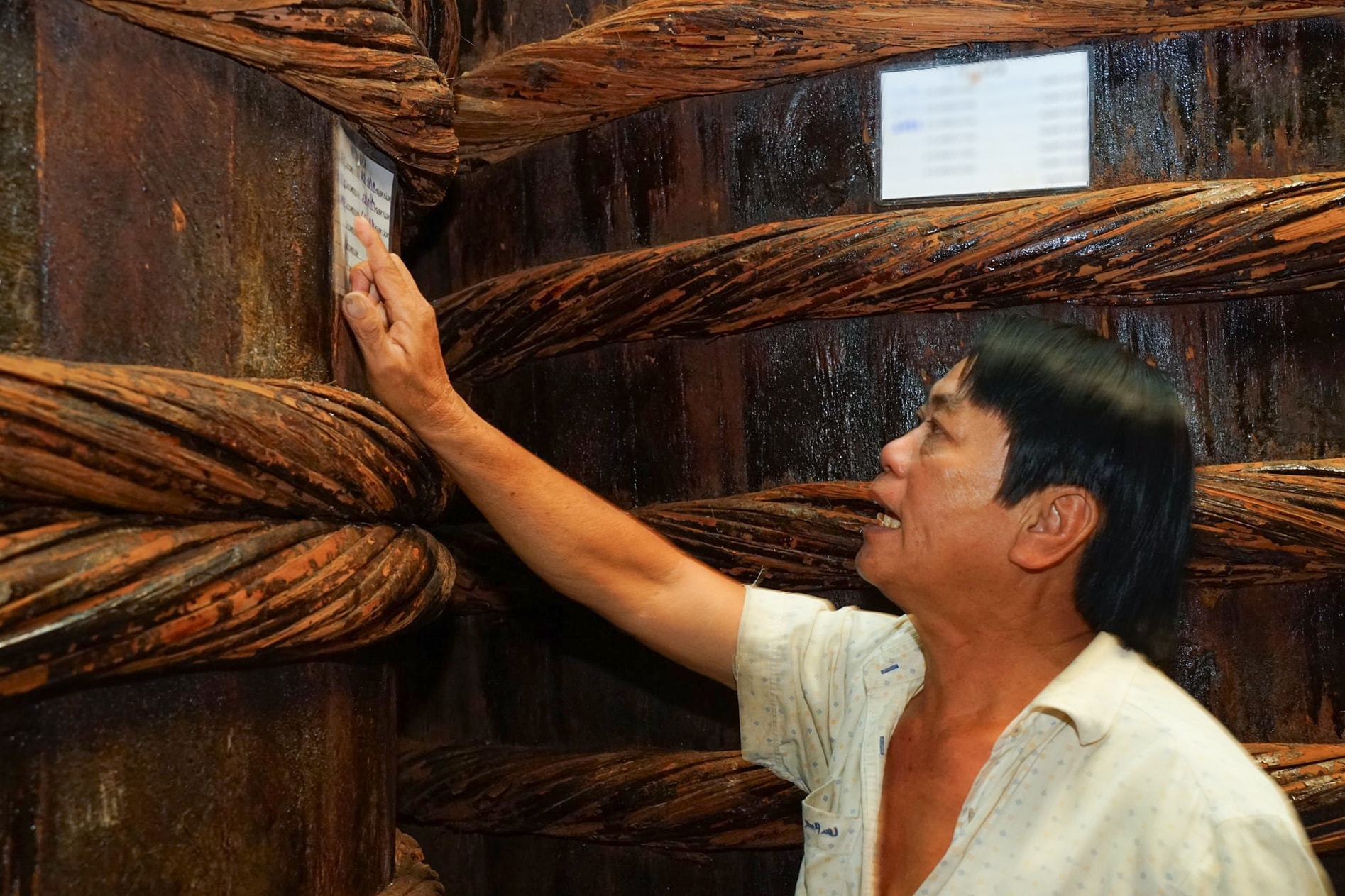
Mr. Nguyen Van Lau, a traditional fish sauce producer in Phu Thuy ward. "
It is hoped that the traditional fish sauce making craft of Phan Thiet will continue to be preserved and its value promoted, while also becoming a unique cultural highlight of the locality. This will help the aroma of Phan Thiet fish sauce reach even further.

Mui Ne fishing village, Lam Dong province
Source: https://baolamdong.vn/lang-mam-phan-thiet-and-the-dream-of-heritage-428602.html



























































































Comment (0)