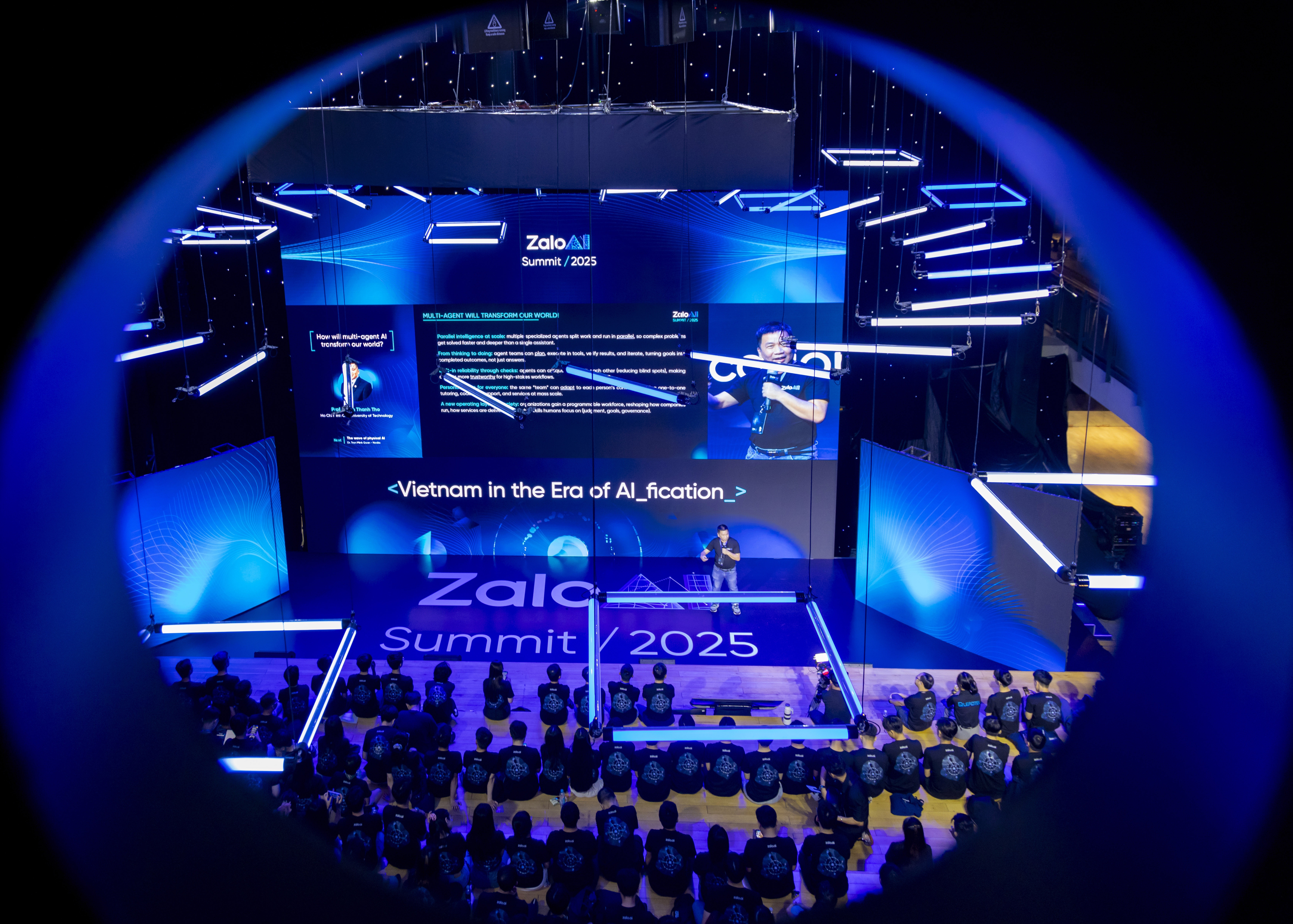
First held in 2017, the Zalo AI Summit is an event that brings together renowned experts in the field of AI. With the theme "Vietnam in the Era of AI-ification," the Zalo AI Summit 2025 will present solutions for applying AI in daily life, predict AI trends, and showcase Zalo's achievements in bringing AI closer to users.
In his opening remarks, Mr. Nguyen Minh Tu, Director of Technology at Zalo, stated that the AI era began to emerge in 2018-2019 with the first transformer models. However, it wasn't until GPT-3.5 and ChatGPT appeared in 2022 that these language models reached high quality and became accessible to a wider audience.
"That's when the AI era began, when people started using ChatGPT," Mr. Tu emphasized.
Positive signal for Vietnam
As companies like Google, Anthropic, and DeepSeek increasingly improve large language modeling (LLM), the AI market is witnessing a turning point called agentic AI.
Unlike conventional AI, which can only solve single tasks, agentic AI is an autonomous system capable of connecting multiple agents to handle complex problems.
"Agentic AI functions like our employees. It can analyze, reason, perform tasks, and write reports based on our commands," Mr. Tu added.
In Vietnam, Zalo is one of the companies that integrates many AI features to serve users. By 2025, the number of users of these services is expected to reach over 17 million, an increase of over 200%. More than 7.5 million people utilize the dictation feature (converting speech to text).
"This feature has changed the way many people use Zalo. Instead of typing text, using voice is much faster and more convenient," Mr. Tú emphasized.
The feature of translating messages from Vietnamese to English has also attracted a large number of users. Mr. Tu revealed that live translation for Zalo calls will be added soon.
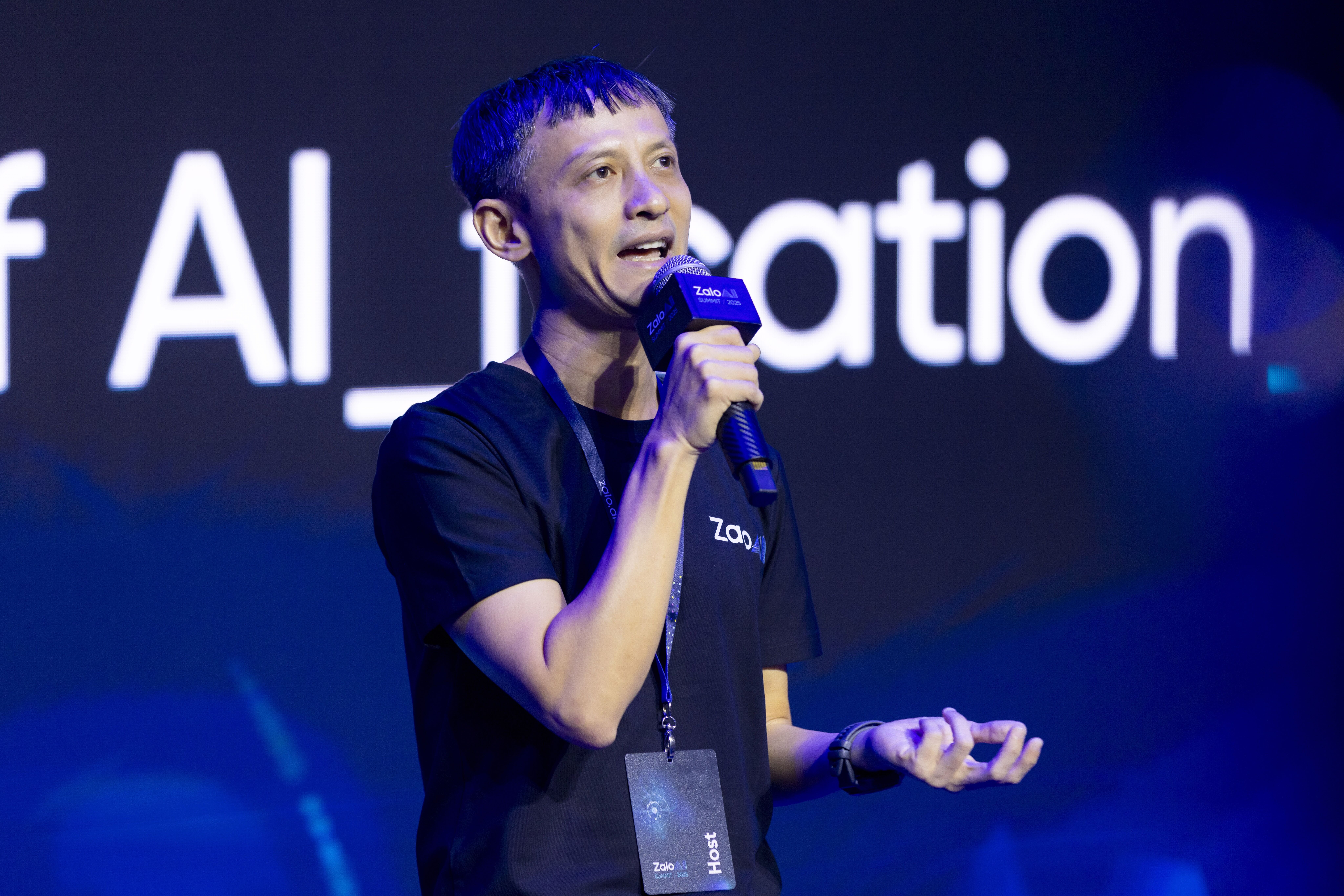 |
Mr. Nguyen Minh Tu, Director of Technology at Zalo. |
Beyond serving end users, AI also supports Zalo's operations. The company has built a customer service chatbot, helping to solve the scale-up problem during peak periods when it's difficult to recruit additional staff.
After 3 months of implementation, the chatbot system in Zalo achieved a response rate of 90%, higher than that of humans. Only about 2-3% of cases required human assistance from the chatbot.
A Zalo representative acknowledged that there are still some challenges in applying AI internally, revolving around privacy and security. That's why the platform chooses a flexible approach, applying a self-developed model for sensitive data, and leveraging external chatbots for less sensitive data.
Mr. Tú also mentioned the Zalo AI Challenge 2025, a competition to develop AI application solutions in daily life. Besides young people and students, this year's competition attracted several high school students, some even making it to the top 5.
"This shows that AI has permeated all areas of society, spreading even to schools where children are exposed to AI at a very young age. This is a positive sign for Vietnam in the era of 'AI transformation'," a Zalo representative emphasized.
The wave of AI agents
In the first session, Associate Professor Quan Thanh Tho from Ho Chi Minh City University of Technology raised the question of how multimodal AI will change the world . He argued that LLM has reached its end cycle, and the technology trend is gradually shifting towards Multi-Agent Systems (MAS).
Associate Professor Dr. agreed with Mr. Tu regarding the significant milestone of LLM with the introduction of GPT-3.5, stating that the common goal of chatbots is to mimic humans as closely as possible. The concept of AI agents existed before, but only truly flourished under the LLM framework.
“Agent is a rather classic architecture, and when combined with LLM, it provides the ability for communication between models,” Mr. Tho said. The keywords "AI Agents" and "Agentic AI" have also been among the most searched terms on Google Trends from late 2024 to the present.
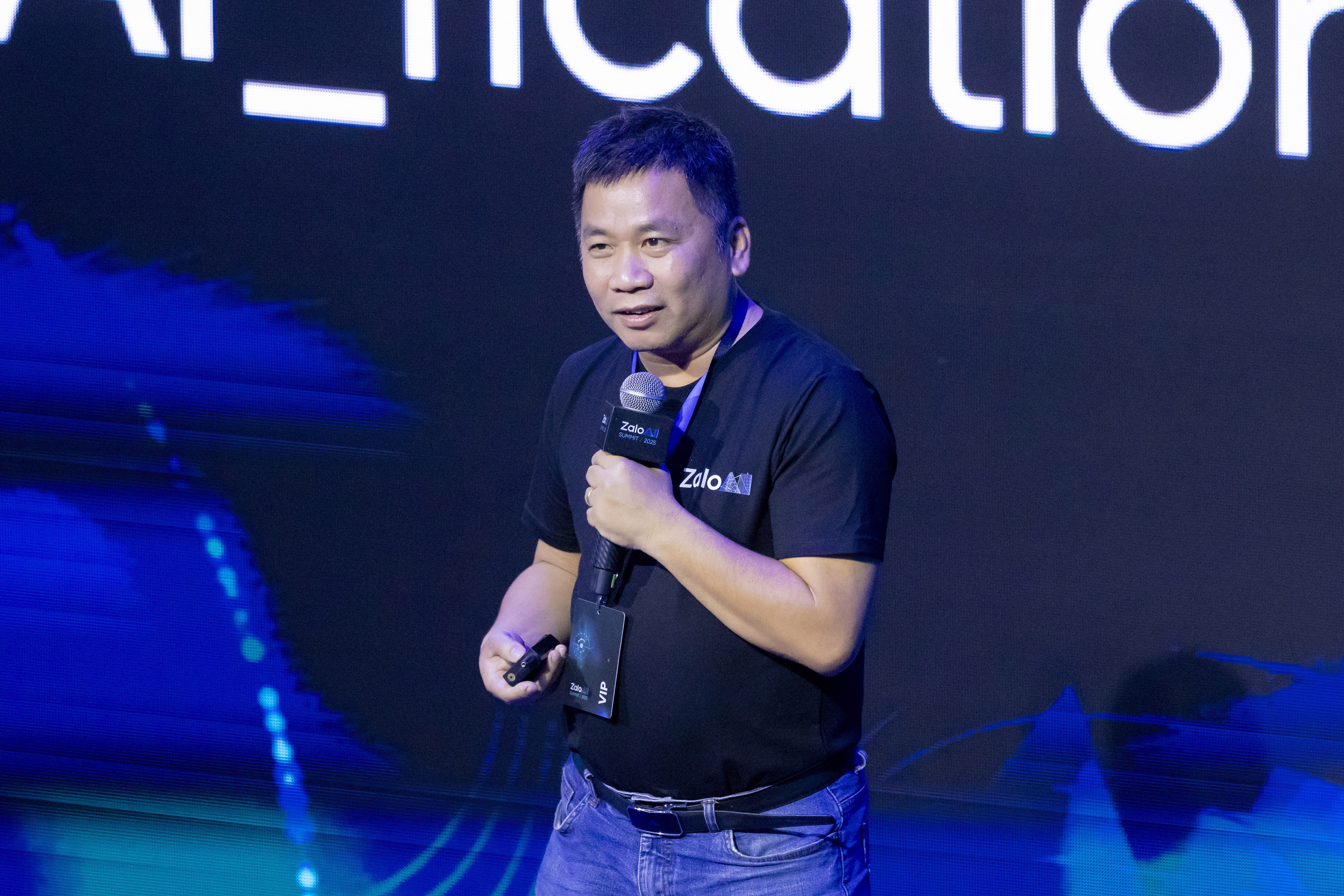 |
Assoc. Prof. Dr. Quan Thanh Tho, Head of the Department of Computer Science and Engineering, Ho Chi Minh City University of Technology. |
Associate Professor shared that agentic AI is simply a system consisting of multiple agents working together. Upon receiving a command from the user, the agents will break down the request, assign tasks, select appropriate tools, and execute them step by step to achieve higher efficiency compared to a single model.
Mr. Tho also presented some practical applications of MAS in domestic businesses. In particular, AI agents can simultaneously process PDF files, images, and documents, improving efficiency by 40-60%. In the insurance sector, this technology helps a company automate 20-40% of its workload.
Furthermore, AI agents have the ability to collect real-time information, helping to provide instant market prices. At work, Associate Professor Dr. [Name] stated that the AI agent system acts as an intelligent assistant, capable of answering school-related questions for parents and students. In education , AI agents help create personalized learning models tailored to each student's learning path.
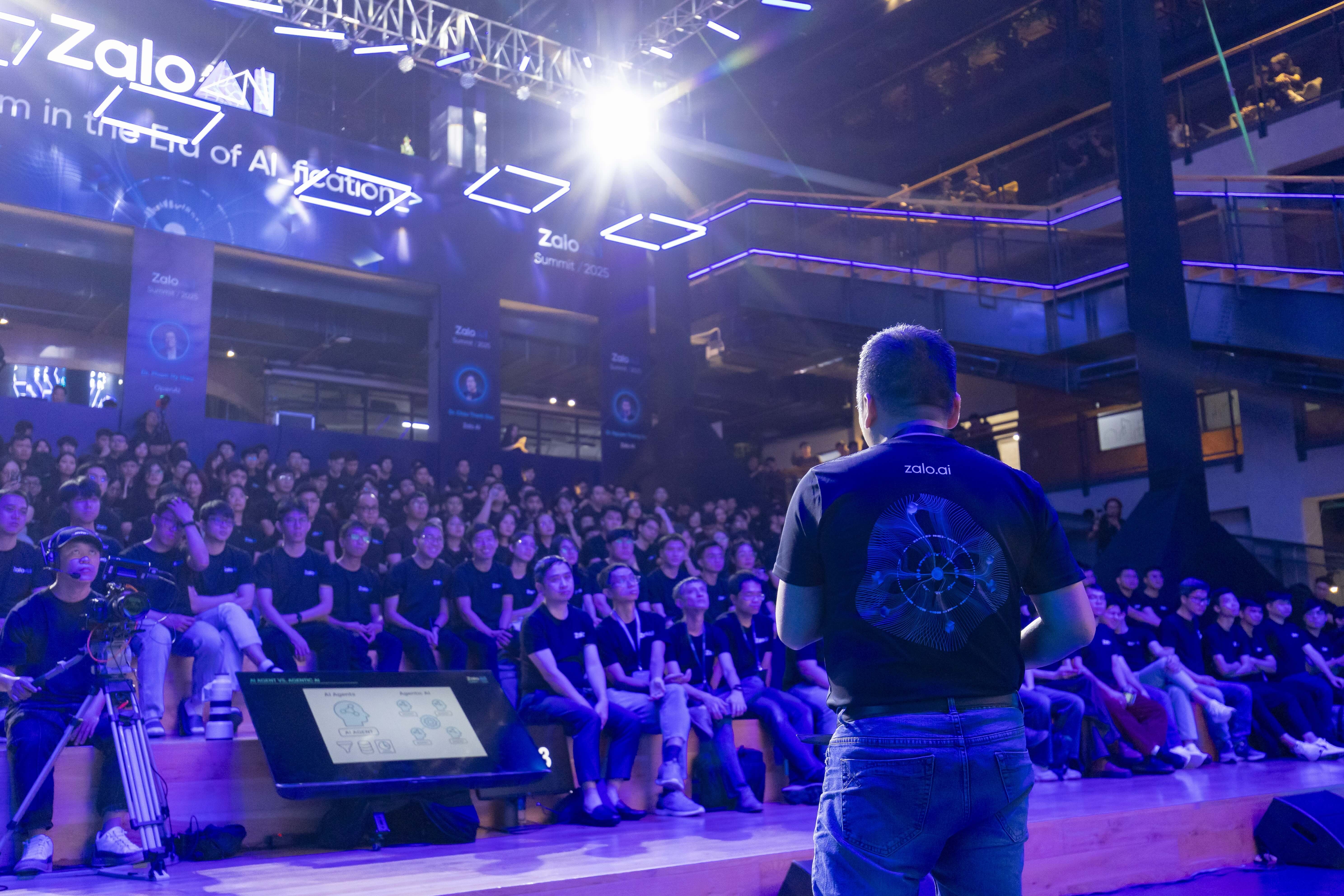 |
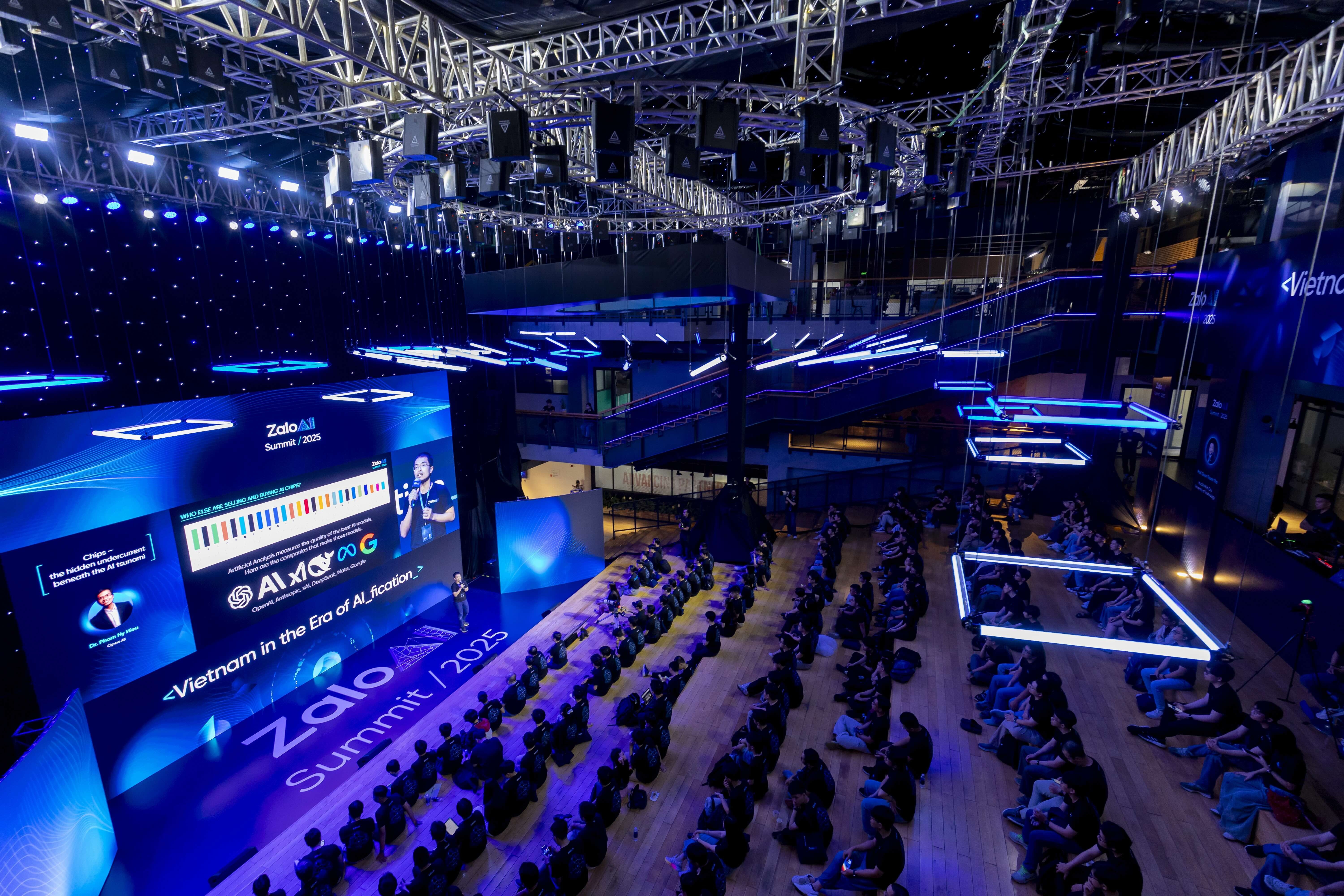
The Zalo AI Summit 2025 attracted a large number of participants interested in the field of AI. |
Overall, the advantage of MAS lies in its ability to handle multiple complex problems in parallel. Through the reasoning process, agents can process information independently, learn from each other, and learn from the user to reduce errors, produce accurate and personalized results.
Modern agent architectures are often provided as tools and platforms with user-friendly interfaces, making them more accessible to the general public.
Based on these benefits, Mr. Tho emphasized the importance of applying technology and adjusting internal work processes within businesses. According to the Associate Professor, in the context of the strong innovation trend taking place worldwide, this is a wave that businesses need to pay special attention to.
What comes after agentic AI?
Recently, humanoid robots have become a trend attracting attention in the tech world. This is also the most common application of physical AI.
Sharing his thoughts on this topic, Dr. Tran Minh Quan, Senior Developer Technologist at Nvidia Vietnam, emphasized that physical AI is the most advanced development in AI trends, following the era of generative AI or agentic AI.
"These AI models are capable of receiving commands or input data, then producing specific actions that affect motors or control components of robots such as robotic arms, autonomous vehicles, factories, etc.," Mr. Quan shared, giving an overview of physical AI.
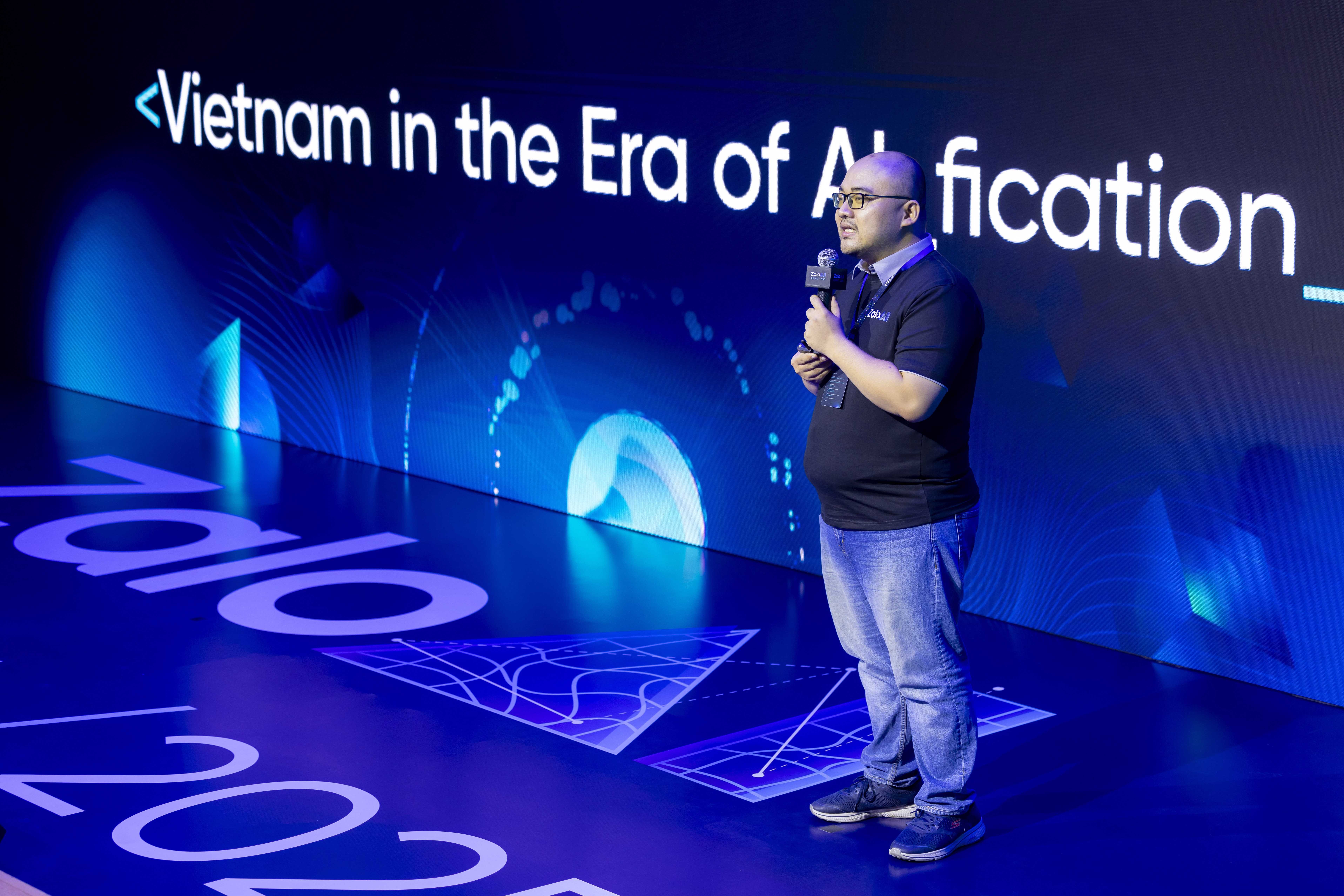 |
Dr. Tran Minh Quan from Nvidia shared his insights on the trends in physical AI. |
According to Nvidia representatives, physical AI could become a trillion-dollar industry in the future. The potential for applying physical AI is enormous, given that the current global hardware infrastructure includes approximately 2 billion industrial cameras, 10 million factories, 200,000 warehouses, and 1.5 billion vehicles, not to mention billions of humanoid robots that could be deployed in the future.



"If each device were equipped with an AI 'brain' to handle the current workload, the tasks that could be supported on a very different scale than they are today," Mr. Quan added.
The need for physical AI stems from a shortage of personnel in many industries. Highly skilled jobs in harsh environments, such as welding in enclosed, dark spaces, are proving difficult for humans.
Robots are now a solution that balances personnel and operational costs. Costs can be optimized as robots now have the ability to learn new tasks independently, rather than simply performing repetitive jobs.
"That's why the ChatGPT 'moment' for robotics could come this year or next year," Mr. Quan emphasized.
 |
Physical AI is considered the next step after generative AI and agentic AI. |
To realize this vision, Nvidia representatives proposed a model of three computers, corresponding to three key stages in the development of physical AI.
Accordingly, the first phase focuses on building the foundation on the server. After training, the model can be placed in a simulation environment to learn about causal interactions, helping the model develop better behavior in the real world.
Simulation helps robots accurately recognize objects and how to handle them. More importantly, simulation allows multiple robots to work together simultaneously, testing collision scenarios without incurring the cost of real-world hardware. Finally, it enables direct deployment to the hardware.
The challenge of deploying AI on a large scale.
The process of "AI-ization," which involves integrating technology into daily operations to improve efficiency and support decision-making, is accelerating globally.
According to Dr. Chau Thanh Duc, Research Director at Zalo AI, the pace of AI in Vietnam stems from many factors, most notably the development of AI models, the rapid improvement of hardware and data infrastructure, and the digital transformation process.
Vietnam is considered one of the countries with significant potential for AI development, as evidenced by talent acquisition programs, the building of a technology community, and government support. Furthermore, Vietnamese citizens are assessed to have a high level of readiness for digital transformation.
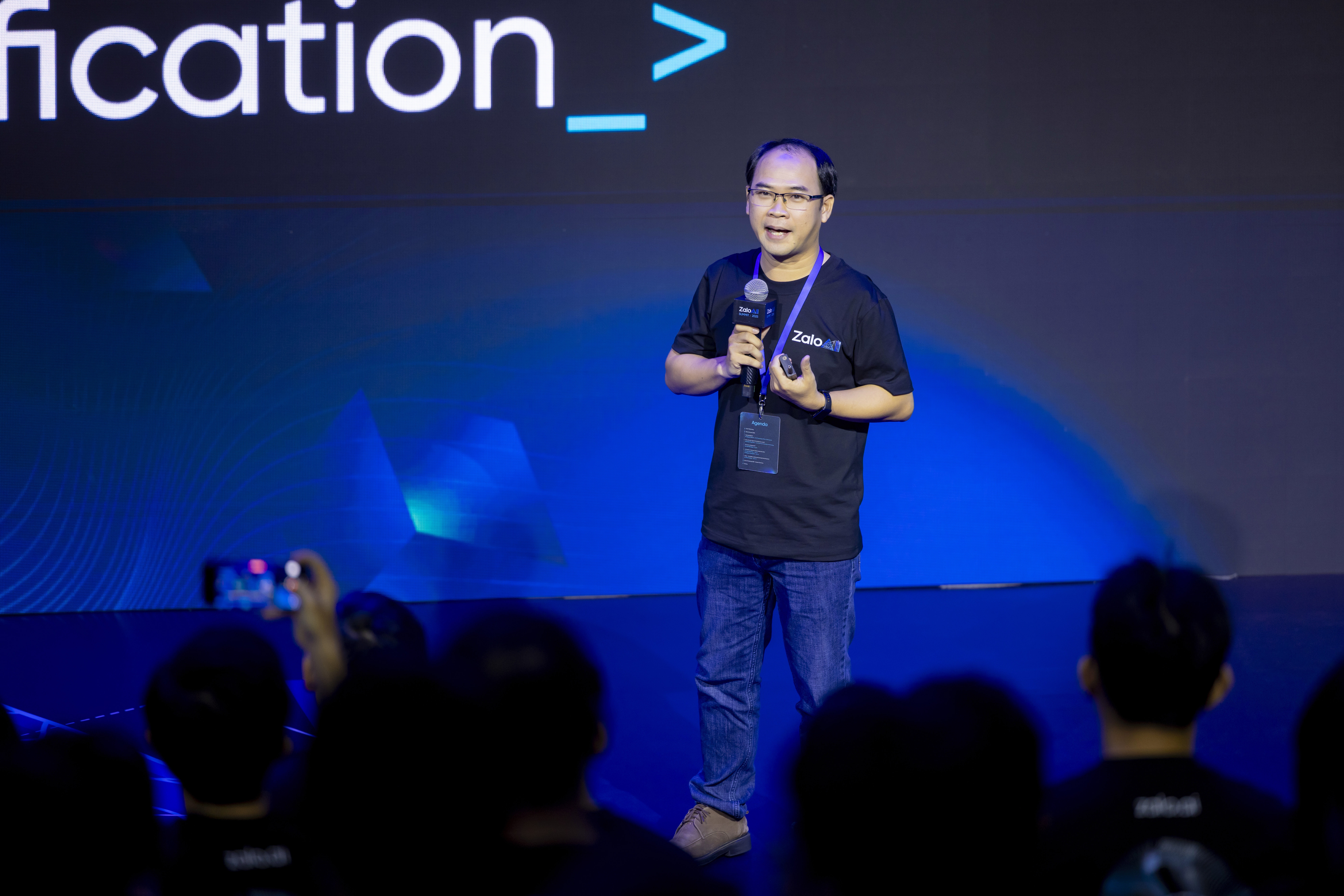 |
Dr. Chau Thanh Duc, Director of Research at Zalo AI. |
In this transformation, Zalo launched many AI-related features such as the Kiki virtual assistant. The company aims to develop tools that increase work efficiency, and are especially easy for everyone to use. Zalo's tools support everything from coding, programming, and research, to everyday activities like communication, translation, and image searching.
However, experts believe this is only the beginning, and there are still many difficulties in the AI transformation process. Dr. Nguyen Truong Son, Director of Science at Zalo AI, said that the difficulties stem from security, cost issues, and high demands from users. These are not only difficulties for Zalo but also for users and businesses.
The first hurdle revolves around choosing an AI model that ensures a certain level of autonomy. Third-party models often offer better performance and output quality, while internal models have the advantage of information control but are limited in terms of stability and efficiency.
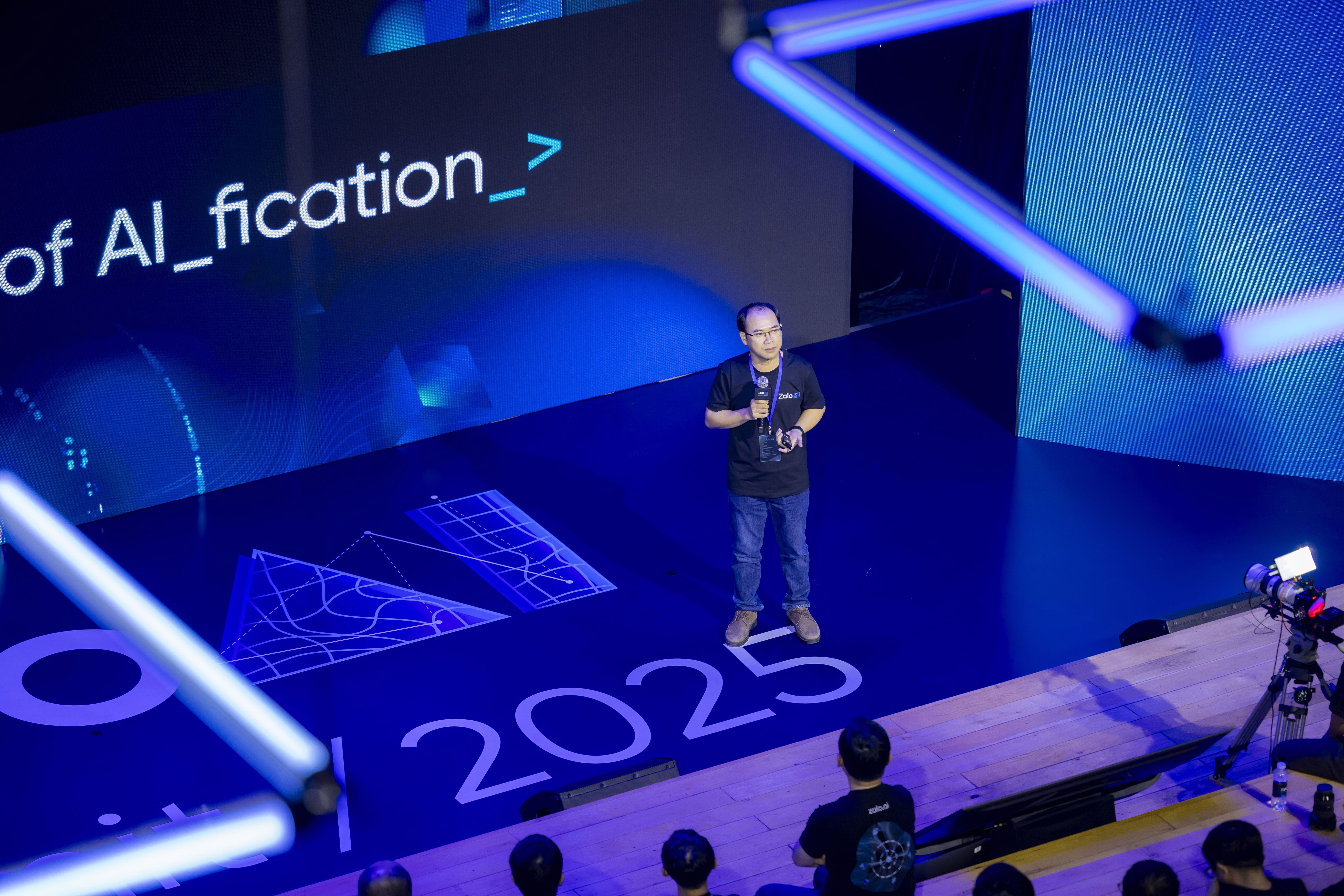 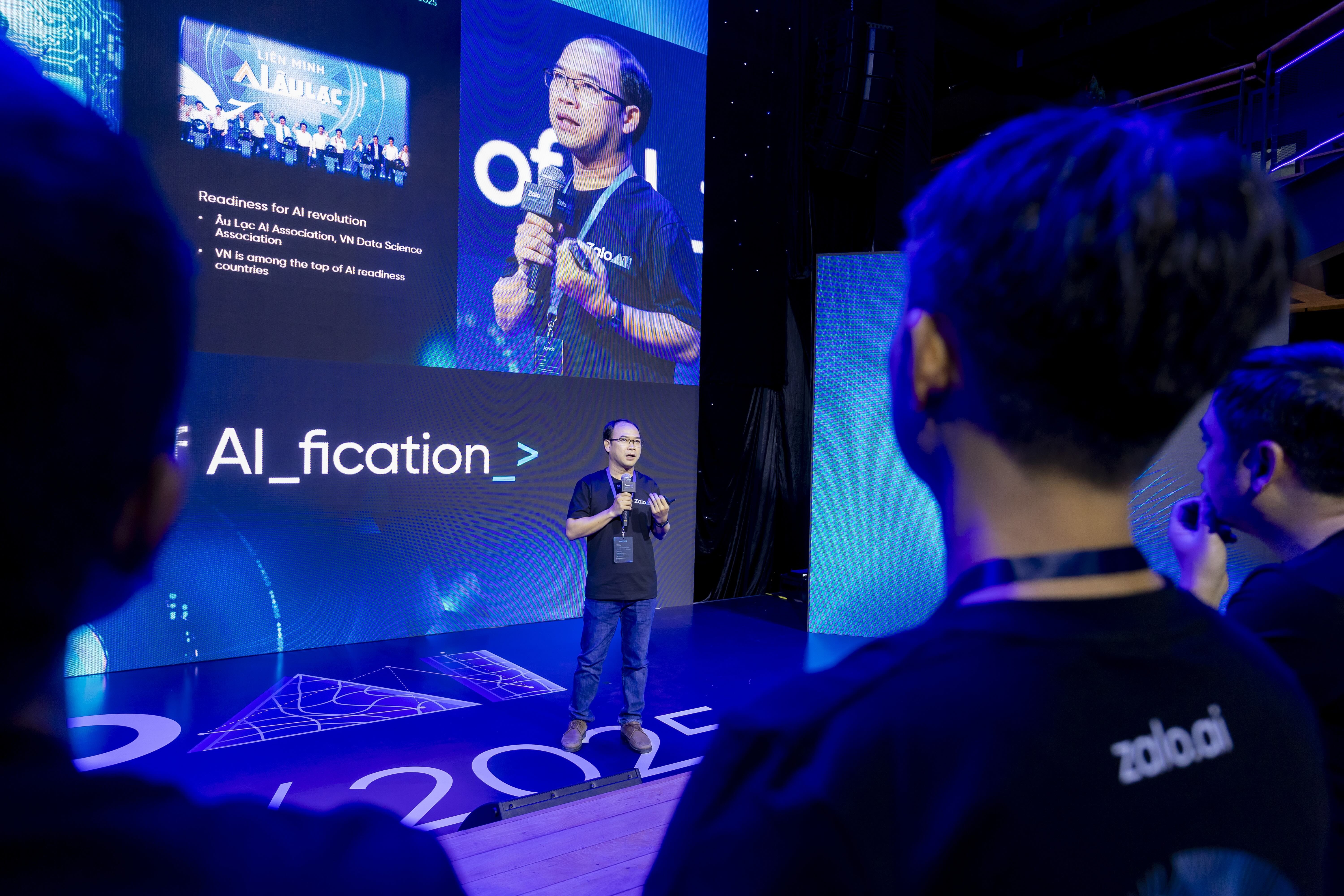 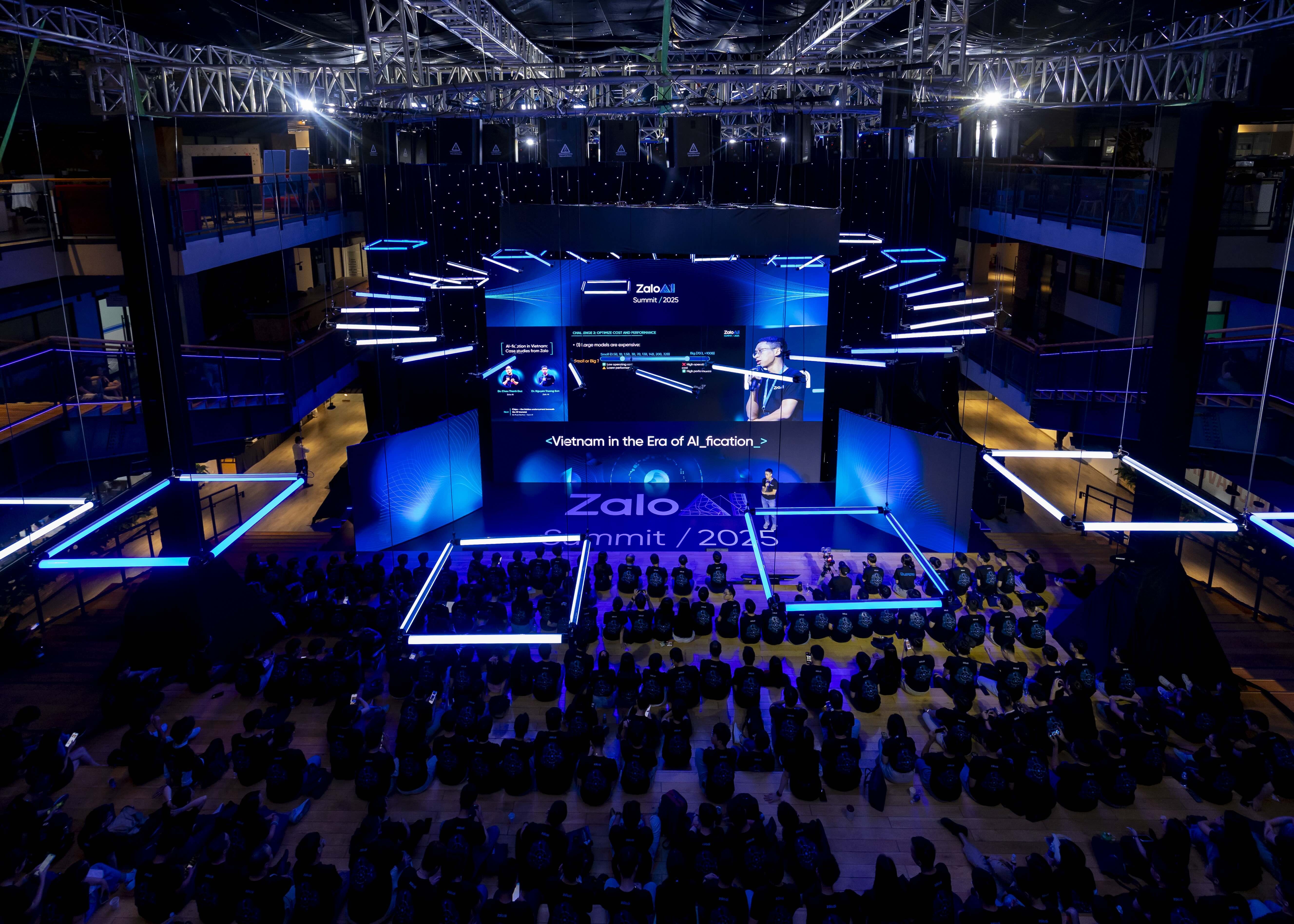 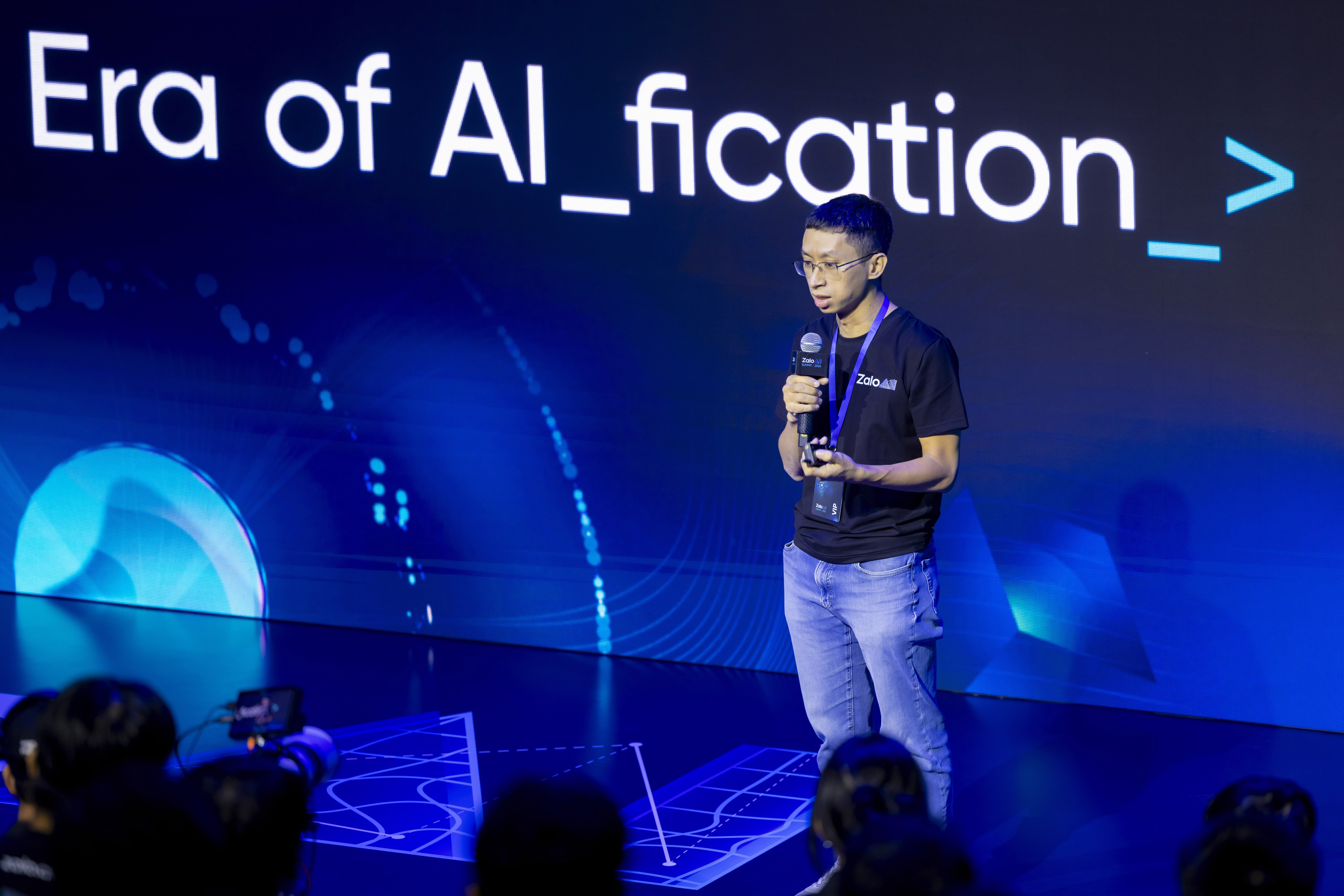 |
Information shared by Zalo AI representatives. |
Furthermore, most current models share common weaknesses such as incomplete accuracy and inconsistent output. Many chatbots have limited ability to understand and process Vietnamese, failing to meet specific requirements or contexts.
To address this issue, experts at Zalo proposed several solutions, such as applying advanced model development technology and combining reliable data sources during chatbot training. Simultaneously, the development team continuously evaluated the model through internal tests.
Another challenge lies in balancing cost, performance, and security. According to Dr. Nguyen Truong Son, using a small model to handle complex requests can increase processing time and operating costs, and vice versa.
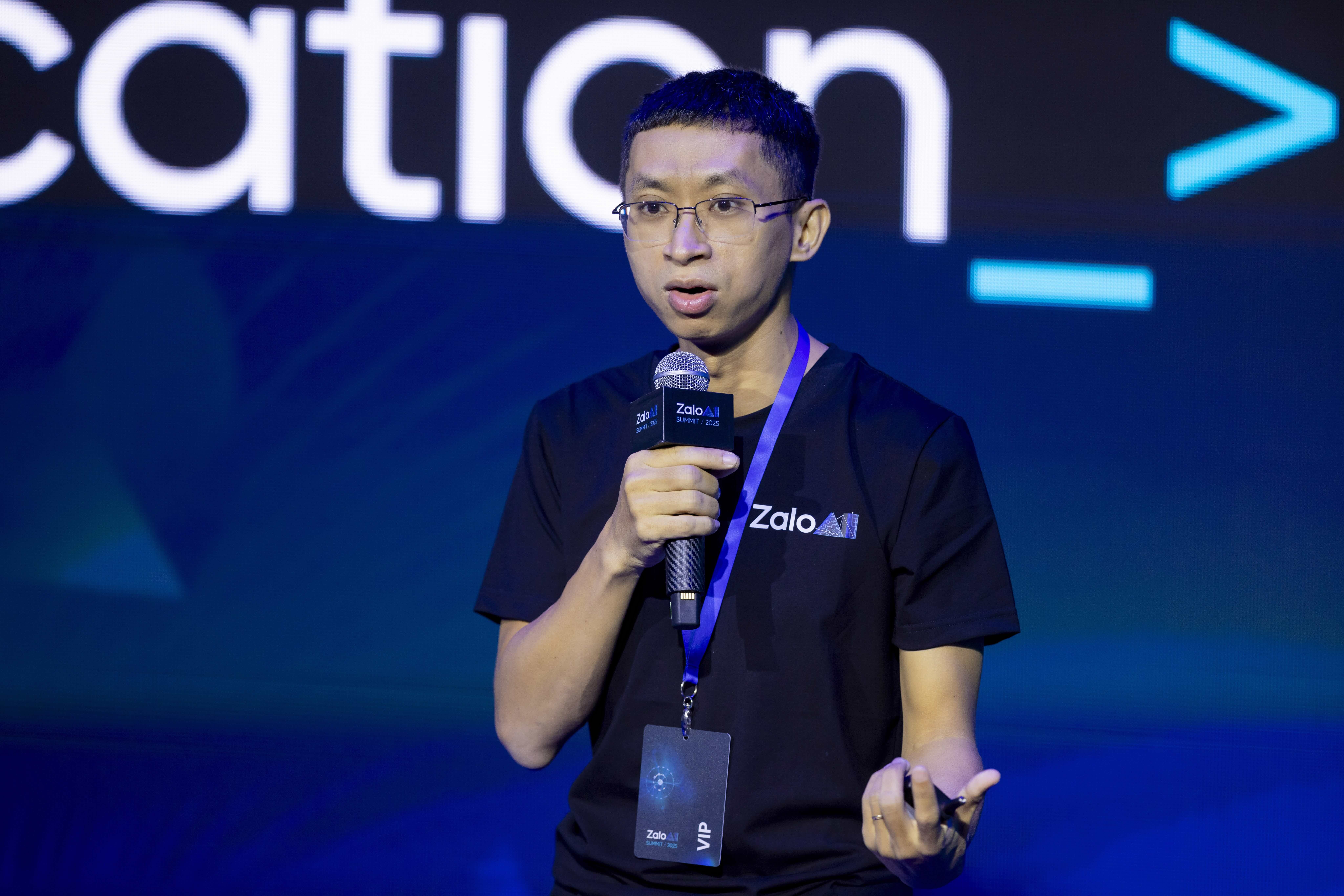 |
Dr. Nguyen Truong Son, Director of Science at Zalo AI. |
He argued that optimization can begin right from the command input stage. Users can reduce token costs by limiting unnecessary length and providing clear, concise context for the chatbot.
At the system level, the Zalo team implements various solutions such as suggesting appropriate commands and deploying layers of control to ensure the safety and security of user information.
Overall, Vietnam is considered to be well-prepared for the global AI wave. Zalo is one of the early participants in this transformation, focusing on addressing the challenges of cost, quality, and security when deploying AI on a large scale.
The fierce chip race
The explosion of AI is a result of advancements in hardware or chips. Dr. Pham Hy Hieu from OpenAI emphasizes that the emergence of ChatGPT revolutionized chips, enabling Nvidia to grow rapidly in a short period of time.
When ChatGPT was first launched, its operation relied almost entirely on Nvidia chips. This led to a surge in hardware purchases from tech giants like Anthropic and Meta.
However, the game isn't just for Nvidia. Competitors like AMD and Google are also offering optimal hardware solutions for AI modeling developers.
"The flow of chips and chip-related capital also impacts economic flows, at least the growth of the US economy."
Furthermore, companies aspiring to develop AI also have ambitions to develop their own chips because the cost of purchasing chips is increasing, so even a small saving is a huge benefit. That's why every company wants to be self-sufficient in chip resources," Mr. Hieu added.
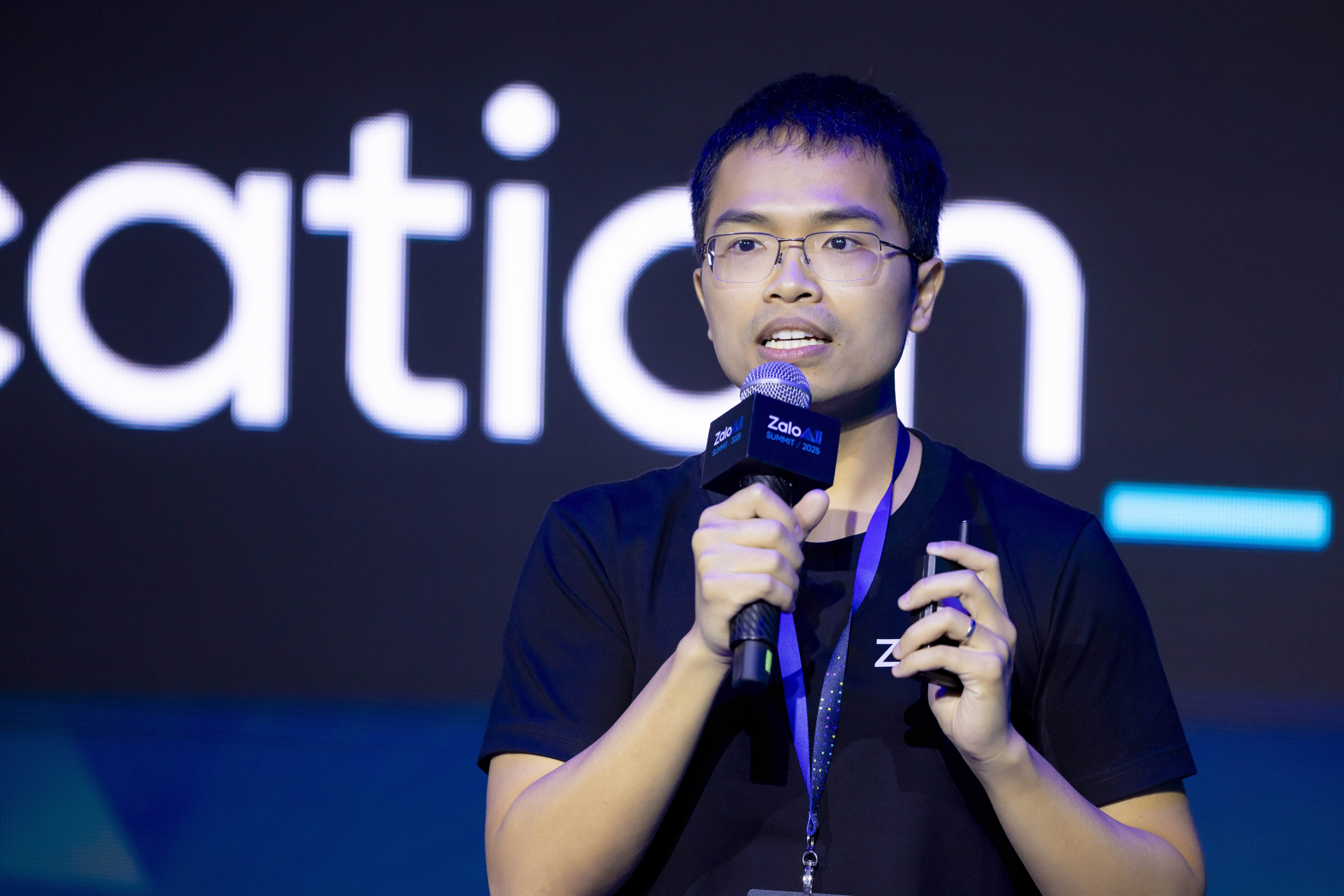 |
Dr. Pham Hy Hieu, representing OpenAI. |
The AI chip market is currently divided into two main categories based on their intended use. The first category is training chips, which require the ability to perform large matrix multiplication, uniform dimensionality, and high bandwidth to connect thousands of chips simultaneously.
The second type is the inference chip, which requires a more modest number of links (around 50-100 chips) and focuses on small, irregularly sized matrix problems. However, inference chips require good power optimization for sustainable operation.
Looking back at the development history, if the period from 2019-2023 focused on training and data compression for GPT models, from 2024 onwards, the focus is shifting to reasoning capabilities. This shift leads to a demand for inference chips.



"What role does Vietnam play in the chip manufacturing game? Although the chip industry is a trillion-dollar industry, we don't need tens of billions of dollars to participate. Vietnamese people can contribute to the AI chip landscape in many ways," Mr. Hieu shared.
 |
Insights from Dr. Pham Hy Hieu on hardware in AI infrastructure. |
OpenAI representatives proposed two main directions. Instead of racing to produce chips for large-scale language models, Vietnam could focus on developing low-power chips for cars, smartphones, or implantable medical devices. These are market segments with significant growth potential and lower investment costs.
Secondly, there's the integration of hardware and software. Contributions like the Flash Attention 2 algorithm demonstrate how a clever combination of programming and hardware can create breakthroughs without requiring massive capital investment.
"The future lies in the hands of those who dare to see opportunities, dare to take risks, and dare to face dangers," Mr. Hieu concluded.
Outstanding teams at the Zalo AI Challenge 2025
Following the speakers' presentations, many practical solutions for applying AI were presented at the Zalo AI Challenge 2025. Launched in late October, the competition attracted more than 1,000 participating teams.
This year, the Zalo AI Challenge is divided into two categories: RoadBuddy (using algorithms to identify traffic signs) and AeroEyes (designing AI for drones to recognize ground objects). Winning teams will receive a total cash prize of $12,000 along with gifts from sponsors.
According to the organizers, this year's exam questions were all practical, showcasing the potential of AI outside of research environments to solve real-world problems.
In the RoadBuddy challenge, contestants focused on processing data from car dashcams. Teams had to process video datasets lasting 0-15 seconds, recorded under various time conditions. The AI model's task was to accurately identify details such as road signs, traffic lights, and lane markings that appeared in the video.
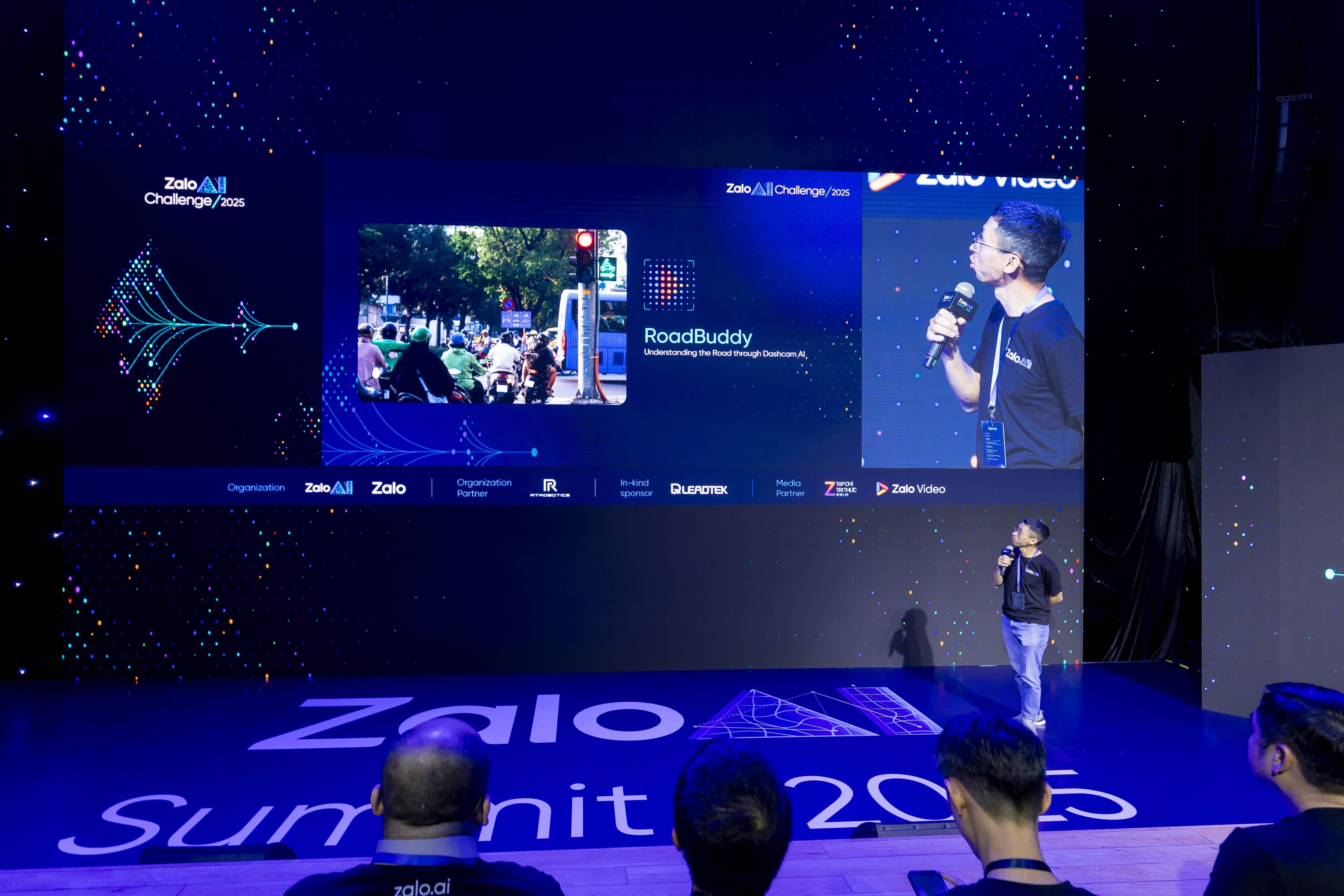 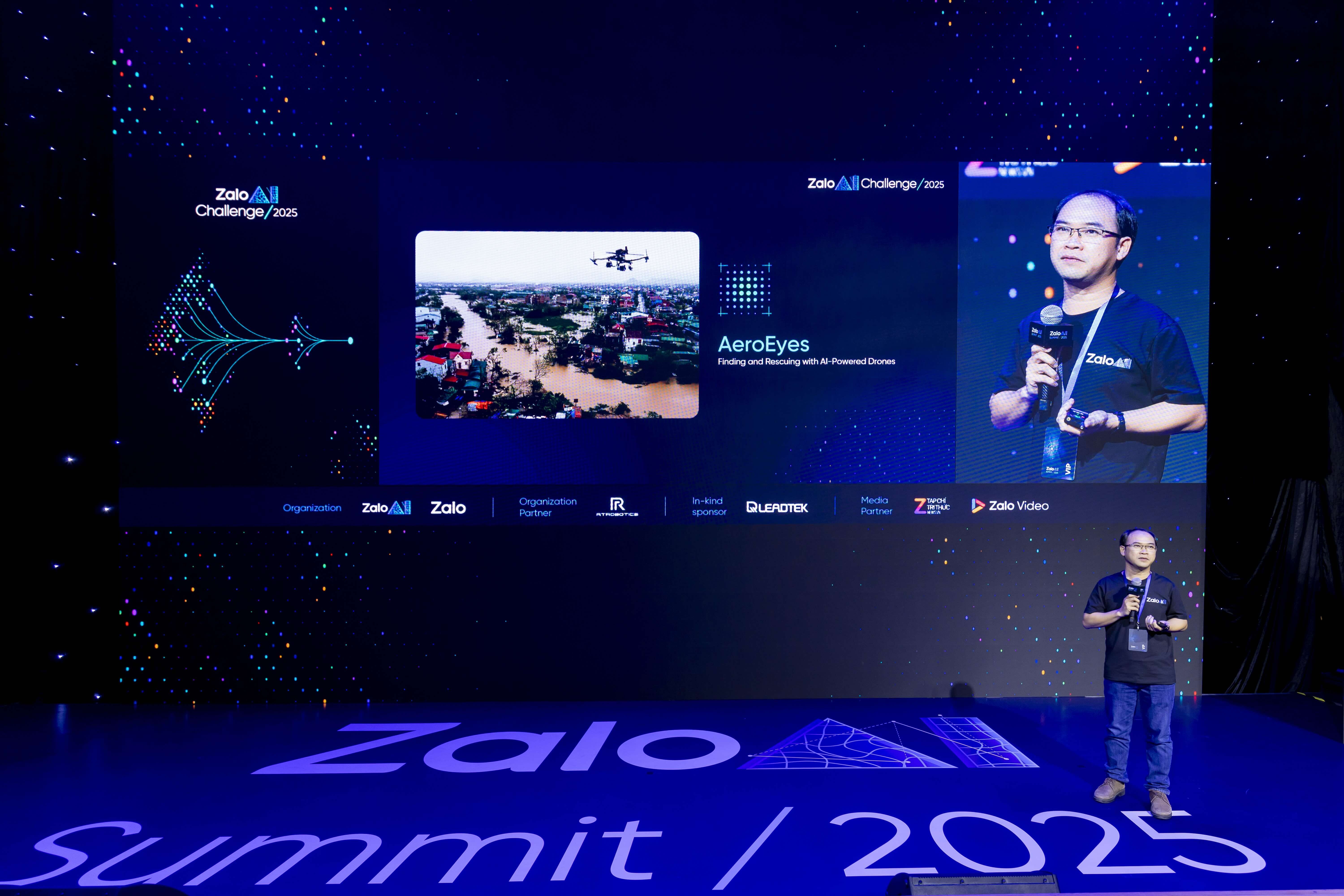 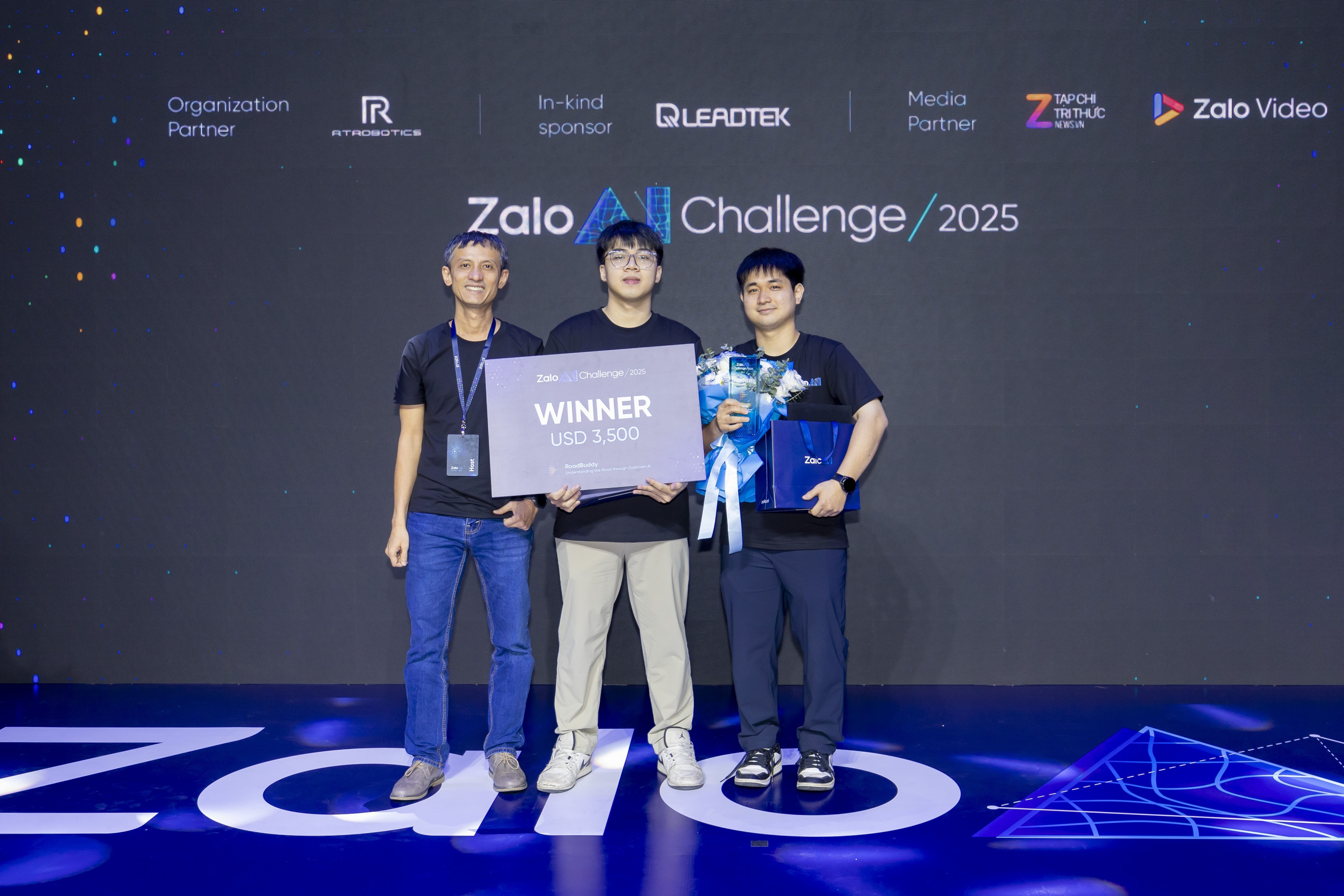 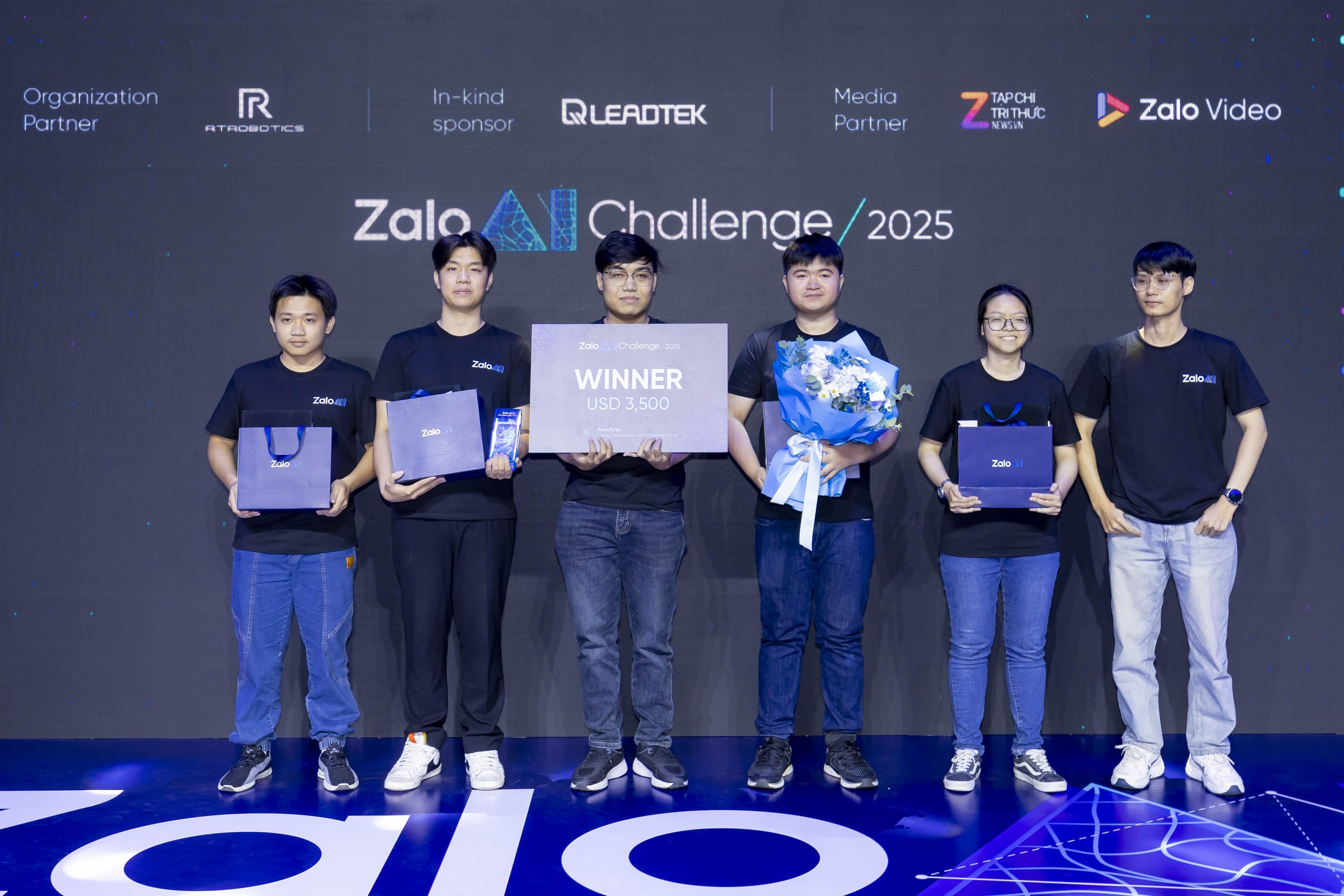 |
Sharing and awarding prizes for the Zalo AI Challenge 2025. |
With a dataset comprising 1,500 training samples, 500 public test samples, and 500 private test samples, the competing teams were evaluated based on two criteria: accuracy and response time.
According to Mr. Nguyen Truong Son's assessment, the contestants applied advanced techniques such as the Vision Language Model (VLM). The general process involves extracting frames from video as input data, then combining them with models like Qwen or YOLO to identify objects and provide logical analysis.
In the final results, the CtelAI team took first place with an accuracy rate of 71.3%, followed by BitterSweet with 70.5%.
With the theme AeroEyes, teams participated in a qualifying round before advancing to the finals. In the finals, candidates had to program models directly onto drones, establish flight paths, and control cameras in real-world conditions to detect objects.
Due to the difficulty of the assignment, the number of teams meeting the requirements was not high, so the organizers flexibly introduced a supplementary topic. The competing teams quickly adjusted their models to meet the requirements. As a result, team AIO_C3A won thanks to its highest efficiency. Second place was shared by teams IUH_Alers_K16 and AEB.
Source: https://znews.vn/ai-se-di-xa-den-dau-post1613033.html




![[Image] Overview of the construction site for the underground station of metro line 5 at the Hanoi Ring Road 1 intersection.](https://vphoto.vietnam.vn/thumb/1200x675/vietnam/resource/IMAGE/2026/07/03/1783065595682_ndo_br_z7974930852369-100ca093c306e72675f1d3700966a86b-jpg.webp)