In the old days, Tet feasts symbolized frugality and family reunion.
In the past, Tet (Vietnamese New Year) arrived amidst year-long anticipation. Therefore, the Tet feast was not just a meal on the first day of the year, but the result of a meticulous, elaborate, and respectful preparation process. From the twelfth lunar month, many families began stocking up on sticky rice and mung beans, gathering banana leaves, and splitting bamboo strips for tying, ready for making banh chung and banh tet (traditional Vietnamese rice cakes).
Regardless of the region, the traditional Tet feast always shared a common characteristic: it was abundant and plentiful, embodying the concept of "a lavish feast." According to Vietnamese customs and culture, Tet Nguyen Dan (Lunar New Year) marks the beginning of a new year, ushering in a new era of opportunity. Therefore, whether life was difficult or prosperous, every family strived to prepare a complete and respectful feast, placing it on the ancestral altar, lighting incense to remember their ancestors, and praying for a peaceful, lucky, and prosperous new year.
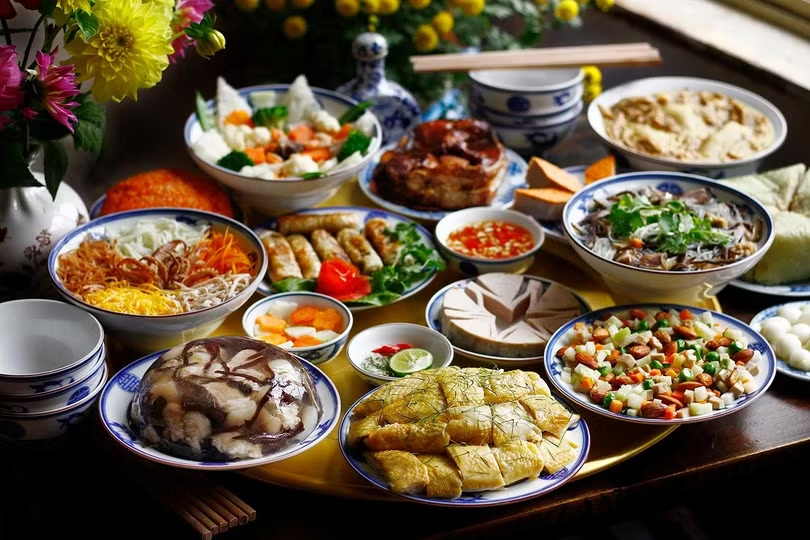
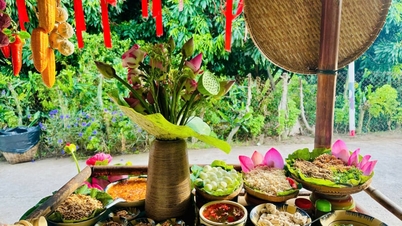
With limited food preservation options and markets closing late after Tet, people mainly choose dishes that can be prepared in advance and stored for a long time. In the North, the traditional Tet feast usually includes banh chung (sticky rice cake), pickled onions, jellied meat, pork sausage, fish ball soup, and fried spring rolls. Central Vietnam contributes to the Tet flavor with banh tet (cylindrical sticky rice cake), fermented pork rolls, bamboo shoot soup, shrimp cakes, and flavorful marinated pork. Southern Vietnam has its own unique characteristics with braised pork with eggs, bitter melon soup stuffed with meat, and banh tet wrapped in purple leaves. Each dish carries auspicious meaning: banh chung symbolizes heaven and earth, braised pork with eggs wishes for prosperity, and bitter melon soup conveys the hope of "bitter melon, happiness follows."
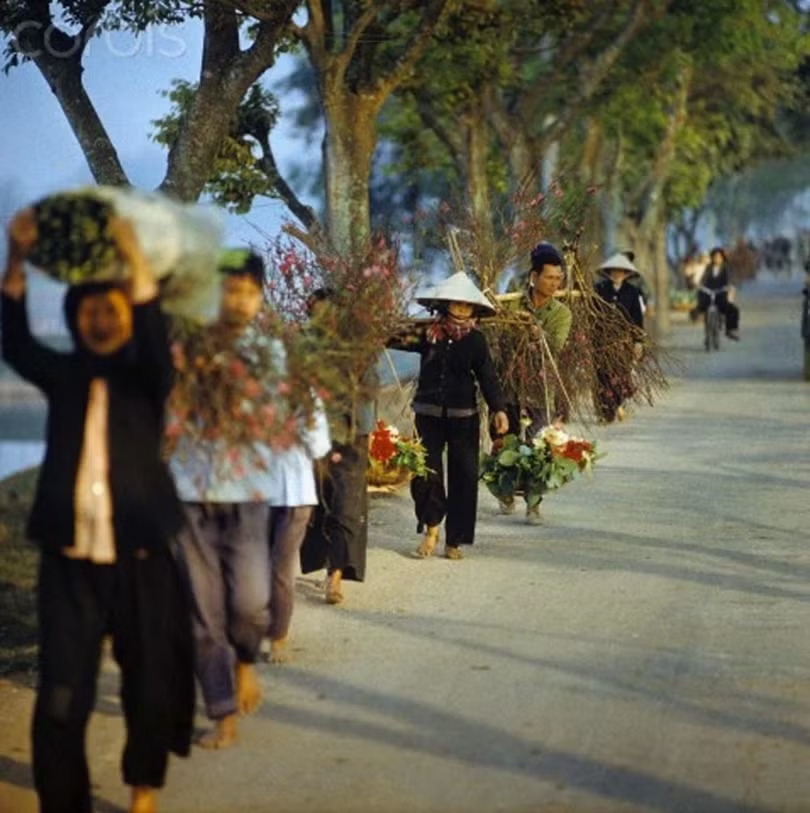
People from Nghi Tam flower village in Hanoi carry flowers to the market to sell during Tet (Lunar New Year), 1973. (Photo: Werner Schulze)
Besides the food, traditional Tet drinks were simple yet heartwarming, including homemade rice wine, green tea, regular tea, or lemon and ginger drinks to help with hangovers. Plates of Tet sweets and preserves such as sticky rice candy, peanut candy, mung bean cakes, sticky rice cakes, watermelon seeds, sunflower seeds, ginger preserves, coconut preserves… served both as desserts and as a warm invitation to guests.
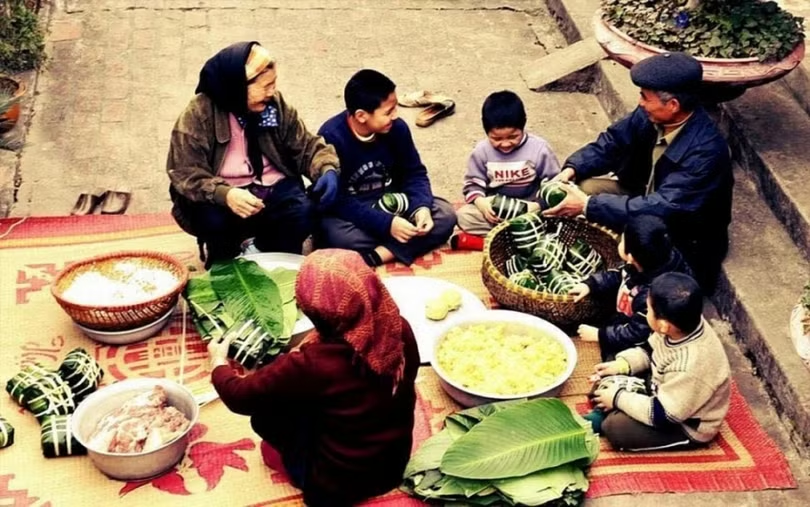


But above all, the most precious aspect of traditional Tet cuisine lies in the atmosphere of togetherness. It's the image of the whole family gathering around a pot of sticky rice cakes simmering over a fire all night, children eagerly waiting to take the cakes out, and adults leisurely sharing stories of the past year. It is these moments that create the rich and warm flavor of Tet.
This year's Tet celebration is rich, convenient, and colorful.
Along with the development of social life, Tet cuisine today has undergone significant changes. As material life becomes more prosperous, Tet is no longer just a time to "compensate" for a year of hard work, but has become a time to enjoy, experience, and refresh one's palate. Therefore, the spring feast is no longer confined to traditional patterns but is increasingly rich and diverse in dishes and cooking methods.
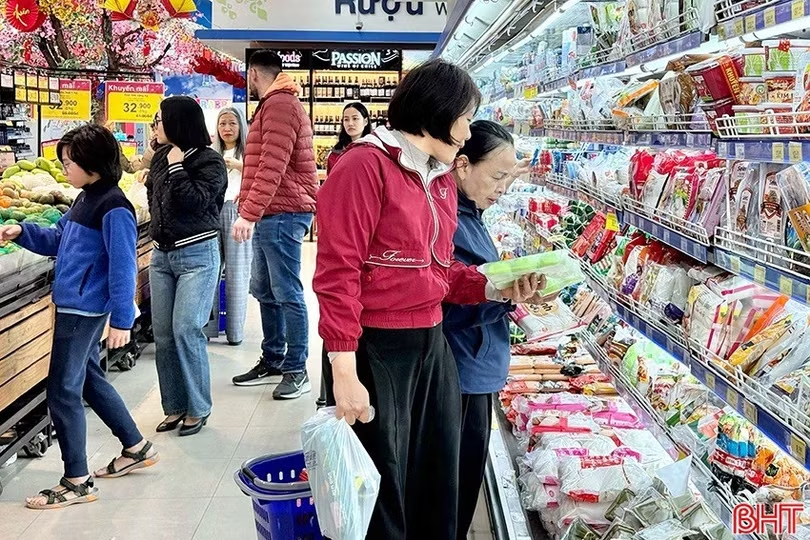
The process of preparing Tet (Lunar New Year) feasts has been significantly simplified thanks to technology and modern services. Instead of stocking up on food months in advance or waking up early to go to crowded Tet markets as before, many families choose to shop online, buy ready-made meals, or order complete feast packages from reputable restaurants and establishments. Supermarkets and convenience stores operating throughout Tet make shopping easier, saving time and effort.
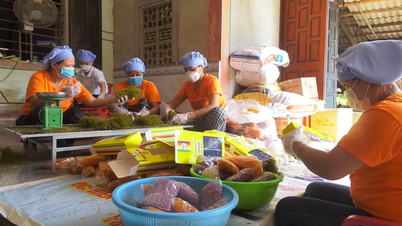
Traditional dishes like banh chung and banh tet (sticky rice cakes) are still present on the feast table, but many new variations have been added, such as brown rice banh chung, gac fruit banh chung, purple sticky rice banh chung, and multi-colored banh chung… Vietnamese sausages and ham have also been modernized with chicken sausage, mushroom sausage… to meet the diverse needs of modern consumers. In today's fast-paced life, many families no longer make their own cakes but choose to order them from professional services.
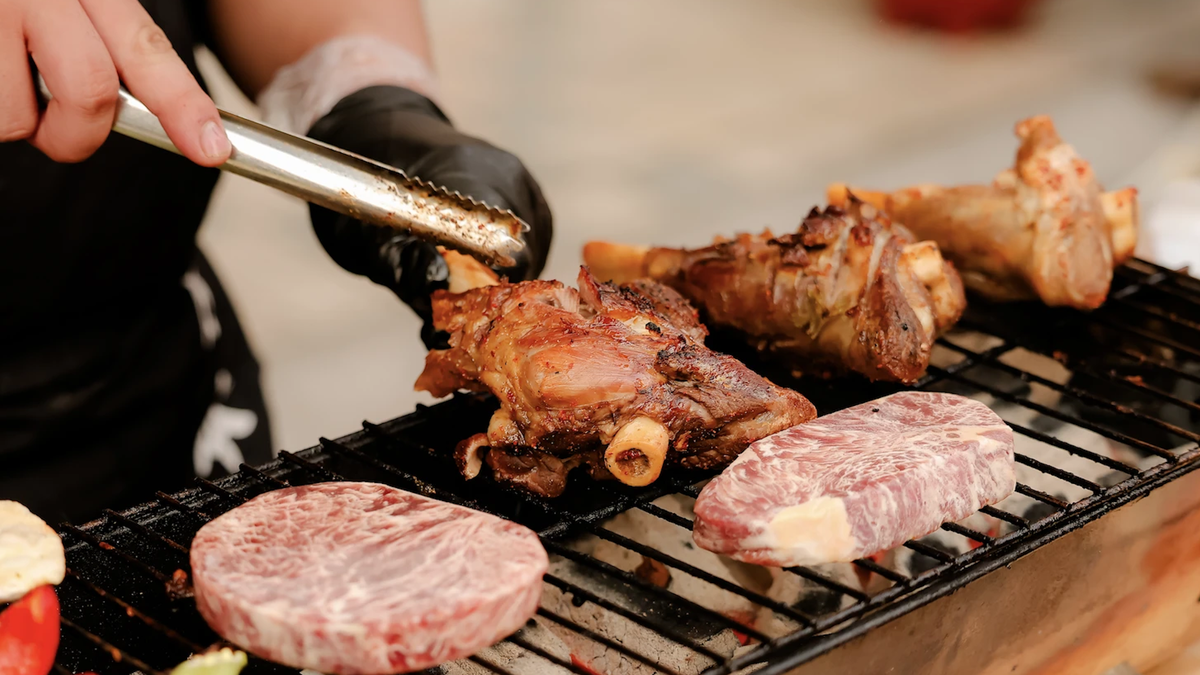
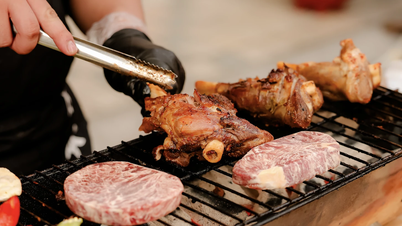
A noteworthy aspect is the harmonious blend of old and new in the spring festival feast. Many young families still retain familiar traditional dishes, but adjust the preparation methods to be lighter, with less oil, less salt, and less sugar. Alongside these, "imported" dishes such as salt-cured chicken, beef steak, salad, and sushi also appear on the Tet feast table. These dishes are not intended to replace, but rather to complement, creating a diverse feast that satisfies the tastes of multiple generations within the family.
Notably, the trend of vegetarian and green eating during Tet (Lunar New Year) is becoming increasingly popular. A vegetarian feast with vegetarian banh chung (rice cakes), vegetarian spring rolls, and vegetable soup is both light and healthy, carrying the meaning of goodness and praying for a peaceful new year.
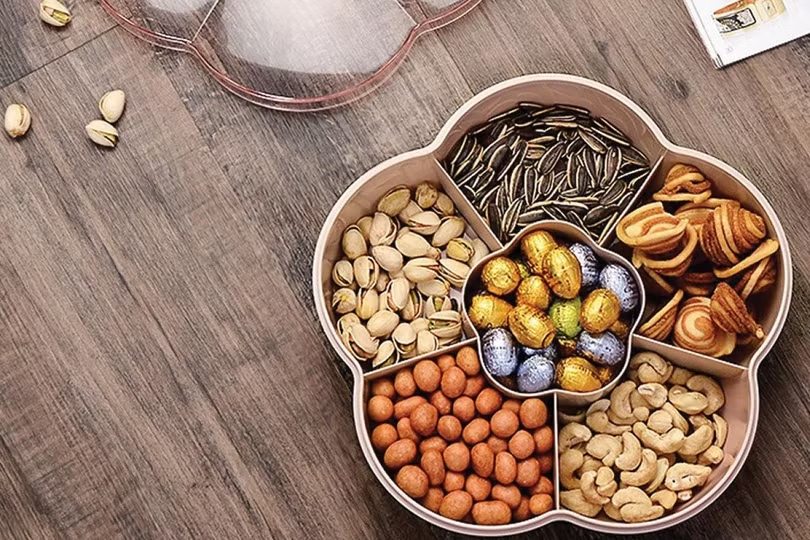
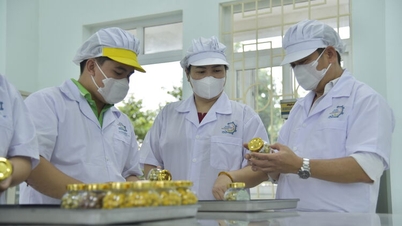
Along with food, the drinks during Tet (Lunar New Year) have also become more diverse. Besides the traditional "banana leaf stopper" rice wine, the spring feast now includes wine, spirits, beer, soft drinks, etc. Tet sweets are not limited to familiar flavors, but are also abundant with dried fruit preserves, various nuts such as cashews, chestnuts, walnuts, and many different types of candies and cakes.



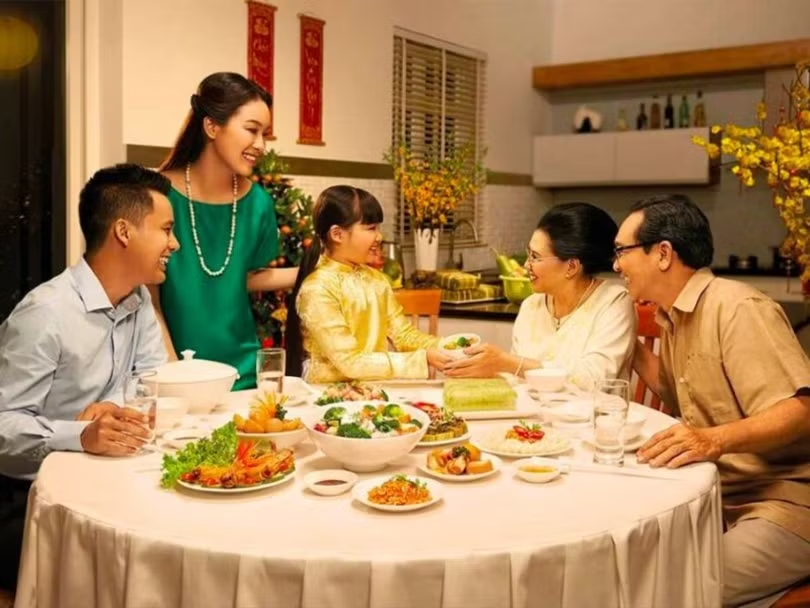
A family gathers around the dinner table on the occasion of the Lunar New Year. (Illustrative image: internet).
Although the traditional Tet feast has undergone many changes, the core values of Vietnamese Tet cuisine remain unchanged: the spirit of reunion, sharing, and the wish for a prosperous and peaceful new year. Whether the banh chung (traditional rice cake) is bought ready-made or homemade, whether the feast is elaborately arranged or simply presented, the moment when the whole family sits together, raising a cup of spring tea, recounting stories of the past year and looking forward to good things ahead is the most important flavor, the soul of Vietnamese Tet passed down through generations.
Source: https://baohatinh.vn/am-thuc-tet-giu-hon-cu-them-sac-moi-post305643.html

![[Photo] "Hanoi Lotus Festival" honors the lotus flower that has been associated with Vietnam for thousands of years.](https://vphoto.vietnam.vn/thumb/1200x675/vietnam/resource/IMAGE/2026/06/27/1782516943048_sen-ha-noi-2026-minh-duy-1-jpg.webp)