Fish - an indispensable ingredient in Tet holiday dishes.
Báo Dân trí•23/01/2025
(Dan Tri Newspaper) - In Chinese culture, the word "fish" symbolizes wealth and prosperity. Meanwhile, Singaporeans believe that eating fish on New Year's Day will bring good luck for the entire year.
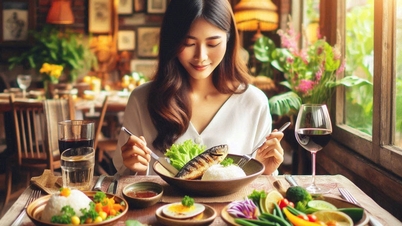
Fish is a common and meaningful ingredient in Tet (Lunar New Year) dishes in Asian countries. In Vietnam, fish is often featured in dishes such as braised fish, steamed fish, or fish soup. Depending on the region, the way fish is prepared varies, but all retain the distinctive flavors of Tet.
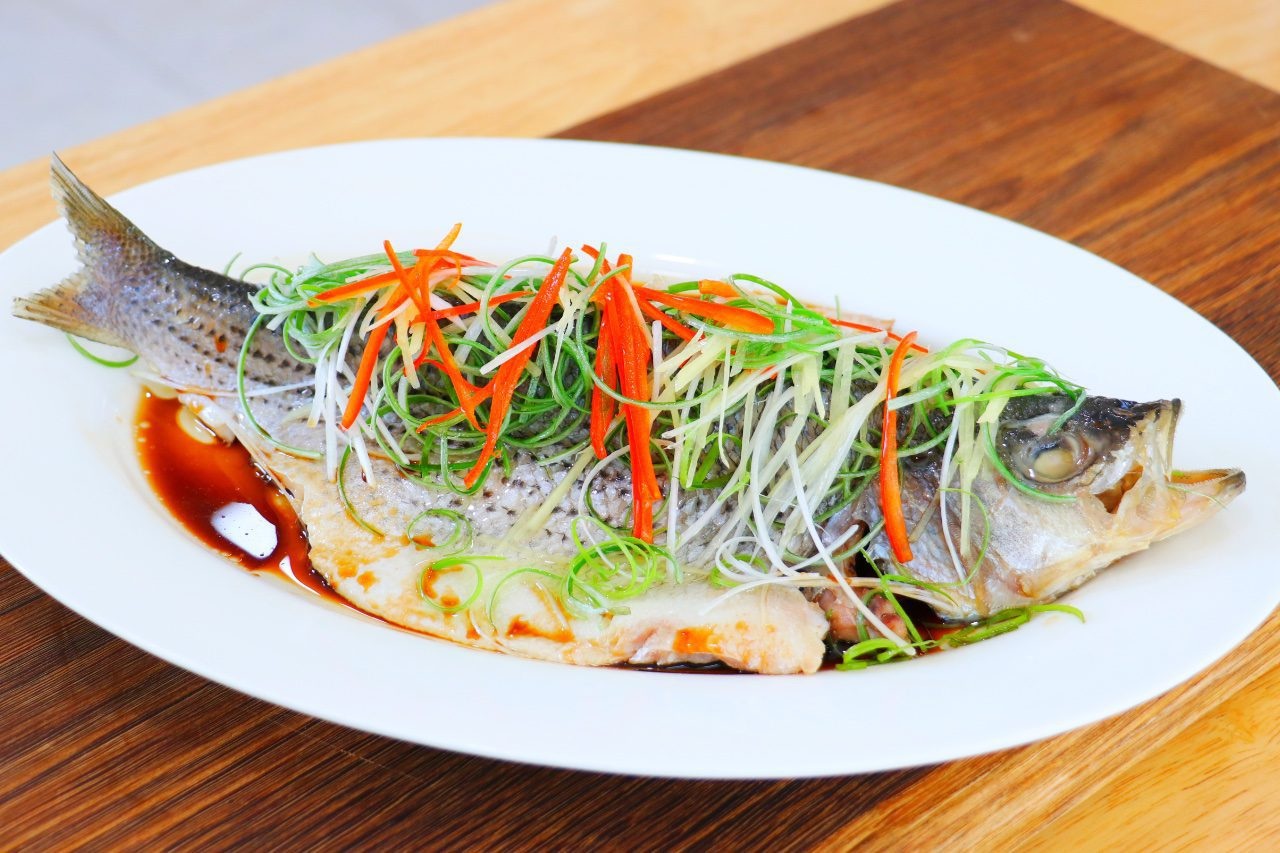
Steamed fish (Chinese style)
In Chinese culture, the word for "fish" (魚 - yú) sounds similar to the word for "surplus," signifying wealth and abundance. Therefore, fish is an indispensable choice for New Year's feasts. Chinese people usually eat fish at the end of the year but save the head and tail until the beginning of the new year, believing that the new year will start and end in abundance. Furthermore, the Chinese also favor fish with auspicious names. For example, carp (jìyú) means "luck," and catfish (níanyú) means "abundance year." Fish is not only delicious food but also embodies the hope for a prosperous and fulfilling new year for the people of China (Photo: cicili).
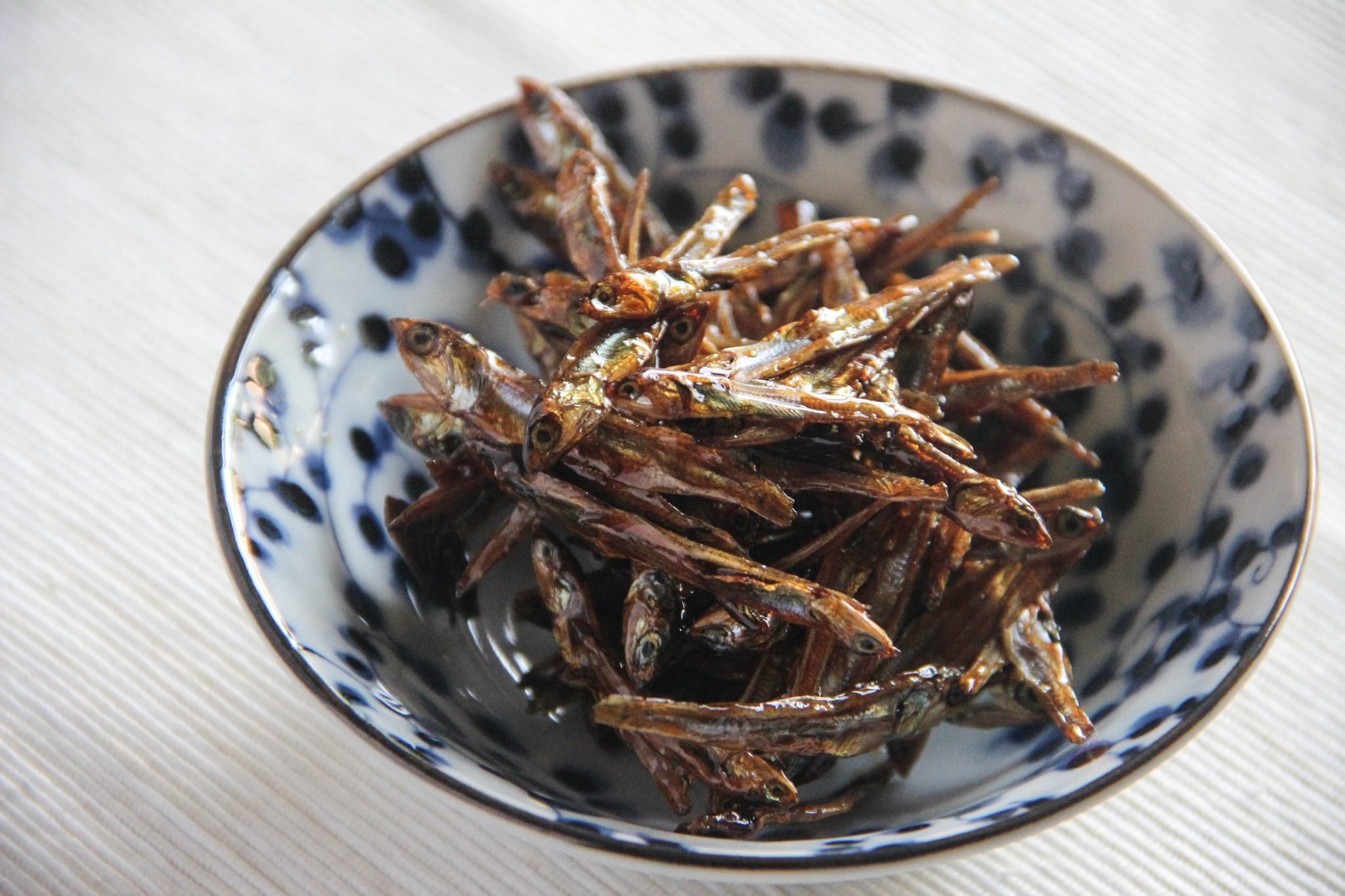
Dishes made from fish (Japan)
Fish dishes play an indispensable role in the traditional Japanese New Year's feast. According to ancient beliefs, enjoying fish dishes not only provides abundant energy but also helps to sharpen the mind and improve clarity in work and life. Gomame (dried anchovies), Kamaboko (fish cakes), and Tai (sea bream) are three prominent dishes in the traditional Japanese New Year's feast. Each dish carries a special meaning, symbolizing good fortune in the new year. Gomame (dried anchovies) in Japanese can be understood as "50,000 ears of rice," symbolizing a bountiful harvest and prosperity. Kamaboko (fish cakes), with its vibrant pink and white colors, represents the rising sun – a symbol of good luck and a bright new beginning for the country. Meanwhile, sea bream has long been considered a symbol of good fortune and prosperity, contributing to bringing good things in the new year (Photo: Japanese Cooking 101).
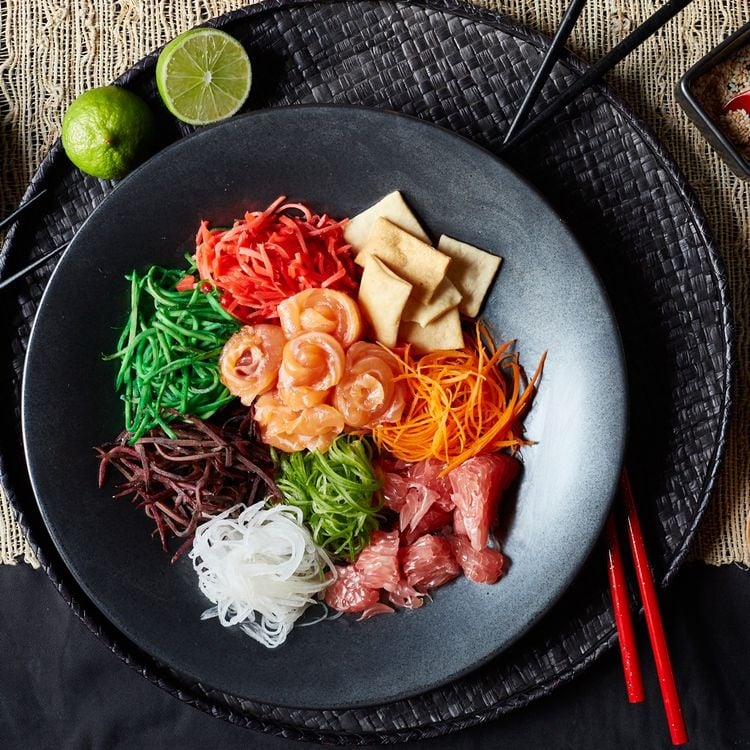
Yu Sheng fish salad (Singapore)
Yusheng (salad) is a salad made from 27 ingredients including vegetables, roots, and salmon, combined with various sauces and spices. Singaporeans believe that eating this dish on New Year's Day brings good luck and prosperity. Each ingredient in Yusheng carries a meaning, representing wishes for a good new year. Fish symbolizes prosperity, carrots represent good fortune, green radishes wish for longevity, and white radishes represent advancement. The salad also features very refined sauces and spices. Crushed peanuts symbolize gold and silver. The five-spice sauce represents five blessings, a wish for a new year filled with joy and good luck (Photo: Food & Wine).
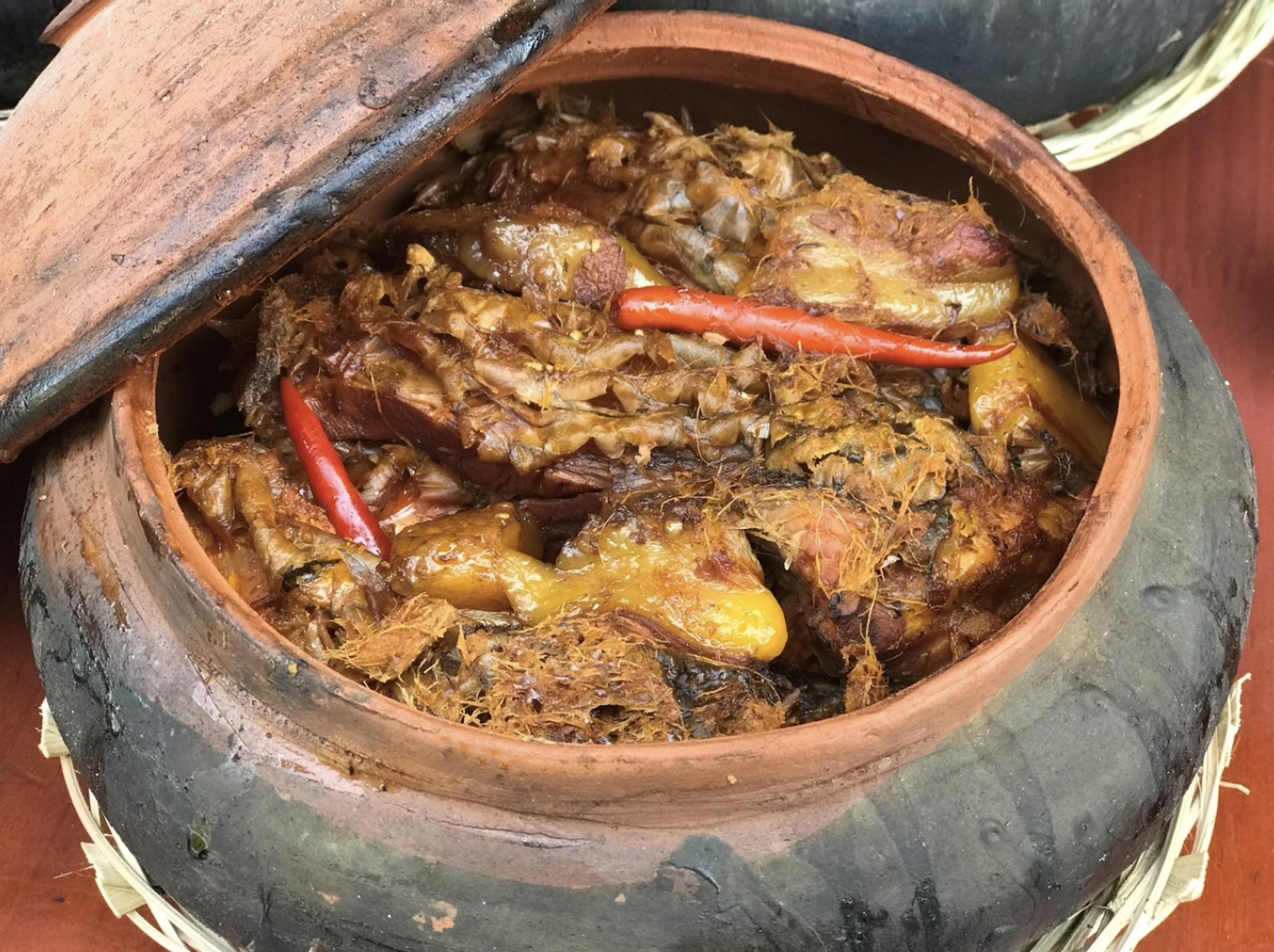
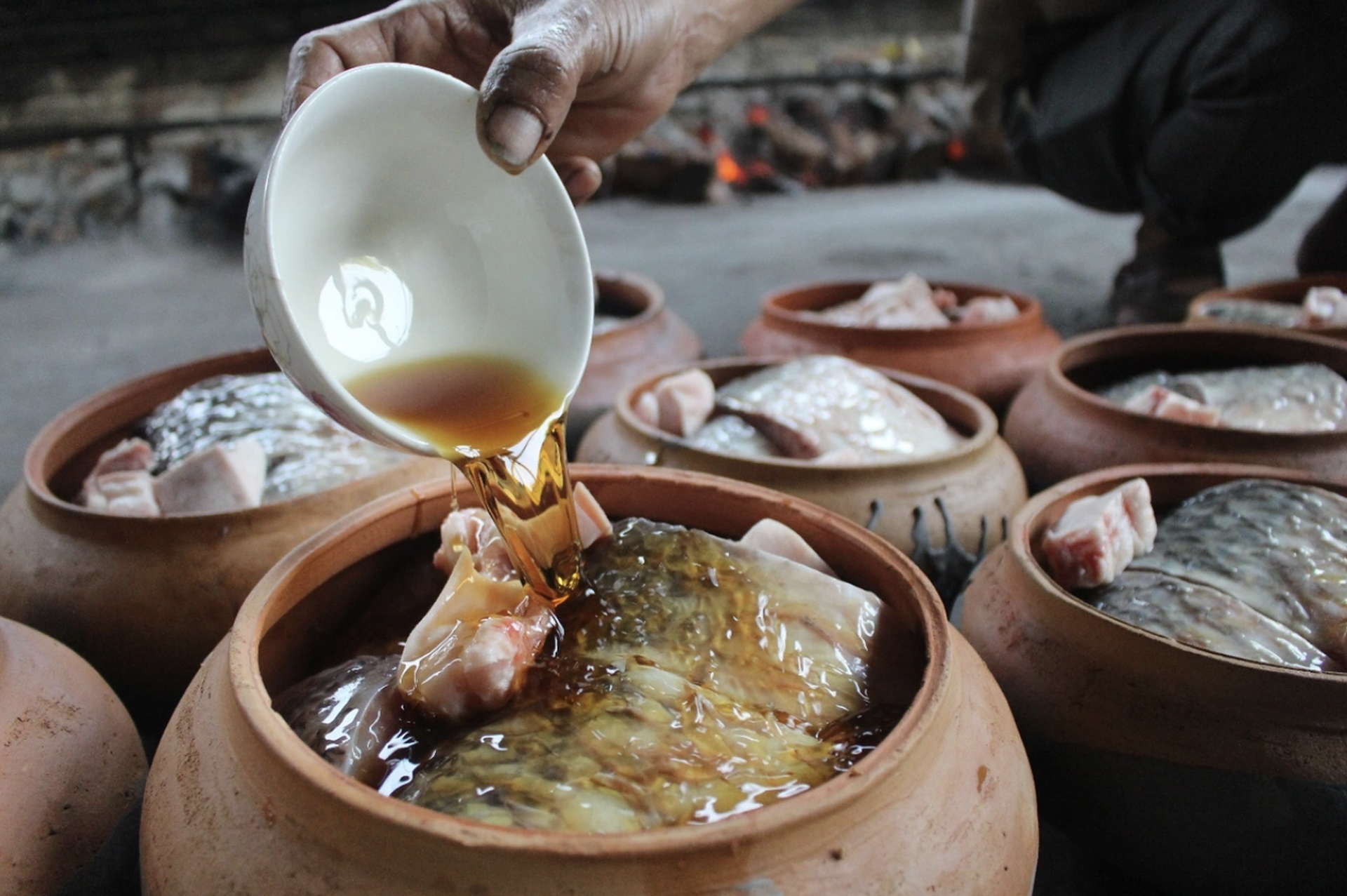
Braised fish (Vietnam)
Braised fish is a delicate combination of fresh black carp and traditional spices such as galangal, ginger, Bần soy sauce, and lime juice. In particular, this dish is cooked for 10-12 hours in an earthenware pot over a wood fire, creating a fragrant aroma that permeates every fiber of the fish. The long braising process over low heat helps the fish become firm, absorb the spices evenly, and gives it a distinctive flavor unlike any other braised fish dish. With the harmonious combination of natural ingredients and a family secret recipe, braised fish is not only a familiar dish at Tet (Lunar New Year) meals but also symbolizes the appreciation of tradition and the beauty of Vietnamese culinary culture. (Photo: Hà Hiền).
It can be said that fish is both a main ingredient in Tet holiday meals and a symbol of abundance, good fortune, and health, contributing to the richness of traditional culinary culture not only in Vietnam but also in other Asian countries during the New Year.




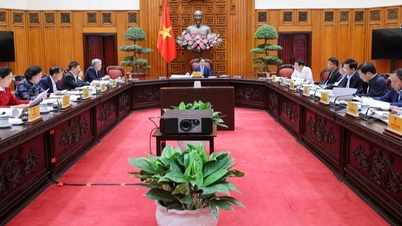
![[Photo] Prime Minister Pham Minh Chinh presides over a meeting on private sector economic development.](/_next/image?url=https%3A%2F%2Fvphoto.vietnam.vn%2Fthumb%2F1200x675%2Fvietnam%2Fresource%2FIMAGE%2F2025%2F12%2F20%2F1766237501876_thiet-ke-chua-co-ten-40-png.webp&w=3840&q=75)















































Comment (0)