

 |
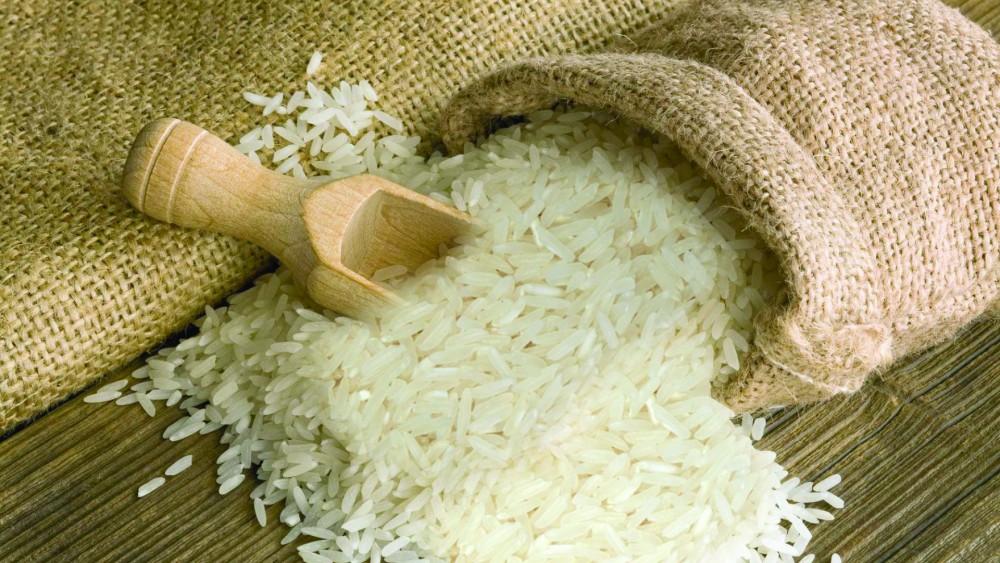
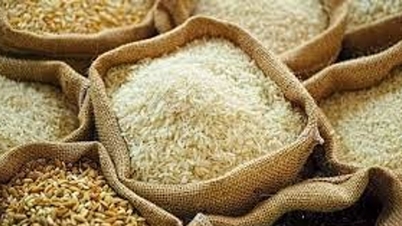
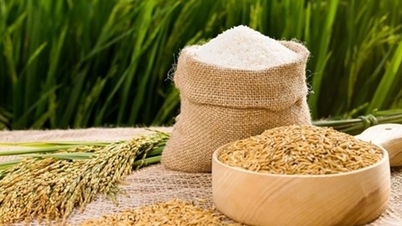
| India imposes further restrictions on rice exports. (Source: Business News) |
This latest move comes after India imposed a 20% tariff on parboiled rice exports on August 25.
India accounted for approximately 40% of global rice exports last year. The country currently bans or imposes some form of restriction on all types of rice exports.
Earlier this month, rice prices in Asia surged to their highest level in nearly 15 years and could rise further. This has increased costs for importing countries such as the Philippines and several other nations in the region.
The measures recently taken by the world's fifth-largest economy are aimed at stabilizing domestic prices.
According to BV Krishna Rao, President of the Indian Rice Exporters Association, the decision to impose tariffs on parboiled rice will lower domestic rice prices and help control food price inflation. However, global rice prices will rise, and buyers will have to purchase the commodity at higher prices.
Rice is a staple food for approximately half of the world's population.
India's restrictions were implemented at a time when food prices remained high due to the conflict in Ukraine and global weather fluctuations.
In India, parboiled rice accounts for about one-third of total rice exports. The country has banned the export of broken rice and other types of white rice, restricted the export of wheat and sugar, and stockpiled certain grains.
New Delhi is also considering lifting the 40% import tax on wheat, tomatoes, onions, and stockpiled grains to improve domestic supply.
Source


![[Image] Shipbuilders exposed to steel and record-breaking heat.](https://vphoto.vietnam.vn/thumb/1200x675/vietnam/resource/IMAGE/2026/06/04/1780545781745_ndo_br_img-5402-4683-jpg.webp)













































![[Video] Sunset at Lap An Lagoon – Where the sun sets over the fishing nets](https://vphoto.vietnam.vn/thumb/1200x675/vietnam/resource/IMAGE/2026/05/31/1780192137701_beach-landscape-sea-water-nature-grass-745871-pxhere-com.jpeg)






























Comment (0)