

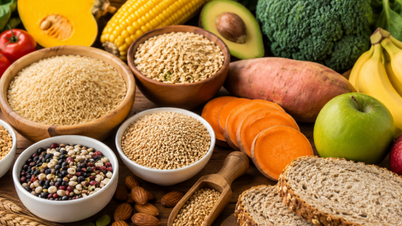
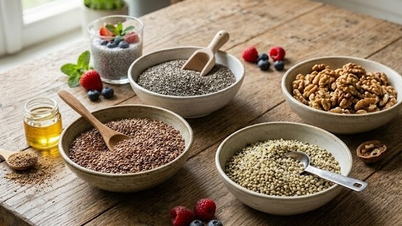
Eating plenty of broccoli and other probiotic-rich foods, while limiting salty foods, can help reduce the negative impact of H. pylori bacteria on the stomach.
Helicobacter Pylori (HP) bacteria in the stomach survive and thrive thanks to their ability to neutralize stomach acid. They can live symbiotically in the stomach without causing harm for a long time, or they can attack and damage the mucous membrane, causing stomach and duodenal ulcers, and cancer.
Dr. Vu Truong Khanh, Head of the Gastroenterology Department at Tam Anh General Hospital in Hanoi , stated that Vietnam has a high rate of Helicobacter pylori (HP) infection. The disease is easily transmitted from person to person through oral contact with the saliva of an infected person, via gastric fluids, and oral secretions. Lifestyle habits such as not washing hands thoroughly after using the toilet, consuming unhygienic food, and using contaminated water also increase the risk of HP infection.
While medication is the primary treatment for H. pylori, diet also plays a role in improving treatment effectiveness and preventing recurrence.
Avoid eating foods that are too salty and fatty.
Foods high in unhealthy fats alter the properties of the protective mucous membrane of the stomach, creating conditions for H. pylori bacteria to invade the lining and increasing the risk of peptic ulcers.
A high-salt diet also activates genes that cause H. pylori bacteria to become more active, leading to inflammation and the spread of stomach lesions.
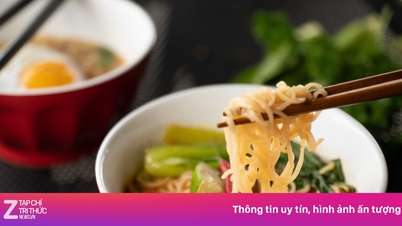
Patients should eat plenty of fruits and vegetables, and limit fried foods, frozen foods, canned foods, processed meats, full-fat dairy products, and salted nuts.
Limit alcohol, beer, coffee, and tobacco.
While taking medication to treat H. pylori, patients should avoid consuming large amounts of alcoholic beverages such as beer and wine, caffeinated drinks such as chocolate, coffee, and black tea, and smoking. These substances increase gastric acid production, irritate the mucous membrane, cause unpleasant burning sensations, and reduce the effectiveness of the medication.
Green tea and cabbage juice contain many antioxidants that help control free radicals, reducing the activity and proliferation of H. pylori bacteria. The good anti-inflammatory properties of green tea contribute to soothing the stomach and promoting the healing process of damaged tissues.
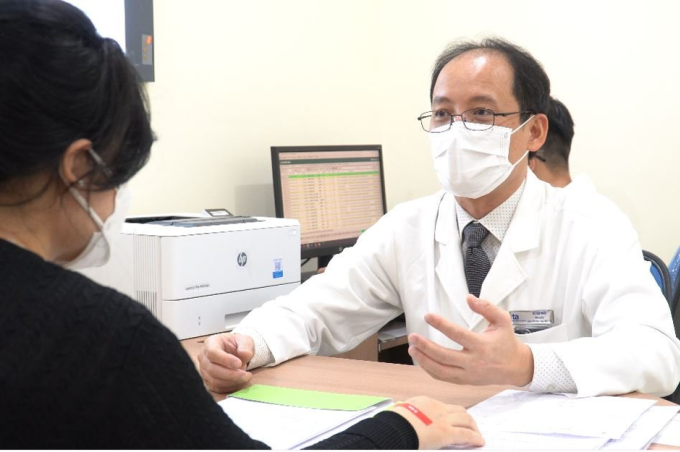
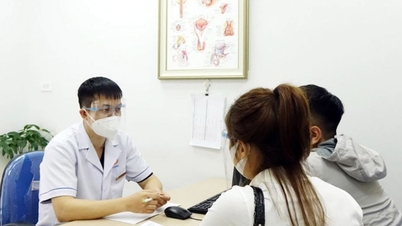
Dr. Khanh advises patients at Tam Anh General Hospital in Hanoi. Photo: Trung Vu.
Supplement your diet with probiotic-rich foods.
Probiotics are beneficial bacteria that help maintain a balance of good and bad bacteria in the gut, reduce inflammation, and boost immunity. Foods rich in probiotics include yogurt, kombucha tea, kefir, miso soup, etc.
Eat plenty of broccoli.
Probiotics are beneficial bacteria, while prebiotics are the food for these bacteria. Broccoli is a rich source of prebiotics, which help fight infections caused by H. pylori bacteria. Broccoli contains many nutrients, including folic acid, which is beneficial for people with stomach ulcers and pregnant women.
Drink plenty of clean water.
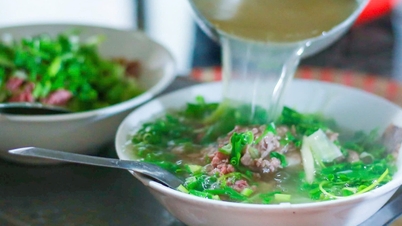
Water neutralizes stomach acid; everyone should drink about two liters of water per day to improve their health. Ensure the water source is safe and of good quality.
Dr. Khanh stated that H. pylori infection is one of the main causes of peptic ulcers, and in a small number of people, it can later lead to stomach cancer.
Everyone should proactively prevent and treat H. pylori infection, especially if there is a family history such as parents or siblings with stomach cancer. Early treatment of H. pylori infection is more effective and helps avoid long-term complications.
Helicobacter pylori (HP) bacteria are often only detected through examinations and laboratory tests when gastrointestinal diseases are present.
The invasive method uses gastroduodenoscopy to assess the extent of mucosal damage, followed by biopsy of two tissue samples for rapid urease testing, histopathological tissue biopsy, or bacterial culture.
Dr. Khanh stated that non-invasive methods include three approaches: breath tests, stool tests, and blood tests. However, blood tests cannot determine whether a past H. pylori infection has cleared or if the bacteria are still present. Furthermore, it's not always necessary to completely eliminate H. pylori from the body. In cases where the bacteria are not causing harm and do not affect daily life, testing is not required.
Testing for H. pylori is only recommended in cases with symptoms or a family history and is prescribed by a specialist. Treatment for H. pylori may lead to some side effects such as nausea, vomiting, bowel disorders, fatigue, and difficulty sleeping.
Ly Nguyen
| Readers can ask questions about digestive diseases here for doctors to answer. |
Source link


![[Image] Hanoi Police officially crowned champions of V-League 2025/2026](https://vphoto.vietnam.vn/thumb/1200x675/vietnam/resource/IMAGE/2026/05/31/1780244769054_ndo_br_039d561b692be875b13a-jpg.webp)



























![[Photo] The General Secretary, President and his wife begin their state visit to the Philippines.](https://vphoto.vietnam.vn/thumb/1200x675/vietnam/resource/IMAGE/2026/05/31/1780230559452_anh-man-hinh-2026-05-31-luc-19-28-11.png)



































































Comment (0)