1. What are the health benefits of lotus seeds?
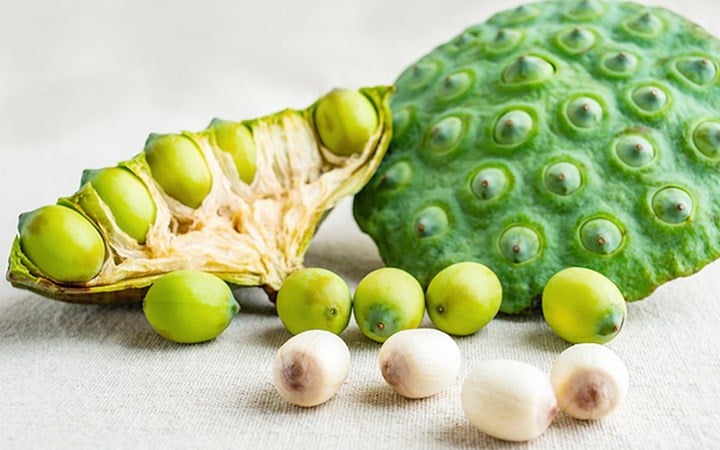
Lotus seeds are the seeds of the lotus plant, containing abundant protein, starch, fiber, B vitamins, and minerals such as potassium, magnesium, phosphorus, iron, and zinc.
- 1. What are the health benefits of lotus seeds?
- 2. Should you eat lotus seeds every day?
- 3. Who should avoid eating too many lotus seeds?
- 4. How should lotus seeds be eaten to benefit your health?
According to resident physician Nguyen Thanh Hang, Department of Traditional Medicine, Hanoi Medical University, lotus seeds (lien nhuc) have a sweet taste, a neutral nature, and the effects of nourishing the spleen, heart, kidneys, calming the nerves, and strengthening the essence. This is why lotus seeds often appear in medicinal dishes that support sleep, improve health, and restore physical strength.
From a modern nutritional standpoint, the fiber in lotus seeds aids digestion, promotes satiety, and contributes to weight management when consumed in moderation. Additionally, laboratory studies have shown that lotus seeds contain several antioxidant compounds such as nuciferin and quercetin, which may protect cells from free radical damage, although clinical evidence in humans is still under investigation.

Lotus seeds are nutritious, but certain groups of people need to be cautious when consuming them.
2. Should you eat lotus seeds every day?
According to resident doctor Nguyen Thanh Hang, healthy people can eat lotus seeds regularly, even daily, if consumed in appropriate amounts and with a varied diet.
However, lotus seeds are not a food that should be eaten excessively or used to replace other food groups. This is because lotus seeds contain a relatively high amount of starch and energy. Eating too much can lead to nutritional imbalance, bloating, or increased calorie intake.
In nutritional practice, lotus seeds are often used as a source of carbohydrates to partially replace rice or other grains, with the amount adjusted according to each person's physical condition and activity level.


3. Who should avoid eating too many lotus seeds?
Although lotus seeds are a healthy food, some people should limit or be cautious when consuming them:
For people with constipation: According to traditional medicine, lotus seeds are believed to help stop diarrhea. Therefore, people suffering from chronic constipation may worsen their condition if they consume too many lotus seeds.
People who frequently experience bloating and indigestion: Lotus seeds have a relatively high starch content. Eating too many at once can cause bloating and indigestion, especially in people with poor digestive function or the elderly.
For people with diabetes: Lotus seeds have a lower glycemic index than white rice or bread, meaning blood sugar levels rise more slowly after consumption. People with diabetes don't need to completely avoid lotus seeds, but they should still count the amount of lotus seeds in their total daily carbohydrate intake. It's especially important to avoid lotus seed desserts with added sugar, as it's the added sugar that causes blood sugar to spike, not the lotus seeds themselves.
For those trying to lose weight: Lotus seeds are not a food that causes weight gain, but when prepared as a sugary dessert or stewed with fatty ingredients, the total calorie count can increase significantly without the eater noticing. People who are controlling their weight should pay attention to how they cook them rather than completely avoiding lotus seeds.
4. How should lotus seeds be eaten to benefit your health?
To reap the benefits of lotus seeds, resident doctor Nguyen Thanh Hang recommends:
• Consume in moderation; do not use as a complete replacement for grains or other protein sources.
• Combine lotus seeds with a variety of foods such as lean meat, fish, green vegetables, and fruits.



• Limit adding sugar when cooking; prioritize making porridge, stews, or serving it as an accompaniment to savory dishes.
• Individuals with chronic medical conditions should consult their doctor or a nutritionist regarding appropriate dosage.
Lotus seeds are a healthy food and can be eaten regularly. The important thing is to consume them in the right amount, prepare them simply, and combine them in a balanced way with other food groups to maximize their inherent nutritional value.
See more trending articles:
Source: https://suckhoedoisong.vn/an-hat-sen-hang-ngay-co-tot-khong-169260612152009703.htm