

Pears are rich in fiber, which is good for bowel movements and helps prevent colorectal cancer and diverticulitis.
Pears are rich in antioxidants such as vitamin C, plant compounds, and especially fiber, which helps boost overall health. According to the U.S. Department of Agriculture , a medium-sized pear (100g) contains more than 5.5g of fiber, providing over 20% of the daily requirement, which is beneficial for the digestive system.
A 2022 study by Boston University, USA, along with several other institutions, showed that eating pears provides a large amount of fiber, which helps improve bowel movements and fight against the development of colorectal cancer, diverticulitis, and other health conditions such as heart disease and diabetes.
According to researchers, fiber from pears also has a laxative effect, increases mineral absorption through the digestive tract, reduces energy consumption by increasing feelings of fullness, and regulates the balance of the gut microbiome.
A 2019 meta-analysis by Tufts University, USA, based on 22 studies, found that pears are a good source of pectin (soluble fiber) that supports gut health. The fiber in pears can promote bowel motility and lower bad cholesterol (LDL).
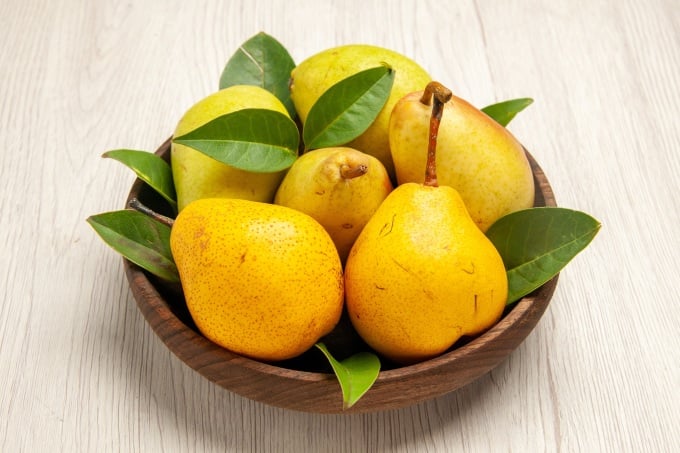
Pears are packed with nutrients. Photo: Freepik
The fiber in this fruit can also impact the gut ecosystem. According to a 2018 review by the University of Alberta, Canada, and several other institutions, based on five studies, fiber provides food for gut bacteria, helping them to grow and maintain balance. A healthy gut microbiome contributes to a stronger immune system and increased resistance to disease.
According to researchers, a low-fiber diet leads to reduced diversity and altered metabolism of gut bacteria, contributing to an increased risk of inflammatory bowel disease and colorectal cancer.
People with diverticulitis should add more fiber to their diet. According to the University of California, USA, fruits like pears, apples, and bananas are rich in fiber, which makes stool pass more quickly and easily, preventing and aiding in the treatment of diverticulitis.
Healthy adults on a 2,000-calorie diet need at least 28 grams of fiber per day, and consuming at least 30 grams of fiber may help prevent diverticulitis.
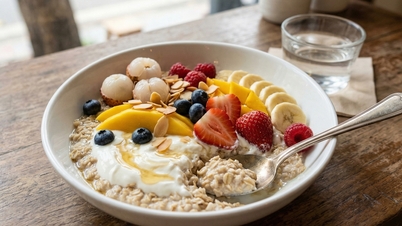
Information from the Mayo Clinic in the US also indicates that the fiber in pears helps the digestive system function better. Eating them directly, baking them, adding them to salads or yogurt can take advantage of the many gut-health benefits of this fruit.
Mai Cat (According to Everyday Health, Very Well Health )
| Readers can ask questions about digestive diseases here for doctors to answer. |
Source link




![[Photo] General Secretary and President visit the China-ASEAN AI Application Cooperation Center](https://vphoto.vietnam.vn/thumb/1200x675/vietnam/resource/IMAGE/2026/04/17/1776404277677_vna-potal-tong-bi-thu-chu-tich-nuoc-tham-trung-tam-hop-tac-ung-dung-ai-trung-quoc-asean-8706616-2286-jpg.webp)


















![[Photo] National Assembly Chairman Tran Thanh Man attends the policy seminar to promote Vietnam-Türkiye cooperation.](https://vphoto.vietnam.vn/thumb/1200x675/vietnam/resource/IMAGE/2026/04/16/1776351415367_vna-potal-chu-tich-quoc-hoi-tran-thanh-man-du-toa-dam-chinh-sach-thuc-day-hop-tac-viet-nam-tho-nhi-ky-8705791-jpg.webp)

























































![[Video] Preserving the "green gold" on Hong Thai Mountain](https://vphoto.vietnam.vn/thumb/402x226/vietnam/resource/IMAGE/2026/04/18/1776468522858_a1-jpg.webp)






Comment (0)