

 |
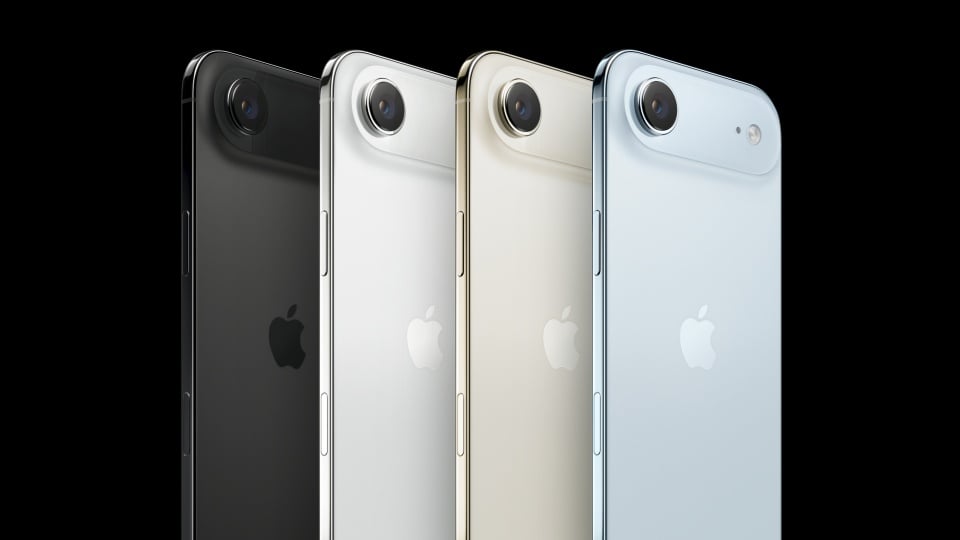
The iPhone Air is Apple's next attempt to fill out its product lineup. |
Since 2020, Apple has structured its flagship line with four models: a standard iPhone, a Pro version, a Pro version with a larger screen, and a fourth model. In the 12th generation, this was a mini model. The experiment failed, and Apple discontinued the line after two years.
They switched to the Plus model with a larger screen. This four-device structure continued for the past three years. However, it still didn't perform as expected. For the third time in just five years, Apple had to change. However, this effort hasn't guaranteed success.
A difficult problem to solve.
Five years of Apple's efforts to diversify its product range have yet to bear fruit. The "fourth iPhone" has consistently been the worst-selling model in the entire lineup. From the 12 Mini to the 16 Plus, each generation brought changes and upgrades, but the results have always fallen short of Apple's expectations.
The original mini model was an interesting option. Amidst the trend of oversized smartphones, the 5.7-inch device became a rare flagship that could fit comfortably in one hand and be operated with just the thumb. However, technological limitations meant the product was not popular in most markets.
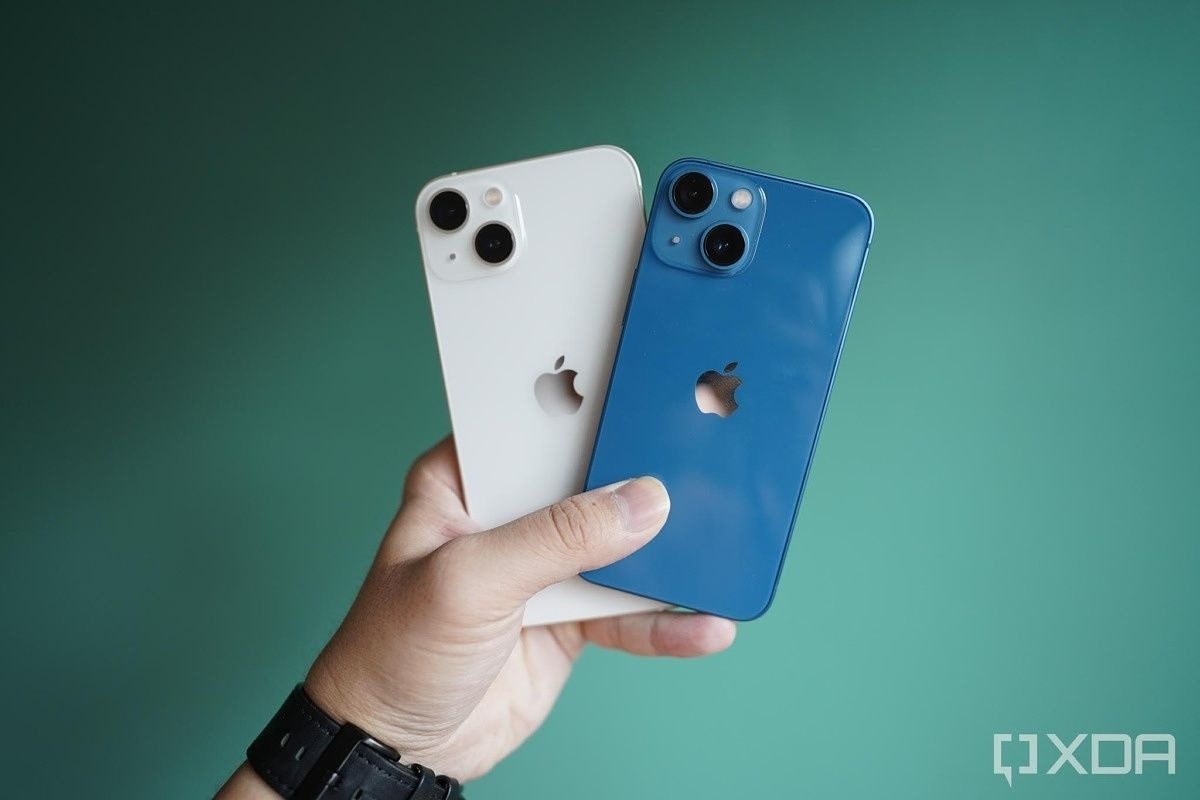 |
The iPhone Mini/Plus models have all sold poorly compared to their contemporaries. Photo: XDA. |
In the West, the size is too small for the hand, obscuring content and reducing the user experience. Meanwhile, in Asia, customers are willing to opt for older iPhones rather than buying the cheaper, stripped-down models compared to the other three.
Ultimately, the fatal flaw in battery life means the iPhone 12 and 13 mini don't last a full day. This drives customers toward Android products or encourages them to upgrade to higher-end Apple models.
Compared to the failure of the mini, the poor sales of the Plus are more difficult to explain. In Vietnam, many retailers had high expectations for this model as it met essential customer needs: a large screen, a large battery, and running iOS. Some systems were even "optimistic," believing the product would sell better than both the regular iPhone and the Pro version.
However, the market reacted completely differently. The Plus version only differed in size, without a higher refresh rate or additional cameras. It was simply a larger version of the regular model, but cost almost as much as the Pro version. Ultimately, the product continued the same path as the mini model, accounting for less than 10% of total iPhone sales that year.
Continue searching for the answer.
For the past 10 years, Apple has been led by Tim Cook, who is credited with building the company's supply chain in China, contributing to massive revenue without directly assembling the products himself. Optimizing and maintaining stable production lines to maximize profits has been a crucial factor in this.
The company maintained a 2+1 model structure consisting of the "regular" and Plus iPhones from 2014 to 2017. Later, they added special editions and expanded the model to 2+1 with the XR, 11, 12… However, the "fourth iPhone" became an exception, forcing Tim Cook and his team to constantly innovate. The iPhone 17 Air was the third time in five years they had to completely redesign it.
Instead of leaving a gap in the 25-30 million VND price segment when the Pro line increases in price, Apple needs to find a way to fill it with a new model.
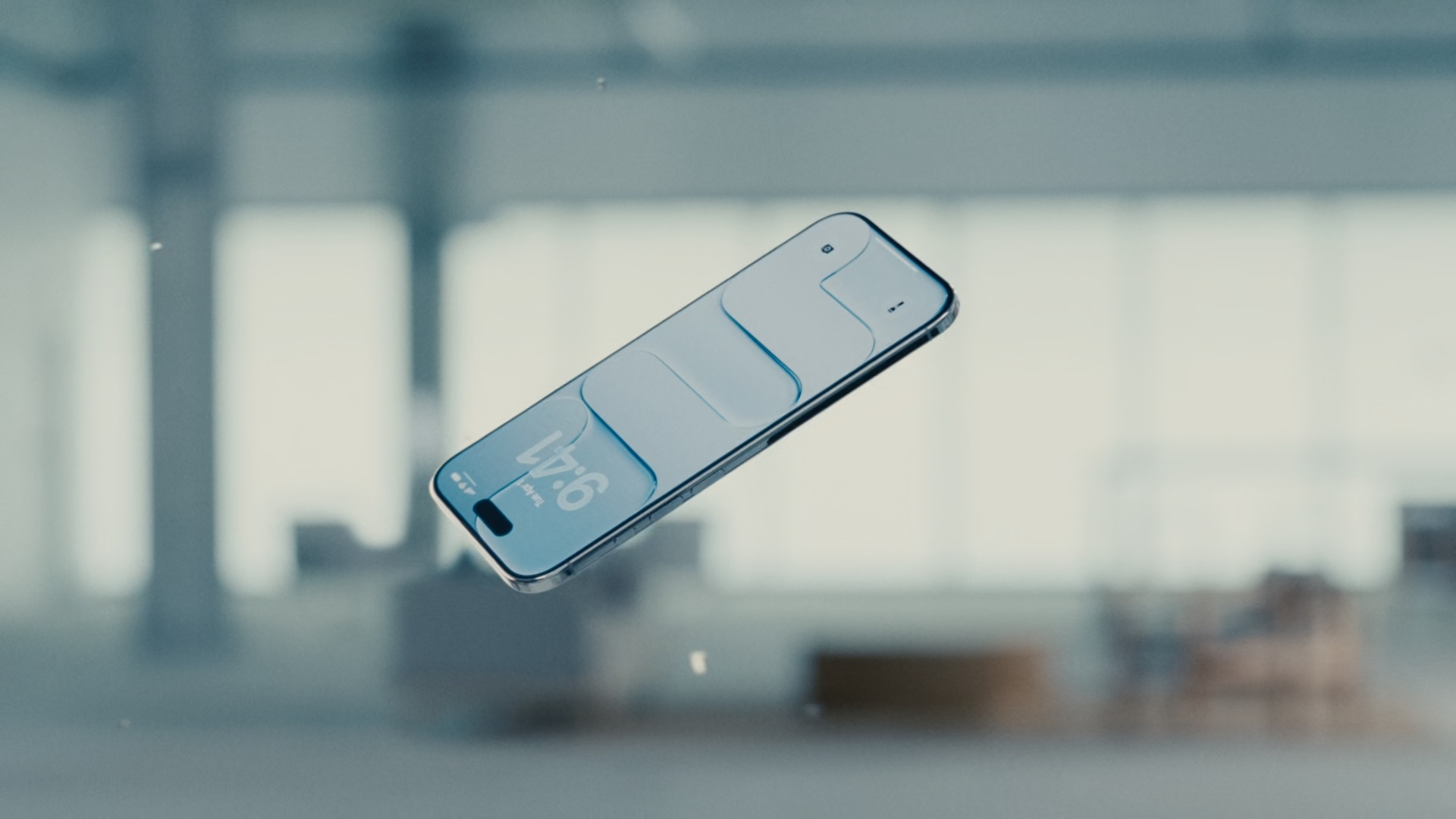 |
The iPhone 17 Air is impressive, but it comes with a high price tag. Photo: Apple. |
The iPhone 17 Air is the answer to the problems that caused the mini and Plus models to fail. The larger screen size ensures a superior experience without sacrificing anything. It boasts an impressively thin design, along with a design and functionality that differentiate it from the iPhone 17; it's not just a larger version.
However, the device itself reiterates the concerns of its predecessor. Its ultra-thin design means a sacrifice in battery capacity, and it only has one camera, all while being priced higher than the "regular" iPhone 17. These are obstacles that easily cause customers to hesitate before making a purchase.
The price of the iPhone Air in Vietnam starts at 32 million VND, significantly higher than the 29 million VND of the iPhone 16 Plus with the same 256GB capacity at launch. The difference compared to the regular iPhone 17 model (25 million VND) is also 7 million VND, enough to make users consider the iPhone Air over the 17 Pro models, which start at 35 million VND.
In Vietnam, the Galaxy S25 Edge, with its similar design philosophy, was released in June. Initially positioned in the price range of around 30 million VND, the product is now being sold at a 20-30% discount at retailers. According to sources close to Tri Thức - Znews , actual sales of the S25 Edge have only reached 10-20% of initial expectations, resulting in high inventory levels.
According to South Korean news outlet ET News , citing internal sources at Samsung, the company is reconsidering its plan to replace the Plus model with the Edge in next year's four-model Galaxy S lineup. The reason stems from lower-than-expected sales. This suggests that the market may not yet be ready for ultra-thin phones like the Galaxy S25 Edge or iPhone 17 Air.
Source: https://znews.vn/apple-chat-vat-with-the-4th-iphone-post1583956.html

![[Photo] Prime Minister Pham Minh Chinh receives the Chinese Ambassador to Vietnam](https://vphoto.vietnam.vn/thumb/1200x675/vietnam/resource/IMAGE/2026/04/05/1775397481797_ndo_br_dsc-5512-jpg.webp)



















































































Comment (0)