

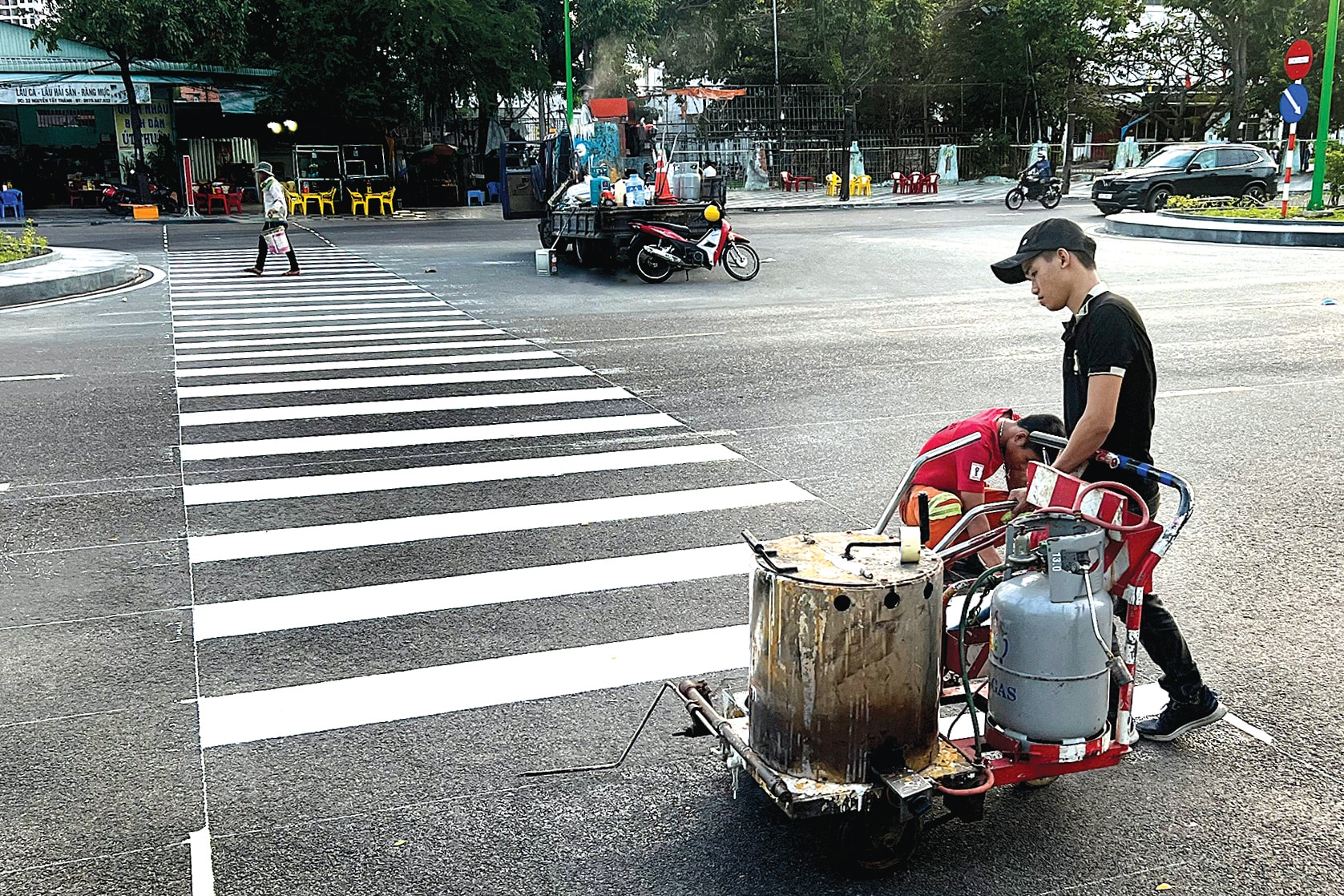
Complex transportation system
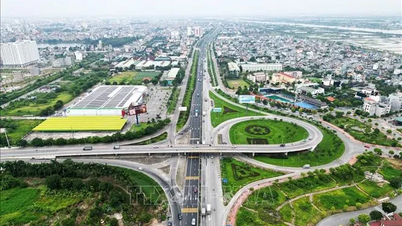
Lam Dong currently has an extensive road network with complex terrain, totaling approximately 20,898 km in length. This includes two operational expressways (North-South Expressway and Lien Khuong-Prenn Expressway) with a total length of approximately 168 km; 10 national highways (1A, 14, 14C, 20, 27, 27C, 28, 28B, 55, and Dong Truong Son) with a total length of approximately 1,469 km; 41 provincial roads with a total length of approximately 1,288 km; and the remainder are inter-commune roads, roads within wards, communes, and special zones.
Currently, the Department of Construction is responsible for managing 2,349.65 km of roads, including 1,051.77 km of national highways (of which 478.74 km are in the old Lam Dong province; 236 km in the old Binh Thuan province; and 337.03 km in the old Dak Nong province); and 1,297.88 km of provincial roads (439.39 km in the old Lam Dong province; 632.49 km in the old Binh Thuan province; and 226 km in the old Dak Nong province).
With the total length of the routes spanning across various complex terrains, the road system creates a significant burden in terms of annual management and maintenance, especially given the limited funding currently available for repair and maintenance, which does not meet actual needs.
Specifically, the total capital allocated for road maintenance and repair in 2025 is only about 560.566 billion VND. In reality, many sections of the province's transportation system have deteriorated but cannot be repaired due to funding constraints.
Extreme weather and inadequate mechanisms.

One of the biggest obstacles to road maintenance in Lam Dong is the harsh weather. In particular, prolonged and frequent rainfall from April to November each year in mountainous areas is a major concern. Heavy rains not only easily damage roads but also disrupt maintenance work and are a primary cause of landslides in some areas, directly affecting traffic quality and maintenance efforts. After each rainy season, many roads, both in rural and urban areas, frequently develop potholes.
For example, recently, continuous rain and storms have caused serious traffic safety issues, especially on already deteriorating road sections such as at Km125+425 on National Highway 28, Km87+300 on National Highway 27, and Km68+300 on Provincial Road DT.725, or some sections on National Highway 55.
Besides natural factors, road management and maintenance in the province after the merger still face many shortcomings in terms of mechanisms. The decentralization of road management between the Department of Construction and the People's Committees at the commune level is still incomplete, making it difficult to compile statistics and create a list of commune and urban roads.
Efforts to innovate management methods
Faced with these challenges, the Department of Construction has been implementing various solutions to improve the situation. Regarding management decentralization, the Department of Construction manages national highways, provincial roads, and key routes, while the People's Committees at the commune level manage commune roads, urban roads, and other roads under local jurisdiction.
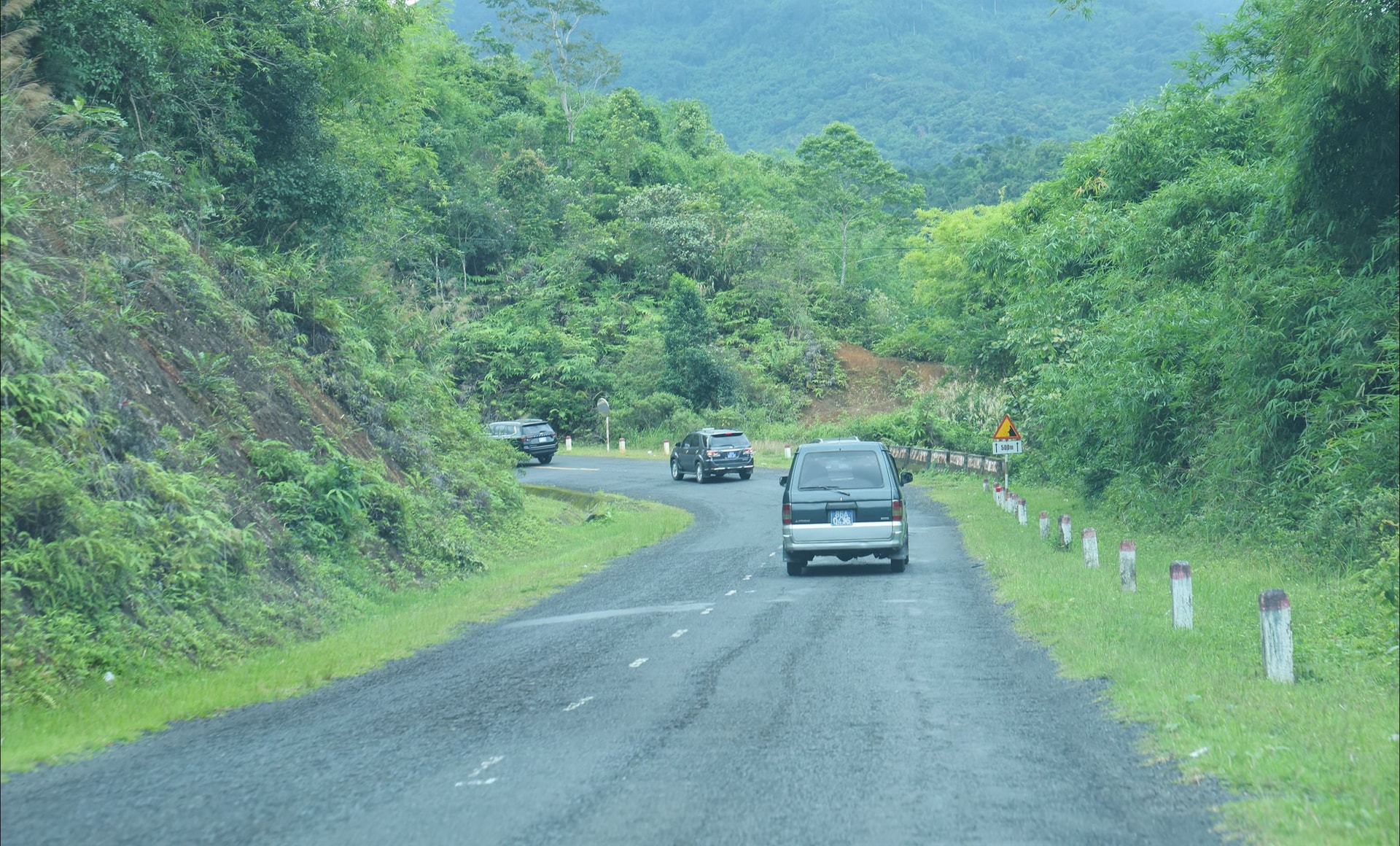
The Department has also issued guidelines to units on the implementation of regular maintenance and periodic repairs after the two levels of local government came into operation. At the same time, it directed its subordinate units (Binh Thuan Road Maintenance Management Board; Dak Nong Construction Maintenance Project Management Board and Construction Consulting Board; and Lam Dong Road Maintenance Management Board) to seriously implement maintenance, repair, and upkeep work according to the correct procedures and technical standards, regularly monitoring and verifying the volume of work to ensure the progress and quality of the projects.

During the implementation process, the Department of Construction also strengthened the management of construction quality, requiring adjustments to technical designs to suit actual conditions, while ensuring labor safety and traffic safety. In particular, the department proactively directed its subordinate units to develop and implement plans for flood and storm prevention, disaster relief, and ensuring smooth and safe traffic flow throughout the system under its management, especially during the rainy season and in areas prone to landslides.
To fundamentally address the issues of funding and management, the Department of Construction aims to innovate its management methods and has proposed to the Provincial People's Committee to allow the implementation of bidding for routine maintenance of provincial roads on a three-year cycle. This method aims to synchronize with the routine maintenance management of the national highway system currently being implemented in the area and to be more proactive in planning maintenance tasks, with the expectation of achieving higher efficiency in the upkeep and maintenance of the road transport system.
Source: https://baolamdong.vn/au-lo-quan-ly-va-bao-tri-duong-bo-sau-sap-nhap-396189.html























































![[Video] Sunset at Lap An Lagoon – Where the sun sets over the fishing nets](https://vphoto.vietnam.vn/thumb/1200x675/vietnam/resource/IMAGE/2026/05/31/1780192137701_beach-landscape-sea-water-nature-grass-745871-pxhere-com.jpeg)

































Comment (0)