

The never-ending battle of the "ex"
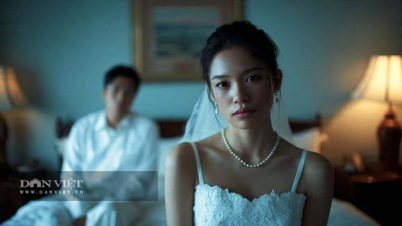
Recently, the public has witnessed a series of heartbreaking incidents occurring between divorced individuals. These include brutal assaults and ambushes upon discovering a new partner for the ex-wife, or prolonged stalking and harassment at the workplace. Beyond physical violence, psychological abuse is becoming a terrifying weapon.
Many people abuse their visitation rights to go to their ex-wives' homes to verbally abuse them and vandalize property. They use social media to defame their ex-wives, spread false rumors, and even disseminate personal images to sabotage their lives, careers, and new relationships. A typical example is the recent uproar where an ex-wife repeatedly went online to expose her ex-husband's infidelity (despite lacking evidence) as he was preparing for another marriage. This led to online attacks and online criticism of both the ex-husband and his fiancée, affecting their lives, mental well-being, and the families around them.
In many cases, abusers exploit subtle loopholes, arrogating to themselves the right to interfere in the lives of their "ex-partners" under the guise of "resolving personal conflicts" or "child custody disputes," making it difficult for authorities to intervene and resolve the issues effectively.
However, upon closer analysis, the nature of these behaviors still stems from a possessive mentality, a controlling habit, and gender inequality formed during the marriage. Recognizing this root cause, the new law clearly stipulates that acts of violence between divorced individuals are still considered domestic violence.
Accurately identifying the nature of the behavior is a fundamental step forward. It provides a legal tool for local police and authorities to intervene immediately, issue restraining orders, and require perpetrators of violence to stay away from the victim's home or workplace. Victims of violence no longer have to wait for serious consequences to occur before receiving protection; they have the right to request legal intervention as soon as they perceive signs of threats or psychological intimidation.
The policy addresses the root of the problem.

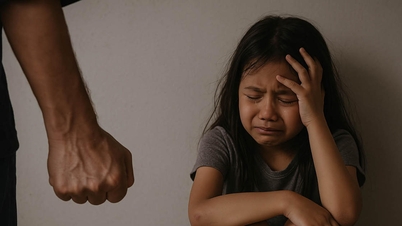
Alongside addressing the consequences of divorce, legal adjustments also aim to protect those living in complex, intertwined family structures. A pressing issue in recent times has been the prevalence of violence against children within these fragmented families.
A series of shocking abuse cases involving stepfathers and "unofficial" stepmothers has revealed an alarming reality. Children, already disadvantaged by broken families, become the targets of anger from their biological parents' "unofficial" partners, spouses, or partners. Significantly, many cases drag on in silence, indifference, or even complicity from the very people who gave birth to the victims.
Including stepchildren and adopted children under direct protection has removed the barrier of "internal matters of child rearing," forcing agencies and organizations to take responsibility for monitoring and intervening immediately when they detect signs of psychological or physical harm to children.
In addition, another major reality posing a challenge to management in industrial zones and urban areas undergoing transformation is violence within "de facto marriages."
Under the pressure of making a living, many young migrant workers and self-employed individuals choose to live together, forming a marital bond without registering their marriage at the local government office. They share meals, rent, and manage their income and daily lives like a real family. However, when economic pressure mounts, conflicts arise, and violence easily erupts. Beatings, verbal abuse, and destruction of property occur right in these cramped rented rooms. Most commonly, women are subjected to violence and evicted from their rooms in the middle of the night, empty-handed.
However, when incidents occur, neighborhood leaders or local officials are often at a loss. The biggest obstacle lies in the situation of "not being legally married." The lack of legal status makes local authorities hesitant to intervene deeply, considering it merely a free-spirited romantic conflict between a man and a woman. The handling process usually only goes as far as general warnings or administrative fines for disturbing the peace in the neighborhood. The perpetrator pays the fine and then returns to their room to continue their abusive behavior, while the victim is left helpless. They don't know where to turn because there is no clear mechanism to protect their personal rights, nor any regulations to determine their rights regarding the shared assets they accumulated during their cohabitation.
This inadvertently created a vacuum for evil to exist. Therefore, officially including cohabitation relationships such as marriage within the scope of domestic violence prevention and control laws is a policy decision that addresses the root of the problem. It sends a clear legal message: "Human rights and safety of life, health, and honor must be placed above administrative paperwork."

For the law to truly be implemented in practice, local officials need to change their mindset, boldly discard rigid administrative thinking, and correctly recognize the nature of violent acts in order to thoroughly apply the available legal tools. Because ultimately, corporal punishment or verbal abuse, no matter how disguised, is an act that tramples on human dignity and must be eradicated at its root. (To be continued)
Domestic violence not only causes serious harm and consequences for the victims but also affects the community and society, undermining moral values within families and society. The Law on Prevention and Control of Domestic Violence, passed by the National Assembly on November 14, 2022, and effective from July 1, 2023, has expanded the scope of domestic violence to include 16 groups of acts stipulated in Article 3. It also clearly defines acts committed between divorced individuals; individuals living together as husband and wife; parents, stepchildren, siblings of divorced individuals or those living together as husband and wife; and individuals who have previously had a foster parent-child relationship as domestic violence, as defined by the Government.
Source: https://baophapluat.vn/bai-2-bao-luc-gia-dinh-ngoai-mai-am.html


















































![[Video] Sunset at Lap An Lagoon – Where the sun sets over the fishing nets](https://vphoto.vietnam.vn/thumb/1200x675/vietnam/resource/IMAGE/2026/05/31/1780192137701_beach-landscape-sea-water-nature-grass-745871-pxhere-com.jpeg)































Comment (0)