

 |
A man carries a basket amidst piles of garbage, mostly plastic waste and household debris, on a beach in a fishing village in Banten province, Indonesia. |
Residents on the Indonesian island of Bali are burning trash in their gardens after the Suwung landfill stopped accepting organic waste on April 1st. This is a direct consequence of the large landfill nearing its maximum capacity, while the island has yet to find an alternative solution to handle the daily waste generated, according to Bloomberg.
Suwung is located about 10 km northeast of Denpasar International Airport. Previously, this landfill processed approximately 1,000 tons of waste per day. When announcing the cessation of organic waste acceptance, authorities stated the goal was to transfer this type of waste to locations where it could be composted or processed more appropriately. However, in reality, due to a lack of alternative infrastructure, the greatest pressure has fallen on the surrounding residential areas.
Organic waste is a particularly challenging problem for Bali. This type of waste, including household waste, spoiled agricultural products, and leftover food from households, hotels, and beach clubs, accounts for approximately two-thirds of the island's total waste. Not only does it constitute a large proportion, but when landfilled, organic waste also produces methane, a greenhouse gas that exacerbates global warming.
When Suwung stopped accepting this type of waste, many households had almost no choice but to burn their trash themselves. Other waste was dumped into the river or along the roadside.
Ravinjay Kuckreja, a longtime resident of the capital Denpasar, said that one in three to four houses on a street burns their own trash. According to him, the garbage collection points in the residential area are also overloaded.
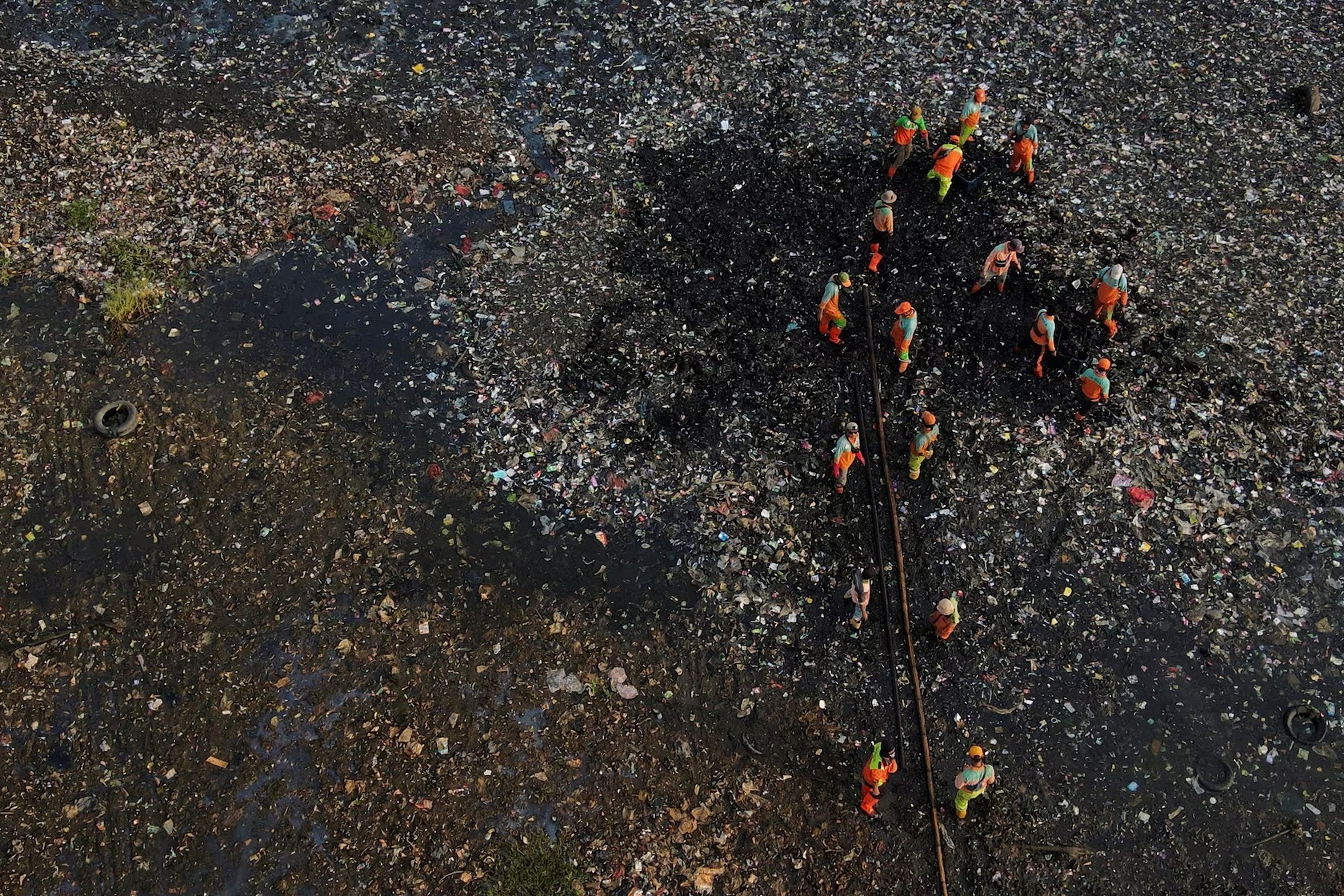 |
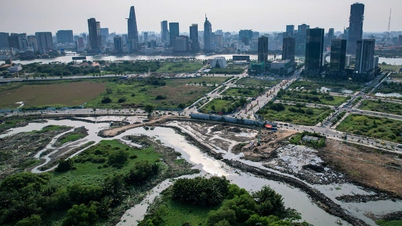
Plastic waste and household garbage along the Jakarta coastline, Indonesia, June 2023. |
In the tourist areas of the island, the "overwhelming" amount of trash is less severe, as some businesses have their own waste treatment systems. However, the situation in Suwung continues to show that the waste crisis in Bali is becoming increasingly serious. For many years, the island has struggled with its weak waste collection and processing capacity, especially for plastic waste.
As a result, plastic waste accumulates heavily in rivers and coastal areas. During the monsoon season, this waste is washed ashore on beaches, tarnishing the image of Bali, considered a tourism icon of Indonesia.
Faced with this pressure, Indonesia's Danantara National Investment Fund announced plans to build waste-to-energy plants in Denpasar and dozens of other cities across the country. In Bali alone, Danantara is partnering with China's Zhejiang Weiming Environmental Protection Company to develop a plant expected to be operational by the end of 2027.
Bali Governor I Wayan Koster called the project a "beacon of hope." However, he acknowledged that until the plants become operational, Bali will continue to be plagued by waste. He considered this a major paradox for a global tourist destination, long considered the face of Indonesia to international visitors.
While awaiting a long-term solution, local authorities are encouraging households to sort waste at source and compost their own organic waste to reduce pressure on the system. However, even Bali's leaders admit that implementation in practice is not easy.
Source: https://znews.vn/bali-ngap-rac-post1644194.html

![[Photo] National Assembly Chairman Tran Thanh Man attends the policy seminar to promote Vietnam-Türkiye cooperation.](https://vphoto.vietnam.vn/thumb/1200x675/vietnam/resource/IMAGE/2026/04/16/1776351415367_vna-potal-chu-tich-quoc-hoi-tran-thanh-man-du-toa-dam-chinh-sach-thuc-day-hop-tac-viet-nam-tho-nhi-ky-8705791-jpg.webp)






































































Comment (0)