


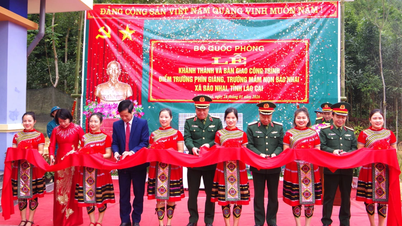
The newly merged Bao Nhai commune covers an area of 156.02 km2, comprising 38 villages and hamlets; with a population of over 17,000 people belonging to 12 ethnic groups. After the merger, Bao Nhai is strategically located on many national and provincial highways, facilitating trade, attracting investment, developing production, and connecting the region.
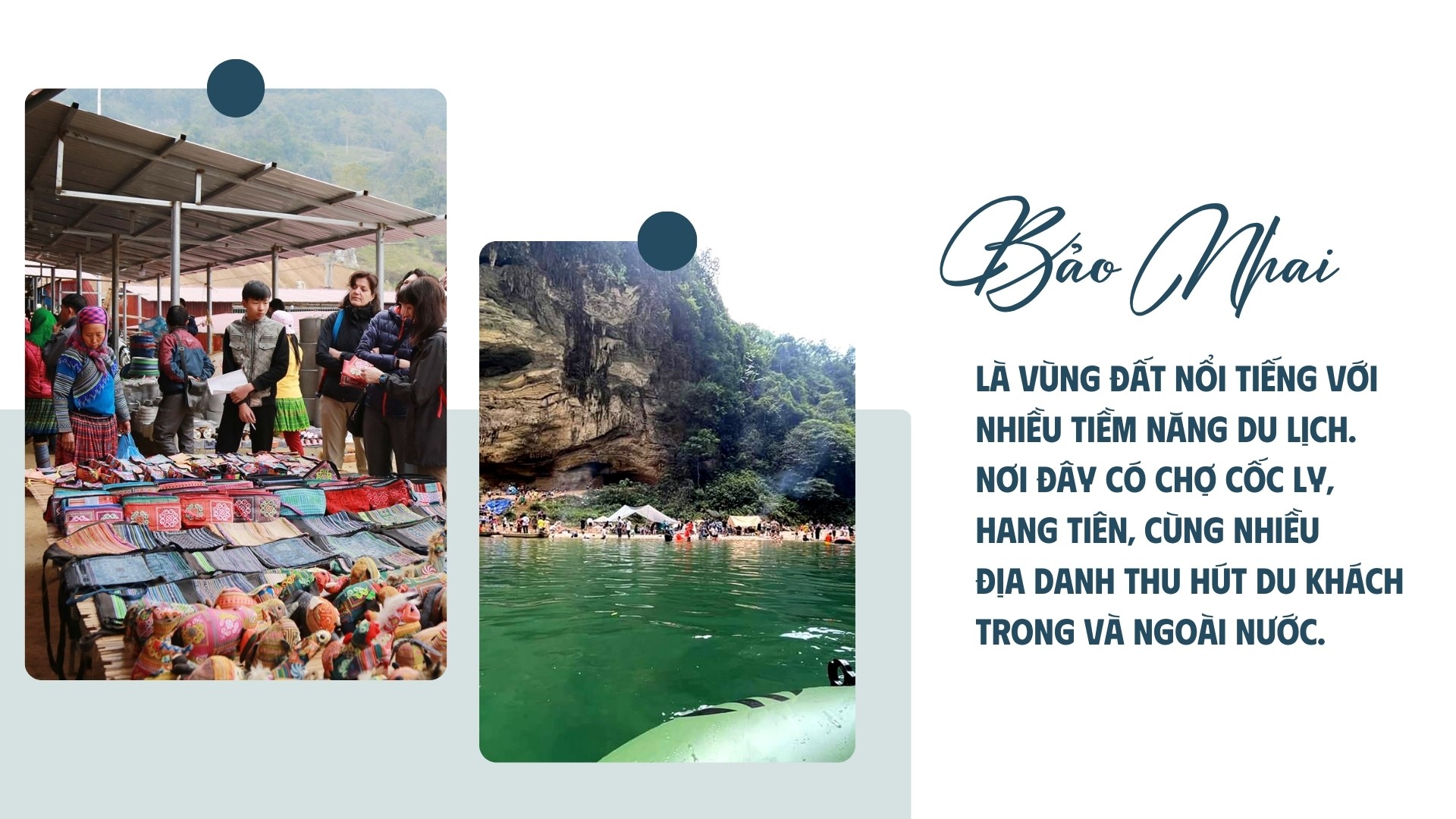
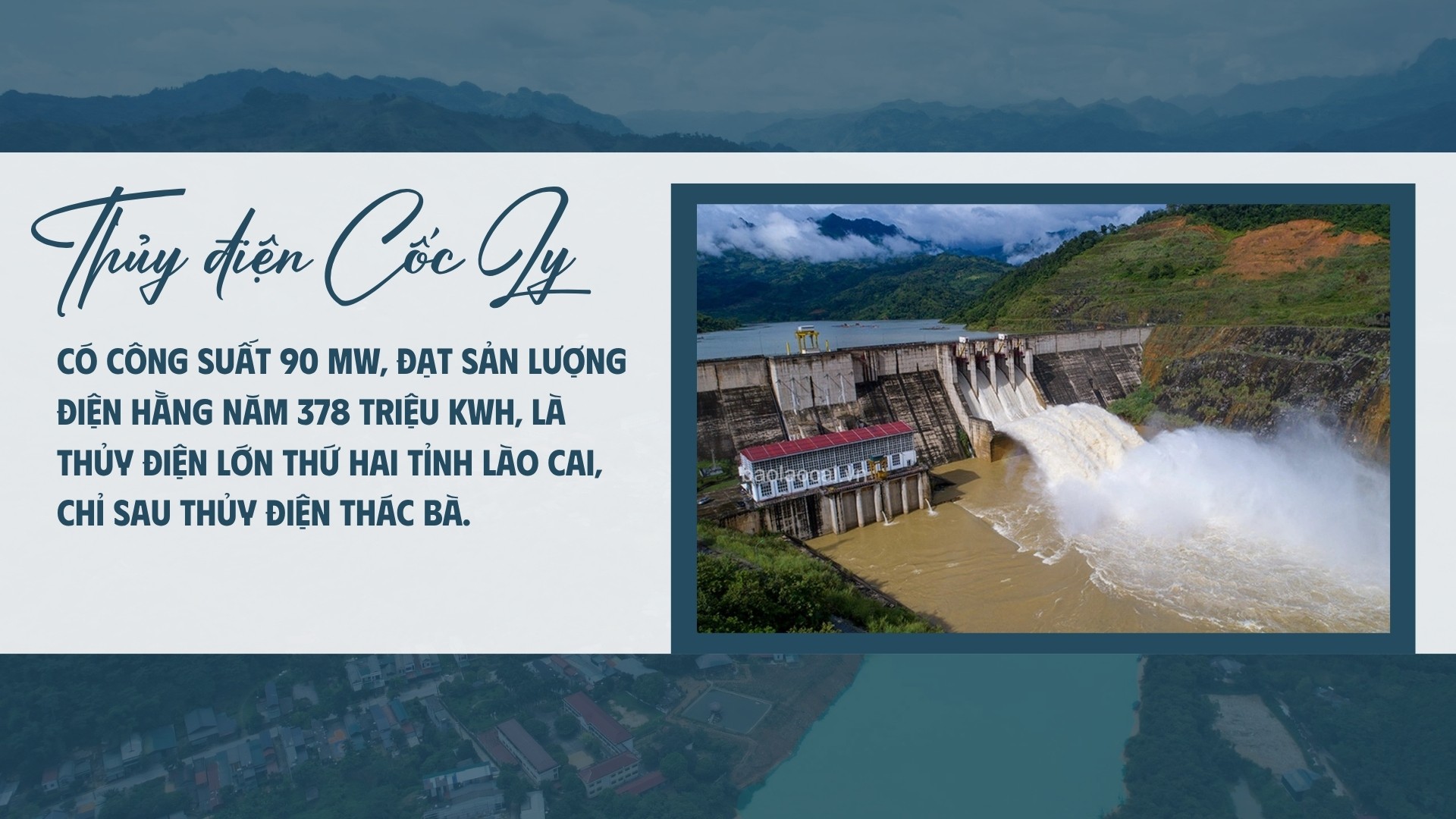
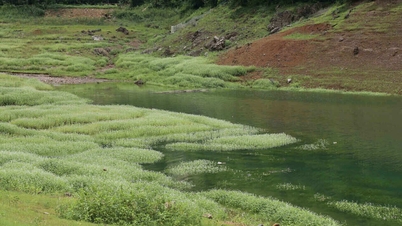
Bao Nhai now boasts a new Coc Ly with a large-capacity hydroelectric power plant, second only to Thac Ba hydroelectric plant in the province, a vibrant local market, a thousand-year-old teak forest, and a vast lake – all with great potential for aquaculture development.
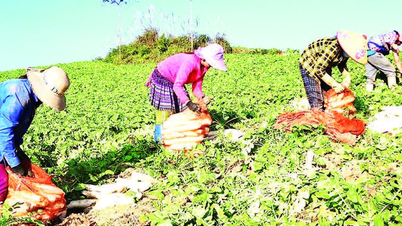
This area also includes Nam Det, a cinnamon growing region of over 2,000 hectares, boasting the highest quality and highest content of essential oils in the country, bringing prosperity to the local people.
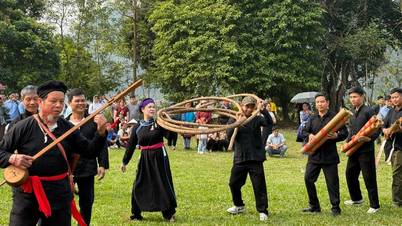
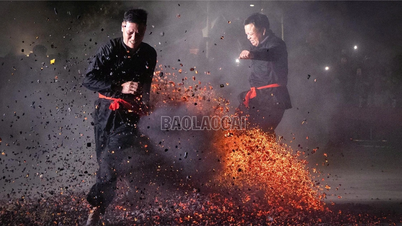
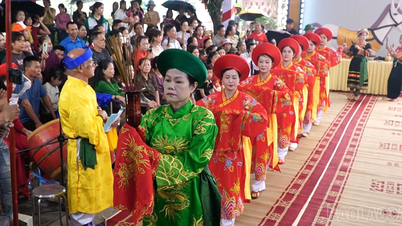
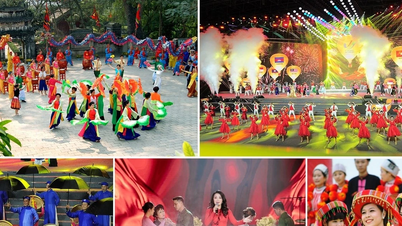
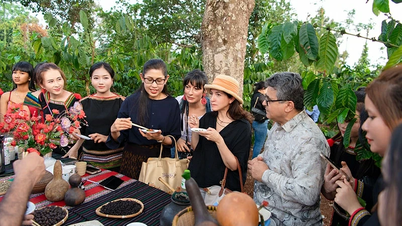
Furthermore, with the unique cultural identities of the Dao, Mong, Phu La, and Bao Nhai ethnic communities after the merger, there is significant potential for developing village tourism , festivals, ecotourism, and spiritual tourism.
Immediately after establishing a two-tiered local government system to serve the people, Bao Nhai commune put forward an economic growth plan, striving for a GRDP growth rate of 9.89% in 2025 and 10.3% in the 2026-2030 term.
The economic structure will shift towards increasing the proportion of non- agricultural sectors, especially services and industry; developing agriculture towards a commodity-based approach, enhancing added value and production efficiency. The transition to clean agriculture and the application of high technology will be pursued. Potential will be exploited to develop diverse and unique tourism products. Focus will be placed on developing small-scale industries and processing agricultural and forestry products.
The economic growth scenarios are all geared towards the sustainable goal of improving the quality of life and income for local people; therefore, the people in the area are highly supportive and eagerly awaiting the economic breakthrough after the merger.
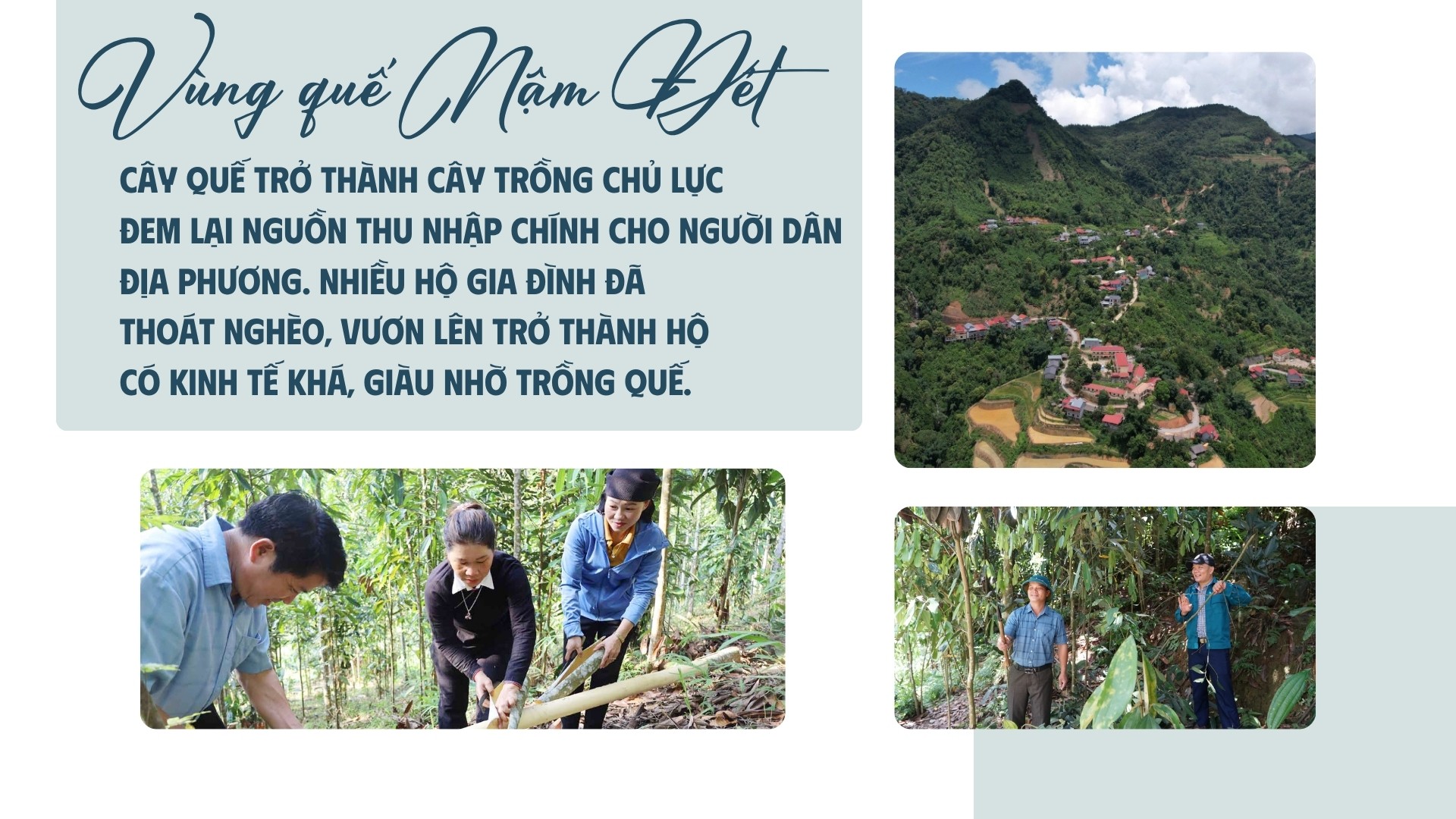
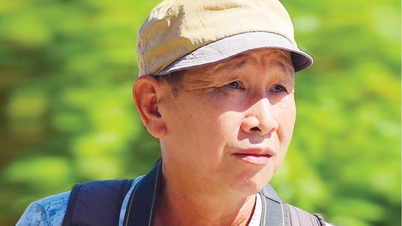
Mr. Trieu Phuc Long, head of Tong Ha village, said: "All 73 households in Tong Ha village grow cinnamon, which is our main crop providing a stable income. According to the economic development plan, in the coming time, the commune will focus on developing and processing cinnamon products to improve their quality and value. We hope that cinnamon will be elevated in value, bringing prosperity and happiness to the people of Tong Ha in particular and cinnamon-growing households in the area in general."

To achieve the economic growth targets for 2025 and the 2026-2030 period, immediately after the merger, Bao Nhai commune reviewed and re-evaluated the old plan, developed a new plan, and adjusted the existing plan to ensure consistency, effectiveness, and suitability to the local situation after the merger.
The proposed strategy is: Focus on developing small-scale industries for processing agricultural and forestry products in suitable areas, utilizing raw materials while preserving the landscape and environment. Develop infrastructure to ensure balanced development and improve the quality of life for the people, especially in transportation, irrigation, electricity, schools, health centers, and markets. Focus on replanning production by region: develop key crops such as cinnamon, medicinal plants, and fruit trees in a sustainable manner, applying advanced technology.
This also includes encouraging the development of cooperative economics, supporting the establishment of cooperative groups and cooperatives for the production and consumption of agricultural products, especially cinnamon and livestock. It also involves attracting investment in agriculture and tourism, promoting ethnic cultural identity to develop experiential tourism models in villages. Furthermore, it emphasizes digital transformation in agricultural management and production, aiming for smart governance and improved operational efficiency. Finally, it focuses on strengthening vocational training to create sustainable livelihoods for the people, while prioritizing the development of high-quality local human resources.
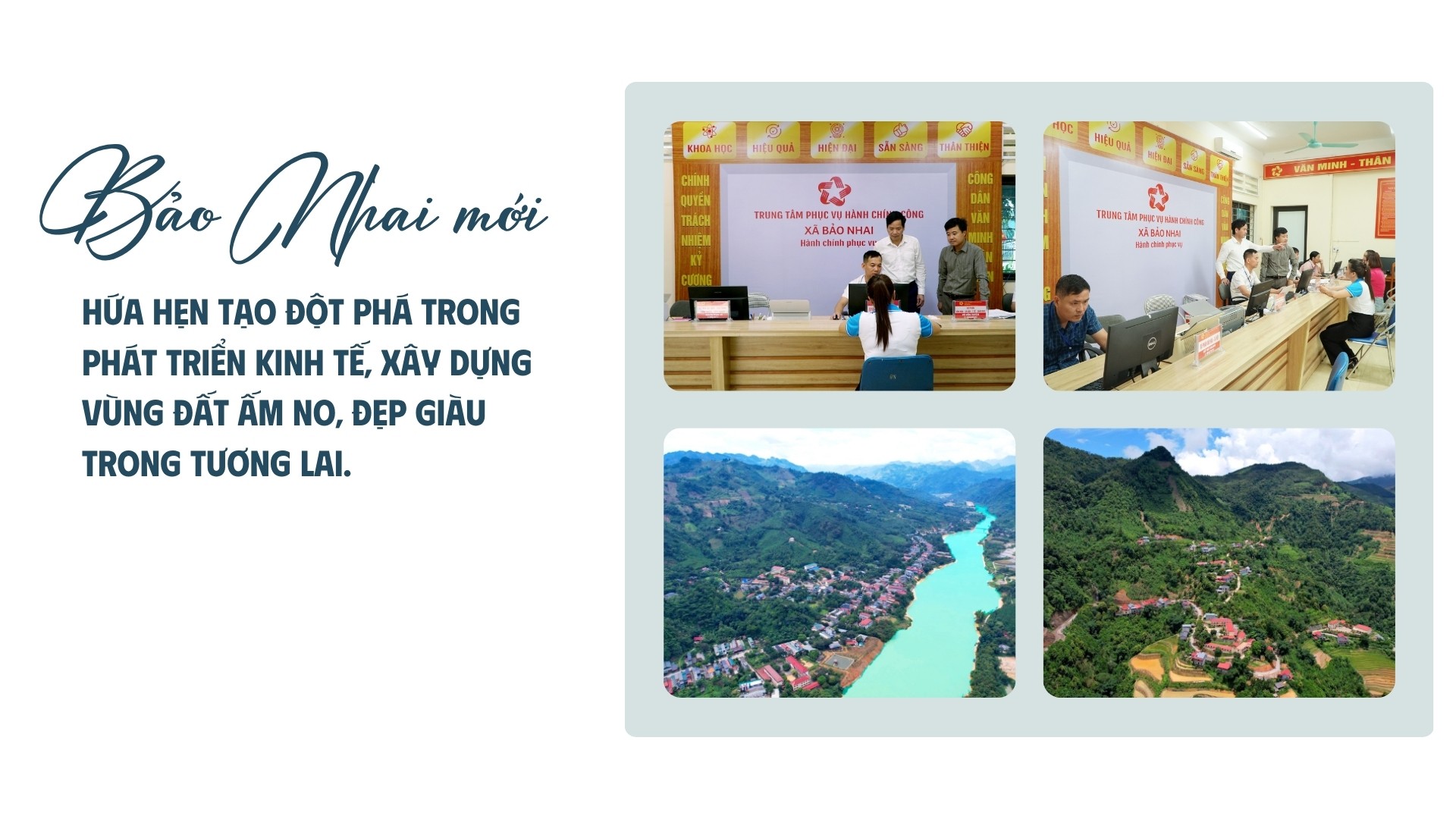
Comrade Tran Xuan Thao, Secretary of the Party Committee and Chairman of the People's Council of Bao Nhai commune, said: Following the direction of the Provincial Party Committee, before the merger, the Party Committee and government of Bao Nhai commune held numerous meetings to discuss and determine the economic structure for the future. On July 1st, the commune stabilized its organizational structure to ensure effectiveness and efficiency in serving the people. The next task is to develop a comprehensive and detailed plan for all sectors and fields. Currently, the commune has contacted the Provincial Institute of Planning and Architecture, and in July 2025, the Institute will cooperate with the commune to implement the plan. This is a condition to ensure that all sectors develop in the right direction, effectively and sustainably.
By identifying core values in economic development linked to environmental protection, preservation, and promotion of traditional culture, Bao Nhai has been effectively exploiting its potential and opportunities, promising to create breakthroughs in economic development and build a prosperous and beautiful land in the future.
Source: https://baolaocai.vn/bao-nhai-vung-dat-giau-tiem-nang-post649035.html















































Comment (0)