

The mission of preserving medicinal plants and folk remedies of the Branch Association stems from the challenges posed by climate change, urbanization, uncontrolled exploitation of natural resources, and the decline in the transmission of traditional knowledge, which have led to the risk of many medicinal plant species declining. This has resulted in concerns about the loss of valuable remedies. For the 22 members of the Branch Association, these worries and anxieties are growing ever larger.
According to members Ha Xuan Hanh, Ha Dinh Ba, and Do Van Bon, natural medicinal herbs used in traditional medicine are becoming increasingly rare and difficult to find, with some even becoming extinct. To maintain operations, many members have to find reliable sources to purchase them. Member Ha Dinh Ba said: "Because I don't have land to grow them, I have to order up to 70% of the medicinal plants I need to treat people." Sharing the same concern, members Do Van Bon and Ha Xuan Hanh also have to proactively buy them from outside sources or plant them interspersed around their homes to preserve valuable seed sources.
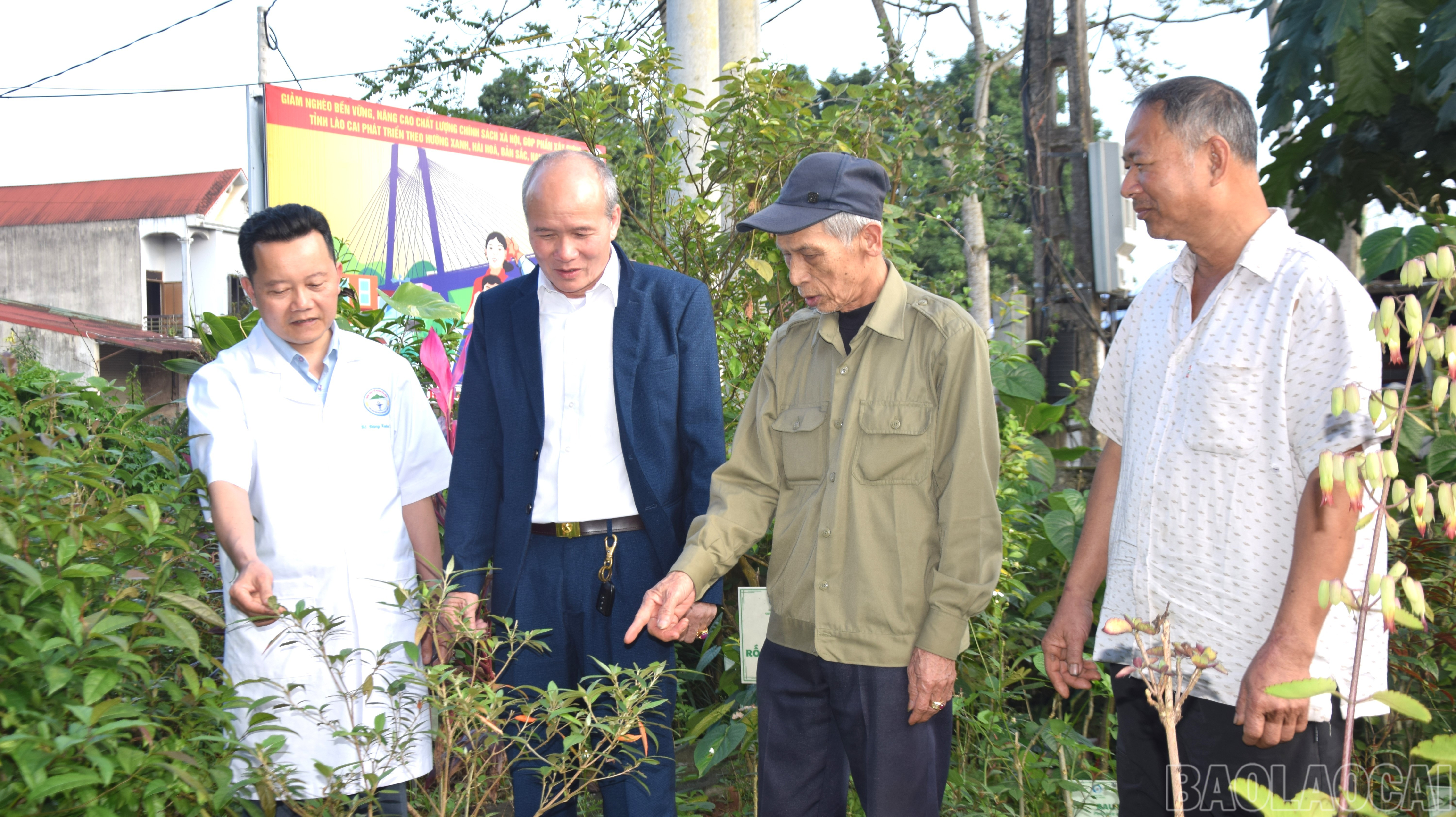
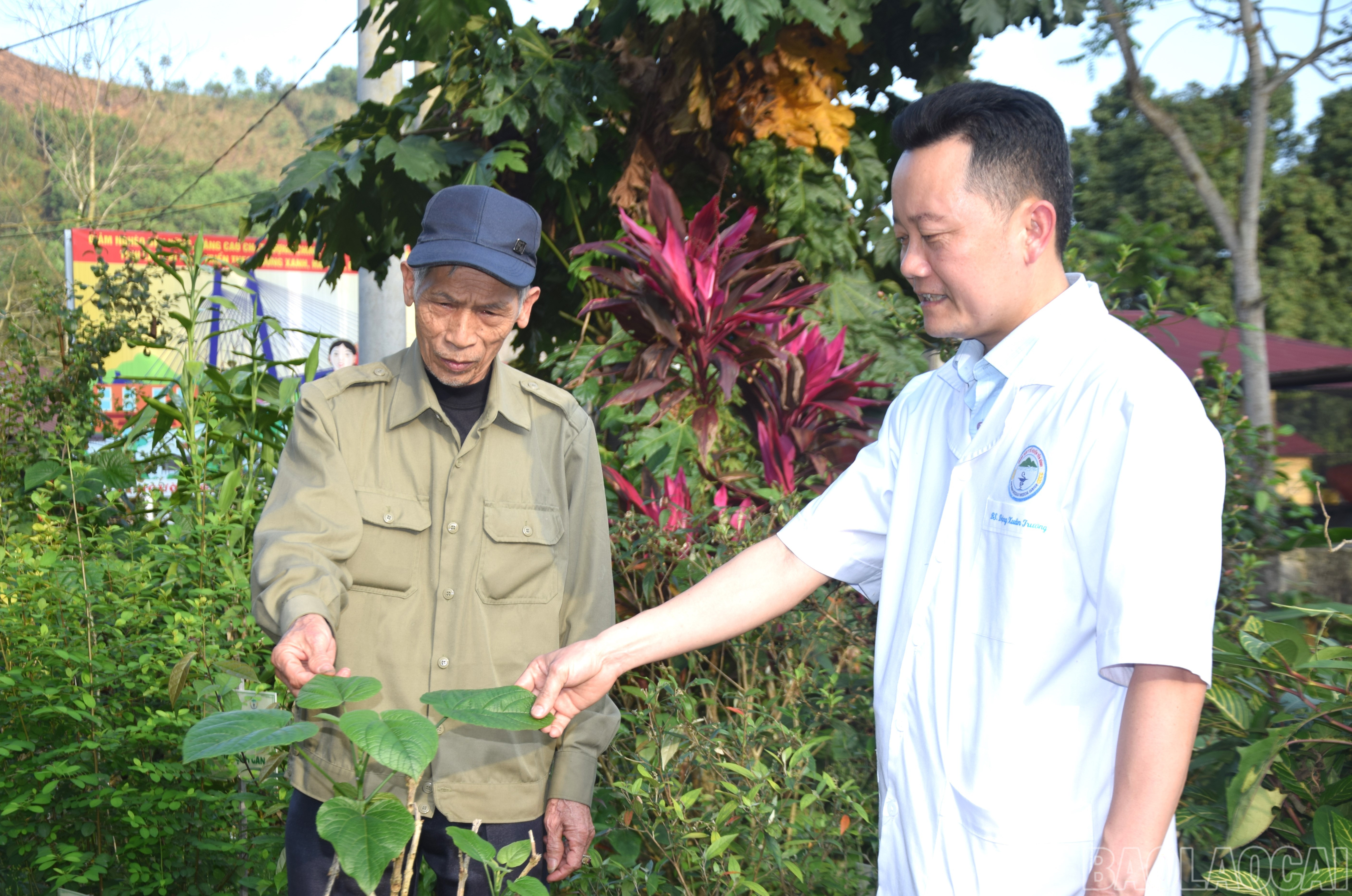
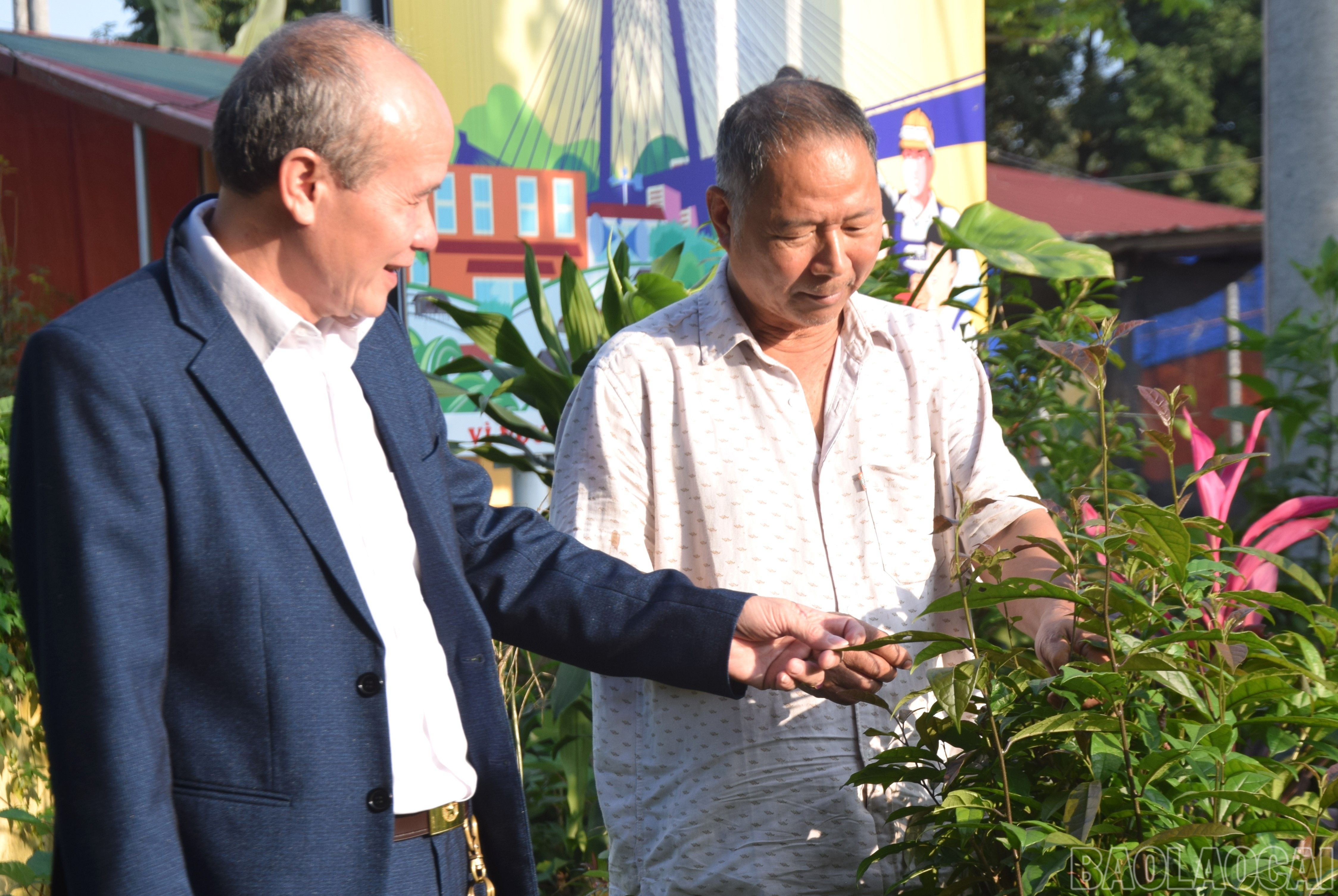
To gradually preserve medicinal plant resources, the branch association has collaborated with elderly traditional medicine practitioners and experienced members to review and compile a list of common medicinal plants. To date, the branch association has identified and preserved over 50 valuable plant species as a basis for wider cultivation. An effective solution implemented is the "Home Medicinal Plant Garden" model, with the goal of each member household growing 10-20 common plant species.
Currently, over 36% of member families own medicinal herb gardens, helping the community proactively secure a source of clean, safe medicinal herbs and reduce healthcare costs. In addition, the branch regularly organizes thematic activities and exchanges techniques for caring for and harvesting herbs naturally to preserve their medicinal properties.
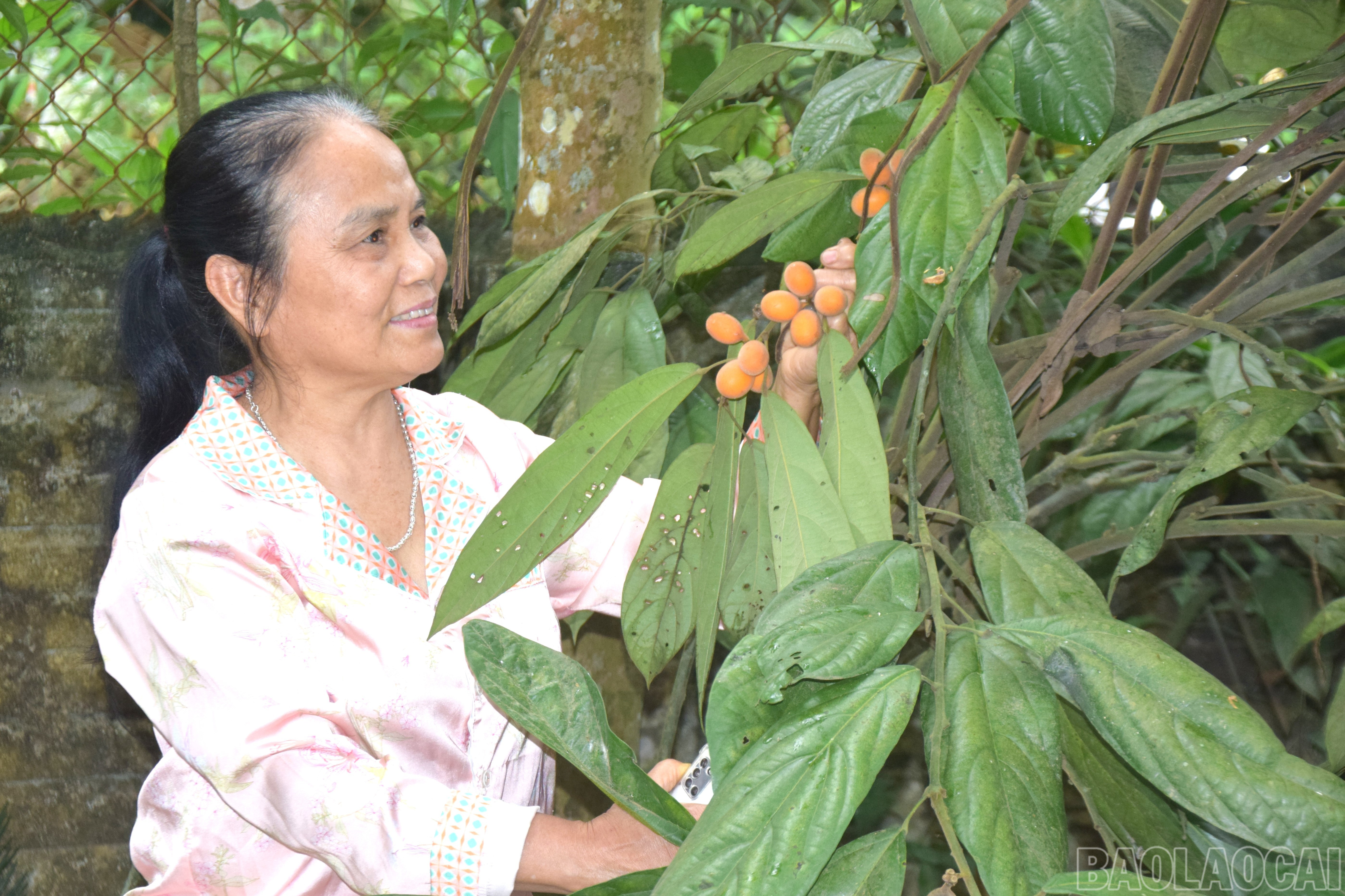
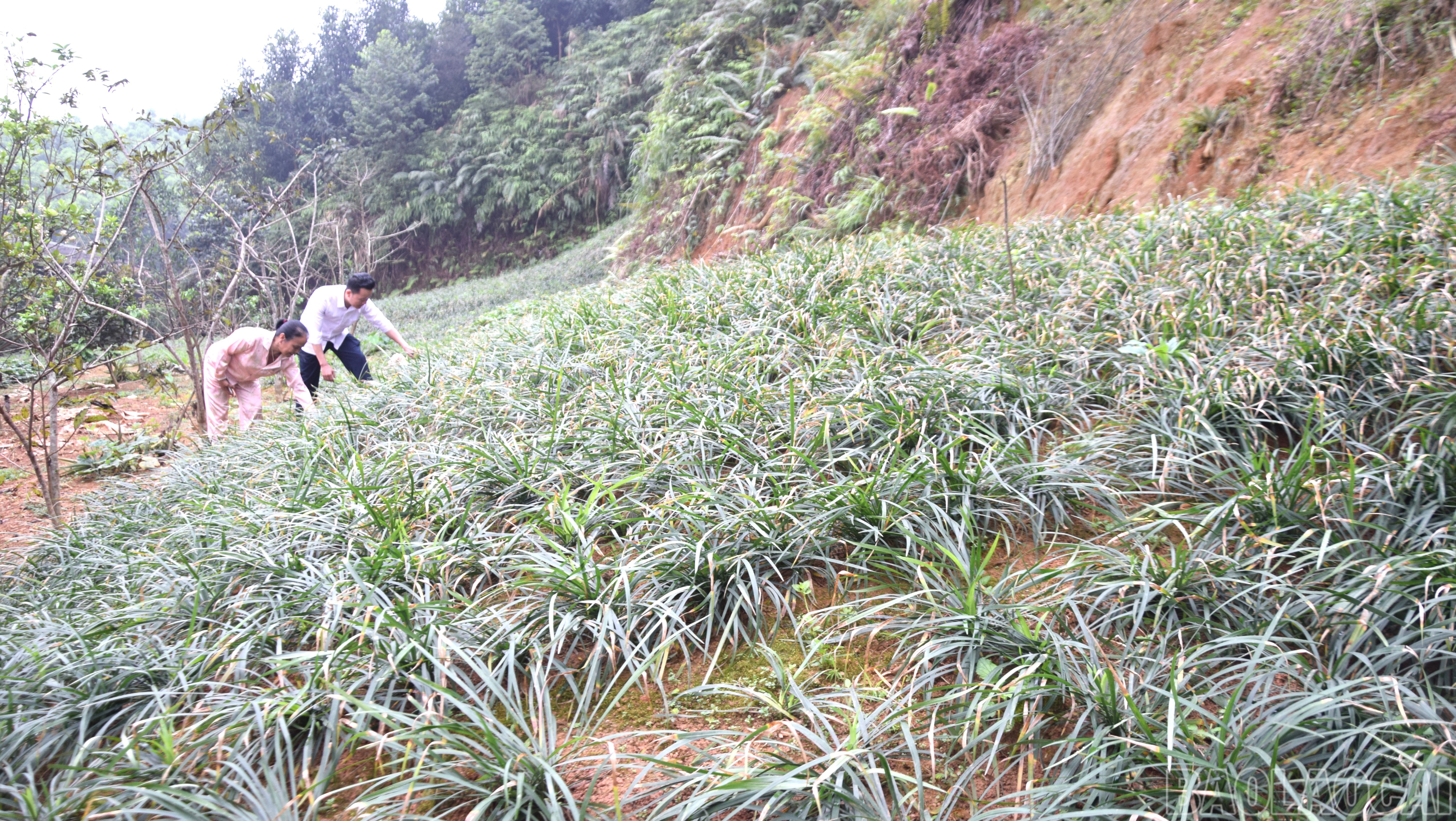
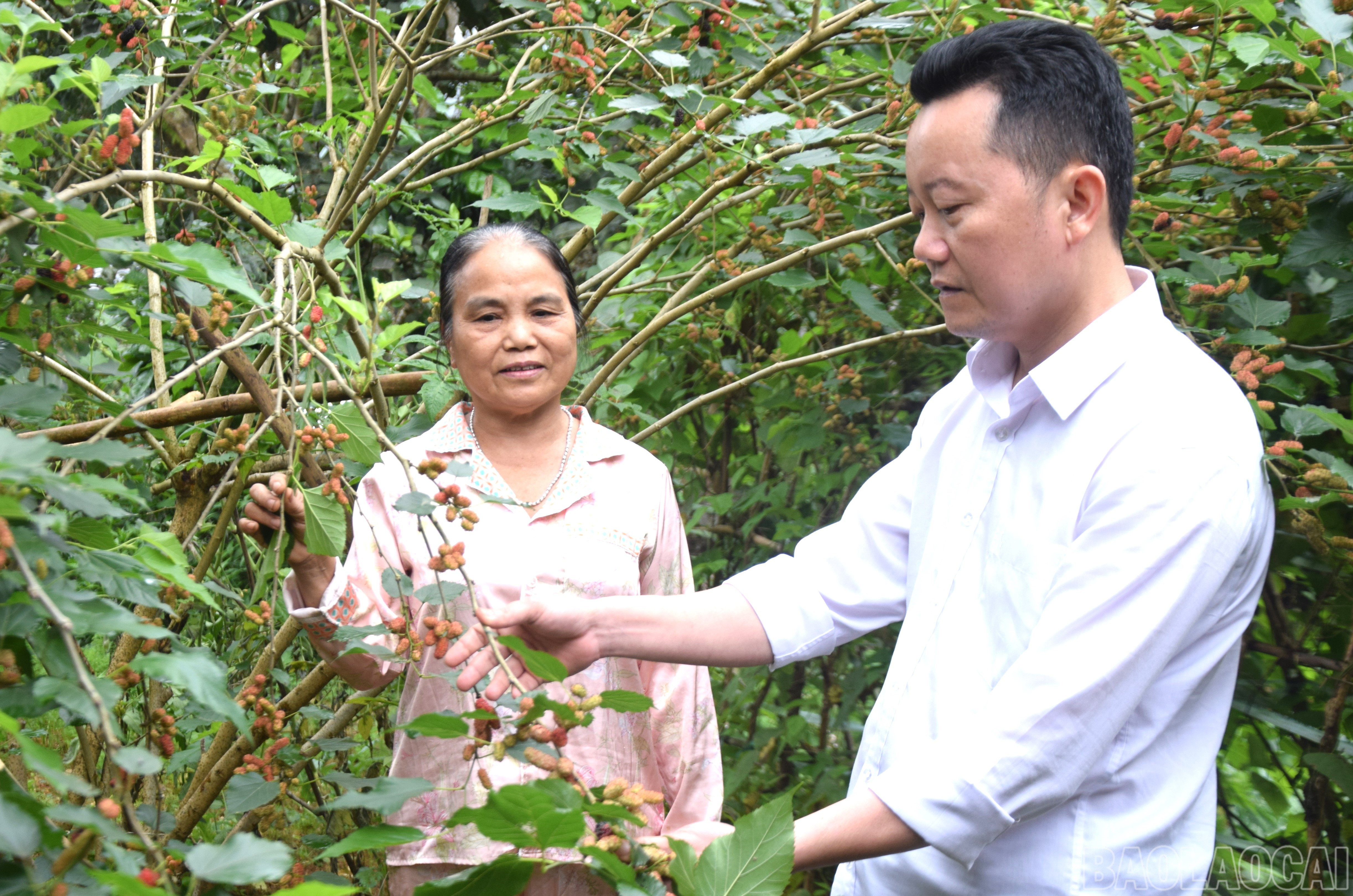
For example, the family of member Le Thi Huy has utilized the land around their house to grow more than a dozen types of medicinal plants such as Centella asiatica, mulberry, Ophiopogon japonicus, and Panax notoginseng... to serve the needs of first aid and healthcare for their family and neighbors. Ms. Huy said: "The medicinal plants in the garden help my family and neighbors to provide first aid and initial healthcare at home. Many people come to my house to ask for medicinal plants to boil and drink to cool the liver and treat stomach problems; it's convenient and inexpensive."
A breakthrough achievement of the branch association in the past year was the construction of a "Digital Transformation of Traditional Medicine Garden" based on the existing medicinal herb garden. To enrich the garden, every year on the 5th day of the first lunar month, each member brings a valuable medicinal plant to plant. Dr. Dang Xuan Truong - Head of the Commune Health Station and Chairman of the Traditional Medicine Branch Association of the commune - emphasized: The model has modernized the management and preservation of traditional medicinal plants, creating conditions for health workers and people to easily access, identify, and use medicinal herbs correctly and safely.
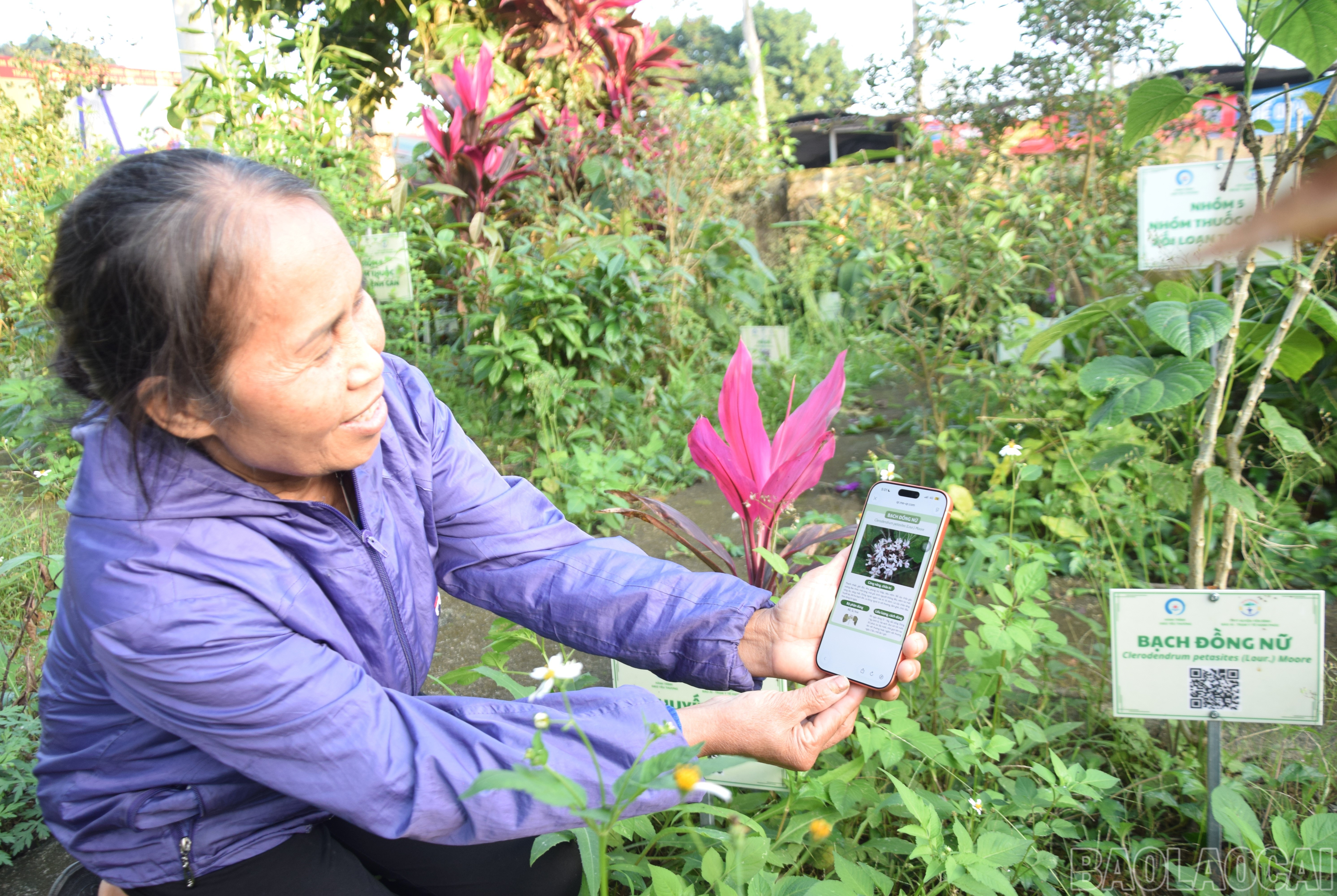
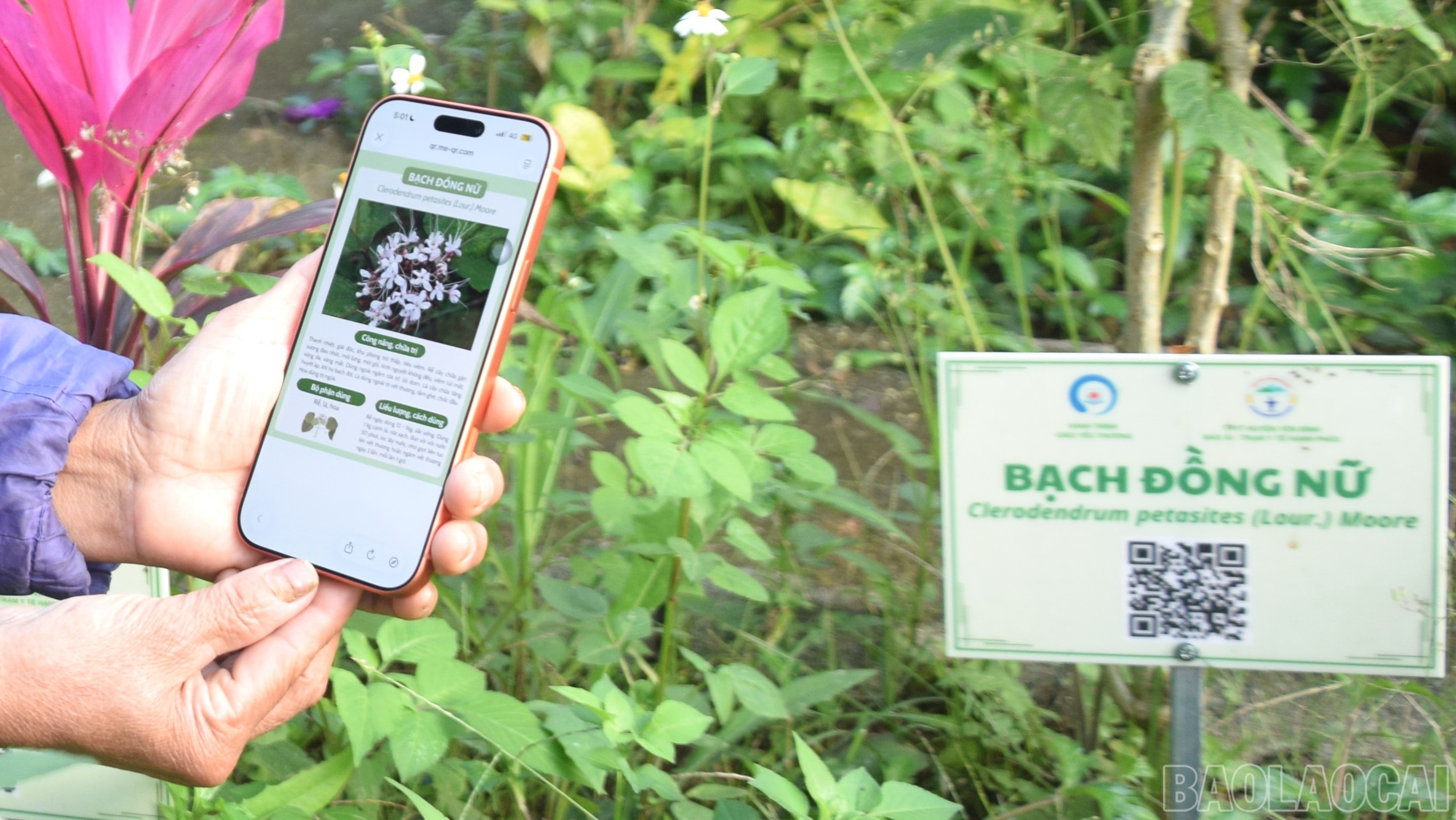
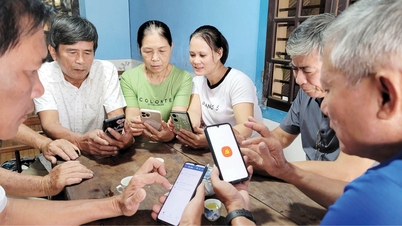
The medicinal herb garden is scientifically planned according to the list of medicinal plants regulated by the Ministry of Health, grouped by therapeutic uses such as: treating colds and flu, supporting digestion, bone and joint health, cooling the body, detoxifying, etc. Notably, each medicinal plant is assigned a QR code. By simply scanning the code with a smartphone, people can look up complete information about the name, characteristics, uses, applied remedies, and usage instructions.
Ms. Phan Thi Quat (from Ngoi Khang village) shared: "By shining a smartphone light on the square box attached to the plant, everyone knows what the plant is called and what diseases it treats. When needed, I go to ask for it and the doctors give me specific instructions on how to use it."
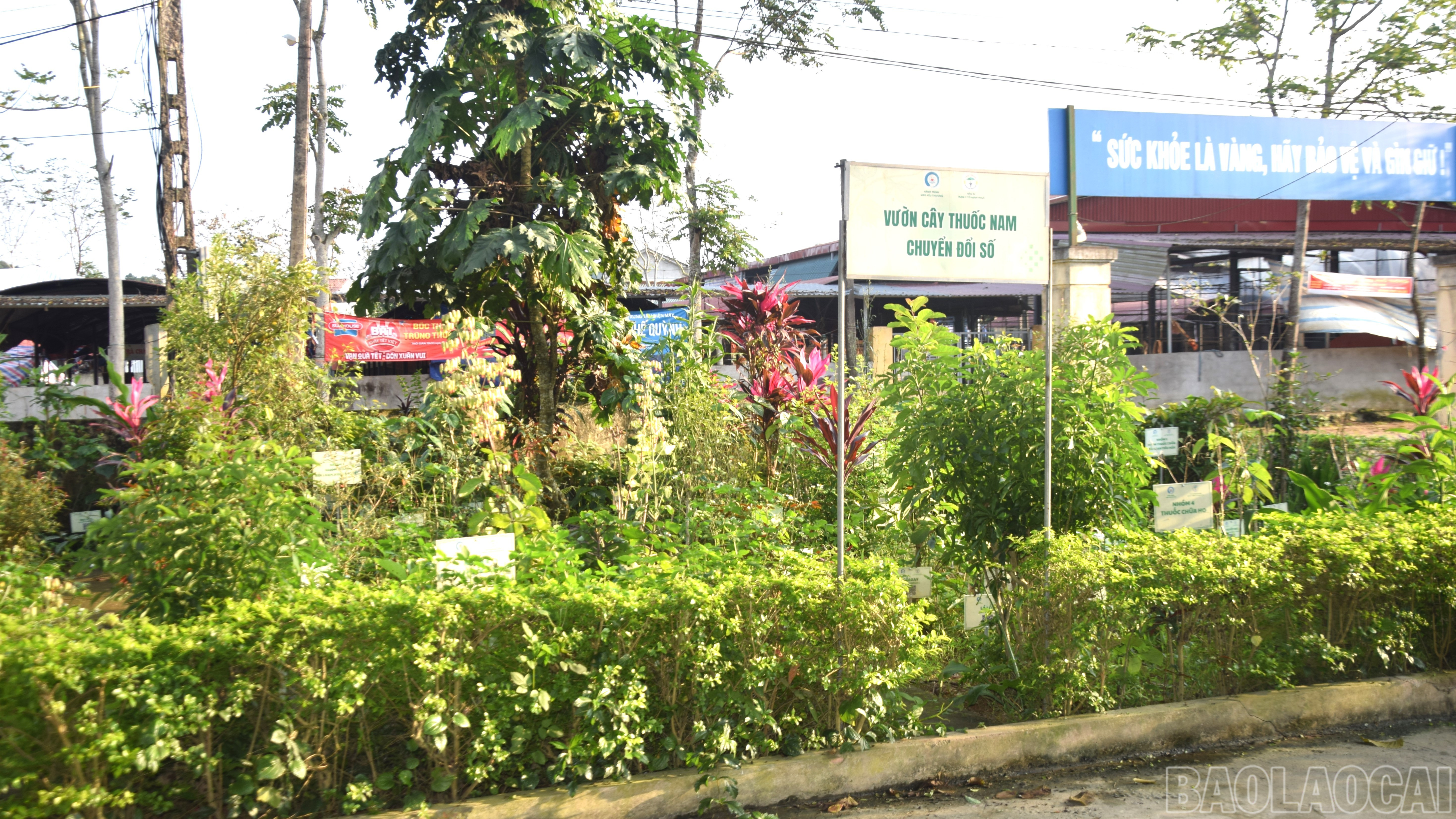
Regarding long-term direction, Dr. Dang Xuan Truong stated that the branch aims for 100% of member families to have a "Home Herbal Garden" and to effectively utilize traditional folk remedies. This goal further affirms the core role and determination of the Bao Ai Commune Traditional Medicine Branch in preserving and developing medicinal plants and folk remedies.
Source: https://baolaocai.vn/bao-ton-va-phat-trien-cay-thuoc-nam-post894965.html
![[Image] 500 regional dishes introduced to the people of Ho Chi Minh City and tourists.](https://vphoto.vietnam.vn/thumb/1200x675/vietnam/resource/IMAGE/2026/03/27/1774576163392_001-jpg.webp)






![[Infographic] 9 groups of people expected to receive a basic salary increase from July 1, 2026](https://vphoto.vietnam.vn/thumb/402x226/vietnam/resource/IMAGE/2026/03/27/1774582167271_infographic-9-nhom-doi-tuong-du-kien-duoc-tang-luong-co-so-tu-1-7-20620260327071402.webp)












































Comment (0)