According to the United Nations Convention to Combat Desertification (UNCCD), 40% of the world's land has been degraded, directly affecting approximately 3.2 billion people. Each year, humanity loses nearly 100 million hectares of fertile land, while to achieve the 2030 target, the world needs to restore approximately 1.5 billion hectares with an estimated investment of $355 billion per year. The consequences are already evident in many regions.
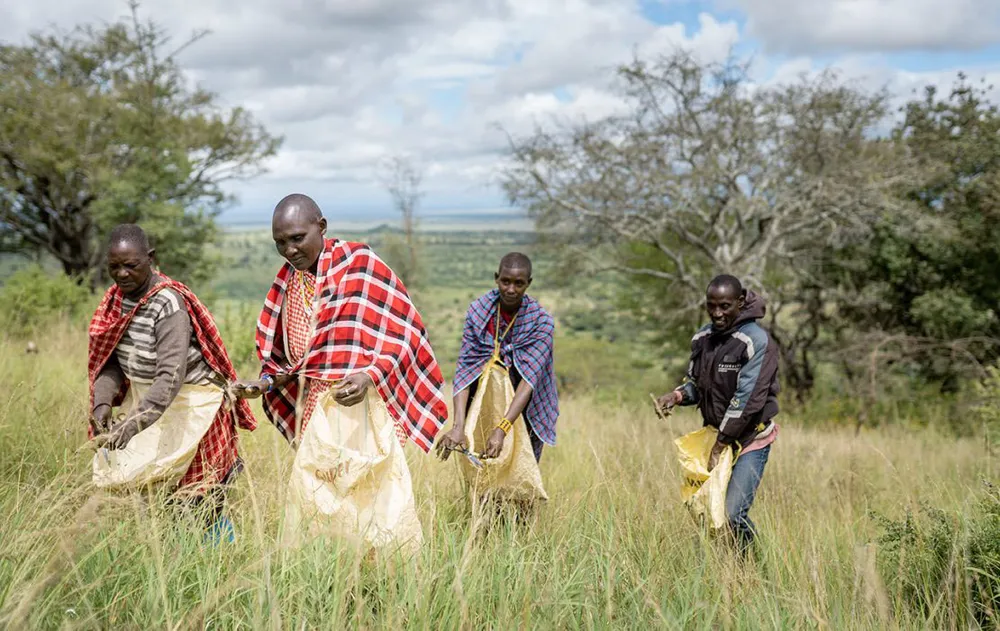
Mongolia, the host country for the COP17 UNCCD conference in August 2026, currently has approximately 77% of its territory degraded or at risk of desertification due to rising temperatures, overgrazing, and resource exploitation. In the Horn of Africa, years of consecutive droughts have left tens of millions of people without water and facing the risk of food insecurity.
The Mediterranean region and Southern Europe are also experiencing prolonged droughts with increasing frequency and intensity, affecting agricultural production and water supply.

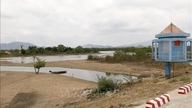

However, the UNCCD argues that grasslands are one of the most important yet underappreciated ecosystems. Grasslands now cover more than 50% of the Earth's land surface, providing livelihoods for billions through livestock and agriculture, while also playing a role in regulating water resources, storing carbon, and conserving biodiversity. Half of the world's grasslands are being degraded due to climate change, overexploitation, and land-use change.
According to many UNCCD experts, grassland degradation not only reduces agricultural productivity but also causes soil to lose its water-retention capacity, accelerating desertification and exacerbating the impacts of climate change. Therefore, grassland restoration is considered one of the low-cost but highly effective solutions for adapting to climate change.
The selection of Kenya as the host country for the 2026 World Day Against Desertification and Drought also reflects this trend. As one of the African countries heavily impacted by drought but possessing vast grasslands, Kenya is promoting sustainable land management models that combine indigenous knowledge with modern science to restore ecosystems and enhance community resilience.
According to UNCCD, every $1 invested in land reclamation can yield economic benefits of $7-30 through increased agricultural productivity, improved water resources, carbon sequestration, and reduced damage from natural disasters.


Source: https://www.sggp.org.vn/bao-ve-dong-co-de-chong-sa-mac-hoa-post857912.html




![[Image] Ho Chi Minh City: Ma Lang area, Chicken-Rice Market about to change its appearance](https://vphoto.vietnam.vn/thumb/1200x675/vietnam/resource/IMAGE/2026/06/25/1782377698627_ndo_br_m1-jpg.webp)






























![[Image] Schools organize meetings and introduce teaching models to students admitted to grade 10.](https://vphoto.vietnam.vn/thumb/1200x675/vietnam/resource/IMAGE/2026/06/25/1782368077271_ndo_br_z7970052192242-1ec8daeb77a6eed1a4e9f58c564ddd3e-jpg.webp)