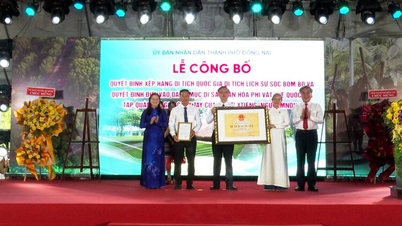
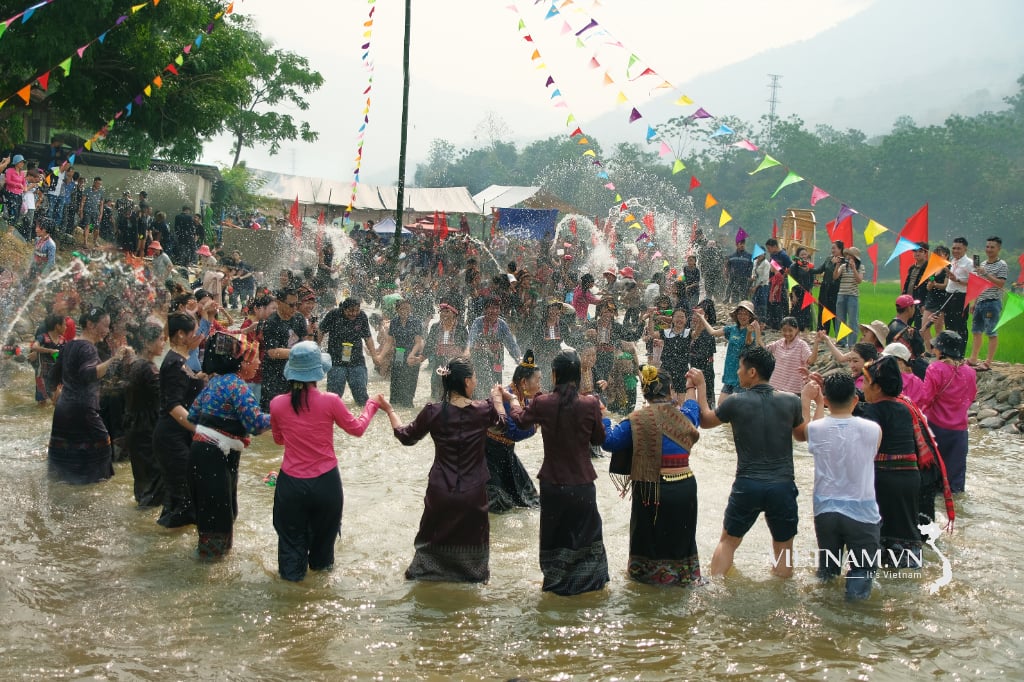
From June 26th to 28th, April 16th Square (Dong Hai Ward, Khanh Hoa Province) will become a gathering space for the vibrant Cham culture from seven provinces and cities across the country, including Khanh Hoa, Gia Lai, Dak Lak, Lam Dong, An Giang , Tay Ninh, and Ho Chi Minh City.
The festival, organized by the Ministry of Culture, Sports and Tourism in coordination with the People's Committee of Khanh Hoa province, aims not only to honor the cultural identity of the Cham ethnic group but also to affirm the role of heritage in the process of sustainable development and international integration.
What's special is that these aren't simply artistic performances or community gatherings, but rather an opportunity for the public to gain a deeper understanding of a culture that has existed for thousands of years in the sun-drenched, windswept central region of Vietnam.
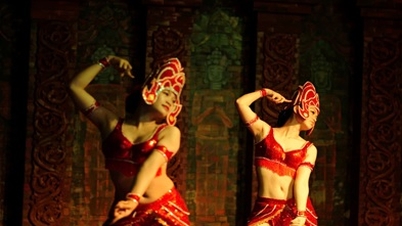
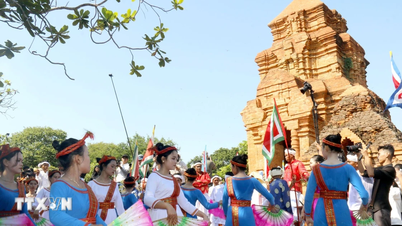
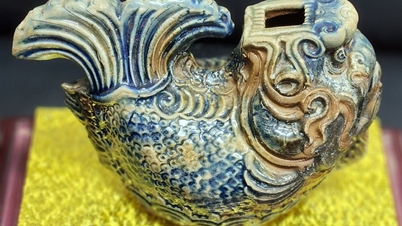
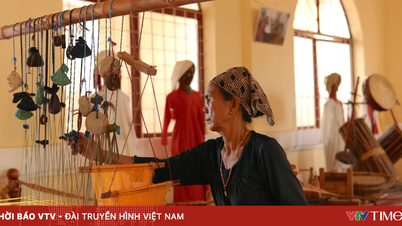
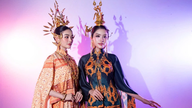
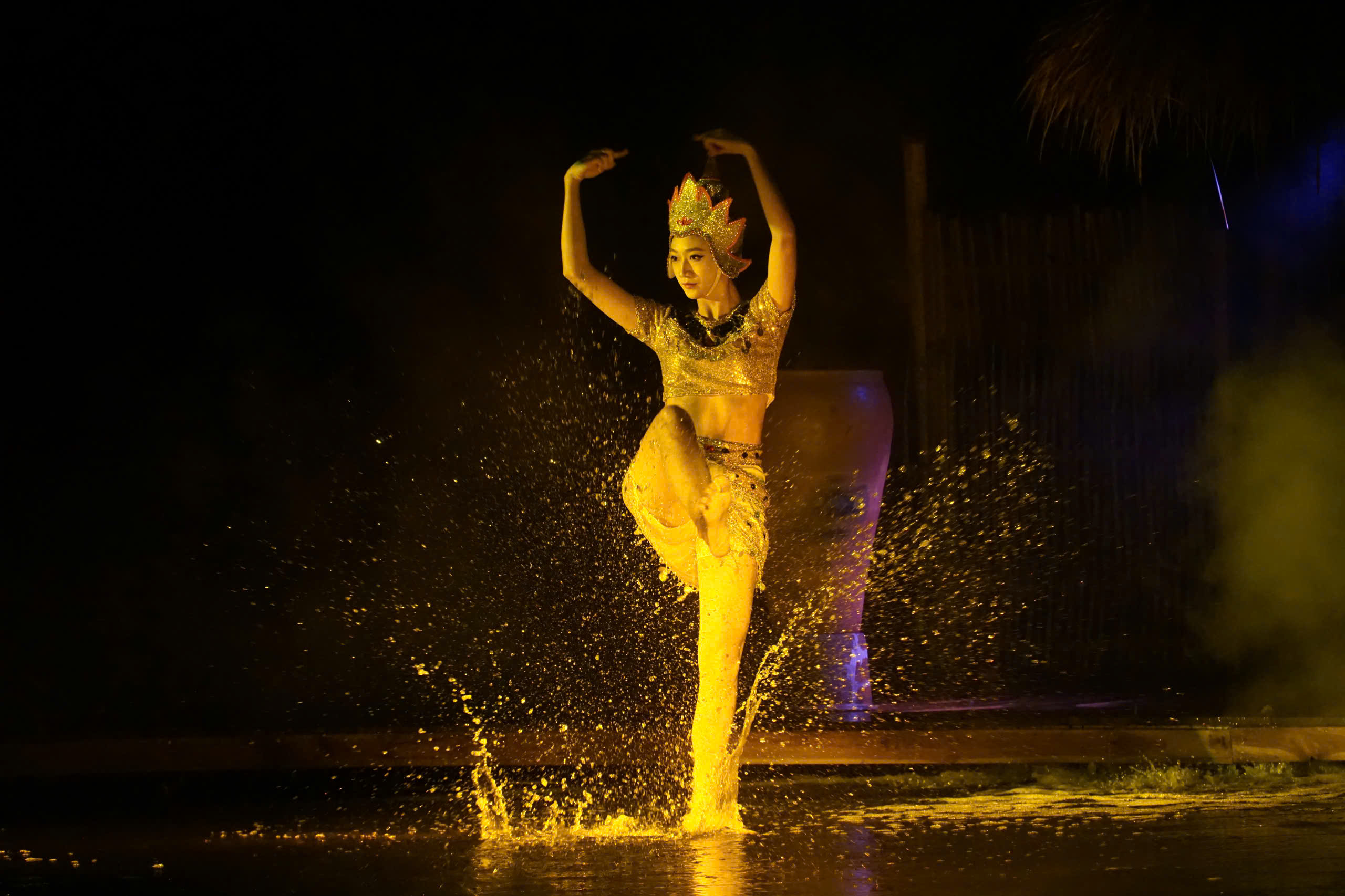
The Cham people have long amassed a vast heritage, from Cham tower architecture, the Ka-tê festival, Apsara dance art, the Paranưng and Ginăng drums, to traditional crafts such as brocade weaving and pottery making. Hidden within these tangible and intangible values is a philosophy of living in harmony with nature, a strong sense of community, and the enduring vitality of a people who have always adapted to the vicissitudes of history.
You may also like
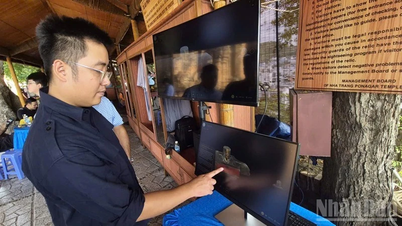
'Unlock' Cham heritage with QR codes at Ponagar Tower.Digital technology is opening up new approaches to Cham cultural heritage. At the Ponagar Tower, by simply scanning a QR code, visitors can explore a 3D space and discover a wealth of digitized cultural materials in a vivid and intuitive way. 
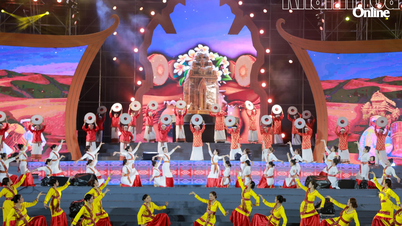
Hanoi's century-old incense village transforms to attract tourists.Located approximately 35km south of Hanoi's city center, Quang Phu Cau Village is a traditional incense stick making village with a history spanning over 100 years. It is famous for its bundles of incense sticks, arranged to resemble vibrant red "flowers," attracting numerous tourists who come to visit and experience the craft. Mr. Le Van Hoa, Deputy Director of the Department of Culture, Sports and Tourism of Khanh Hoa province, said that Khanh Hoa is a land closely associated with the worship of the Mother Goddess Po Nagar, a place where all the layers of cultural heritage converge. It is no coincidence that the opening art program, titled "The Shimmering Colors of Cham Culture," was designed as a 90-minute theatrical epic. The program not only recreates the beauty of costumes, music , and festivals, but also guides the audience into the "soul" of the Cham people – a culture "cherished from the sediments of Mother Earth and nurtured by the aspirations of the sea," Mr. Hoa said.

The Apsara dance of the Cham people is always captivating to viewers.
The journey begins with the legend of Mother Po Nagar – the goddess revered by the Cham people as the Mother of the Land. According to legend, she was embodied in the spiritual essence of the sea and the sky, bringing rice, water, weaving, and pottery to the people. This is not just a religious story but also reflects the cultural mindset of the Cham people – where the sea, land, and people are always intimately connected in a harmonious whole.
You may also like

Removing bottlenecks in building the "creative rural" model.With its advantages in cultural heritage, traditional crafts, landscapes, and markets, Hanoi has great opportunities to create livable rural areas and unique creative spaces, contributing to the realization of the goal of building a cultured, civilized, and modern capital city and a UNESCO Creative City. The festival also conveyed a message about the indomitable spirit of the Cham community. In this arid, windswept land, the Cham people persevered in building villages, preserving their crafts, maintaining their language, writing system, and identity. As the poem by poet Inrasara, included in the artistic program, says: "Even if sandstorms bury the cliffs, the Cham people's vitality will continue to sprout."
The 6th Cham Ethnic Culture Festival is an opportunity to affirm the unified yet diverse picture of Vietnamese culture, where each color has its own value and deserves to be cherished and preserved. As long as the sound of the Paranung drums still resonates, and as long as the Cham towers still stand tall against the sky, that cultural stream continues to flow, connecting the past with the present and opening up new aspirations for the future.
Source: https://nld.com.vn/mach-nguon-di-san-dan-toc-cham-196260624213009085.htm


![[Image] Schools organize meetings and introduce teaching models to students admitted to grade 10.](https://vphoto.vietnam.vn/thumb/1200x675/vietnam/resource/IMAGE/2026/06/25/1782368077271_ndo_br_z7970052192242-1ec8daeb77a6eed1a4e9f58c564ddd3e-jpg.webp)
![[Image] Ho Chi Minh City: Ma Lang area, Chicken-Rice Market about to change its appearance](https://vphoto.vietnam.vn/thumb/1200x675/vietnam/resource/IMAGE/2026/06/25/1782377698627_ndo_br_m1-jpg.webp)

![[Photo] General Secretary and President To Lam receives Palestinian Ambassador Saadi Salama](https://vphoto.vietnam.vn/thumb/1200x675/vietnam/resource/IMAGE/2026/06/25/1782365384740_a1-bnd-9423-8322-jpg.webp)