

Lesson 1: The "Bottleneck" in Planning
To improve the efficiency of forest management and protection, and to create a legal basis for perfecting land and forest allocation and the issuance of forest land use right certificates, the province implemented the task of planning three types of forests during the period 2006-2020. However, the plan revealed inadequacies and shortcomings that needed adjustment and supplementation to suit the actual situation. Therefore, on December 21, 2018, the Provincial People's Committee issued Decision 1208/QD-UBND approving the project to review and adjust the provincial plan for three types of forests until 2025, with orientation to 2030. However, after the review, adjustment, and announcement of the plan for three types of forests, many people and localities faced difficulties in their production and daily lives, as well as in carrying out local socio -economic development tasks.
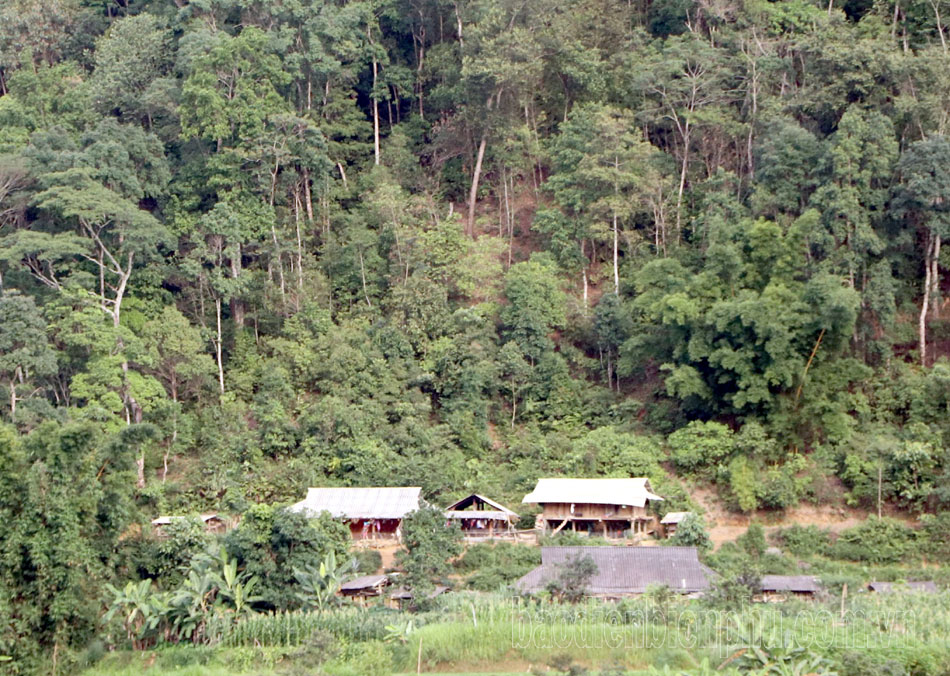
Over the years, the planning of the three types of forests has revealed shortcomings and deficiencies that need to be adjusted and supplemented to suit the actual situation, such as: Databases, maps, forest status, and land use status of forestry land differ significantly from the actual situation; many areas of stable agricultural land owned by individuals and households are still interspersed within the planning of the three types of forests. Many areas of forest and forestry land planned according to the functions of the three types of forests are no longer suitable for the new regulations and actual conditions, significantly impacting the achievement of local socio-economic development goals.
To overcome limitations and achieve the goals of managing, protecting, and developing forest and forestry land areas effectively, contributing to environmental protection, creating jobs, improving the lives of people in forest areas, and sustainably eradicating poverty, the Provincial People's Committee issued Decision 1208/QD-UBND. This decision emphasizes reviewing and removing residential land, rice paddy land, and construction projects from the planning, and organizing the announcement and allocation of land and forests in the field to each sub-area, commune, district, and forest management authority.
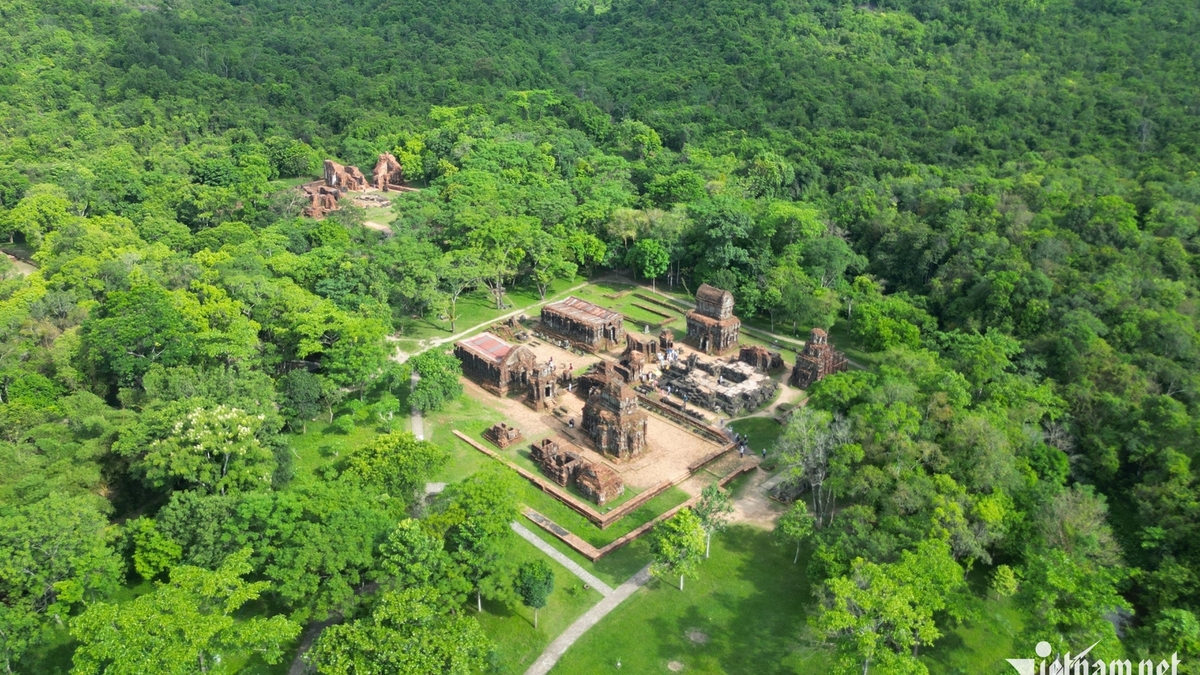
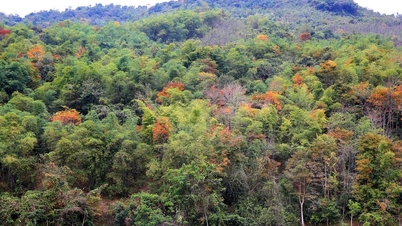
Accordingly, Dien Bien province has nearly 695,000 hectares (accounting for 72% of its natural area) under the forestry land planning. Of this, over 51,664 hectares are special-use forests (including both forested and non-forested land); over 416,163 hectares are protection forests; and 226,925 hectares are production forests. The goal of the planning is to review and adjust the scale of forestry land and the structure of forest types to suit the land use planning and the actual situation of the locality. The planning of the three types of forests is linked to the restructuring of the forestry sector, gradually increasing forest cover, striving to reach 45% by 2025 and 48% by 2030.
.jpg)
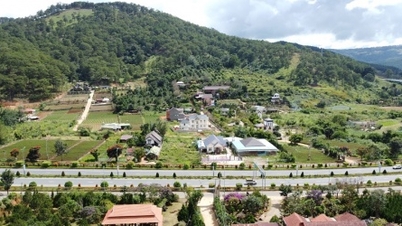
However, reviewing and adjusting the planning for the three types of forests faces many difficulties. Many villages, hamlets, and residential areas are still included in the forest land planning that has not yet been implemented. For example, Pa Thơm commune (Dien Bien district) has a total natural land area of over 8,908 hectares, but according to the plan, more than 8,297 hectares are forest land (accounting for 93.1% of the total natural area). This means that many areas of rice fields, ponds, gardens, houses, and administrative buildings in Pa Thơm commune are all included in the forest land planning. For instance, Pa Thơm village, a long-standing home of the Lao ethnic minority, has its entire area designated as forest land!
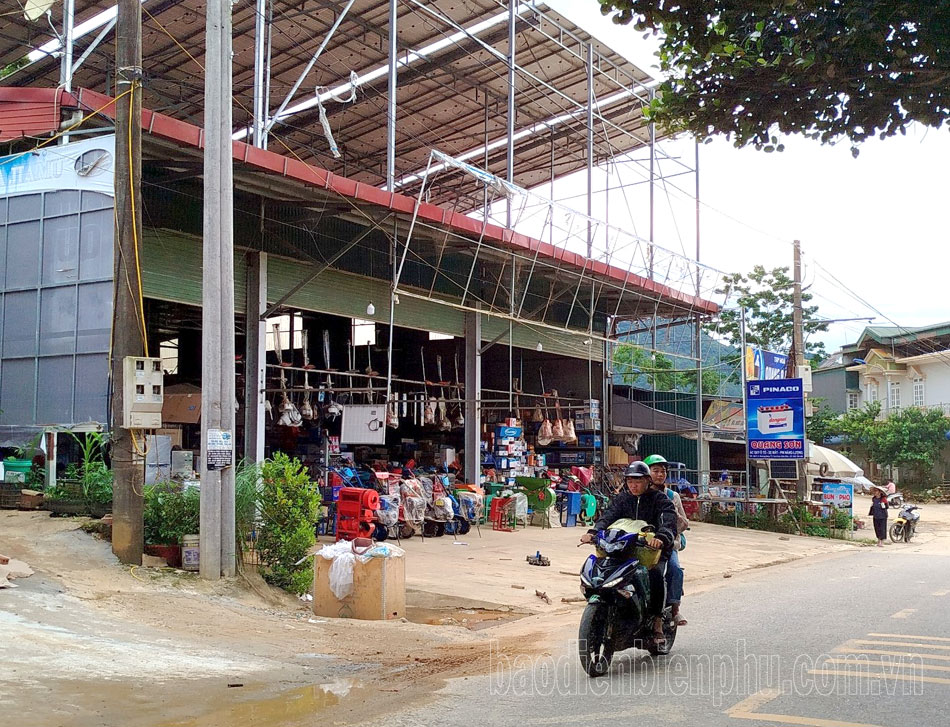
Similarly, all 84 households in Chan 3 village, Ngoi Cay commune (Muong Ang district) are located within the forest land planning area. According to Mr. Ly A Si, head of Chan 3 village, the villagers have lived there for a long time, but only learned that the entire village was included in the forest planning area when the three types of forest planning were announced. This has a significant impact on the lives of the people, especially on the implementation of projects and works in the area.
c383389.jpg)
Furthermore, even the land occupied by government offices in some communes is included in the forestry land planning. According to Mr. Thào A Tú, an official from the Tủa Chùa District Forest Management Unit, a review based on Decision 1208/QĐ-UBND shows that the current headquarters of the Mường Báng Commune People's Committee (Tủa Chùa District) has nearly 600m² of land included in the three-category forest planning, despite being located next to a road in a central, densely populated area. Similarly, the Tông Lệnh lake (Tủa Chùa District) also has approximately 1,500m² of land included in the three-category forest planning.
Furthermore, the process of organizing the announcement of the three types of forest planning, both internally and externally, was limited. In particular, when localities organized the announcement of the three types of forest planning, many households did not attend, partly due to work commitments and partly because they did not consider the announcement important (only 25.4% of households required to attend). Specifically, the two districts of Tuan Giao and Dien Bien Dong did not organize any field announcements of the three types of forest planning.
Therefore, many households and village communities are unaware of the revised plan for the three types of forests. Consequently, shortly after the provincial People's Committee approved the plan, several incidents of forest encroachment occurred in some localities and were subsequently discovered and dealt with. For example, Mr. Vàng A Giàng, from Nậm Ngà 2 village, Nậm Chua commune (Nậm Pồ district), refused to include the regenerated forest on his family's hillside land in the forest conservation plan because the payment for forest environmental services was lower than the cost of farming. As a result, his family cleared the regenerated forest to create farmland.
To address the shortcomings in the planning of the three types of forests, in 2021, the Department of Agriculture and Rural Development directed its subordinate units to focus on reviewing locations and areas (residential land, paddy land, aquaculture land, garden land, and other land) included in the planning of the three types of forests to remove them from the plan and add natural forest areas outside the plan to the forestry plan. Through the review, the agricultural sector proposed removing over 6,836 hectares from the planning of the three types of forests. Simultaneously, based on the review results, the inter-agency group proposed to the Provincial People's Committee to adjust and reduce the land allocation and forest allocation targets for granting land use right certificates for forestry purposes in the period 2019-2023 according to Plan 2783/KH-UBND by 102,484 hectares. Thus, the total planned forestry land area in the province after the adjustment is 592,269 hectares.
Source: https://baodienbienphu.com.vn/tin-uc/kinh-te/217211/bat-cap-trong-giao-dat-giao-rung





































































Comment (0)