

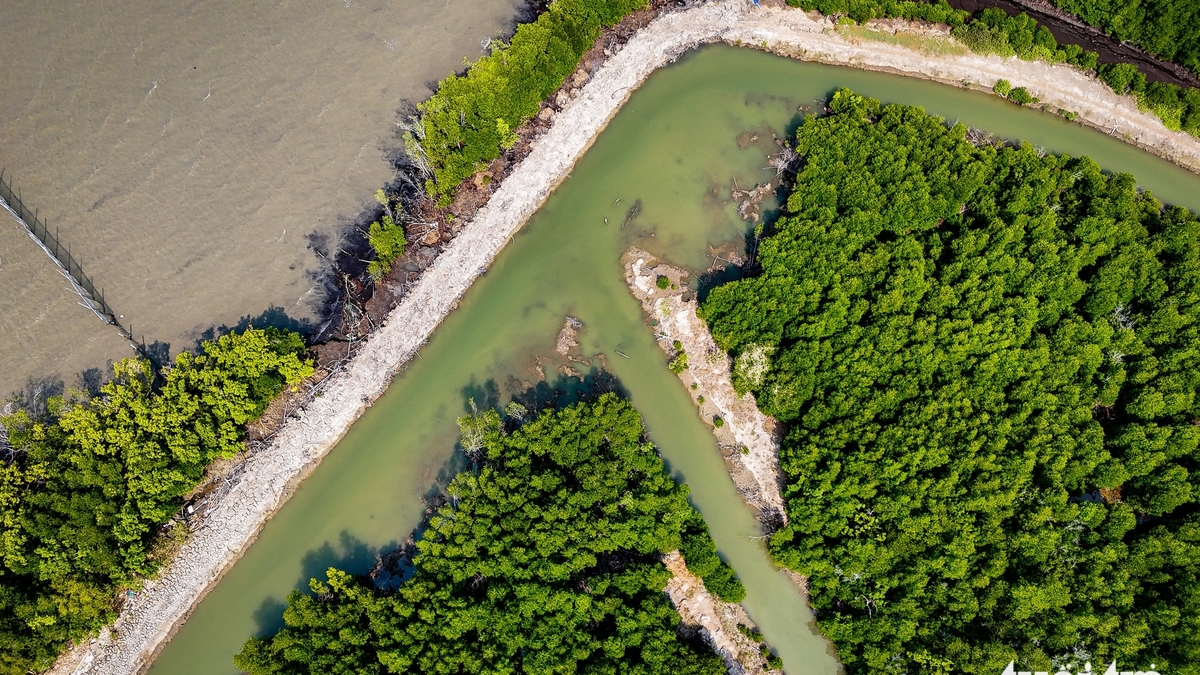
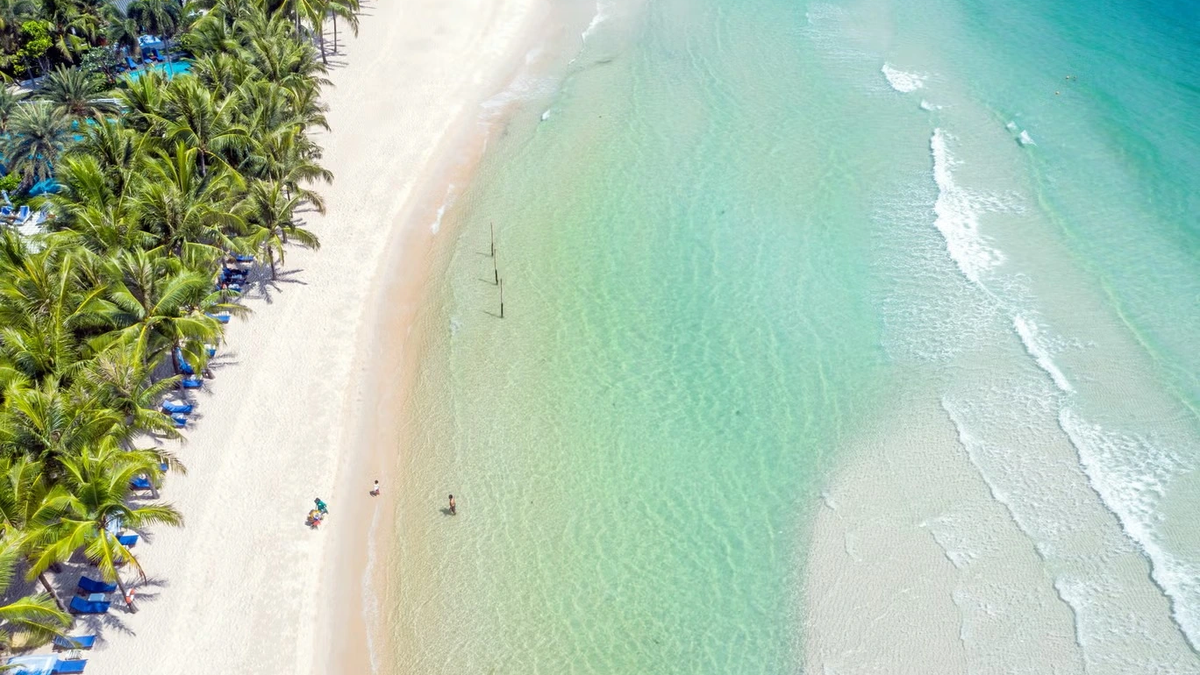
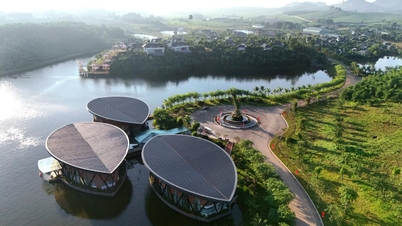
The Southeast region of Vietnam boasts a 350 km long coastline and many beautiful beaches such as Vung Tau, Long Hai, Con Dao, and Can Gio... This area also possesses abundant ecotourism resources associated with national parks, biosphere reserves, conservation areas, mangrove forests, mountainous landscapes, and river and lake ecosystems.
Waiting for a "boost" in tourism linkages.
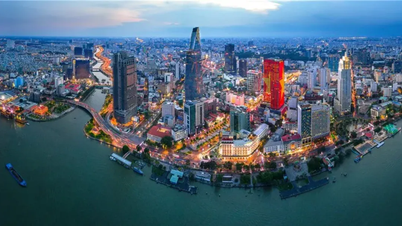
Recognizing these advantages, Ho Chi Minh City initiated and connected with five provinces in the region – including Binh Duong, Ba Ria-Vung Tau, Dong Nai , Tay Ninh, and Binh Phuoc – and signed the "Agreement on Cooperation and Development of Tourism in the Southeast Region for the period 2020-2025". Annual review conferences are held alternately in different provinces and cities in the region to assess effectiveness, draw lessons learned, and make timely adjustments and additions to the cooperation content.
Tay Ninh is an emerging tourist destination in the Southeast region and the whole country. According to Mr. Vo Duc Trong, Permanent Vice Chairman of the Tay Ninh Provincial People's Committee, in the first nine months of 2023 alone, the province attracted approximately 4.5 million visitors, generating nearly 1,800 billion VND in tourism revenue.
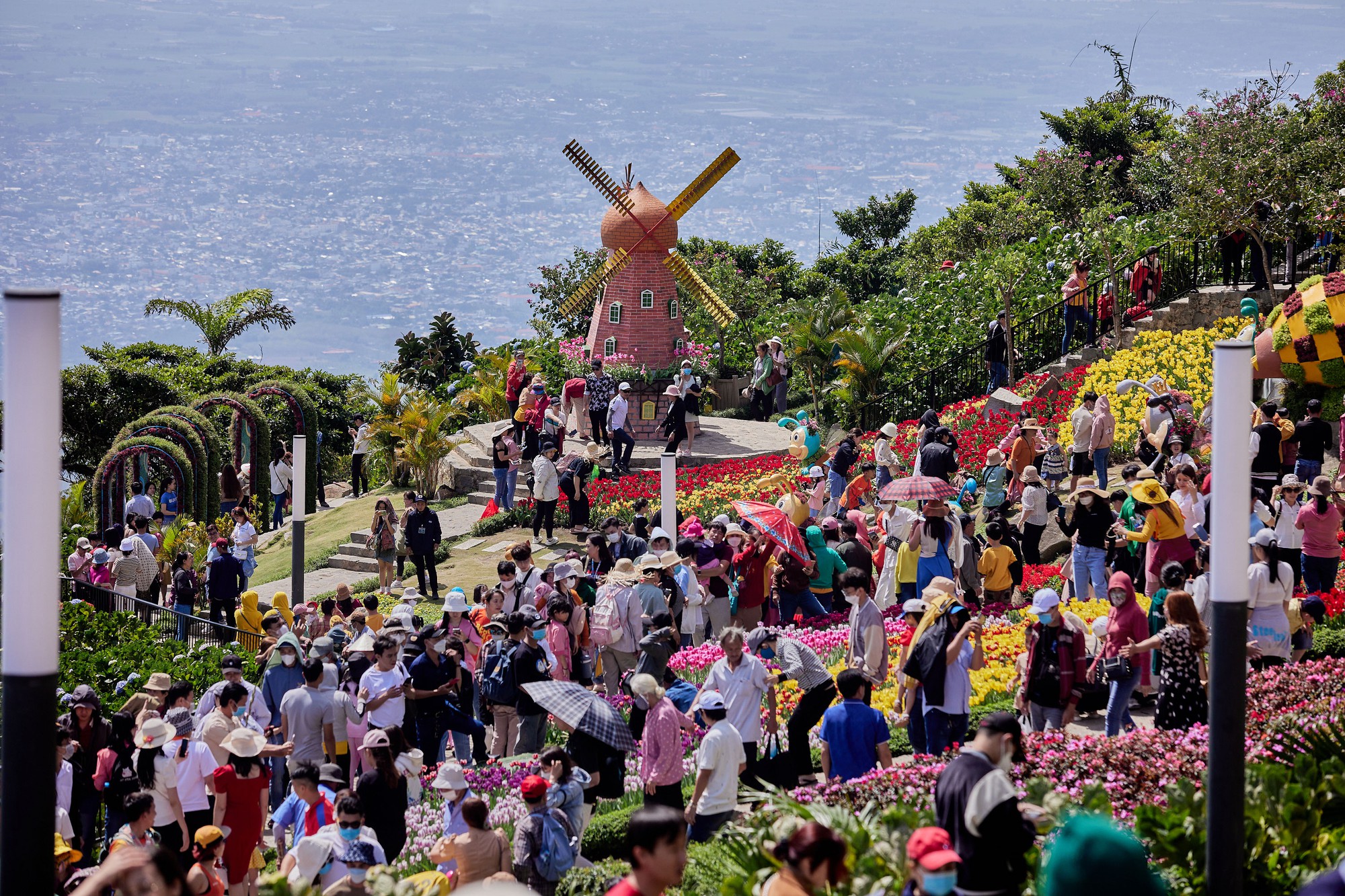
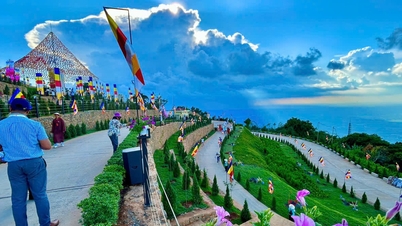
The Ba Den Mountain Historical and Cultural Relic Site and Tourist Area welcomes over 4 million visitors annually.
Tay Ninh province has identified tourism as one of its key economic sectors for socio-economic development by 2025 and with a vision to 2030. In the coming period, the Ba Den Mountain Historical and Cultural Relic and Tourist Area will be a focal point for investment, creating a driving force for the province's tourism development.
The total number of tourists visiting the Southeast region of Vietnam during the 2020-2022 period reached over 73.53 million, including nearly 3.1 million international visitors; generating revenue of 260,160 billion VND.
According to Ms. Tran Tue Hien, Chairwoman of the People's Committee of Binh Phuoc province, the province prioritizes maximum social mobilization for tourism development investment, as well as issuing appropriate mechanisms and policies to attract investment. However, for Binh Phuoc tourism to "take off" within the overall development of the region, many solutions need to be implemented simultaneously.
"We continue to propose to the Central Government and proactively coordinate with localities to implement the construction of a transportation system connecting the Southeast region, creating a synchronized 'boost' in linking regional tourism development," Ms. Hien emphasized.
Tourism development goes hand in hand with the night-time economy.
Most tourists visiting Tay Ninh or Binh Phuoc are interested in cultural and spiritual tourism products. These localities still lack nighttime economic activities such as night markets, entertainment areas, and large-scale, modern cultural and artistic performances. Tourists stay for short periods and spend little, so tourism revenue does not match its potential and advantages.
Affirming the role of the night-time economy, Mr. Pham Ngoc Hai, Chairman of the Ba Ria - Vung Tau Tourism Association, suggested that the province needs to develop the night-time economy synchronously in three areas: Vung Tau, Phuoc Hai, and Ho Tram, so that tourists can shop for characteristic products and enjoy regional specialties.
According to Associate Professor Tran Dinh Thien, former Director of the Vietnam Institute of Economics, regional tourism linkages are very difficult and have hardly been successful anywhere. However, the Southeast region has many advantages that few other places can match. Another important advantage is that the Politburo has just issued Resolution 24 on the socio-economic development of the Southeast region, with Ho Chi Minh City leading the way. Therefore, the likelihood of successful tourism development linkages is very high.
The synergy of local strengths needs to be emphasized, requiring meticulous effort and determination to develop tourism. Each province and city should identify its strengths, avoiding overlap and ensuring smooth coordination, especially in "nurturing businesses." "There is no sector that needs to nurture businesses to help us develop as much as the tourism industry," Mr. Tran Dinh Thien observed.
Associate Professor Tran Dinh Thien argues that not all provinces and cities have the same starting point for tourism development. For example, Ho Chi Minh City has a developed night-time economy, but in other provinces, most people still prefer to "go to bed early and wake up early," while tourism thrives on "staying up late and waking up late." To develop tourism, each locality must understand its own circumstances and conditions and place the tourism industry within the context of a regional, national, and even global competition, not just a competition within its own province or city.
Ms. HUYNH PHAN PHUONG HOANG , Deputy General Director of Vietravel Tourism Company:
We need a "conductor" to build an overall strategy.
Tourism linkages between Ho Chi Minh City and the provinces of the Southeast region have been implemented in the past, but there is a lack of coordination to jointly carry out the project, "assigning" tasks to each locality and relevant unit in order to create suitable and attractive tourism products.
A "conductor" is needed to build an overall strategy within this linkage, creating specific and consistent product packages. Each locality in the linkage chain needs to identify its target tourist audience, specific market segments, and then develop competitively priced products to promote, introduce, and attract tourists. If businesses are left to "fend for themselves," it will be very difficult to achieve a breakthrough for tourism in the entire region.
Mr. NGUYEN MINH MAN , Director of Communications and Marketing - TSTtourist Travel Company:
Link up for a more professional product.
Since the regional linkage between Ho Chi Minh City and the provinces of the Southeast region was implemented, these localities have made significant breakthroughs.
Among them, Tay Ninh stands out as a locality with many new tourism products, creating highlights that attract visitors. Tay Ninh's proactive approach in exploiting tourist sources, especially the Ho Chi Minh City market, has yielded certain results in terms of visitor numbers, thereby reinvesting in tourism products there. Meanwhile, the connection of the sea ferry route from Can Gio to Ba Ria - Vung Tau has not been adequately promoted and developed despite its great potential, which needs to be exploited…
The above examples show that the proactive role of local authorities in collaboration will create leverage for tourism development.
Thai Phuong
Source
![[Photo] General Secretary and President To Lam meets with National Assembly delegates from ethnic minorities.](https://vphoto.vietnam.vn/thumb/1200x675/vietnam/resource/IMAGE/2026/04/20/1776696701056_a1-bnd-8331-3342-jpg.webp)
![[Image] National Assembly discusses the implementation of the socio-economic development plan.](https://vphoto.vietnam.vn/thumb/1200x675/vietnam/resource/IMAGE/2026/04/20/1776696707422_ndo_br_img-20260420-185419-jpg.webp)




























































Comment (0)