

A huge 'treasure' underground
Nestled amidst the grasslands north of Baotou city in Inner Mongolia Autonomous Region (China), the Bayan Obo mine is considered the "rare earth heart" of the world .
Few would have guessed that this once desolate land contains 38% of the world's ever-discovered rare earth reserves.
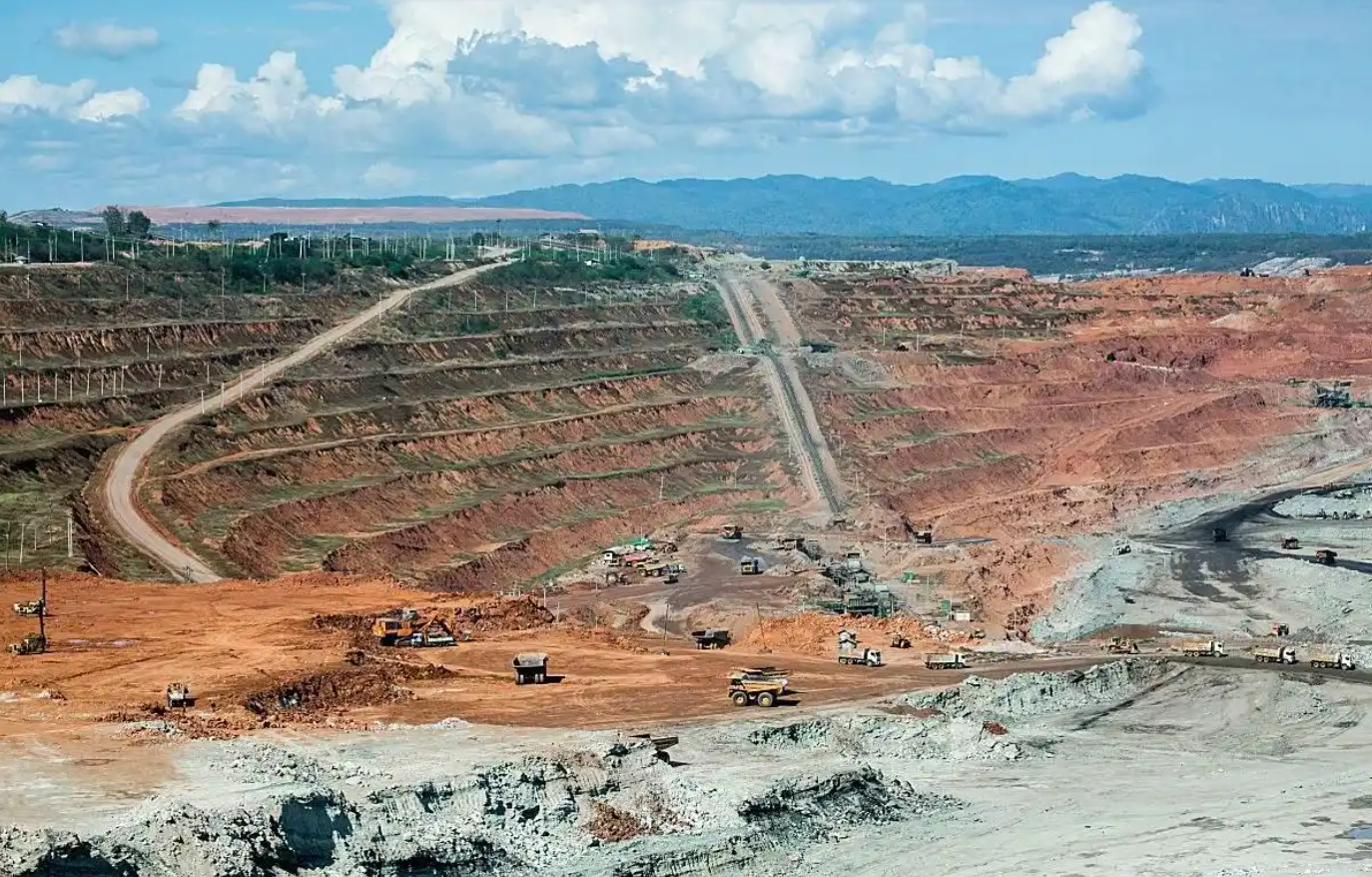
The story begins in 1927, when geologist Dinh Dao Hanh discovered unusual signs in the rock layers here.
This discovery quickly triggered a series of large-scale surveys, gradually revealing an unprecedentedly vast mineral reserve.
After nearly a century of exploration and exploitation, Baiyun Ebo has become a symbol of China's mining industry.
Besides rare earth elements, the mine also contains iron, niobium, and many other strategic metals, which are indispensable materials in the production of electric vehicles, wind turbines, semiconductor chips, and defense equipment.
Therefore, every ton of ore extracted from this area not only has economic value but is also linked to the technological competition between nations.
A 280-meter-deep 'cut' into the Earth.
The most breathtaking sight upon entering Bach Van Ngac Bac is the enormous open-pit mine—considered the "operational heart" of the entire area.
The mine pit is approximately 3 km long, 2 km wide, and up to 280 meters deep, forming a giant "cut" through the Earth's crust.
Viewed from above, the layers of rock resemble the planet's age rings, each layer bearing the imprint of hundreds of millions of years of geological evolution.

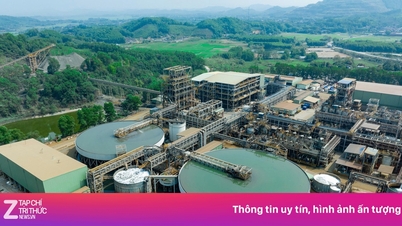
At the bottom of the mine, dozens of giant mining machines operate non-stop, and heavy trucks line up to transport ore, creating a closed industrial cycle.
The metallic sounds, engine noises, and constant operation make this place resemble a giant "open-air factory," where scarce resources are transformed into economic value every minute.
What makes Bach Van Ngac Bac special is not only its scale, but also the role of rare earth elements. Although the name may sound unfamiliar, these elements are present in most high-tech products.
From phone screens and electric vehicle batteries to permanent magnet motors, all require rare earth elements to function effectively. In the clean energy industry, they help increase wind turbine efficiency and reduce energy consumption. In the defense industry, they are indispensable components of many advanced systems.
Therefore, controlling the supply of rare earth elements means holding a key to the future economy.
Transforming mineral mines into 'billion-dollar experiences'
Beyond mere exploitation, Bach Van Ngac Bac is being shaped as a new business model: transforming resources into tourism and educational products.
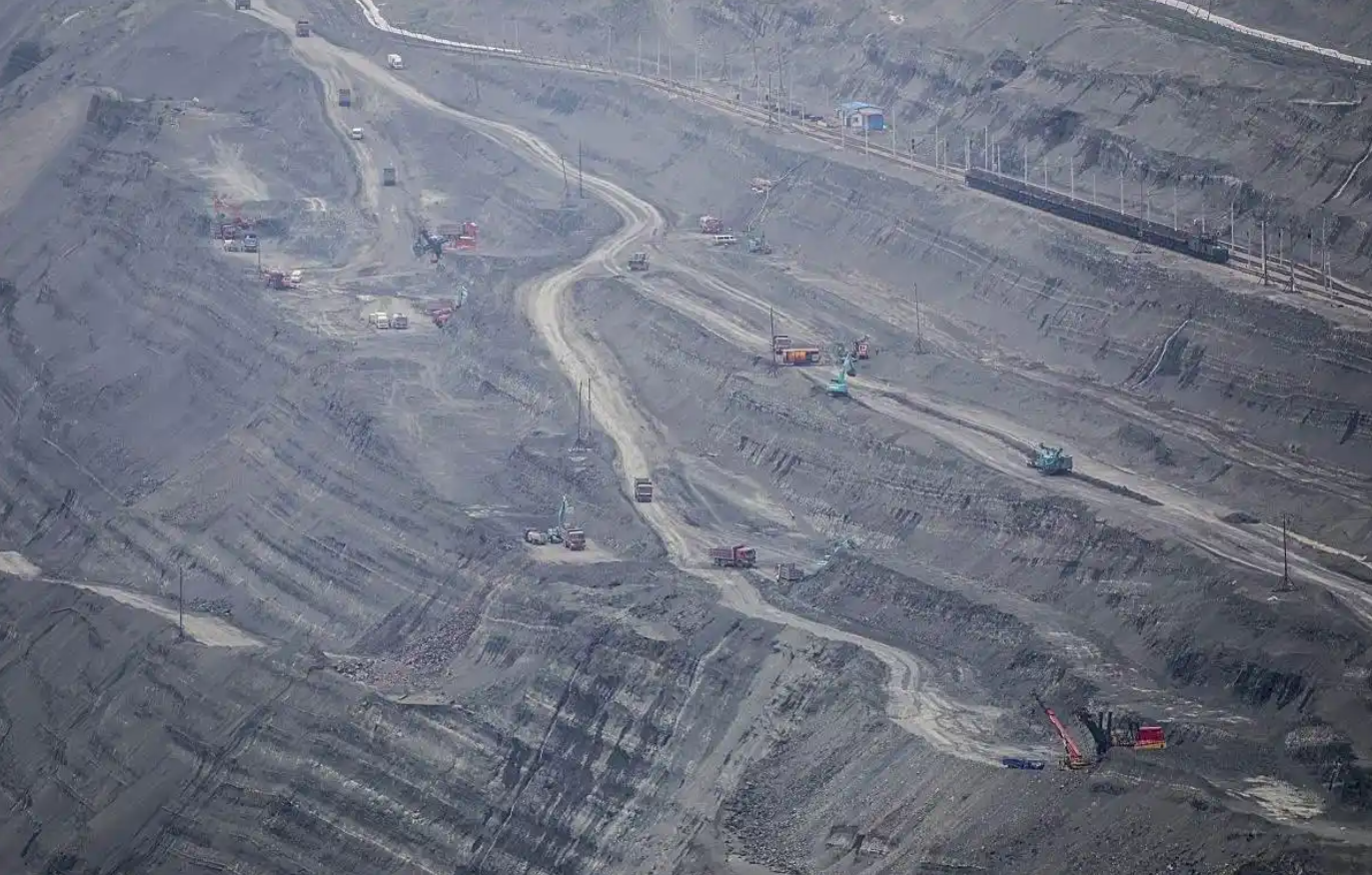
Visitors come here not only to "see the mine" but also to understand how a rock becomes a component in the phone they use.
The exhibition areas, which simulate the refining process and applications of rare earth elements, help transform complex concepts into visual experiences.
In particular, field tours around the mine and the surrounding grassland area allow visitors to observe the geological structure firsthand and even participate in mineral identification activities under the guidance of experts.
The combination of industry and tourism has yielded tangible results. In 2024 alone, the mining area welcomed over 150,000 visitors, a significant increase compared to previous years.
Events such as rare earth fairs or geological science festivals not only attract professionals but also draw large numbers of tourists curious about the "land of billions of tons".
This is seen as a strategic shift: from a purely resource extraction center to a multi-value economic model. Instead of just selling ore, the mine now "sells experiences," "sells knowledge," and even tells the story of the future industry.
From a chance discovery nearly 100 years ago, Baiyun Ebo has become a symbol of China's resource power and economic vision. Beneath hundreds of meters of rock and soil, a 1.4 billion-ton "treasure" continues to operate, silently nurturing the industrial machinery of the modern world.
According to Baidu

Source: https://vietnamnet.vn/ben-trong-mo-dat-hiem-lon-nhat-the-gioi-tru-luong-1-4-ty-tan-2501835.html
![[Image] Shipbuilders exposed to steel and record-breaking heat.](https://vphoto.vietnam.vn/thumb/1200x675/vietnam/resource/IMAGE/2026/06/04/1780545781745_ndo_br_img-5402-4683-jpg.webp)











































![[Video] Sunset at Lap An Lagoon – Where the sun sets over the fishing nets](https://vphoto.vietnam.vn/thumb/1200x675/vietnam/resource/IMAGE/2026/05/31/1780192137701_beach-landscape-sea-water-nature-grass-745871-pxhere-com.jpeg)

































Comment (0)