

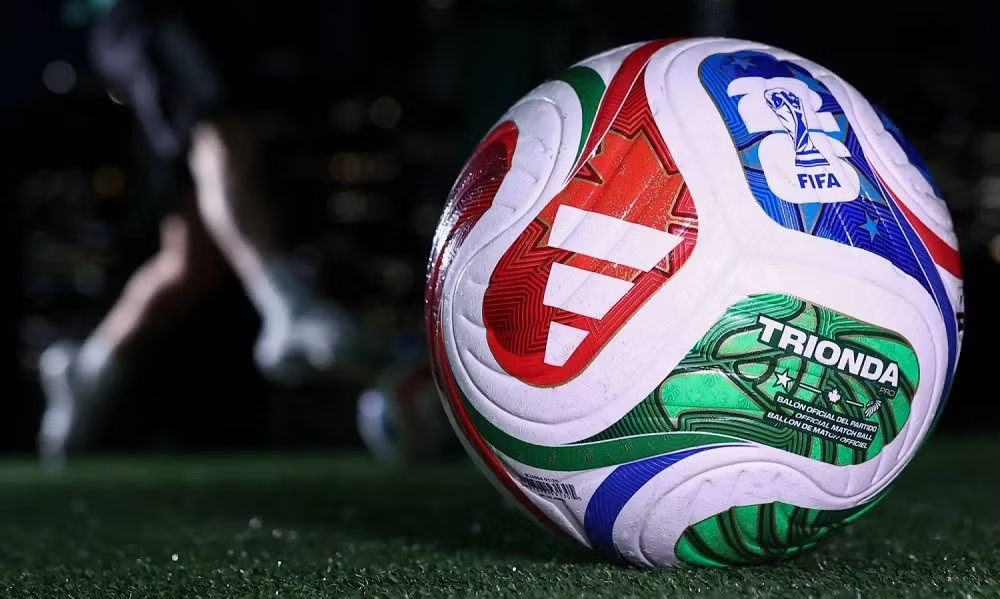
The first ball needs to be charged.
The most groundbreaking feature of the 2026 World Cup ball, named Trionda, is the smart chip embedded in its center, requiring it to be charged before each match. According to FIFA, this is a highly sensitive motion sensor technology capable of recording and transmitting data about the ball's position and speed at a frequency of up to 500 times per second.
Thanks to this electronic "brain," every impact of a player on the ball, however small, is accurately measured in real time. Then, all the information collected by the chip is immediately sent to the VAR room within seconds. FIFA expects this improvement to help the semi-automatic offside system work smoothly, and even potentially send an audible offside warning directly to the linesman's headset in an instant.
Because it has to process enormous amounts of data at a high intensity and continuously, the ball must be fully charged before rolling on the North American pitch.
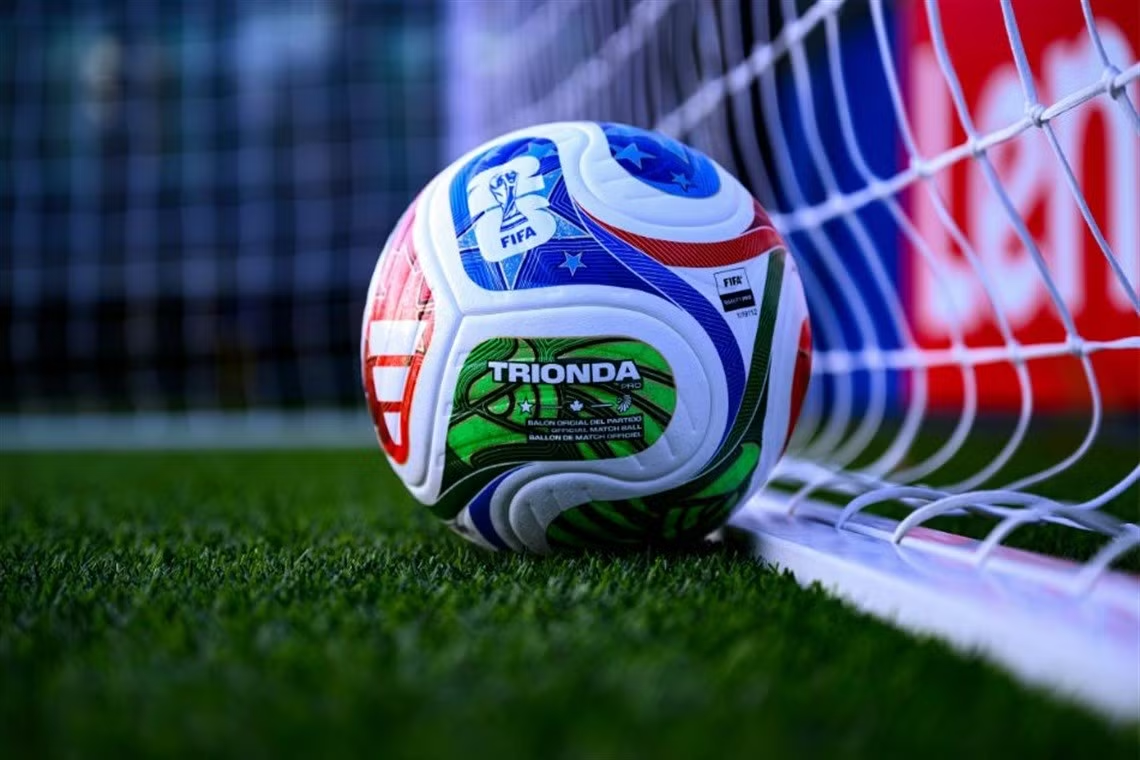

A unique four-piece structure in history.
Besides the internal microchip technology, the external geometric structure of the Trionda also marks a breakthrough: the ball is assembled from just four large leather panels using heat-pressing technology. Looking back at history, traditional footballs typically had 32 hand-stitched panels, or even the 2022 World Cup ball required 20. Reducing the number of panels to a minimum allows the Trionda's surface to achieve perfect roundness, minimizing seams and joints.
This adjustment helps the ball distribute air resistance evenly during flight, creating a stable and precise trajectory, helping goalkeepers avoid crazy "curves". At the same time, the four-piece leather construction with minimal seams makes the ball impervious to water, so there's no worry about it becoming heavy or changing weight in heavy rain.
Furthermore, the glossy surface is covered with a special embossed pattern, which maximizes grip with players' shoes and goalkeeper gloves.
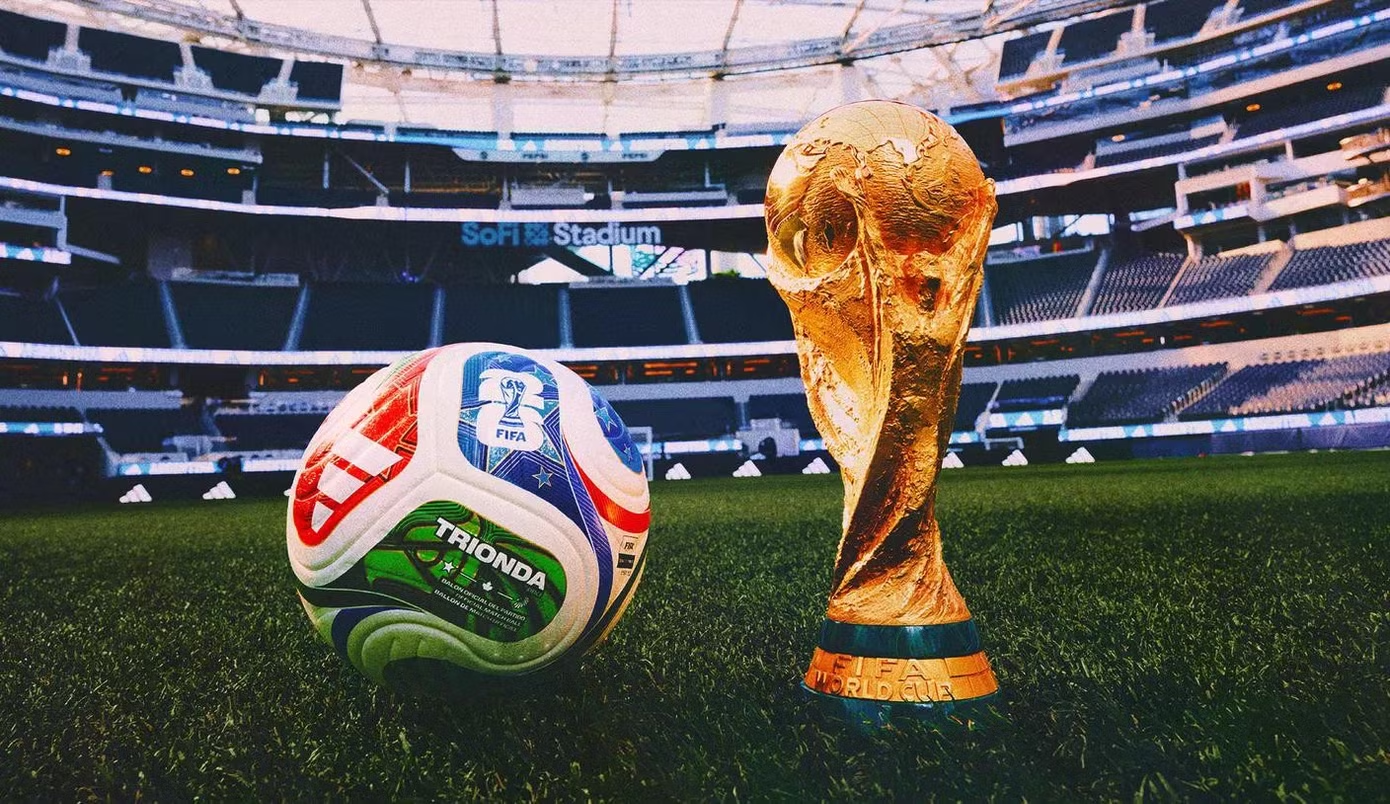
Cultural symbols honoring the three host countries.
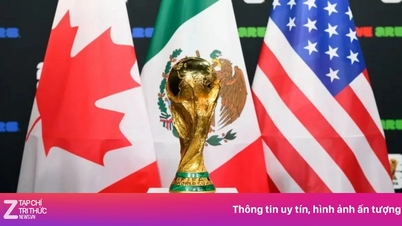
The Trionda ball carries a profound cultural message, honoring the three co-hosting nations of the 2026 World Cup: the United States, Canada, and Mexico.

The name "Trionda" itself is a combination of "Tri" (three) and "Onda" (wave), signifying three waves flowing together in one stream. Against the predominantly white background of the ball, fans will immediately be struck by three undulating wave patterns in the colors characteristic of the host countries' flags: red for Canada, green for Mexico, and blue for the United States.
The subtle detail lies in the fact that, when viewed up close, the unique, culturally symbolic embossed patterns become visible, including the Canadian maple leaf, the Mexican eagle, and the American five-pointed star. The blend of groundbreaking technology, advanced aerodynamic design, and unique cultural aesthetics is expected to make the Trionda ball a special highlight of the 2026 World Cup, contributing to a truly successful tournament.
Source: https://tienphong.vn/ben-trong-qua-bong-world-cup-2026-hien-dai-nhat-lich-su-post1848829.tpo







































![[Video] Sunset at Lap An Lagoon – Where the sun sets over the fishing nets](https://vphoto.vietnam.vn/thumb/1200x675/vietnam/resource/IMAGE/2026/05/31/1780192137701_beach-landscape-sea-water-nature-grass-745871-pxhere-com.jpeg)

























Comment (0)