 |
Players who didn't fit Amorim's philosophy were forced to leave or were given limited opportunities. |
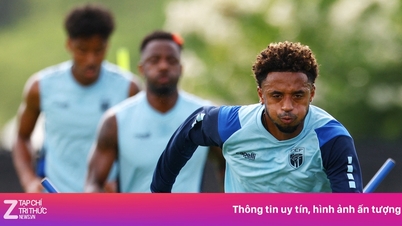
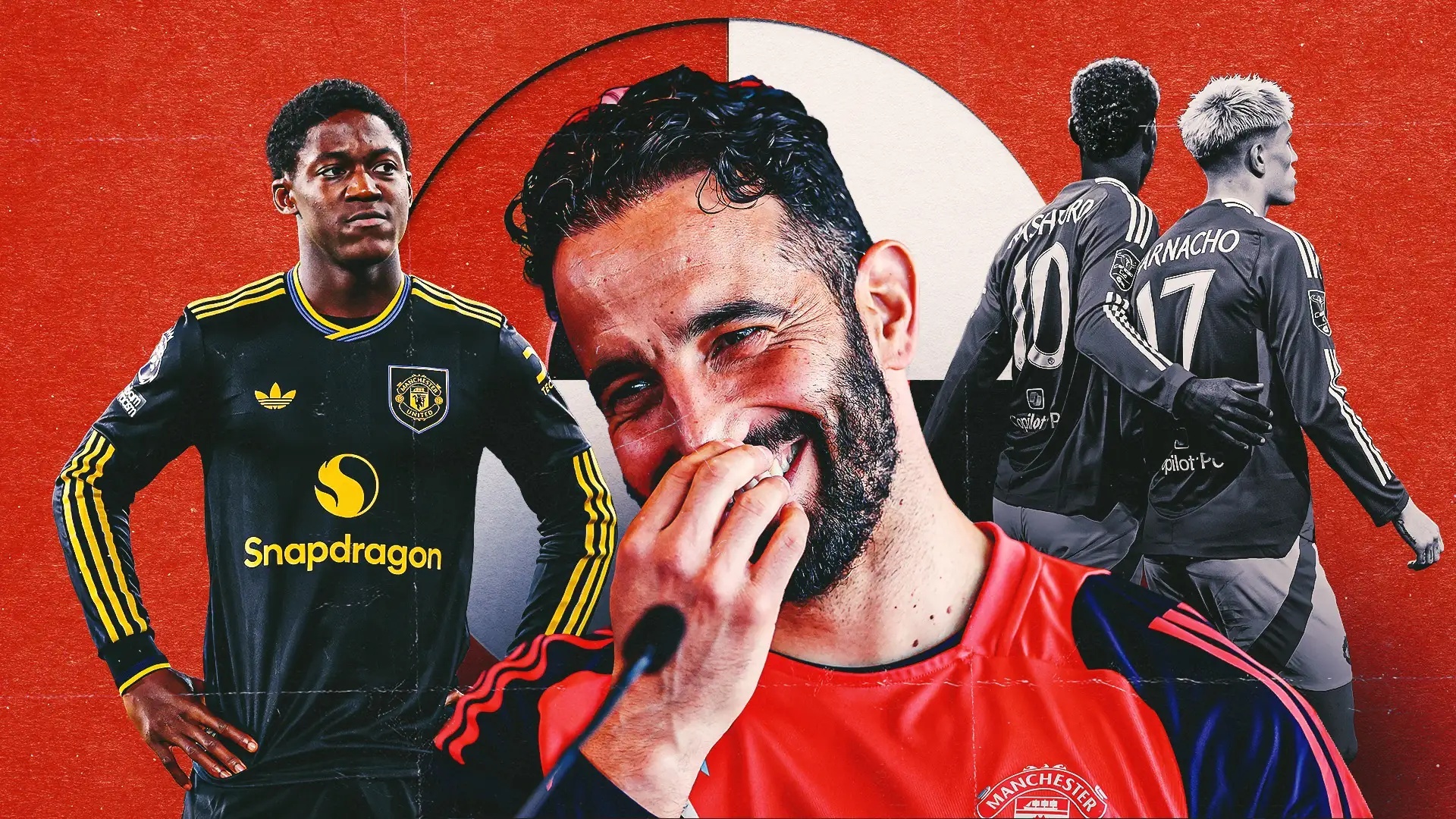
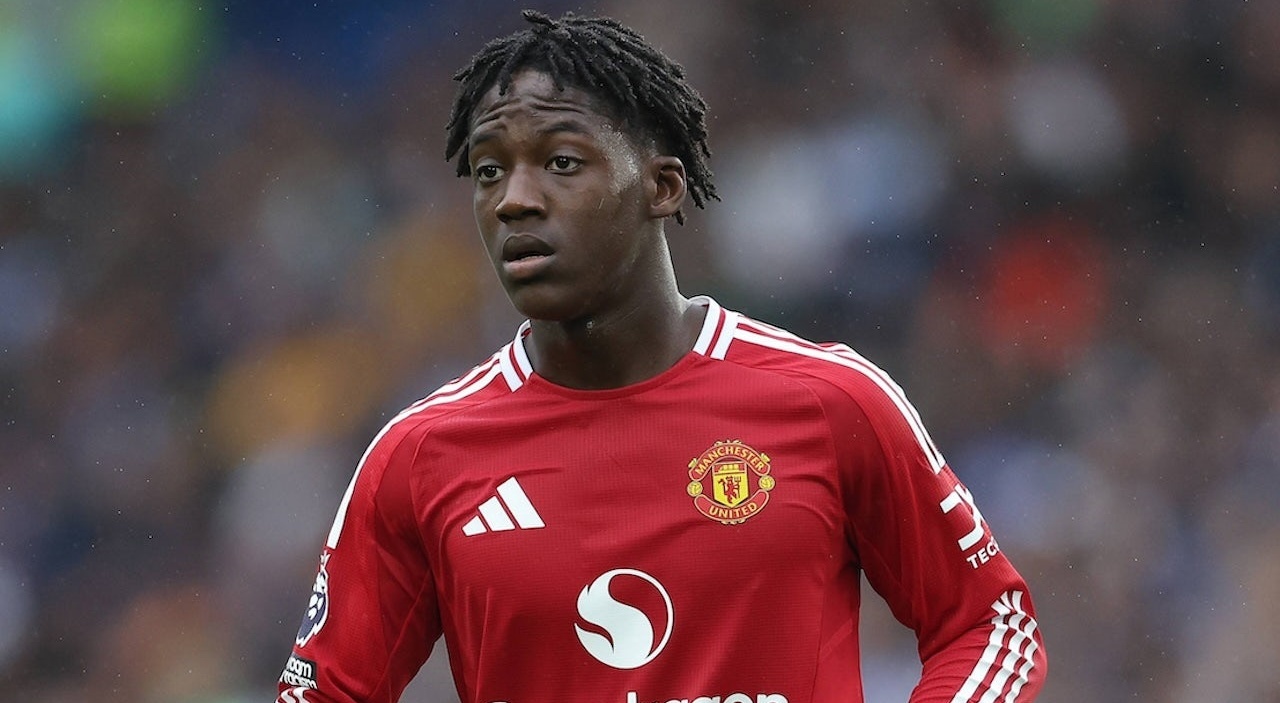
For Ruben Amorim, Kobbie Mainoo's story is not simply about a personal mistake or regret, but reflects the familiar clash between coaching philosophy and the harsh realities of top-level football.
Amorim never denied Mainoo's potential. A midfielder who came through the Manchester United academy, he played with maturity beyond his years, possessed good spatial awareness, and had neat technique. These were qualities that would be hard for any manager to ignore.
However, football under Amorim's vision always prioritized the system over the individual. When he brought his high-intensity 3-4-3 philosophy to Old Trafford, the role of the central midfielder became particularly demanding.
This position not only involves controlling the tempo and distributing the ball, but also covering a wide area, withstanding intense pressing, and maintaining a constant level of activity. At that time, Mainoo was seen as a talent on the path to development, rather than a ready-to-carry link to shoulder all tactical demands.
 |
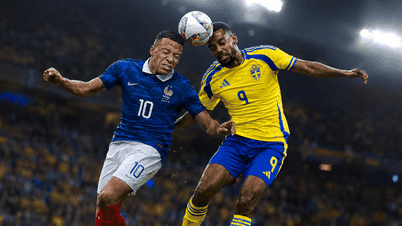
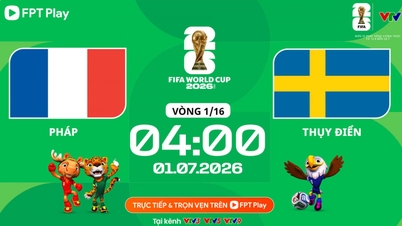
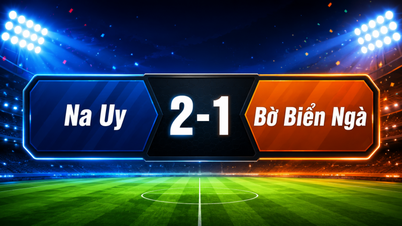
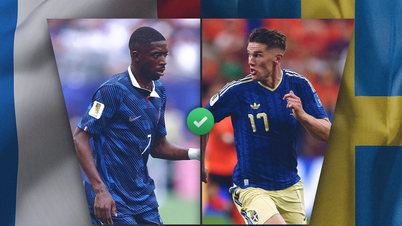
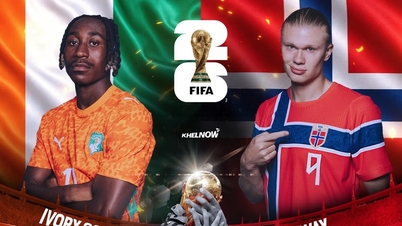
The Mainoo story can be seen as a mismatch in time. You may also like  Ivory Coast vs Norway 0-1 (Half-time): Ivory Coast faces difficultiesTPO - Ivory Coast is trying to push forward in attack to find an equalizer. However, Norway is still playing very focused, blocking most of the opponent's attacks.  France vs Sweden (4 hours): Anticipating a fiery clash.Tuổi Trẻ will be live streaming the match between France and Sweden in the Round of 32 of the 2026 World Cup at 4 AM on July 1st. We invite our readers to tune in.  England and the Democratic Republic of Congo are on the verge of reaching the quarter-finals of the 2026 World Cup.At 11 PM on July 1st, Vietnam time, the Mercedes-Benz Stadium (USA) will host the Round of 16 clash between England and the Democratic Republic of Congo. The match will be a direct test of the European team's ability to control the game and the disciplined defense of the African team. |
But that period of waiting ultimately couldn't withstand the pressure of achieving results, and when the outcome fell short of expectations, Amorim's choice was immediately scrutinized. Mainoo had few opportunities to play, MU declined, and the contrast became even more stark when, under Michael Carrick, the young midfielder quickly blossomed.
This is not surprising, as Mainoo has shown himself to be better suited to a more open environment, where creative roles are prioritized and tactical constraints are loosened. The difference raises questions about the degree of flexibility, but also highlights the inevitable limitations of the coaching profession.
In fact, Amorim's philosophy has been proven successful at Sporting Lisbon. Therefore, he has reason to steadfastly pursue it in order to maintain both the team's identity and long-term direction. Amorim came to MU with the goal of building a team that operates according to the standards he believes in, rather than optimizing individual cases.
Therefore, Mainoo's story can be seen as a mismatch in timing rather than a pure mistake. A young player, a new system, and a club with a lot of upheaval rarely click immediately. Mainoo's current success is a positive sign for MU, but for Amorim, football doesn't have just one right path.
Amorim's failure reflects a familiar reality of top-level football. Right or wrong sometimes lies not in the initial choice, but in the result and the moment created. In other words, the value of a decision is measured only by its outcome, not by the intention behind it.



Source: https://znews.vn/bong-da-chon-mainoo-khong-cho-amorim-post1626038.html




![[Photo] Strengthening character and expertise: Intense training for artillery soldiers.](https://vphoto.vietnam.vn/thumb/1200x675/vietnam/resource/IMAGE/2026/06/30/1782815602541_lu-368-1875-4571-jpg.webp)