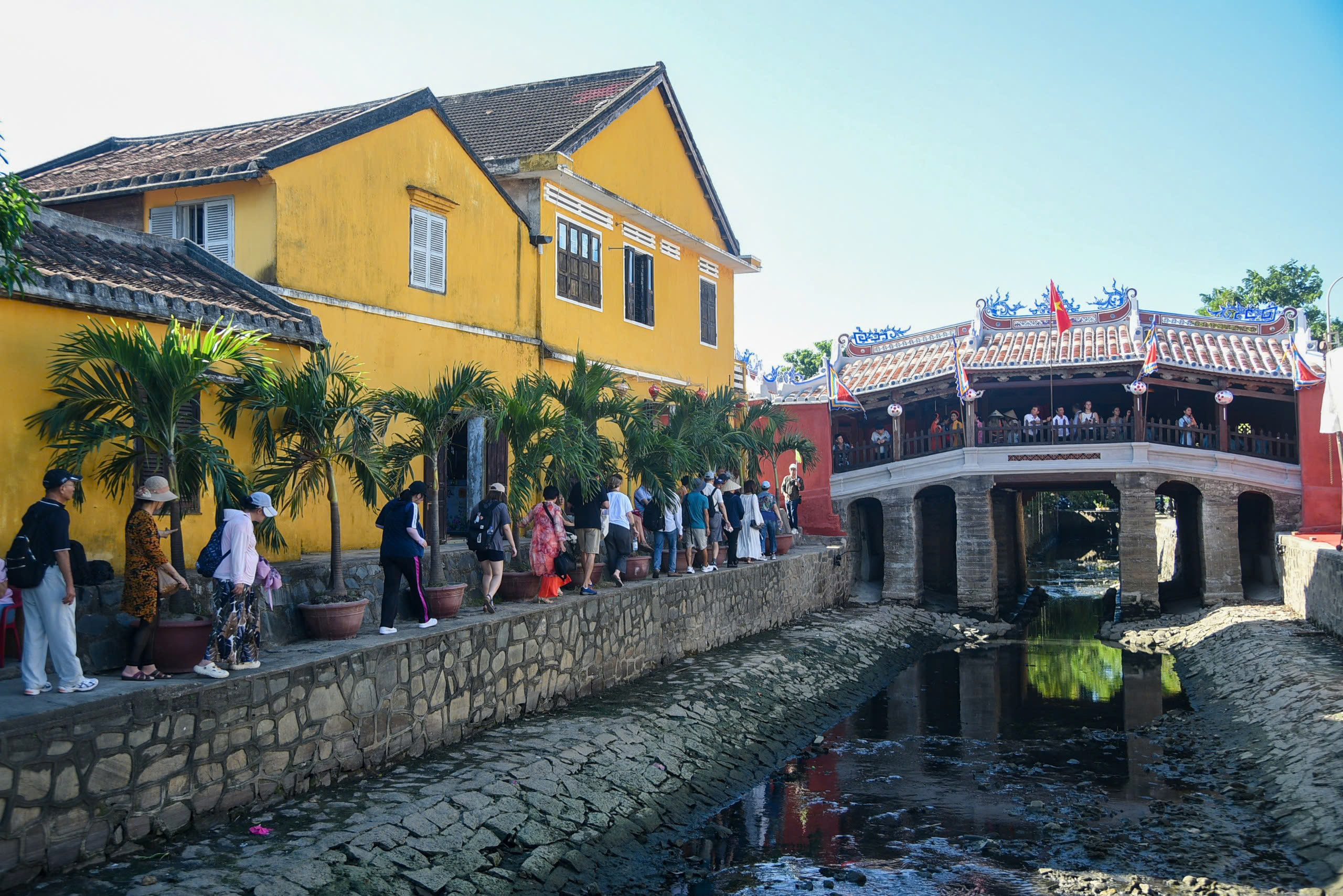
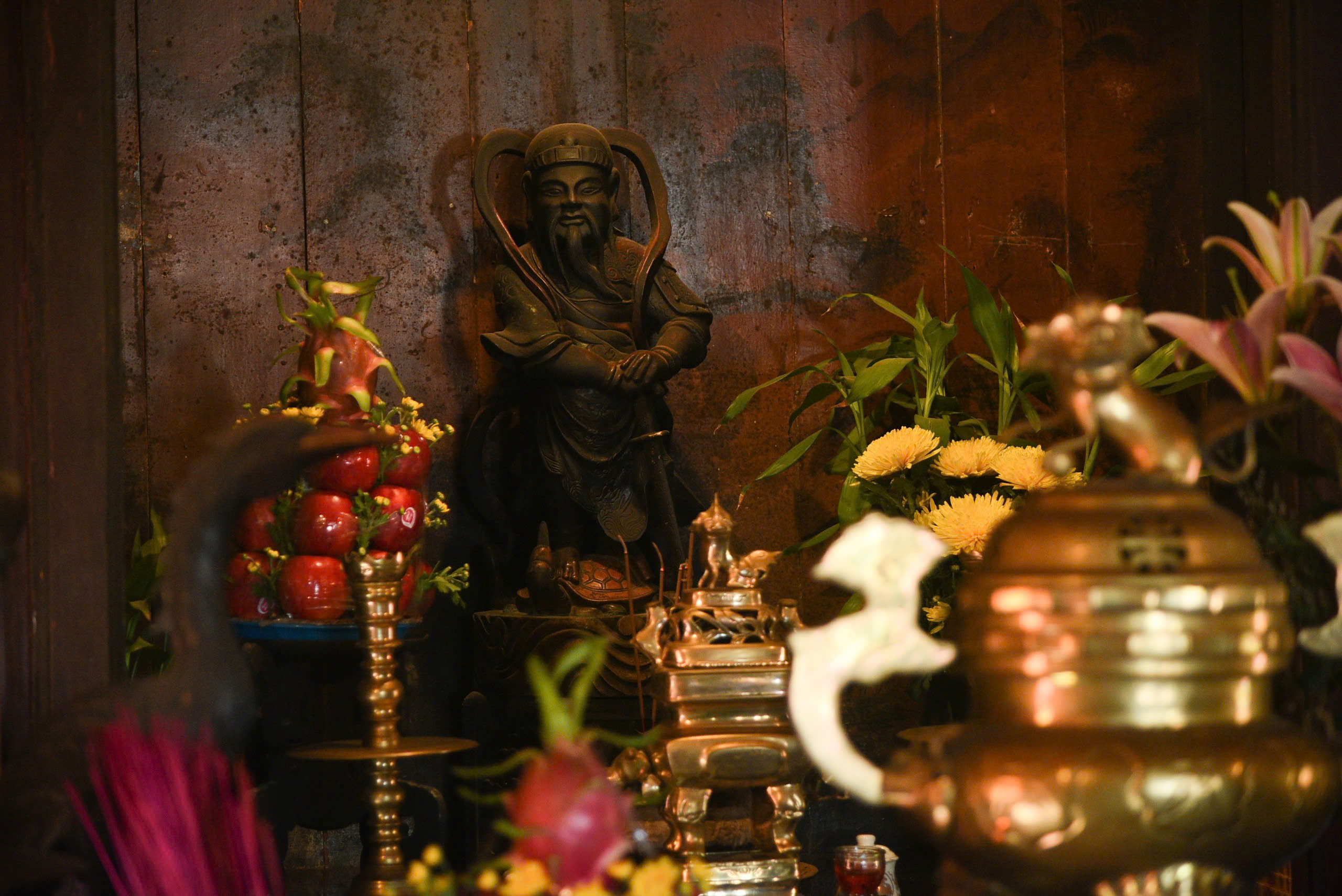
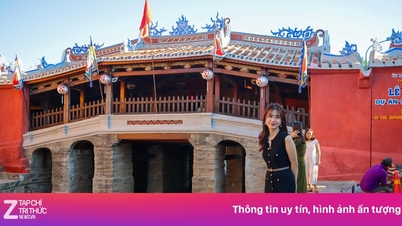
The Japanese Bridge in Hoi An is located in the ancient town of Hoi An in Quang Nam province. It is also known as the Lai Vien Bridge or Lai Vien Bridge. Built in the 17th century by several Japanese merchants who pooled their money, it is called the Japanese Bridge. According to ancient legend, the Japanese Bridge is a sword piercing the back of the Namazu monster to stop it from wagging its tail and prevent earthquakes.
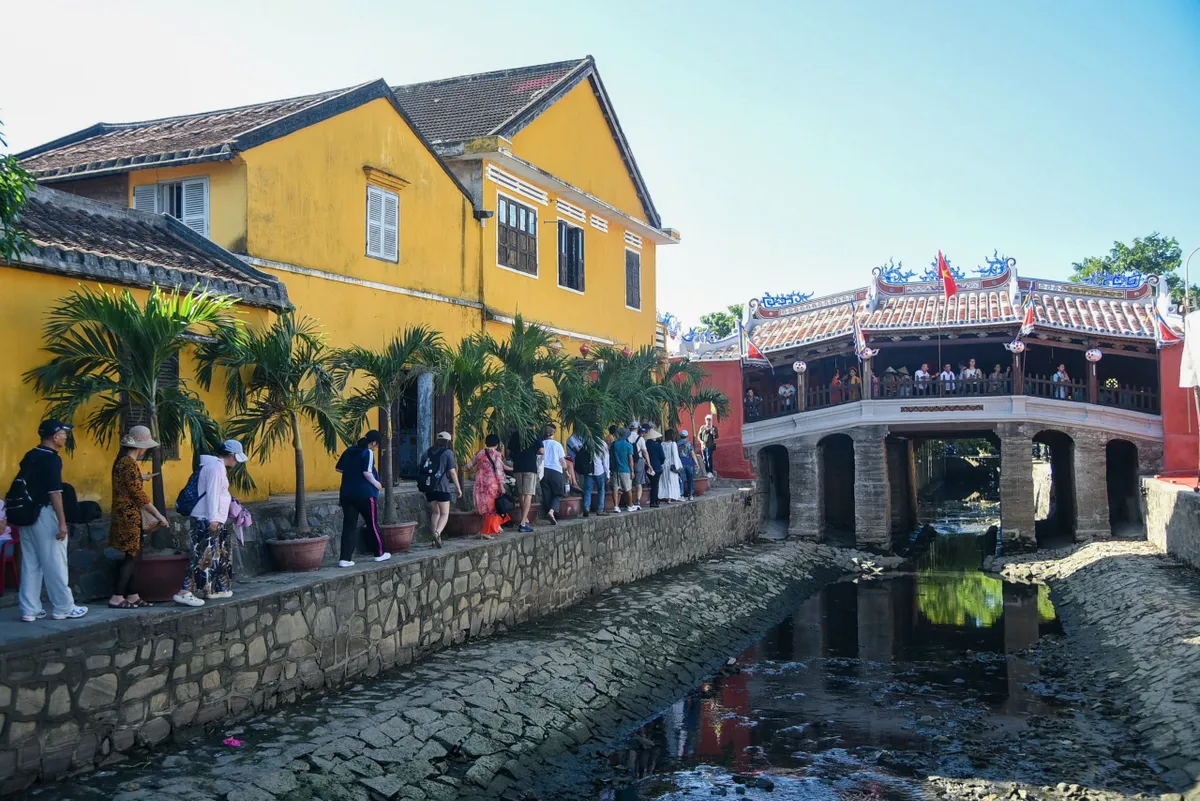
Later, the Bridge Pagoda was expanded, with an extension connecting to the northern railing and protruding into the middle of the bridge. This is how the name Hoi An Bridge Pagoda came about! In 1719, Lord Nguyen Phuc Chu visited Hoi An and named the bridge Lai Vien Kieu, meaning "Bridge welcoming guests from afar." In 1817, 1865, 1915, and 1986, the pagoda was renovated, replacing the Japanese architecture with a design heavily influenced by Vietnamese and Chinese styles. On February 17, 1990, Hoi An Bridge Pagoda was recognized as a National Historical and Cultural Monument.
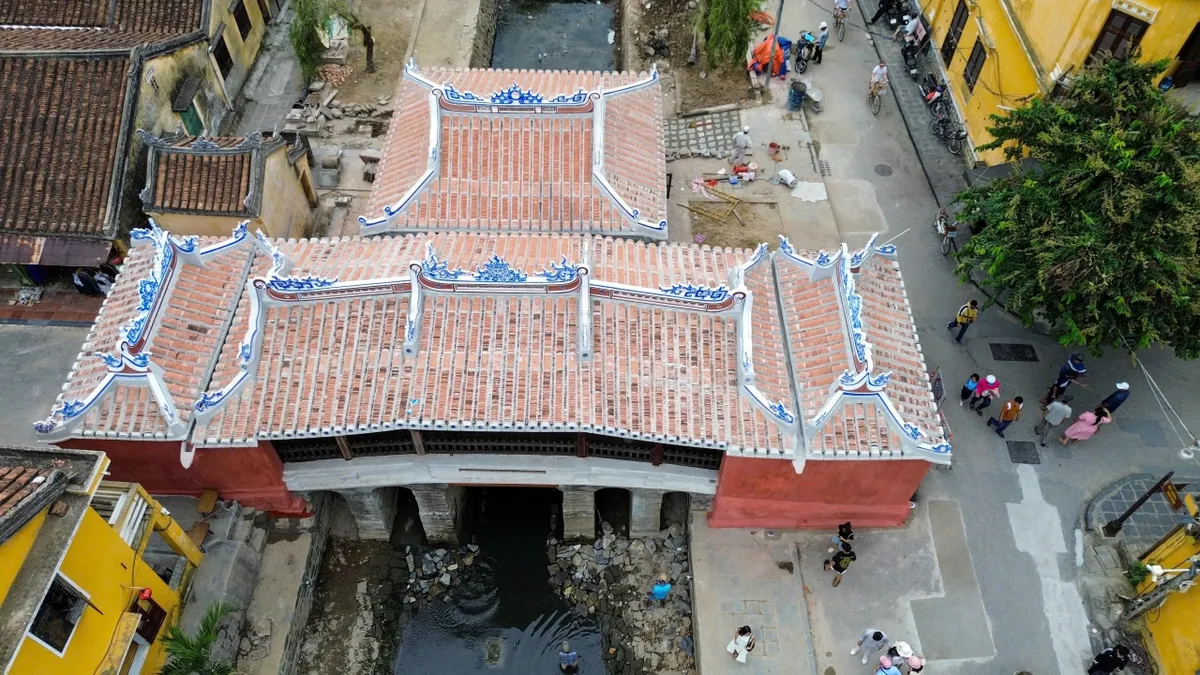
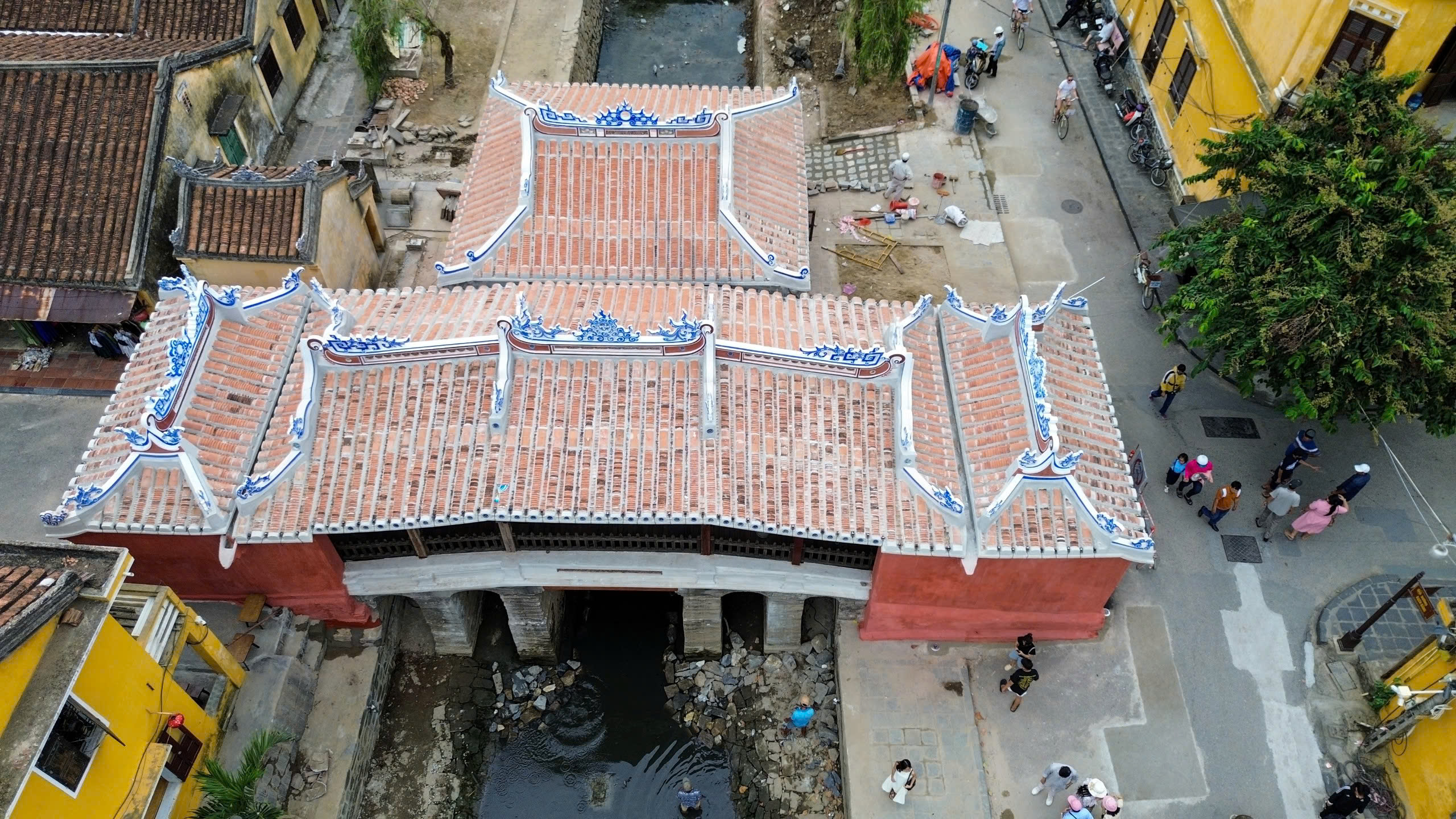
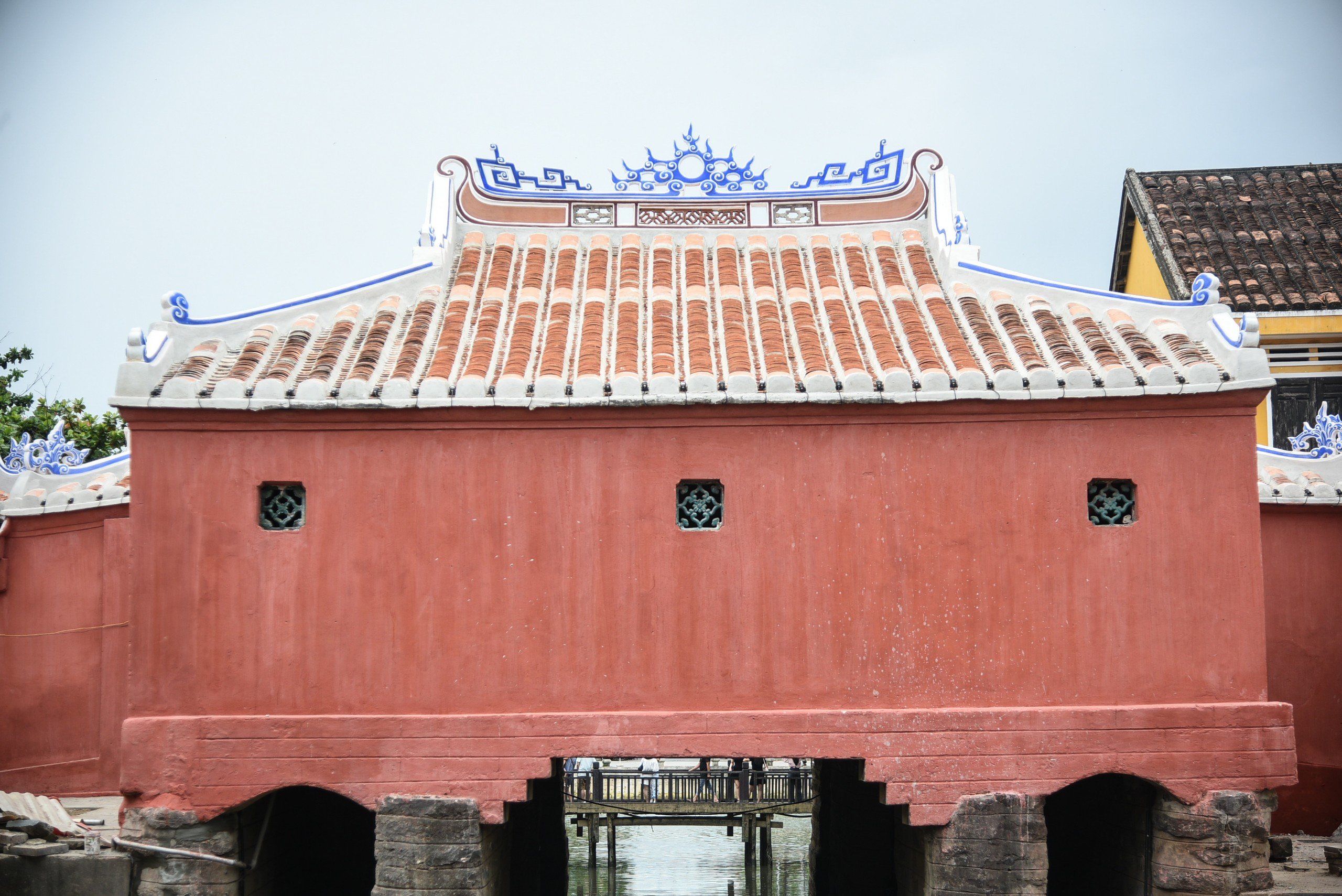
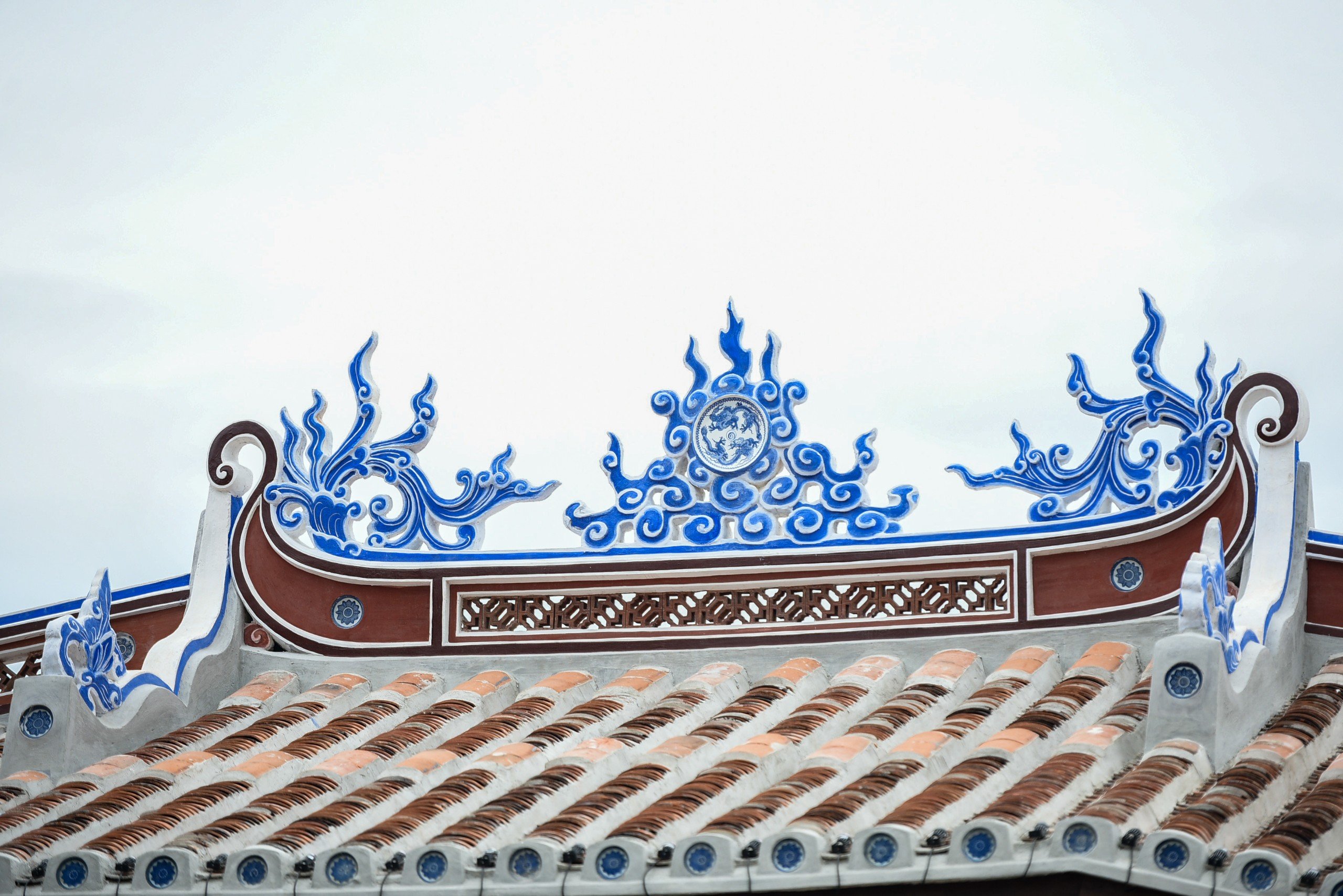
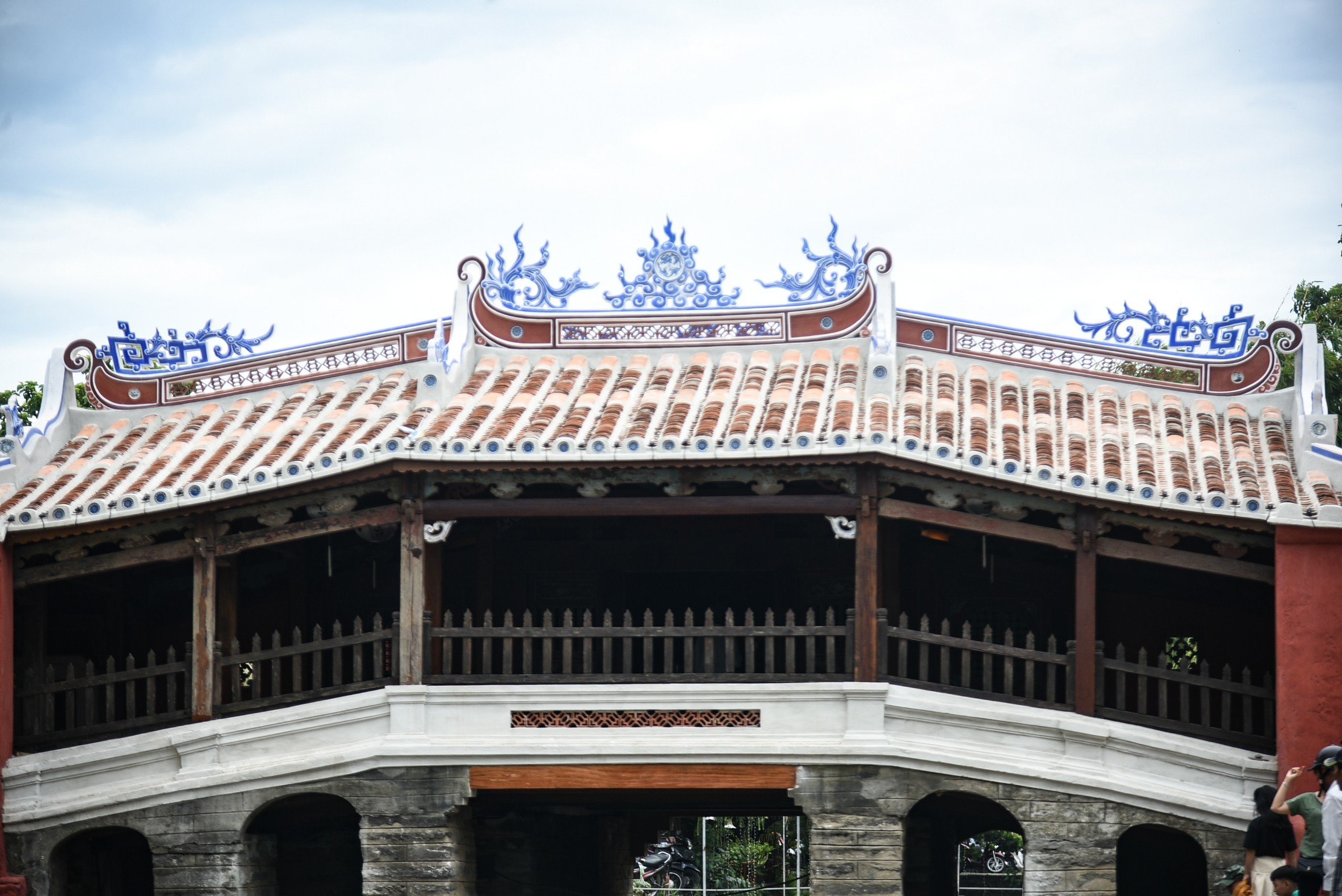
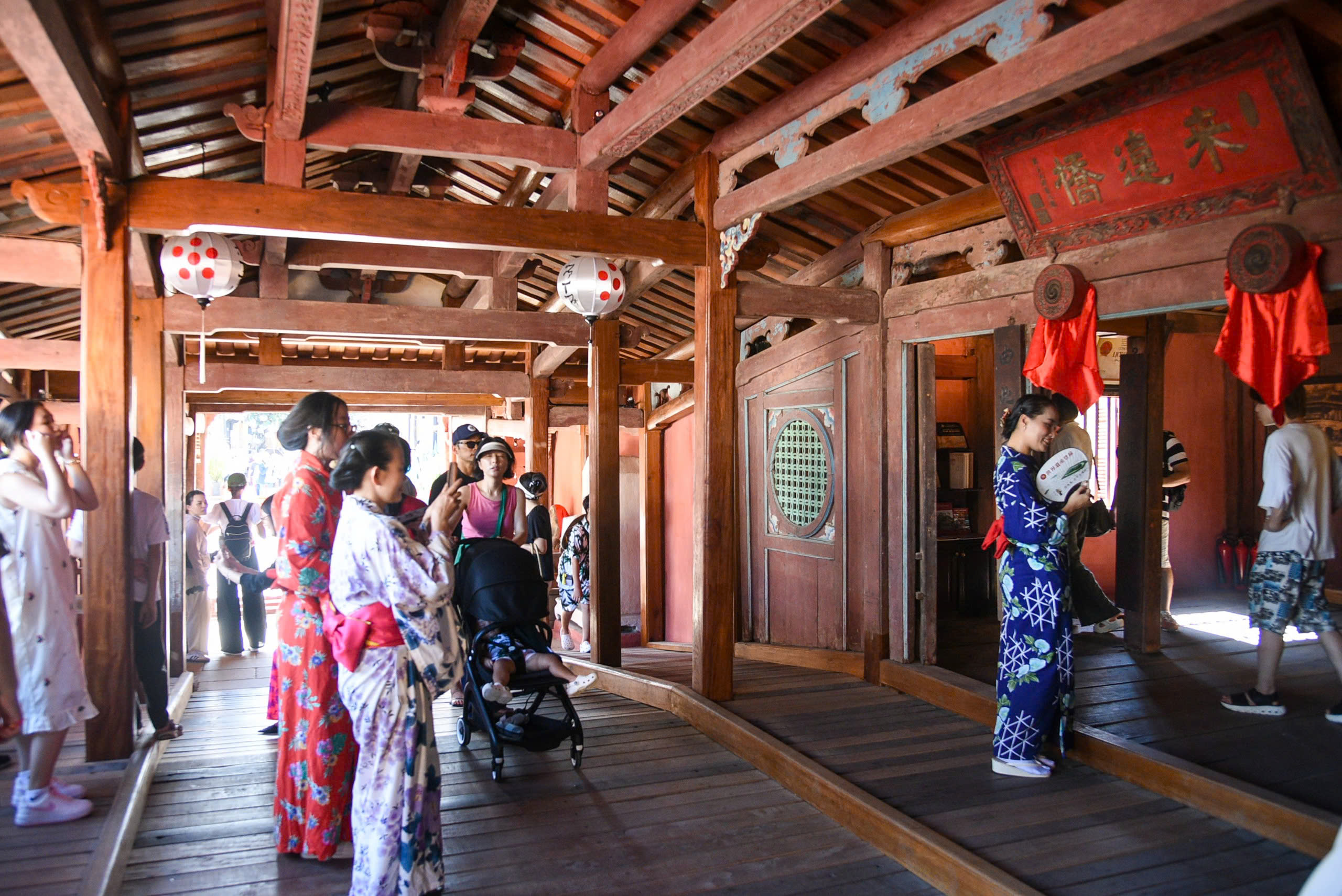
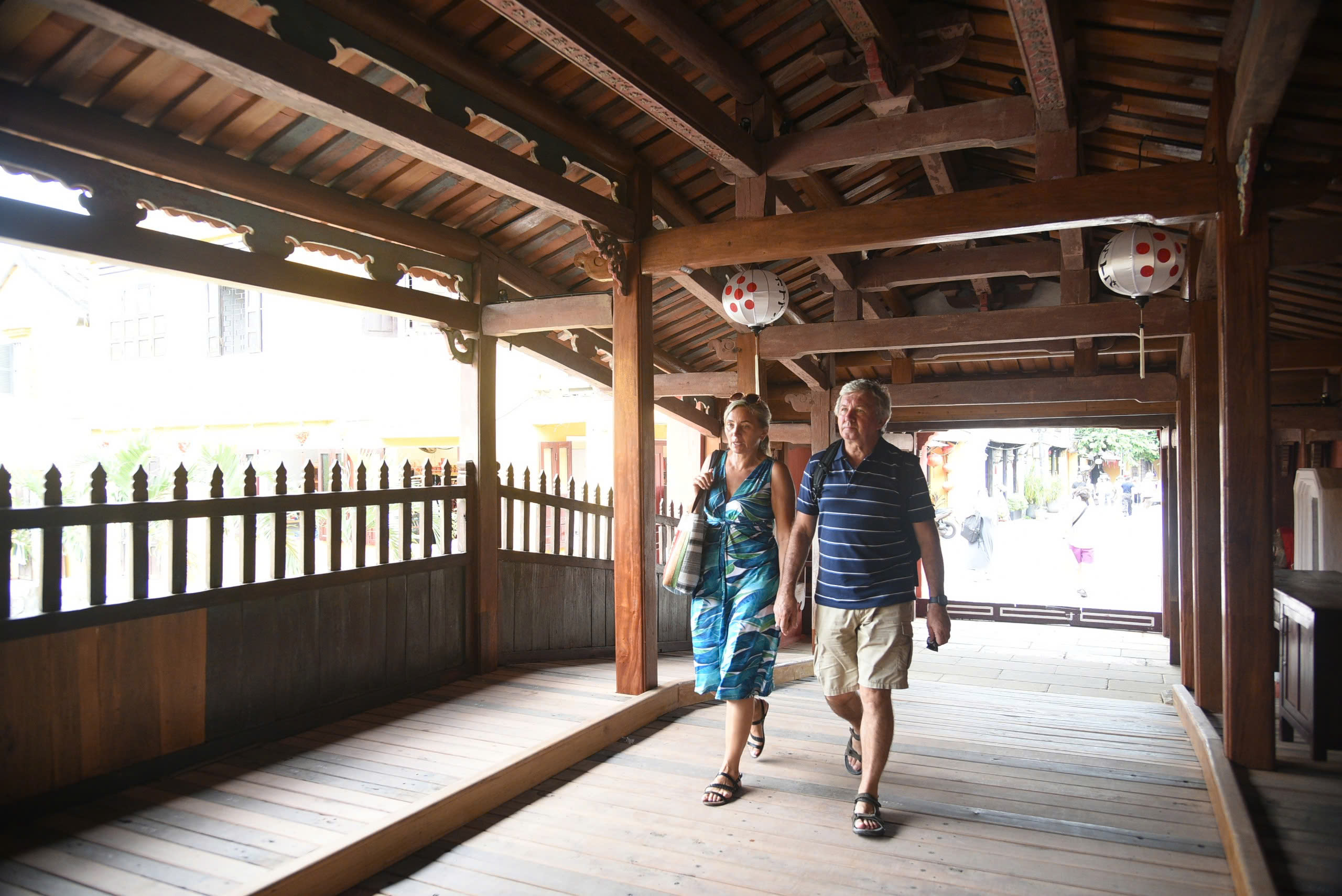
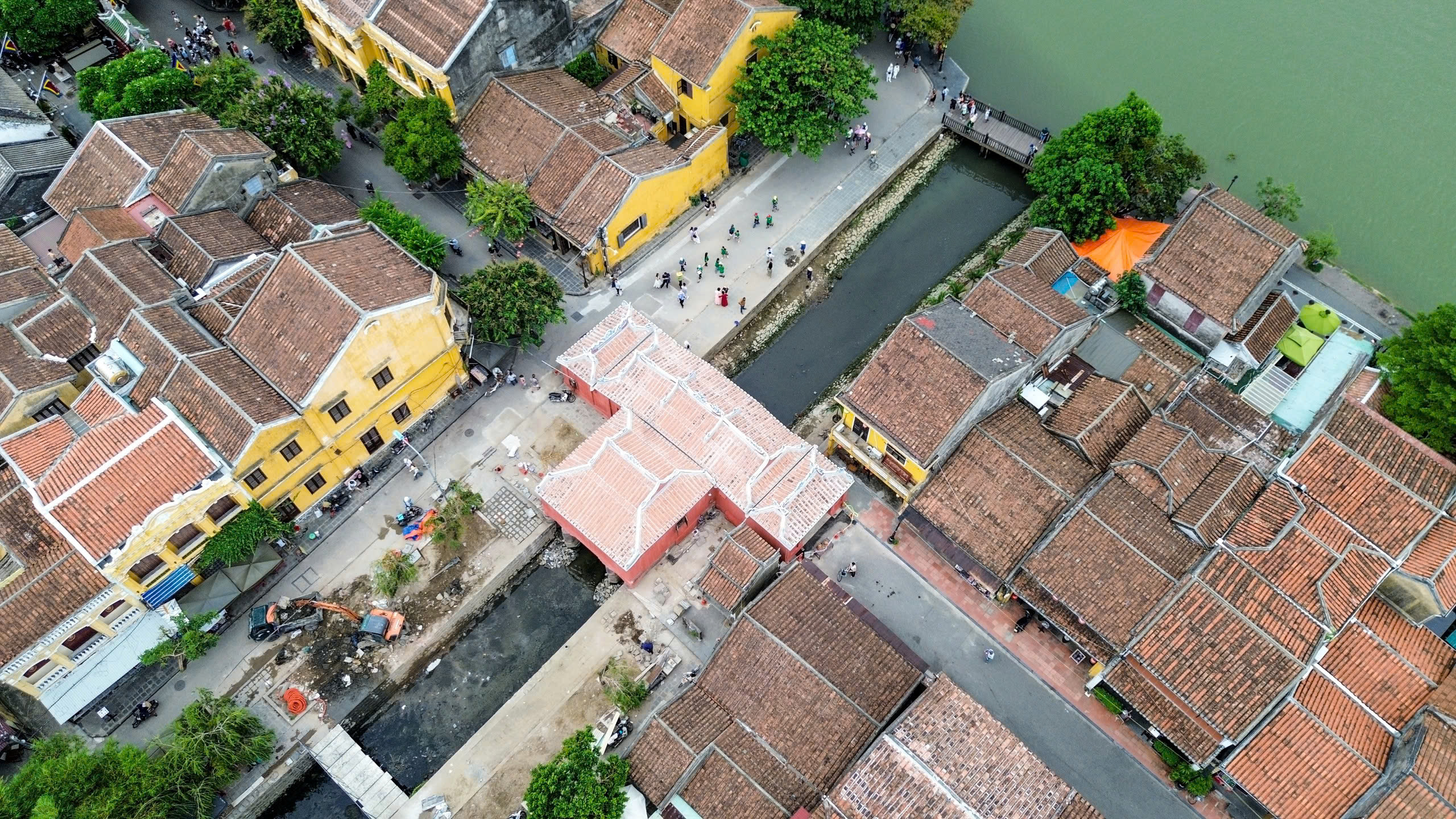
The appearance of the Bridge Pagoda after restoration.
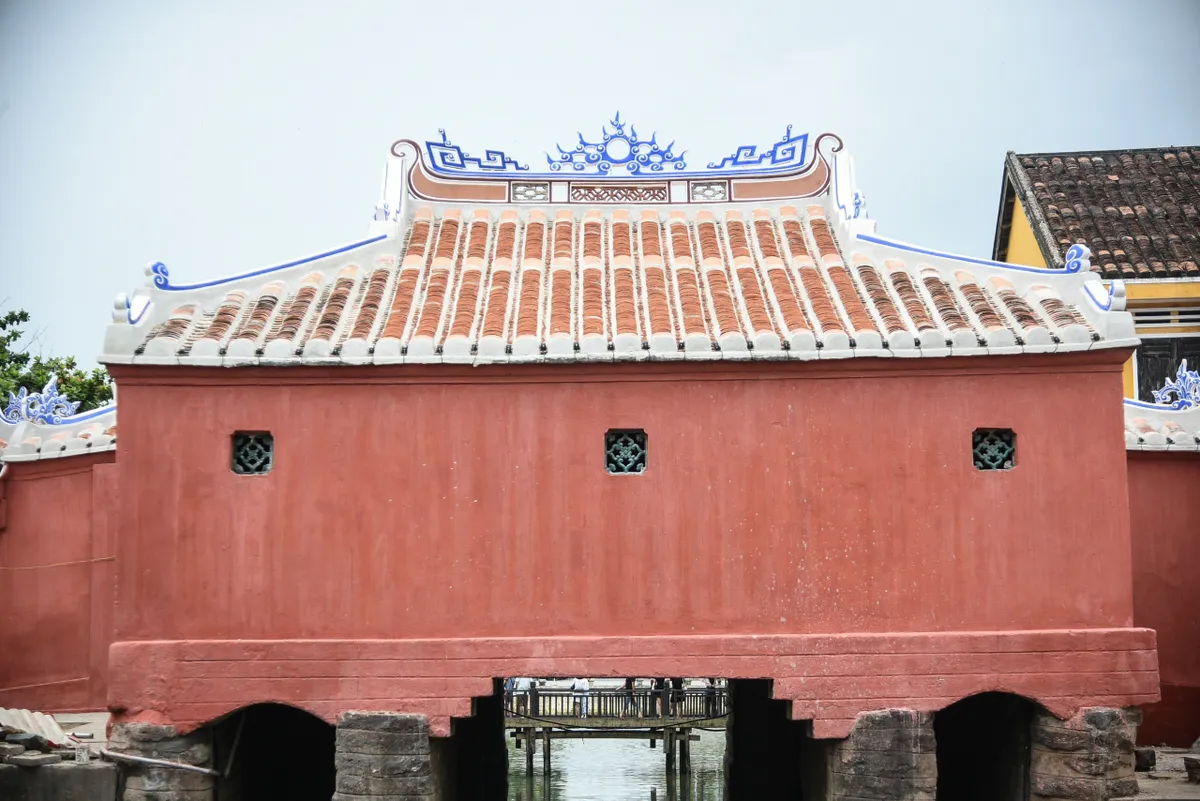
The Japanese Bridge (Chua Cau) was approved for restoration by the Hoi An City People's Committee on December 28, 2022, with a budget of over 20 billion VND. Prior to this, the monument had undergone seven restorations. In 2022, the structure deteriorated severely, with cracks and subsidence in the bridge abutments and piers, and damage to many columns and trusses. The restoration process lasted more than a year longer than planned due to ongoing debates about whether the bridge deck should be "curved or straight" and related structural elements such as beams and trusses, forcing the Center to temporarily halt restoration work for further research.
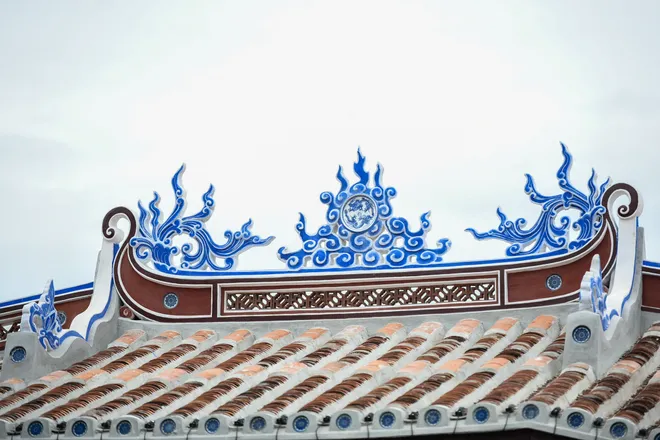
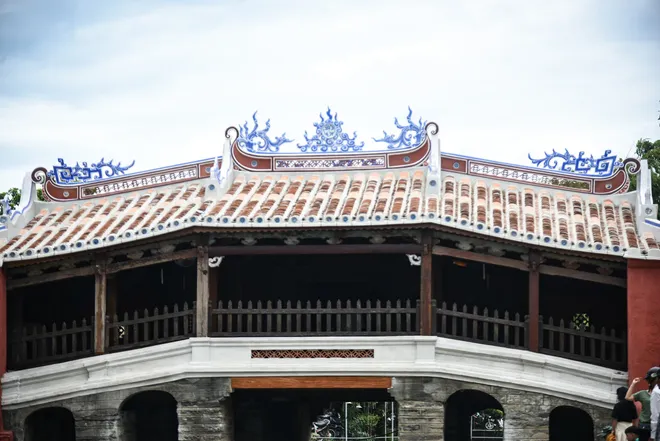

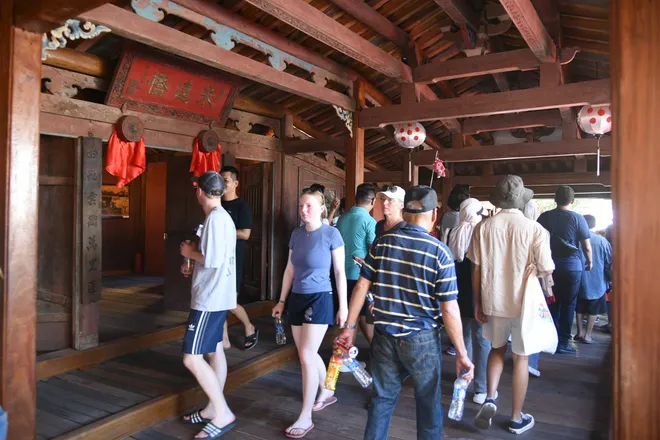
After two years of restoration, the Bridge Pagoda relic has completed its main constructions and reopened to visitors on August 3, 1024.
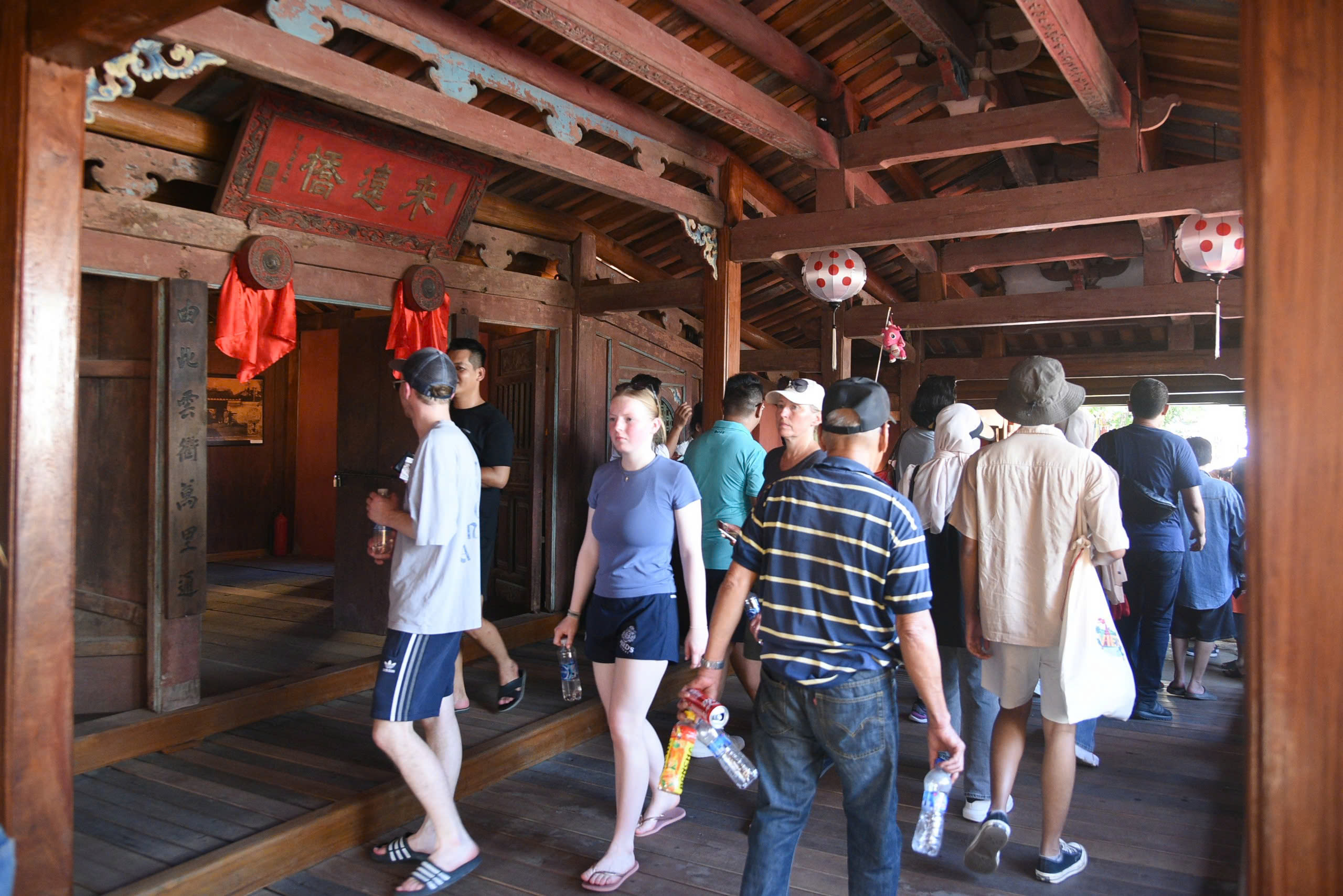
The Japanese Bridge (Chua Cau) is a top-valued architectural and cultural heritage site in Hoi An, considered a symbol of the ancient town, and is now a popular tourist destination. With the completion of its restoration and reopening to visitors, the Japanese Bridge and Hoi An will have more convenient access to attractions, offering more experiences and contributing to the development of local tourism, according to the Hoi An Cultural Heritage Conservation Management Center.
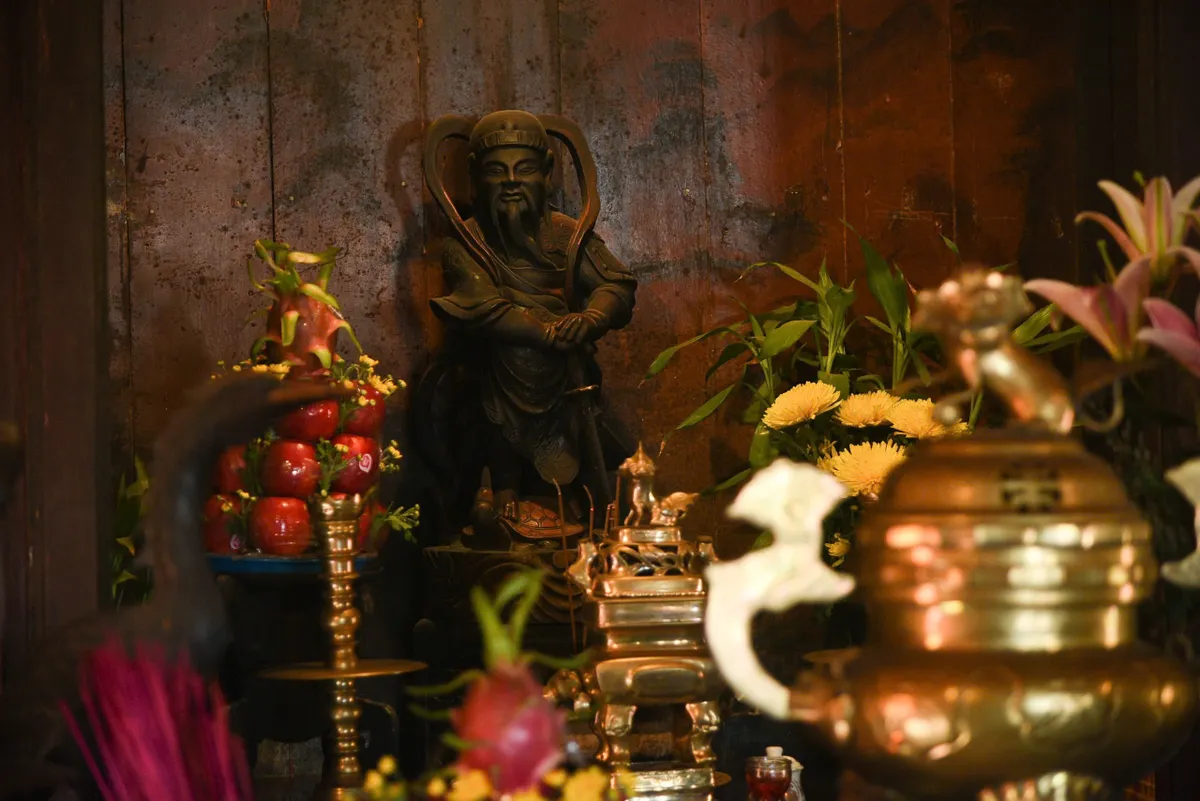
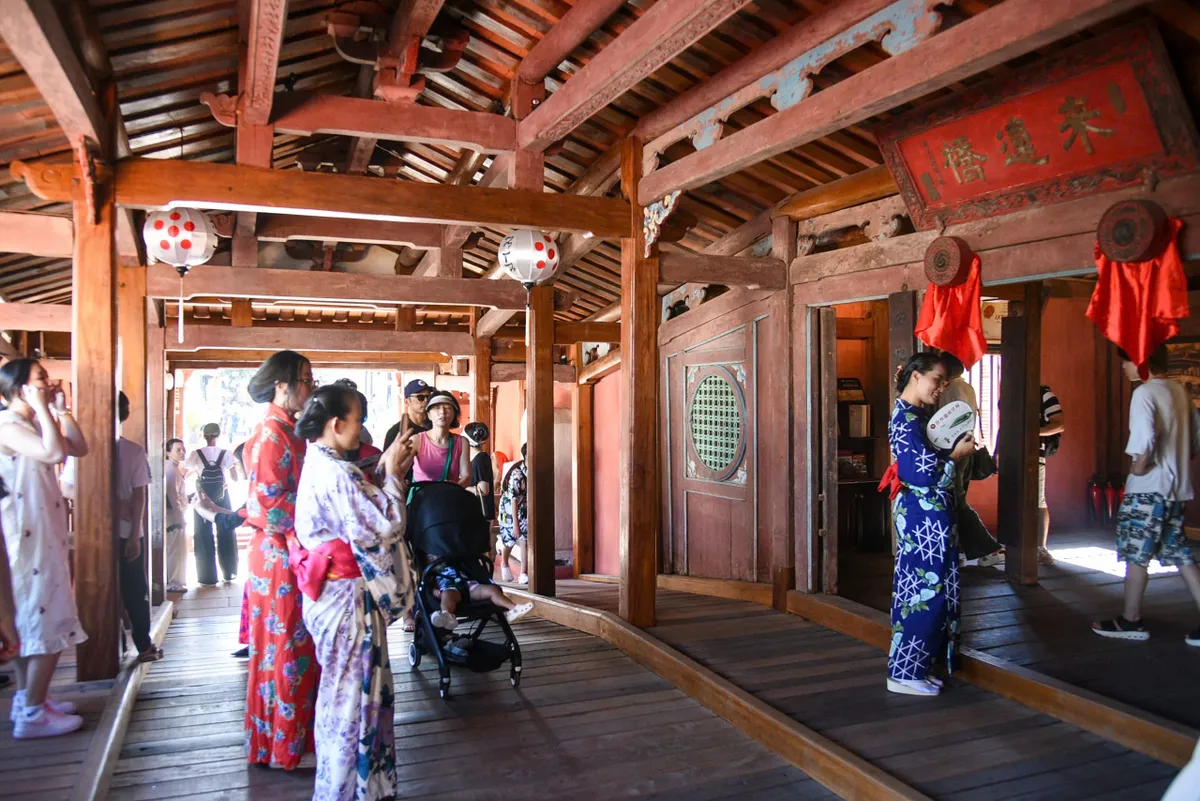
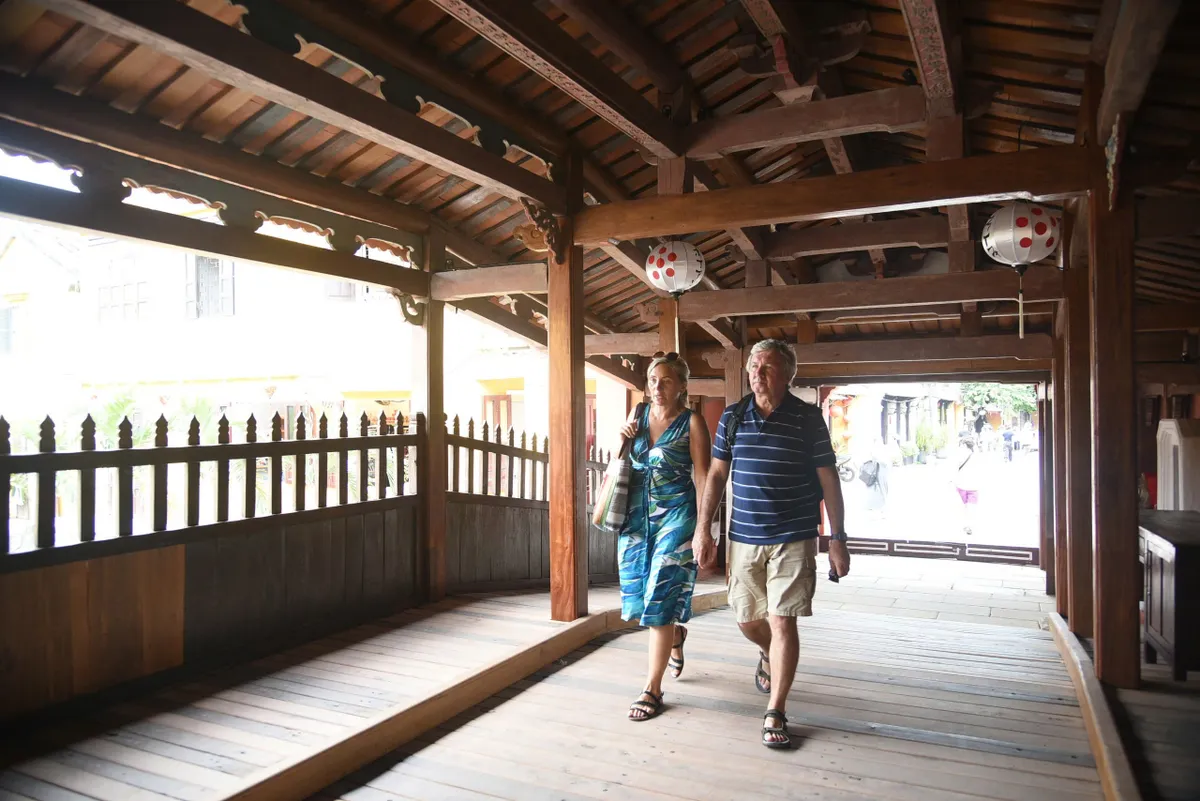
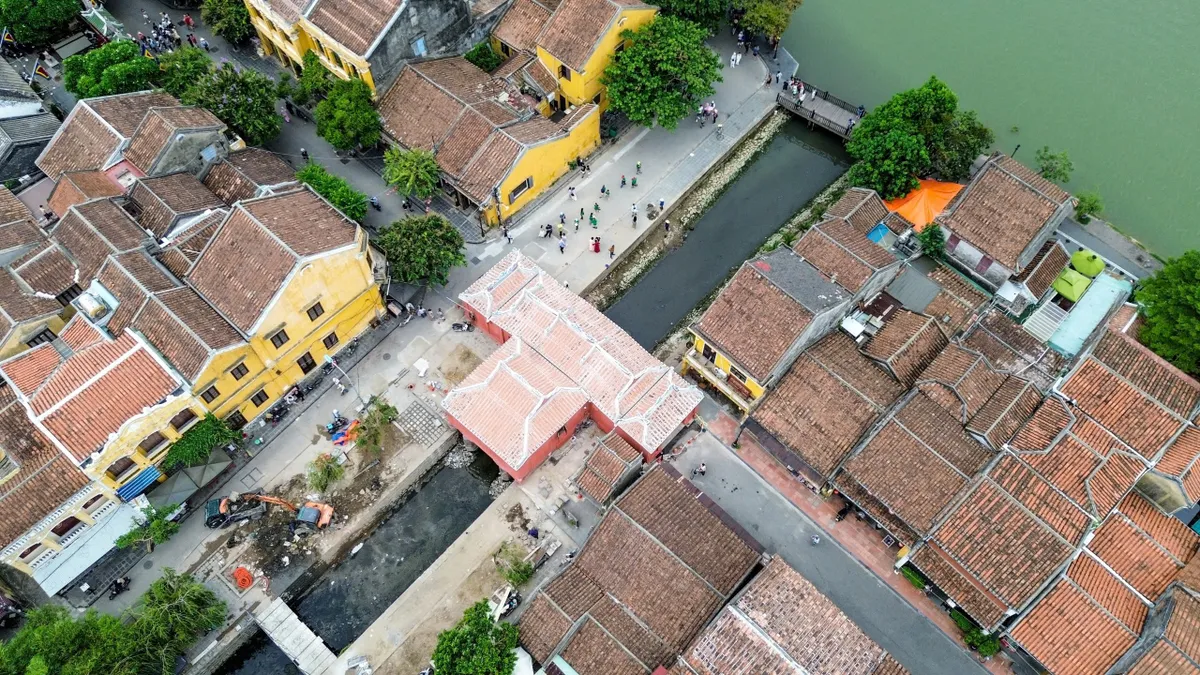
With over 400 years of history, the Japanese Bridge has become a symbol of the ancient town, contributing to making Hoi An worthy of being a World Cultural Heritage site. The Japanese Bridge was recognized as a National Historical and Cultural Monument in 1990. The image of the Japanese Bridge is printed on the current 20,000 dong polymer banknote of Vietnam.
Source: https://vtv.vn/doi-song/kham-pha-chua-cau-hoi-an-20240830065011593.htm













































![[Video] Sunset at Lap An Lagoon – Where the sun sets over the fishing nets](https://vphoto.vietnam.vn/thumb/1200x675/vietnam/resource/IMAGE/2026/05/31/1780192137701_beach-landscape-sea-water-nature-grass-745871-pxhere-com.jpeg)
































Comment (0)