

 |
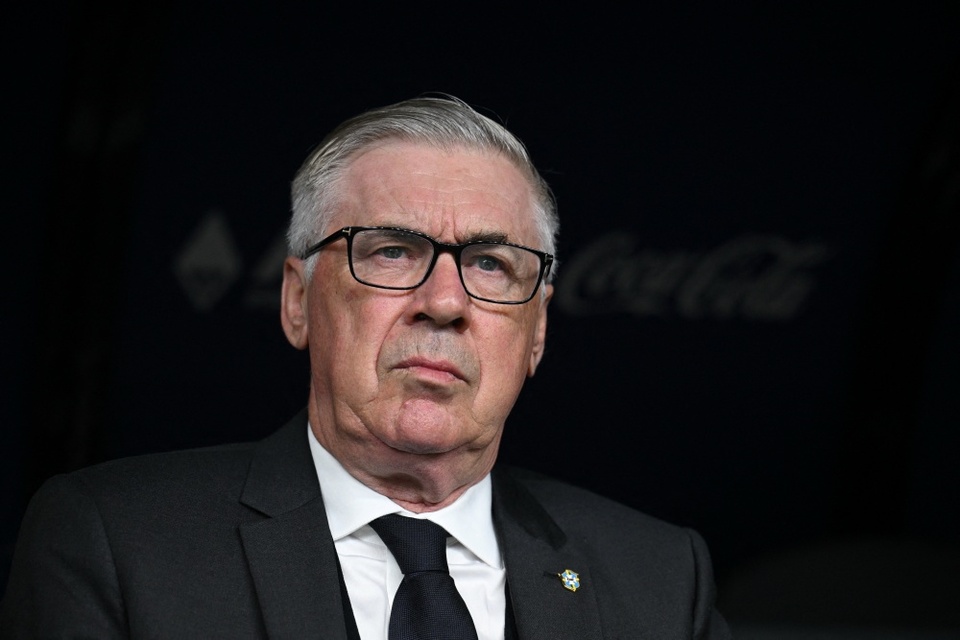
Carlo Ancelotti helped Brazil break the deadlock with crucial adjustments after halftime. |
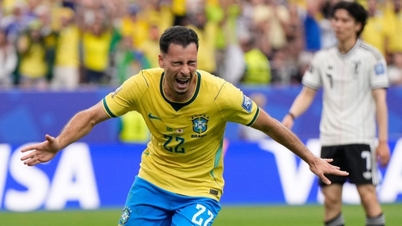
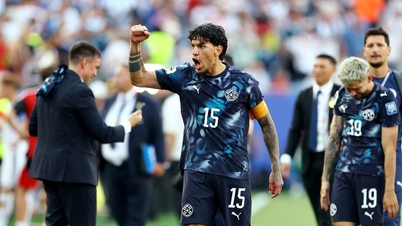
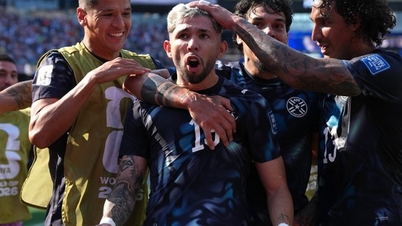
Brazil beat Japan 2-1 in the early hours of June 30th, but this wasn't a victory that brought back the familiar glory of the Selecao. Carlo Ancelotti's team advanced after a hard-fought match, where they fell behind, were bogged down, and only escaped defeat thanks to their resilience and timely adjustments.
Japan exposes Brazil.
Javier Sillés of AS called this "a Brazil that has gone against its nature." That assessment is not an exaggeration. The current Brazil no longer overcomes opponents with flair, technique, and inspiration in tight spaces. They play more pragmatically, react more, rely on Vinicius, and look to the experience of Ancelotti.
The victory against Japan exposed many limitations. Brazil lacked fluidity in their ball distribution, lacked ideas when facing low defensive blocks, and lacked players capable of unlocking the game in midfield. Danilo and Douglas Santos failed to create breakthroughs on the flanks. Casemiro remains a valuable asset, but he is no longer fit enough to dominate at high intensity. Paqueta lacked creativity. Rayan and Cunha are not yet consistent enough to share the burden with Vinicius.
Therefore, Brazil had to choose a different path. Not beautiful, but effective. They simplified their play: moving the ball to the flanks, attacking the penalty area, crossing, and using physicality to apply pressure. When they couldn't break through Japan with short passes, Brazil drew their opponents into a more sustained battle.
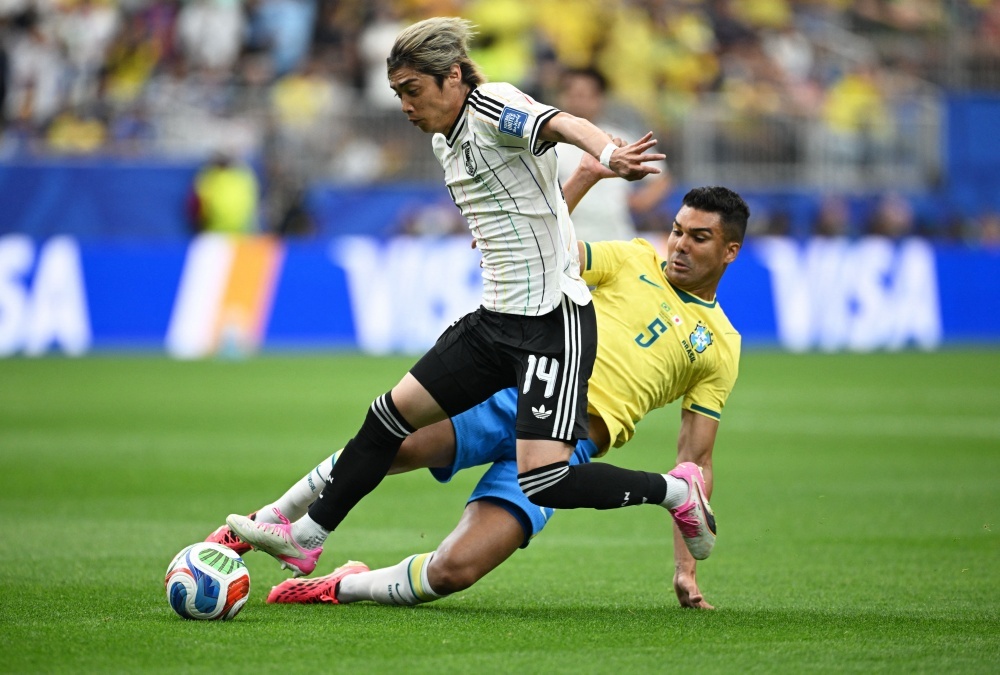 |
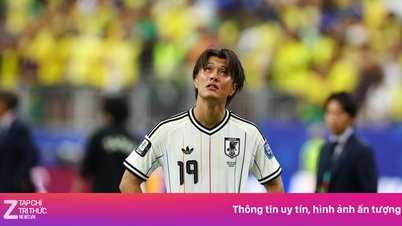
Japan is the team that has exposed the most problems for Brazil since the start of the tournament. They didn't win, but for much of the match they showed why Japanese football has come so close to the top group.
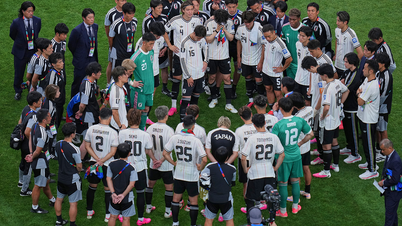
Coach Hajime Moriyasu deployed a sensible 5-4-1 system, maintaining tight spacing and shutting down any areas Brazil wanted to exploit. Japan avoided the defensive mistakes made by Haiti or Scotland. They understood Brazil's intentions, knew how dangerous Vinicius was, and minimized their opponent's transitions.
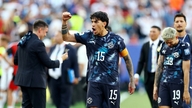
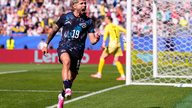
Japan's strengths weren't limited to defense. In the first half, they confidently controlled possession, drawing Brazil deep at times. Ito provided energy on the right flank. Sano controlled the midfield. Kamada added creativity. Maeda applied constant pressure. Ueda was strong enough to challenge top-class center-backs.
The opening goal was a well-deserved reward for Japan. It came from a disciplined first half, demonstrating patience and knowing when to accelerate.
But Japan couldn't maintain their boldness after the break. As Brazil increased the pressure, they dropped deeper, their counter-attacks became less incisive, and the game slipped into their opponent's hands. A team aiming to beat Brazil in a World Cup knockout can't just play well for one half.
That remains Japan's familiar limitation in major tournaments. They can make strong opponents struggle, but lack the ruthlessness to finish the game when the opportunity arises.
Ancelotti pulls Brazil out of a deadlock.
The difference lies in Ancelotti. Brazil lacked quality in many moments, but they had a coach experienced enough to know where the game needed fixing.
After the break, Brazil stopped attacking so hastily. They were more patient, calmer, and more flexible in their approach to the Japanese defense. The introductions of Endrick and Martinelli made a clear difference. Brazil added speed, directness, and runs that made the Japanese defense less comfortable than in the first half.
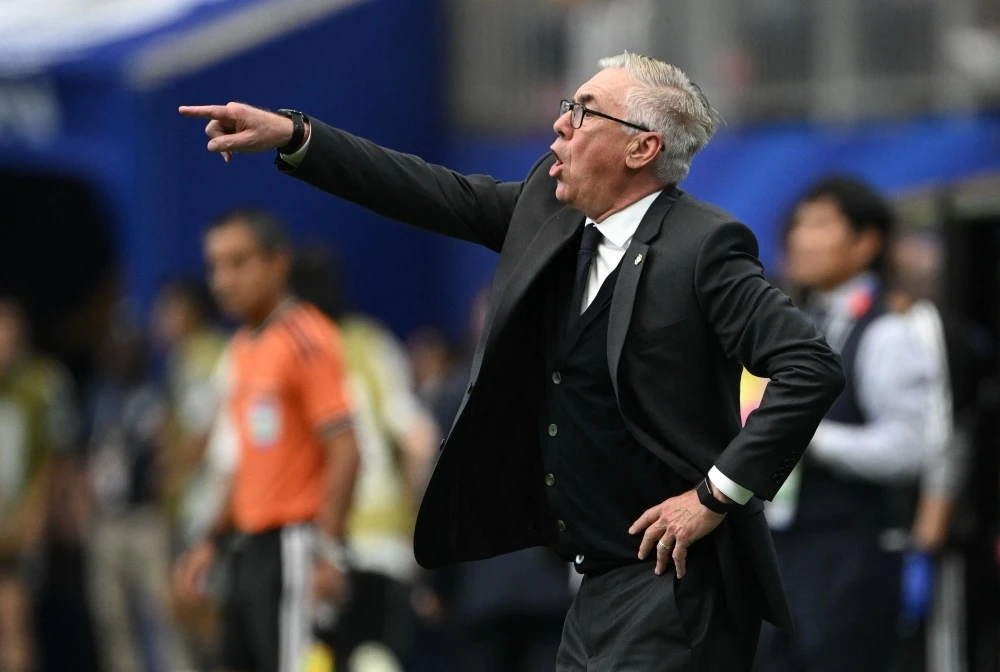 |
Carlo Ancelotti's team advanced after a hard-fought match, where they fell behind, were bogged down, and only escaped defeat thanks to their resilience and timely adjustments. |
Ancelotti also adjusted the roles of the wingers and full-backs. Previously, Brazil lacked clarity in ball control. With the positions swapped more naturally, they stretched Japan better. Crosses, attacks into the penalty area, and constant pressure gradually left Japan with no way out.
The equalizer was a result of pressure. The winning goal at the end of the match was the result of belief and perseverance. Brazil didn't win with classic beauty, but with qualities that have persisted throughout history: a competitive spirit and the ability to survive in critical moments.



Brazil no longer inspires fear in the same way as before. They don't mesmerize, they don't dominate with technique, and they don't create the feeling that every attack could result in a goal. But don't underestimate Brazil. A team with Vinicius, squad depth, Ancelotti, and a winning instinct is still an opponent no one wants to face.
Japan left the tournament with their heads held high. They tormented Brazil, forcing Ancelotti to intervene and making a title contender win with all their experience. But it was Brazil who advanced, because they knew how to overcome a bad game.
That's the difference in top-level football. Some teams play well enough to be remembered. Some teams don't play well but still know how to win. Brazil, on a night when they played against their instincts, belonged to the second group.
Source: https://znews.vn/brazil-thang-trai-ban-nang-post1664474.html


![[Image] A look back at the capital's preparations for the century-long master plan.](https://vphoto.vietnam.vn/thumb/1200x675/vietnam/resource/IMAGE/2026/06/29/1782750453122_quy-hoach-100-nam-minh-duy-1-2118-jpg.webp)
![[Photo] General Secretary and President To Lam works with the Party Committee of the Government on the work of preventing and combating storms, floods, extreme natural disasters and climate change.](https://vphoto.vietnam.vn/thumb/1200x675/vietnam/resource/IMAGE/2026/06/29/1782729441945_a1-bnd-0385-9454-jpg.webp)