

Duc Ngo
As the saying goes, "Once infected with the passion for travel , there's no cure." Surely, for those who love to travel, everyone dreams of setting foot in a special place. And so do I; the sacred land of Tibet is a place I've always longed to visit at least once in my lifetime.

As my flight from Kunming descended in preparation for landing in Lhasa, the magnificent landscape of snow-capped mountains unfolded before my eyes. A vibrant blend of colors mingled: the white of the snow, the green of the grasslands, and glimpses of turquoise lakes hidden beneath swirling white clouds. Everyone gasped and gazed out the window at the wondrous beauty of nature until the plane touched down on the runway.
Lhasa was far more beautiful than I had imagined. The road from the airport to the center of Lhasa was winding, sometimes straight, sometimes crossing rivers, and sometimes meandering through mountain ranges, captivating my attention.
The weather here is very unpredictable, with huge temperature differences between day and night. It's bitterly cold at night, even during the day when the sun is blazing. The feeling of breathlessness due to the thin air and intense solar radiation forced me to learn to breathe deeply and slowly. Each breath, each step, was a reminder of my own insignificance before Mother Nature. In Tibet, you can't rush; there's no hustle and bustle, only the rhythm of nature. That's when you begin to truly "feel" this land.

Touching the sacred realm
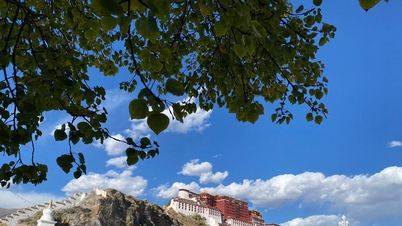
When mentioning Tibet, one cannot overlook the palaces and monasteries that bear the distinct mark of Tibetan Buddhism. Throughout my journey, I visited many places: Potala, Drepung, Sera, Drigung, Samye, Tashilhunpo, Norbulingka, Jokhang, Yerpa… Each palace and temple has its own unique character, but they all share commonalities in architecture and culture. Inside the palaces, there is a distinctive scent, a blend of various aromas: the musty smell of centuries-old walls, the scent of yak fat, or the mysterious sweetness of Tibetan incense. This special scent brings a sense of tranquility and warmth, making one forget fatigue. Steps become lighter, breathing becomes even and slow, as if soothed by the enveloping silence.
My trip was fortunate because it coincided with the Thangka Festival at Tashilhunpo Monastery in Shigatse. This is a very important festival for Tibetan Buddhists, where a giant Thangka painting is hung up by monks for three days for pilgrims to come and worship. This so-called "fortune" left me with an unanswered question about the faith of the Tibetan people. What is the reason for people to kneel thousands of kilometers to Lhasa, or why are prayer flags hung year after year on those mountaintops? Perhaps Tibet is not meant to be understood, but to be accepted…

Where time stands still
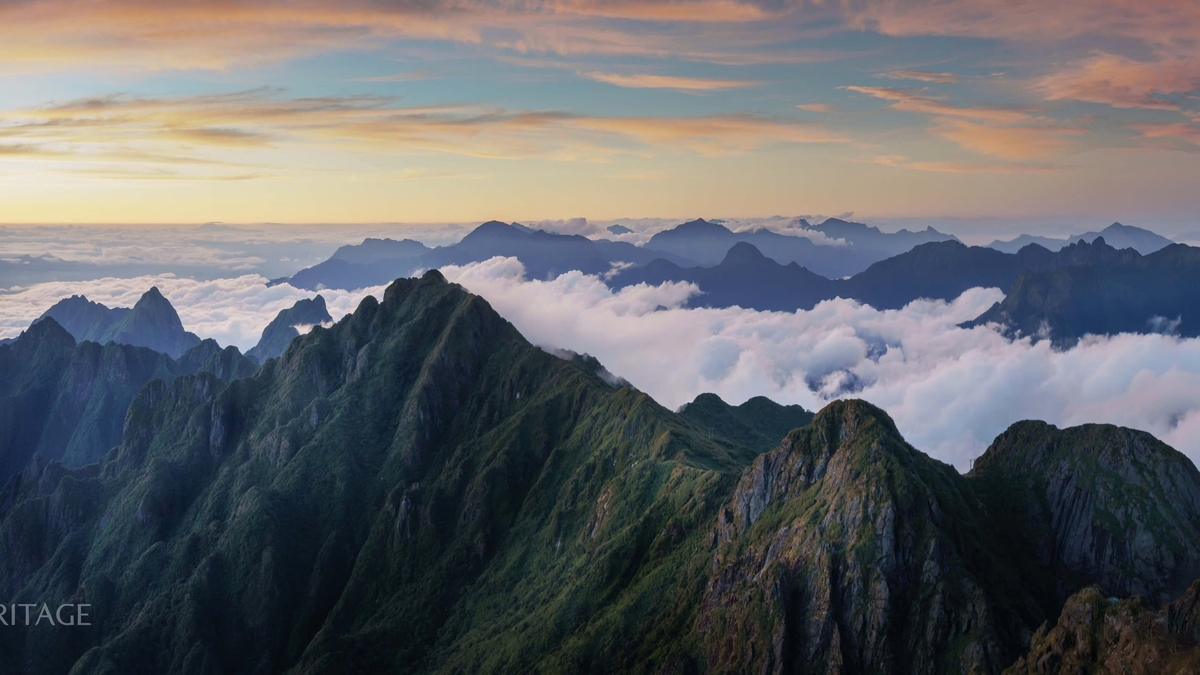
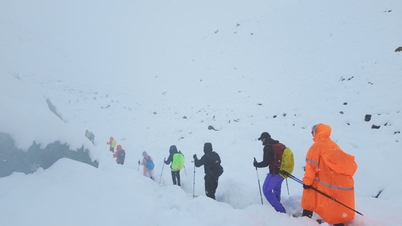
Not only famous for its Buddhist culture, Tibet also boasts majestic natural landscapes, where people become more humble before the wonders of nature. I traveled about 400km from Lhasa to Everest Base Camp on the G318 road – renowned as one of the most beautiful roads on the planet, a dream destination for many long-distance trekkers. Lake Yamdrok, Lake Namtso, the Karola Glacier, and many other landmarks gradually unfolded before my eyes… At an average altitude of over 4,500m, the air here is thin and incredibly clear. The sunlight is intense but pure, making the colors of the landscape vibrant. Gazing at the towering peak of Everest in the golden sunlight, with the five-colored Buddhist prayer flags fluttering in the wind, all the worries of the bustling city suddenly seemed distant and meaningless…
Every journey eventually comes to an end, and it's time to pack up and return home. But Tibet will never fade from my memory. Never before have I seen such beautiful clouds, such vast mountains, and such endless roads. All of it has captivated this traveler, leaving me utterly mesmerized and letting my soul drift with the wind.
During my travels across the Qinghai-Tibet Plateau, nestled amidst the majestic Himalayas, I felt as if I could touch the sky, breathe in the earth's fresh air, and gain a deeper understanding of the Tibetan faith. The gentle, hospitable people here hold a profound belief in Buddhism and are intimately connected to nature. And in this high mountain region, I felt free. No strong Wi-Fi, no deadlines, no social media. Only a unique kind of freedom: the freedom to breathe, to be silent, and to live slowly. 
Source: https://heritagevietnamairlines.com/buoc-chan-vao-mien-tinh-tai/













![[INFOGRAPHICS] Phase 2 of the First Session of the 16th National Assembly: Considering and deciding on many important issues](https://vphoto.vietnam.vn/thumb/402x226/vietnam/resource/IMAGE/2026/04/20/1776678933182_20-4-anhquochoi2004.jpeg)









































Comment (0)