

- The feelings of a journalist working in print and broadcast media.
- Silently contributing to the passion for the profession.
When I first started out in journalism, I simply thought that being a journalist meant traveling around, truthfully recording what I saw and heard with my pen and camera—that was enough. But the more I worked, the more I realized that journalism is not just about words; it's about the heart, about taking risks... and about sleepless nights pondering the question: "What more can I do for this person, for this story?"
Sometimes I'm so happy I'm moved to tears when readers share my article and the subject calls to thank me. But there are also times when I feel heartbroken when I travel to impoverished rural areas or witness and hear about difficult circumstances... It's no longer just about completing a topic and submitting it to the editorial office; after writing, all I can do is hope that when the article is published, it will connect with compassionate hearts and extend a helping hand to those in need. For me, the life of a journalist is a mix of very real and down-to-earth joys and sorrows.

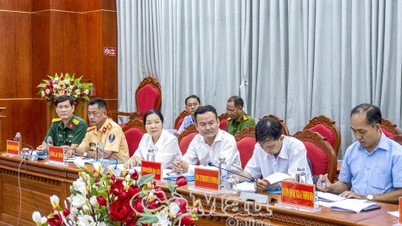
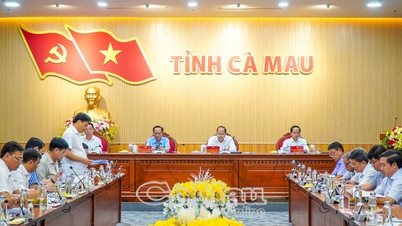
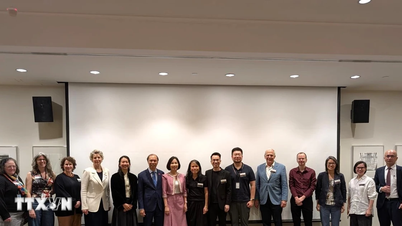
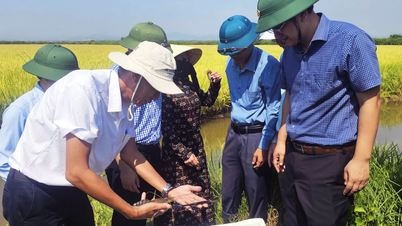
For reporters, attending conferences and events at the invitation of agencies and organizations each week only accounts for a small portion of their time; the majority is spent traveling long distances to cover events in local areas. Only in this way can they promptly grasp and truthfully reflect the lives of the people, the transformation and development of rural areas, and produce journalistic works that truly capture the essence of life. Although receiving and providing information to reporters is done according to local regulations on public speaking, I am often deeply moved and touched by the enthusiasm and utmost support of the local authorities and residents.
Sometimes, things go unexpectedly smoothly, making the reporters both happy and... a little bewildered. Once, when we went to a local area, the people were hospitable and friendly, chatting lively like family; sometimes they even prepared meals, and if we refused, they would be angry. Other times, when we met with local authorities, many places were very supportive; a phone call would bring someone waiting, some even saving our phone numbers. After a few rings, a voice on the other end would say, "I'm listening, journalist." The topics we discussed before going there were meticulously prepared by the local authorities, who even suggested other topics in the area for the reporters to explore further. The local people were very sincere: "It's a difficult trip, so let's do it while we can"...
Once, we went on a surprise assignment without prior notice, expecting to be turned away. Unexpectedly, despite being busy with a meeting, the local leader still arranged for someone to receive us attentively, even cheerfully saying, "It's alright, we're glad we don't have much work today and have time to meet you." Hearing that warmed our hearts and gave us renewed motivation to continue our journalistic work.
Nearly 15 years in this profession, I've experienced both joy and sadness. Especially sometimes, there are difficulties accessing official information from relevant authorities for reporting purposes, or having to seek advice, encountering difficult leaders, and reporters having to "beg - wait - wait," going through several stages. By the time the information is verified, written, approved, printed, and published... the story has already cooled down. For example, recently, when public opinion was heated over the issue of human trafficking to Cambodia, my colleagues and I prepared a plan, ready to work after verification from the authorities. However, the plan had to be abandoned because we didn't receive any response.
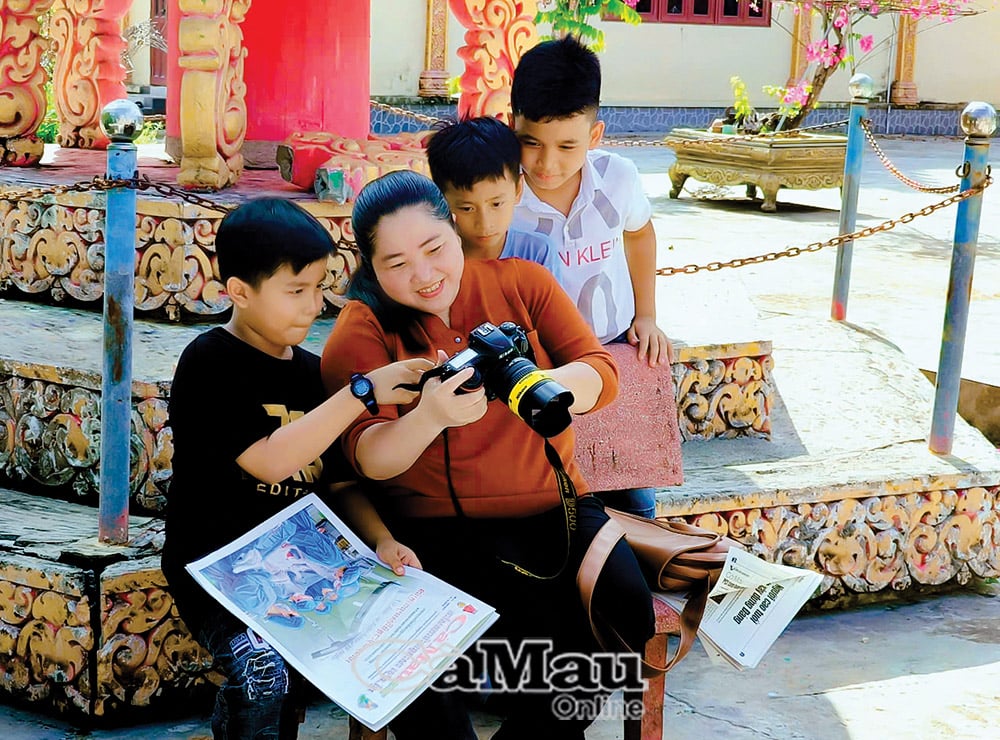
Then there's another disheartening fact: in this era where truth and falsehood are intertwined, and social media is flooded with "unverified news," even mainstream journalists like us are caught in the crossfire.
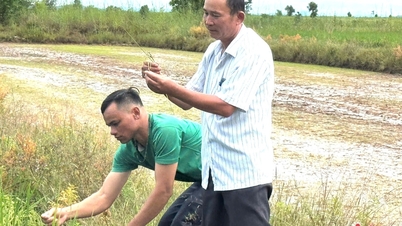
The story of our profession also has a... spiritual element, which many people would laugh at, considering it nonsense, but for us, it's 100% true. My friend works on the television segment "Farmers' Friends." Television requires visuals, but there have been many instances of "going there and then having to leave." The homeowner was initially very enthusiastic about sharing, but when we raised the camera, they would say... "Sorry, we can't film, the vegetables will all be ruined!"...
However, all these challenges couldn't deter these young people who love their profession. They tackle problems as they arise! Sometimes, if they can't solve them, they temporarily set them aside and work on another topic to fill the gap and meet the deadlines set with the editorial office. For us, the ultimate goal remains to bring readers and viewers honest information from life, stories of kindness, and beautiful moments in everyday life.
Journalism is like that—a profession of dedication, of hard work, even danger, but also a profession that allows you to travel, to see, and to listen to the deepest feelings in people's hearts, the dark side of life. That's why, even when we're tired, we still travel, still write, and still maintain our passion despite all the hardships and difficulties.
Diamond
Source: https://baocamau.vn/buon-vui-chuyen-nghe--a39763.html
![[Photo] General Secretary and President To Lam presides over a meeting on assessing national development resources.](https://vphoto.vietnam.vn/thumb/1200x675/vietnam/resource/IMAGE/2026/05/20/1779253785852_a1-bnd-2943-8519-jpg.webp)
![[Photo] National Assembly Chairman Tran Thanh Man working with the Standing Committee of the Economic and Financial Committee](https://vphoto.vietnam.vn/thumb/1200x675/vietnam/resource/IMAGE/2026/05/20/1779249584387_ndo_br_1-jpg.webp)


























































Comment (0)